Materials, tolerances, and part geometry that affect supplier selection
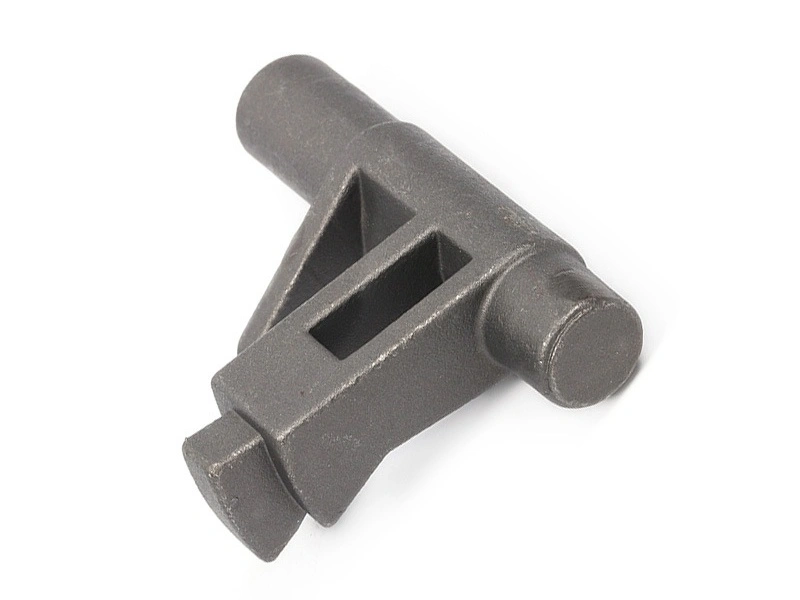
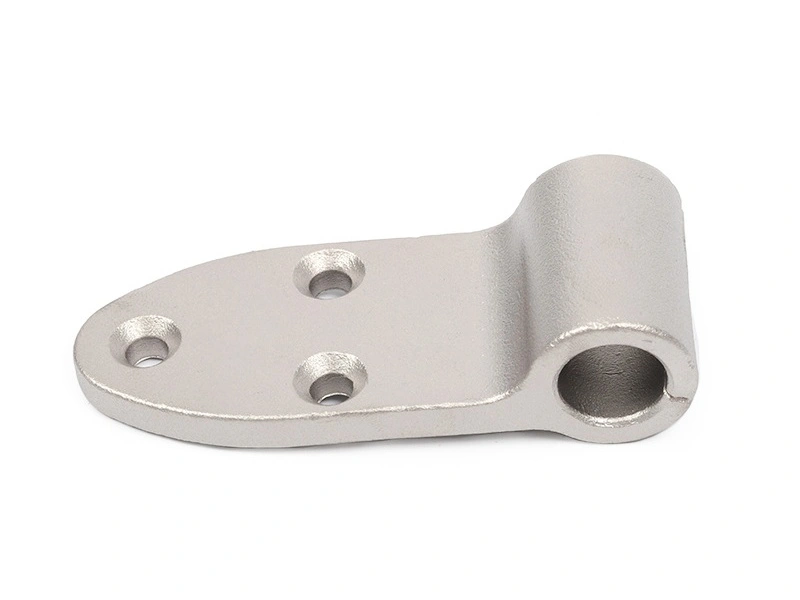
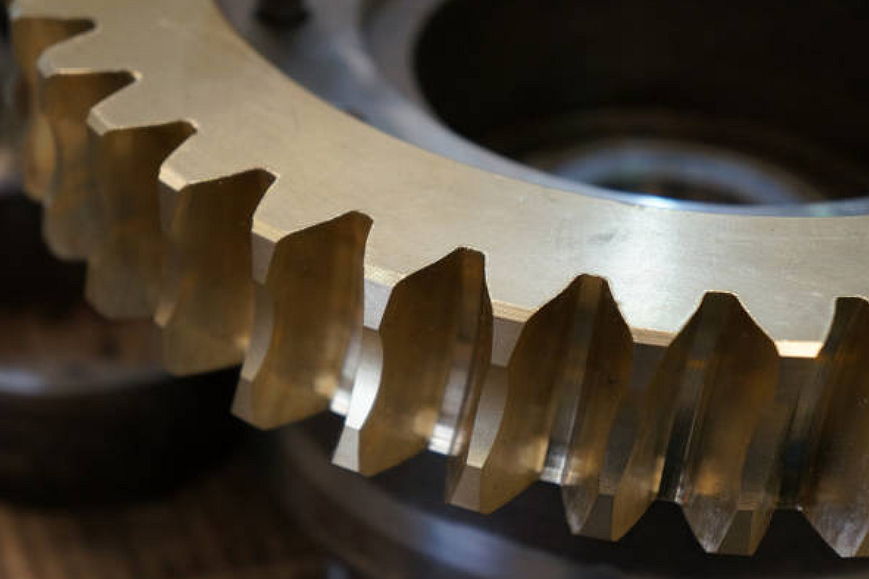
Materials, tolerances, and part geometry affect precision casting supplier selection because they determine the casting route, tooling method, alloy capability, machining allowance, inspection workload, and production risk. The practical RFQ problem is to decide whether a supplier can produce the finished custom metal part, not only whether the supplier has a casting process with the same name.
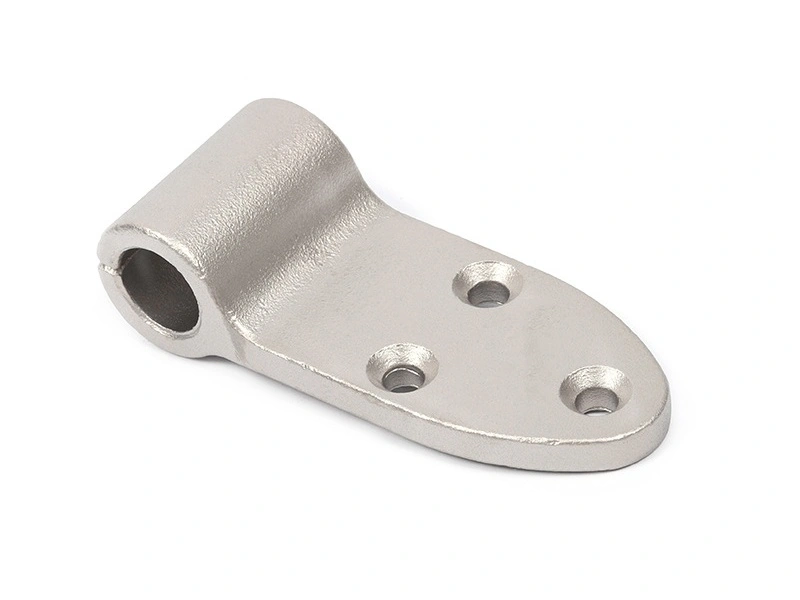
Why do materials, tolerances, and geometry determine supplier fit?
Materials, tolerances, and geometry determine supplier fit because they define the real manufacturing route. A supplier that can cast a simple aluminum housing may not be suitable for a complex stainless steel investment casting, a large cast iron component, a thin-wall zinc die casting, or a nickel-based alloy part that needs heat treatment and post-machining.
Buyers should evaluate supplier fit by looking at the finished part requirement. The relevant questions are: can the supplier cast the specified alloy, control the geometry, hold the required tolerance, machine the critical features, finish the required surfaces, and provide the inspection records needed for release?
Supplier Selection Factor | Why It Matters for Precision Casting | RFQ Evidence Buyers Should Request |
|---|---|---|
Material capability | Confirms the supplier can handle the alloy family and process route | Supported alloys, heat treatment, material reports, and process examples |
Part geometry | Controls tooling, cores, feeding, shrinkage, distortion, and machining access | DFM comments, casting route, tooling concept, and risk notes |
Tolerance requirement | Determines whether features can remain as-cast or need machining | Critical dimensions, GD&T, machining plan, and inspection method |
Surface quality | Affects process selection, finishing, cosmetic acceptance, and corrosion behavior | Finish requirement, visible zones, roughness, and coating notes |
Inspection capability | Confirms the supplier can verify release requirements | CMM report, gauges, material testing, and sampling plan |
How does casting material capability narrow the supplier list?
Material capability is often the first filter in precision casting supplier selection. Aluminum, zinc, carbon steel, stainless steel, cast iron, copper alloy, titanium, magnesium, and nickel-based alloys each require different melting, tooling, mold, feeding, heat treatment, machining, and inspection knowledge.
A buyer should not assume that every casting supplier can support every alloy family. A supplier focused on aluminum die casting may not be the right fit for a cast stainless steel investment casting. A supplier experienced with cast iron sand casting may not be prepared for nickel-based alloy investment casting or thin-wall zinc die casting.
Neway material pages such as cast aluminum, cast stainless steel, cast iron, zinc alloy, and nickel-based alloy show why alloy capability should be checked before comparing price.
How do part size, wall thickness, and geometry affect supplier selection?
Part size, wall thickness, and geometry affect supplier selection because they influence mold filling, shrinkage, riser design, core design, parting lines, ejection, distortion risk, and machining access. A supplier must understand whether the part should use die casting, investment casting, sand casting, or another route within the precision casting service scope.
Thin walls, deep ribs, internal cavities, complex bosses, long flat surfaces, and uneven section thickness all create different risks. A supplier should provide DFM feedback instead of only confirming that the part can be cast. DFM feedback should identify likely casting route, tooling concerns, machining allowance, and features that may need design adjustment.
For route selection, see how to choose between die casting, investment casting, and sand casting.
How do tolerance and surface requirements affect casting route and supplier capability?
Tolerance requirements affect supplier capability because cast dimensions and machined dimensions should be treated differently. A casting route may produce the near-net shape, while CNC machining creates tight datums, bores, threads, sealing surfaces, or flatness-related features. A supplier must be able to explain which dimensions are realistic as-cast and which dimensions require machining.
Surface requirements also change supplier selection. A raw structural casting, a customer-facing housing, a corrosion-exposed bracket, and a fluid-contact component may require different finishing methods. Surface quality can affect appearance, corrosion behavior, sealing, wear, and inspection acceptance.
Buyers should ask how the supplier will verify tolerance and surface quality after casting and finishing. Related tolerance references include typical precision casting tolerances and precision casting tolerance standards.
When does post-machining become the supplier selection issue?
Post-machining becomes the supplier selection issue when the drawing includes tight datums, hole positions, threaded features, flat mounting surfaces, sealing faces, bearing locations, or alignment surfaces. In these cases, the buyer is not only purchasing a casting; the buyer is purchasing a finished part that combines casting, machining, inspection, and sometimes finishing.
A supplier that offers casting but cannot manage machining or inspection may leave the buyer to coordinate multiple suppliers. That can create risk around datum transfer, machining allowance, fixture design, surface protection, and final accountability. Buyers should ask whether machining, finishing, and inspection are included in the same service route.
For the broader service package, see what precision casting services usually include.
Finished Part Requirement | Supplier Capability to Check | Why It Affects Selection |
|---|---|---|
Critical mounting datum | Casting allowance, machining fixture, and CMM inspection | The as-cast surface may not be the final functional datum |
Threaded holes or bores | Drilling, tapping, boring, reaming, and gauge inspection | Machined features may control assembly fit |
Large structural casting | Pattern, core, heat treatment, machining, and distortion control | Size and geometry can exceed a supplier's practical range |
Customer-facing surface | Finishing, coating, cosmetic criteria, and packaging protection | Surface quality may be as important as dimensional quality |
Regulated or safety-related part | Traceability, inspection report, material records, and change control | Release evidence may drive supplier qualification |
What RFQ data helps Neway evaluate supplier fit for precision casting?
Neway can evaluate supplier fit for precision casting when the RFQ includes the 3D CAD file, 2D drawing, alloy grade, part size, wall thickness, target weight, annual volume, first order quantity, tolerance requirements, machined features, surface finish, heat treatment, inspection report needs, and application environment.
Buyers should also state what decision they are making. If the buyer is selecting between casting routes, Neway needs volume, alloy, geometry, and tolerance priorities. If the buyer is selecting a supplier, Neway needs the finished part requirements and quality documentation expectations. If the buyer is converting a machined or welded part to casting, Neway needs the functional surfaces and design constraints that cannot change.
The strongest supplier fit is found when material capability, process route, tooling support, machining, finishing, and inspection all match the finished part requirement. That is why materials, tolerances, and geometry should be part of the first RFQ conversation.
Related FAQs
How should buyers choose between die casting, investment casting, and sand casting?
What are the differences between die casting and investment casting?
What tolerances can precision casting services typically achieve?
How should structural components be matched with lightweight materials?
What materials and processes suit high-impact environments with frequent drops?