How to choose between die casting, investment casting, and sand casting?
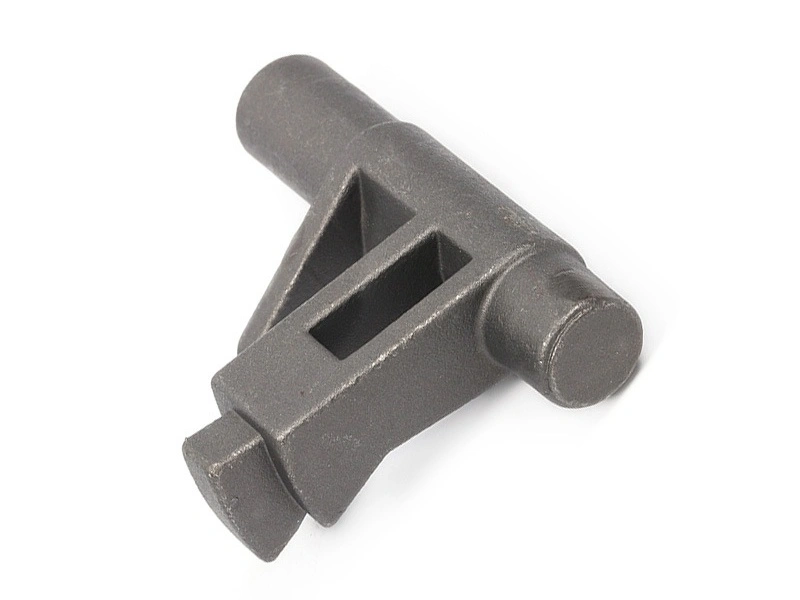
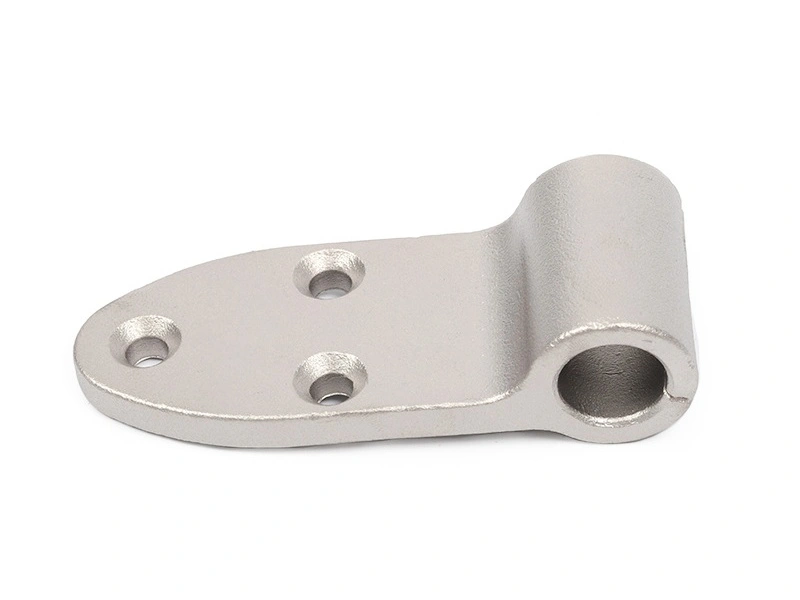
Buyers should choose between die casting, investment casting, and sand casting by comparing part size, alloy, geometry, tolerance target, surface requirement, annual volume, tooling budget, machining needs, and delivery plan. The practical RFQ problem is to select a precision casting route that can produce the finished custom metal part, not only the raw casting shape.
What is the first buyer decision when comparing casting routes?
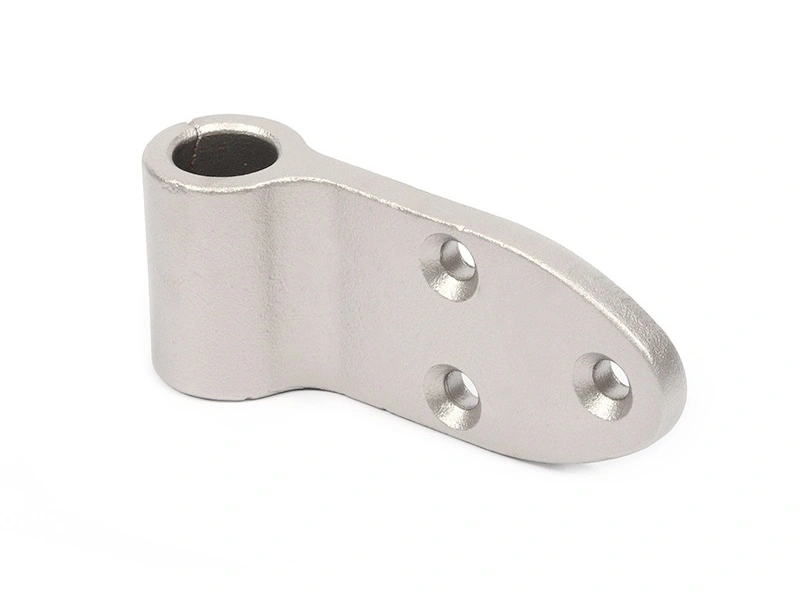
The first buyer decision is to define the finished part requirement before selecting a casting process. Buyers should clarify the part material, size, geometry, tolerance, surface finish, machined features, annual volume, and cost target. A process that fits a high-volume aluminum housing may not fit a low-volume cast iron structural part or a stainless steel investment casting.
Die casting, investment casting, and sand casting all support custom metal parts, but each process has a different balance of tooling cost, part size, alloy flexibility, surface condition, production rate, and post-processing needs. The RFQ should therefore compare the full manufacturing route, including tooling, casting, machining, finishing, inspection, and packaging.
Casting Route | Typical Fit | Main Buyer Trade-Off |
|---|---|---|
Die casting | Repeat production of aluminum or zinc parts with thin walls and good productivity | Higher tooling investment with stronger unit-cost logic at volume |
Investment casting | Complex steel, stainless steel, alloy steel, or special alloy parts with detailed geometry | Broader alloy flexibility and geometry detail with process and finishing review |
Sand casting | Larger parts, lower volumes, cast iron, cast steel, or aluminum components | Lower tooling pressure for many large parts with different tolerance and surface expectations |
When should buyers choose die casting for custom metal parts?
Buyers should consider die casting when the part is made from a suitable nonferrous alloy, the geometry benefits from mold-based high-pressure filling, and the production volume can support die tooling. Aluminum die casting and zinc die casting are often reviewed for housings, covers, brackets, heat-dissipation parts, lock components, consumer products, automotive components, and electronics enclosures.
Die casting is usually more attractive when thin walls, repeatability, productivity, and consistent shape are important. However, the buyer should account for tooling cost, parting lines, draft, ejector marks, porosity risk, machining allowance, and surface finishing needs. Critical threads, sealing faces, and datum surfaces may still need secondary machining after casting.
For buyers comparing broader casting options, related detail is available in differences between die casting and investment casting.
When should buyers choose investment casting?
Buyers should consider investment casting when the part needs more complex geometry, broader alloy selection, or finer cast detail than many sand casting routes can provide. Investment casting is often reviewed for stainless steel, carbon steel, alloy steel, nickel-based alloy, and other metal parts that need shaped features, internal geometry, or near-net-shape complexity.
Investment casting can reduce machining on complex forms, but buyers should still define tolerance, surface finish, heat treatment, material, and inspection expectations. If the finished part has critical datums, holes, threads, or sealing surfaces, investment casting may need secondary machining just like other casting routes.
Investment casting is a strong candidate when the casting route must balance alloy choice and geometry detail. For a direct comparison with sand casting, see the difference between sand casting and investment casting.
When should buyers choose sand casting?
Buyers should consider sand casting when the part is larger, lower volume, structurally robust, or made from an alloy and geometry that fit sand mold production. Sand casting is often used for cast iron, cast steel, aluminum, and larger custom parts where hard die tooling would not be practical for the project volume or part size.
Sand casting usually requires careful planning for pattern design, cores, risers, gating, machining allowance, surface texture, and dimensional expectation. It can be a practical route for larger components, but buyers should not expect the same surface condition or thin-wall capability as die casting.
The RFQ should identify machined surfaces, functional datums, wall thickness, internal cavities, and inspection needs. These details help Neway decide whether the part should remain as-cast in some areas and be machined in others.
How do material, tolerance, surface finish, and volume change the decision?
Material choice can narrow the casting route immediately. Aluminum and zinc often lead buyers toward die casting when volume and geometry fit. Stainless steel, carbon steel, alloy steel, and nickel-based alloy often lead buyers toward investment casting or sand casting depending on size and complexity. Cast iron and large structural parts often require sand casting or another route suited to larger sections.
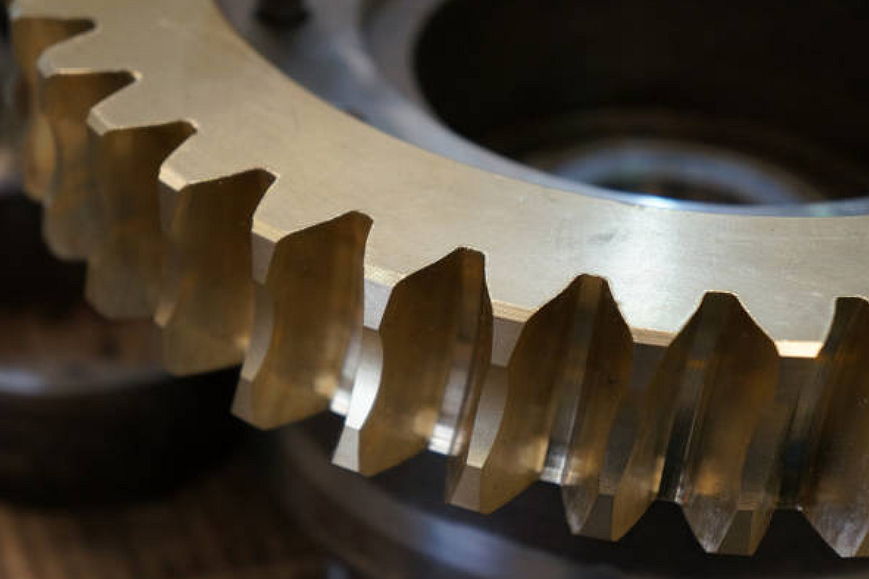
Tolerance and surface finish affect the amount of secondary work. A process may cast the main shape, while CNC machining, grinding, drilling, tapping, polishing, coating, painting, or other finishing creates the final functional surfaces. Buyers should identify which dimensions are as-cast and which dimensions require machining or inspection.
Volume affects tooling economics. Die casting may need more upfront tooling but can make sense at repeat production volume. Investment casting may support complex alloy parts at a different tooling and unit-cost balance. Sand casting may be more practical for low-volume or large parts where heavy tooling investment does not fit the program.
Buyer Requirement | Process Decision Impact | RFQ Detail to Provide |
|---|---|---|
Thin-wall high-volume housing | Often points toward die casting | Alloy, wall thickness, annual volume, and finish requirement |
Complex stainless steel shape | Often points toward investment casting | Alloy grade, geometry, heat treatment, and machined features |
Large cast iron or steel body | Often points toward sand casting | Part size, weight, core needs, and machining allowance |
Tight functional tolerance | Requires machining and inspection planning regardless of casting route | GD&T, datums, CMM report, and critical dimensions |
Customer-facing surface | Requires finishing or cosmetic criteria after casting | Visible zones, texture, coating, and visual acceptance criteria |
What RFQ details help Neway recommend a casting route?
Neway can recommend a casting route more accurately when the RFQ includes the 3D CAD file, 2D drawing, material grade, part size, target weight, annual volume, first order quantity, required tolerances, surface finish, heat treatment, machined features, inspection report needs, and application environment.
Buyers should state the decision being made. If the buyer is comparing die casting and investment casting, alloy and volume are often central. If the buyer is comparing investment casting and sand casting, size, alloy, geometry detail, tolerance, and surface condition are often central. If the buyer needs a finished part, machining and finishing should be included in the RFQ rather than treated as later assumptions.
For a broader service-scope view, see what precision casting services usually include and how materials, tolerances, and part geometry affect supplier selection.
Related FAQs
What are the differences between die casting and investment casting?
What is the difference between sand casting and investment casting?
How do materials, tolerances, and part geometry affect supplier selection?
What tolerances can precision casting services typically achieve?
Which precision casting services support custom metal parts?