What precision casting services are best for custom metal parts?
Precision casting services for custom metal parts should be selected by matching the process to the part's alloy, size, wall thickness, geometry complexity, tolerance target, surface requirement, annual volume, tooling budget, and post-machining needs. The practical RFQ problem is to decide whether die casting, investment casting, sand casting, or a combined finished-part route fits the custom metal part being sourced.
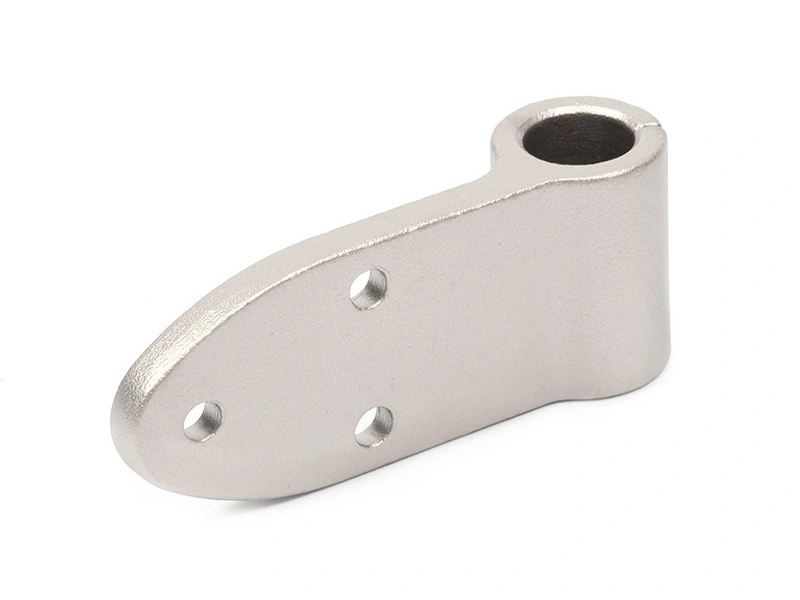
Which precision casting service fits a custom metal part?
The suitable precision casting service depends on the finished part requirement. Die casting, investment casting, and sand casting each solve a different manufacturing problem. A high-volume aluminum enclosure, a complex stainless steel bracket, and a large cast iron body may all be custom metal parts, but they usually need different casting routes.
Buyers should compare the full route instead of comparing process names. The full route includes DFM review, tooling, casting, heat treatment when required, machining, finishing, inspection, packaging, and production release. This broader view helps buyers compare manufacturability, cost drivers, and supplier capability more accurately.
Custom Metal Part Requirement | Precision Casting Route to Review | Buyer Decision Point |
|---|---|---|
High-volume thin-wall aluminum or zinc part | Die casting | Can the annual volume support tooling and production rate? |
Complex steel or stainless steel geometry | Investment casting | Does the part need alloy flexibility and detailed near-net geometry? |
Large part or lower-volume structural casting | Sand casting | Does the size, alloy, and volume fit sand mold production? |
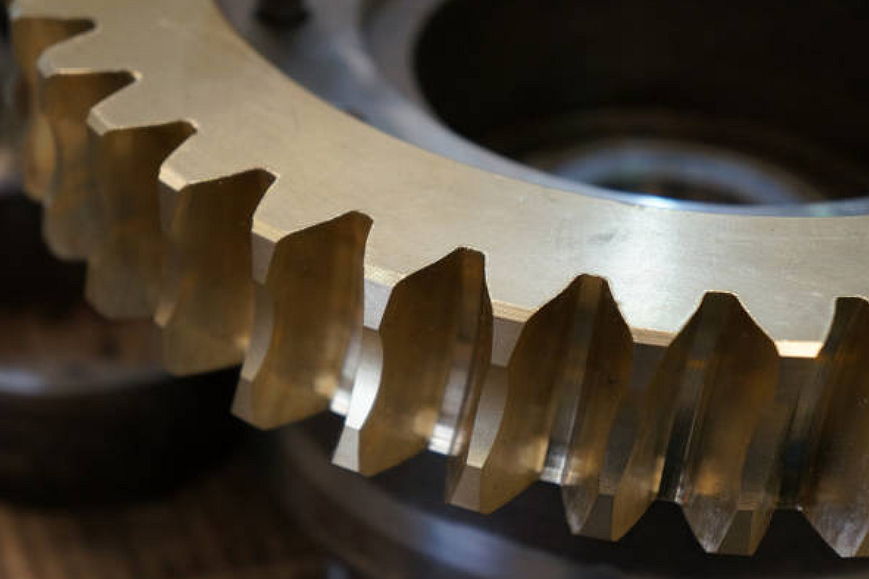
Tight datum, bore, thread, or sealing surface | Casting plus CNC machining | Which features are cast and which features are machined? |
Customer-facing finished component | Casting plus finishing and inspection | Which surfaces need coating, polishing, painting, or visual criteria? |
When does die casting fit custom metal parts?
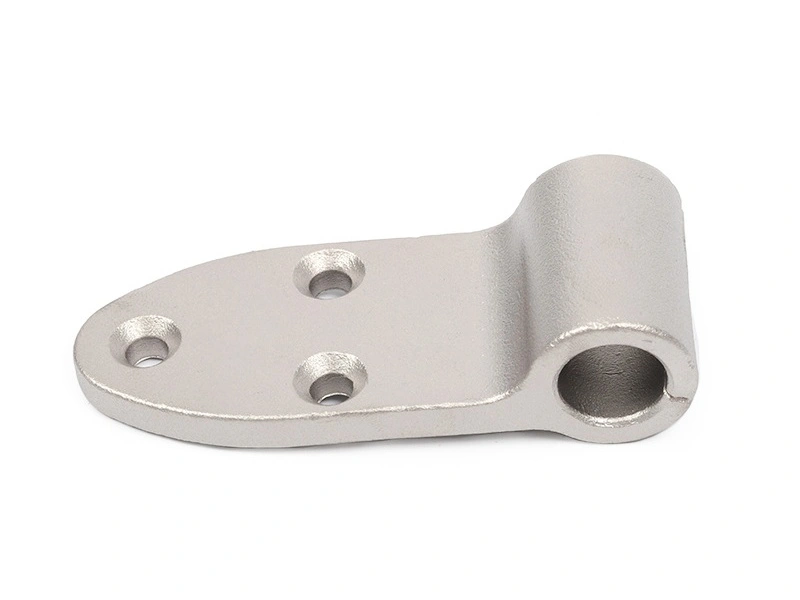
Die casting fits custom metal parts when the project needs repeat production, suitable aluminum or zinc alloys, thin walls, consistent shape, and efficient cycle time. This route is often reviewed for housings, covers, brackets, heat-dissipation components, consumer product parts, locking system parts, and automotive or electronics components.
Buyers should review tooling cost, parting line, draft, ejection, porosity risk, machining allowance, and surface finishing before choosing die casting. Die casting may form the main geometry efficiently, while CNC machining may still be needed for threads, sealing faces, bearing surfaces, or tight datum features.
When the buyer is comparing die casting with investment casting, the decision usually depends on alloy family, production volume, wall thickness, tolerance requirement, and finished part surface. A related comparison is available in differences between die casting and investment casting.
When does investment casting fit custom metal parts?
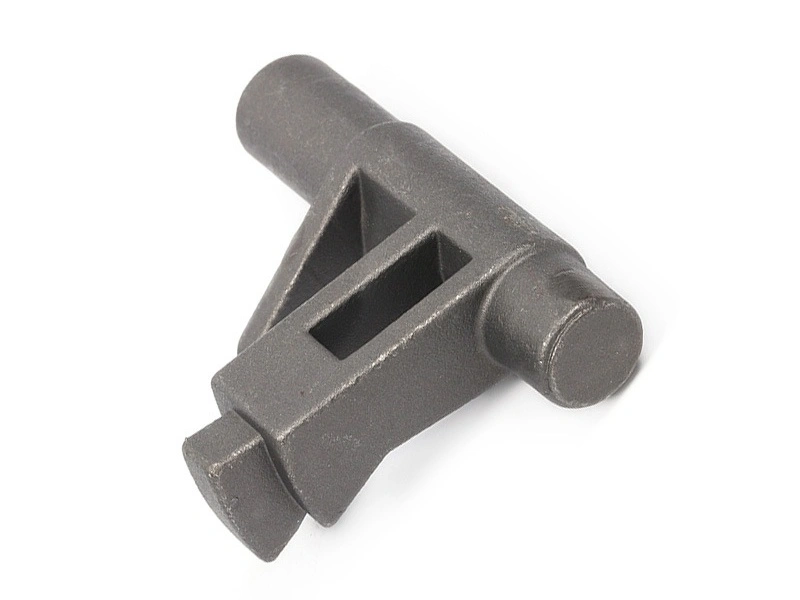
Investment casting fits custom metal parts when the project needs complex geometry, broader alloy selection, and detailed cast features. It is often reviewed for stainless steel, carbon steel, alloy steel, nickel-based alloy, and other parts where die casting material choices or sand casting surface expectations do not match the requirement.
Investment casting can reduce machining on complex shapes, but it does not remove the need for engineering review. Buyers should still define heat treatment, machined datums, tolerance targets, surface finish, inspection reports, and critical feature requirements. The finished part requirement should control the quote.
For buyers choosing among the main casting routes, see how to choose between die casting, investment casting, and sand casting.
When does sand casting fit custom metal parts?
Sand casting fits custom metal parts when the component is larger, lower volume, structurally robust, or made from alloys and section sizes that suit sand mold production. Sand casting is often reviewed for cast iron, cast steel, cast aluminum, copper alloy, and larger industrial parts.
Buyers should expect a different balance of tooling cost, surface texture, tolerance, and machining allowance than die casting or investment casting. Sand casting may be practical for large bodies, housings, bases, and structural parts, but the RFQ should clearly identify functional machined areas and surfaces that can remain as-cast.
For direct route comparison, see the difference between sand casting and investment casting.
How do batch size, wall thickness, alloy, and tolerance guide service selection?
Batch size guides tooling economics. Higher annual volume can support more dedicated tooling, while lower volume may require a process with lower upfront tooling pressure. Wall thickness affects mold filling, solidification, shrinkage, and distortion risk. Alloy choice narrows the process options because aluminum, zinc, steel, stainless steel, cast iron, and nickel-based alloys do not use the same casting route.
Tolerance guides the need for machining and inspection. A casting process may form the main geometry, but tight datums, holes, threads, sealing faces, bearing locations, and alignment surfaces often require CNC machining and CMM verification. Buyers should state which dimensions are functional and which areas are noncritical.
For tolerance planning, see what tolerances precision casting services can typically achieve and precision casting tolerance standards.
Selection Factor | Question for the Buyer | Manufacturing Implication |
|---|---|---|
Alloy | Is the material aluminum, zinc, carbon steel, stainless steel, cast iron, or a special alloy? | Narrows the viable casting route and heat treatment options |
Part size | Is the component small, medium, large, thin-wall, or heavy-section? | Affects mold design, handling, feeding, and machining allowance |
Annual volume | Is the project prototype, low volume, or repeat production? | Affects tooling investment and unit-cost logic |
Critical tolerance | Which dimensions control fit, sealing, motion, or assembly? | Defines machining, gauging, and inspection report needs |
Surface requirement | Which surfaces are cosmetic, coated, corrosion-exposed, or functional? | Defines finishing, masking, and visual acceptance criteria |
What RFQ details help Neway match casting service to part requirement?
Neway can match the casting service to the part requirement when the RFQ includes the 3D CAD file, 2D drawing, alloy grade, target weight, part size, wall thickness, annual volume, first order quantity, tolerance target, machined features, surface finish, heat treatment, inspection reports, packaging, and application environment.
Buyers should also state whether they need a raw casting, a machined casting, a finished surface, a tested assembly, or a production-ready supply route. That distinction changes the supplier scope. A casting-only quote is not the same as a finished custom metal part quote that includes machining, finishing, and inspection.
For a service-scope overview, see what precision casting services usually include.
Related FAQs
How should buyers choose between die casting, investment casting, and sand casting?
What are the differences between die casting and investment casting?
What is the difference between sand casting and investment casting?
How do materials, tolerances, and part geometry affect supplier selection?
What tolerances can precision casting services typically achieve?