What Precision Casting Services Do You Offer?
What precision casting services are available?
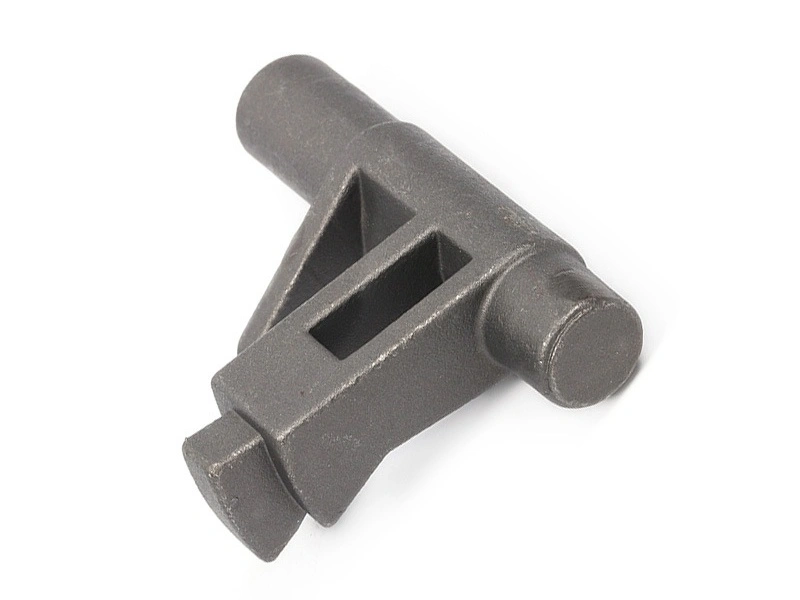
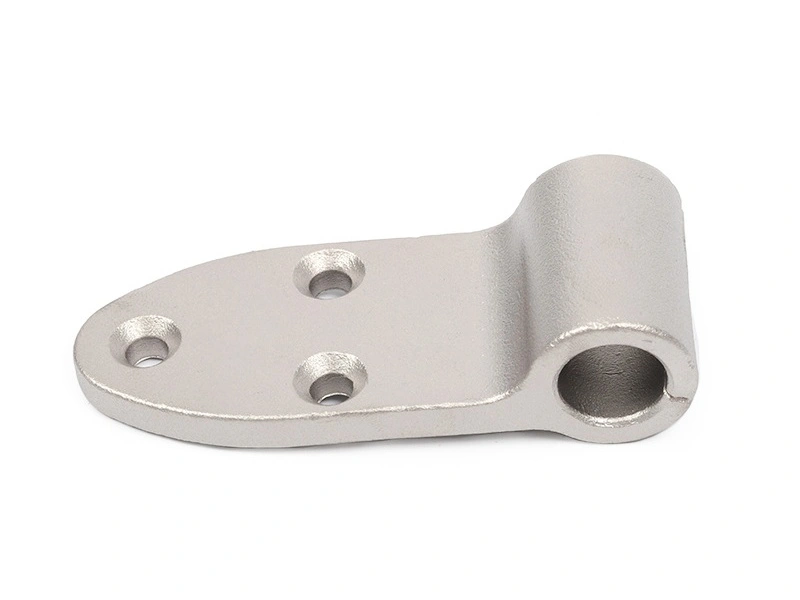
Precision casting services can include aluminum die casting, zinc die casting, investment casting, sand casting, gravity casting, and related secondary operations such as CNC machining, heat treatment, surface finishing, and assembly. The practical RFQ problem is choosing the casting route that fits the metal alloy, part size, geometry, tolerance requirement, surface finish, production quantity, and inspection evidence.
Die casting, investment casting, and sand casting solve different buyer problems. Die casting is often reviewed for repeatable non-ferrous parts with defined tooling. Investment casting is often reviewed for complex metal geometry and broader alloy choices. Sand casting is often reviewed for larger shapes, lower tooling pressure, or flexible casting sizes. The right route depends on the drawing, material, quantity, machining allowance, and acceptance criteria.
When should buyers choose die casting?
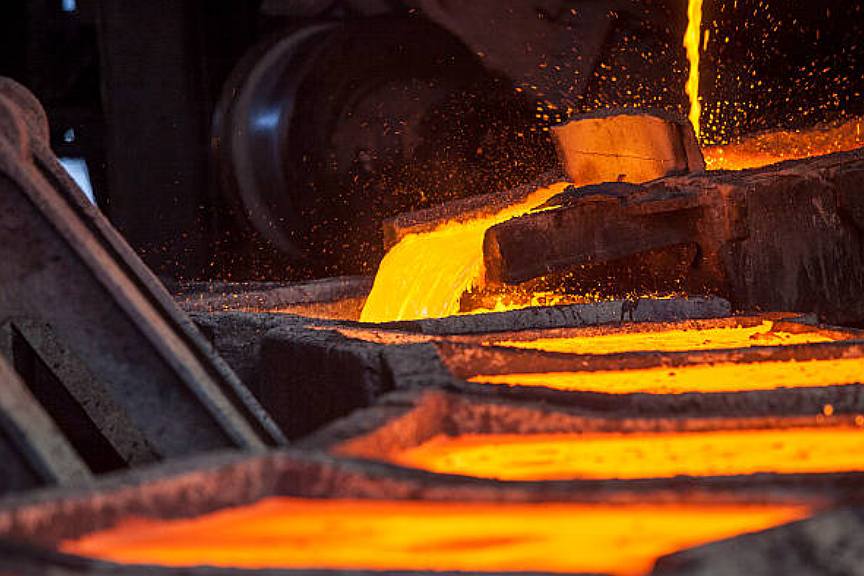
Aluminum die casting and zinc die casting are usually reviewed when the part needs repeatable metal geometry, relatively high production quantity, good surface definition, and efficient production from dedicated steel tooling. Die casting is common for housings, covers, brackets, frames, heat-dissipation parts, handles, and small to medium metal components.
The RFQ should define alloy, wall thickness, draft, parting line, gate areas, machining datums, porosity limits, cosmetic surfaces, surface finish, and inspection method. Die casting can support complex shapes, but porosity, shrinkage, flash, warpage, and machining allowance must be reviewed before tooling.
When should buyers choose investment casting?
Investment casting is often reviewed for complex metal components with detailed geometry, internal features, curved shapes, or alloy requirements that do not fit die casting. It can be useful for stainless steel, carbon steel, alloy steel, and other casting alloys when the part shape and quantity justify tooling and wax pattern work.
The RFQ should define alloy grade, heat treatment, machining allowance, surface finish, critical dimensions, casting tolerance, and inspection needs. Investment casting may still require CNC machining on datums, threads, sealing faces, bearing surfaces, or precision holes. Buyers should mark which features are cast and which features must be machined after casting.
When should buyers choose sand or gravity casting?
Sand casting and gravity casting are reviewed when the part size, geometry, material, quantity, or tooling budget does not fit die casting or investment casting. Sand casting may fit larger components, simpler shapes, or projects where tooling flexibility matters. Gravity casting may fit aluminum or other non-ferrous parts where controlled mold filling and lower tooling complexity are useful.
The RFQ should define casting size, alloy, core requirements, machining allowance, surface finish, dimensional tolerance, and inspection method. Sand casting and gravity casting can require more machining or finishing than die casting, so the buyer should separate as-cast requirements from final machined requirements.
What secondary operations support precision cast parts?
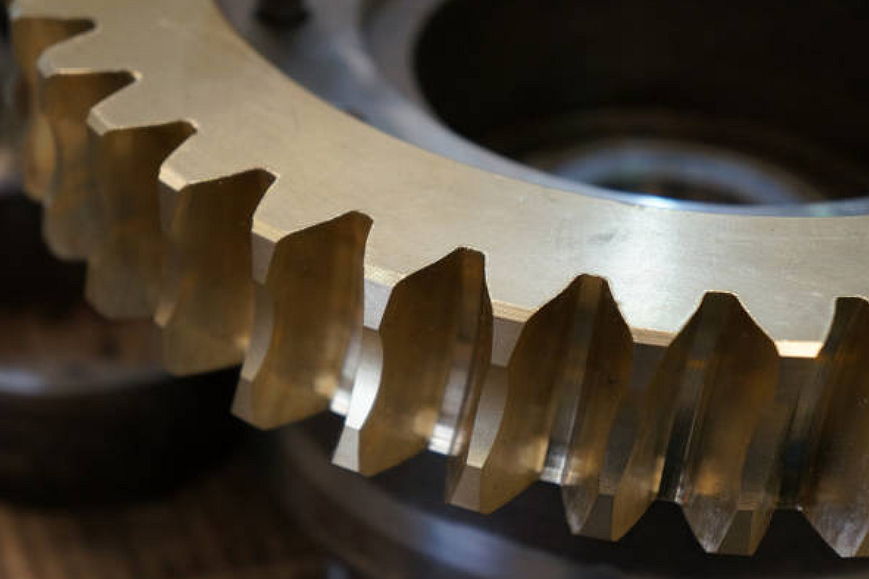
Precision cast parts often need secondary operations after casting. Common operations include trimming, shot blasting, CNC machining, drilling, tapping, grinding, heat treatment, impregnation, anodizing, plating, powder coating, painting, polishing, leak testing, pressure testing, and assembly. These steps can be essential when the casting must meet a final functional interface or cosmetic standard.
The finishing sequence should be reviewed early. Machining before coating, heat treatment before final machining, or leak testing after impregnation may change cost and timing. Buyers should define final dimensions, coating thickness, sealing surfaces, corrosion exposure, and inspection evidence during quotation.
What inspection evidence is used for cast metal parts?
Inspection evidence for cast metal parts may include dimensional report, CMM inspection, first article inspection, material certificate, hardness test, heat-treatment record, surface roughness report, coating thickness report, X-ray inspection, CT inspection, dye penetrant inspection, leak test, pressure test, or visual inspection standard. The exact package should match the casting route and part function.
For parts used in regulated or safety-critical assemblies, buyer specifications, qualification requirements, and acceptance criteria should be defined before quotation. Casting suppliers can support manufacturing and inspection work, but final validation remains the buyer's responsibility.
Casting Route | Best-Fit Part Requirement | Manufacturing Risk to Check | RFQ Information Needed |
Aluminum or zinc die casting | Repeatable non-ferrous housings, covers, brackets, frames, and small to medium components | Porosity, flash, warpage, parting line, draft, and machining allowance | Alloy, quantity, wall thickness, cosmetic surfaces, machining datums, and inspection plan |
Investment casting | Complex metal shapes, broader alloy choices, curved geometry, and detailed features | Shrinkage, shell defects, surface finish, tolerance stack-up, and post-cast machining | Alloy grade, heat treatment, critical dimensions, surface finish, and machining notes |
Sand or gravity casting | Larger castings, flexible tooling, simpler shapes, or lower tooling pressure projects | Core shift, surface roughness, dimensional variation, machining stock, and porosity | Part size, core design, alloy, machining allowance, tolerance, and inspection evidence |
Secondary operations | Final datums, threads, sealing faces, surface finish, coating, leak performance, or assembly | Dimensional shift, coating build-up, burrs, surface defects, and test failure | Final drawing requirements, coating thickness, leak test, pressure test, and visual standard |
What should buyers provide for a precision casting RFQ?
A useful RFQ should include the 2D drawing, 3D model, alloy grade, expected quantity, prototype or production stage, critical dimensions, casting tolerance, machining allowance, surface finish, heat treatment, coating, pressure or leak requirements, cosmetic surfaces, and inspection method.
This information helps compare die casting, investment casting, sand casting, gravity casting, CNC machining, and secondary operations before tooling and production planning begin.
Related FAQs