Zinc Die Castings: Exploring Applications in Diverse Manufacturing Sectors
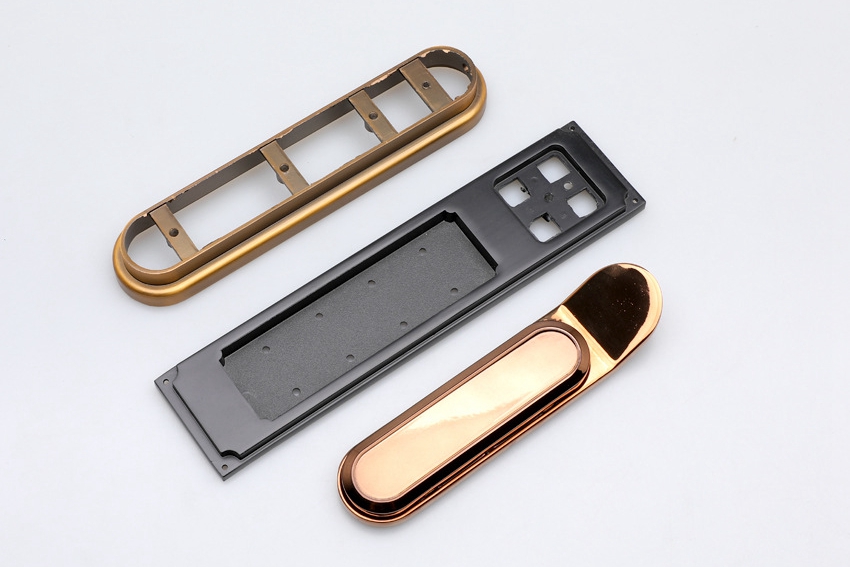
Zinc Die Castings Application Decision: This article explains how buyers can evaluate zinc die casting for custom metal parts such as lock components, connector housings, brackets, handles, decorative hardware, small gears, electronic enclosures, appliance parts, and precision industrial fittings. The practical RFQ problem is deciding whether zinc alloy selection, hot-chamber die casting, part geometry, surface finishing, defect control, and inspection evidence can support the intended application.
Where Do Zinc Die Castings Fit In Manufacturing?
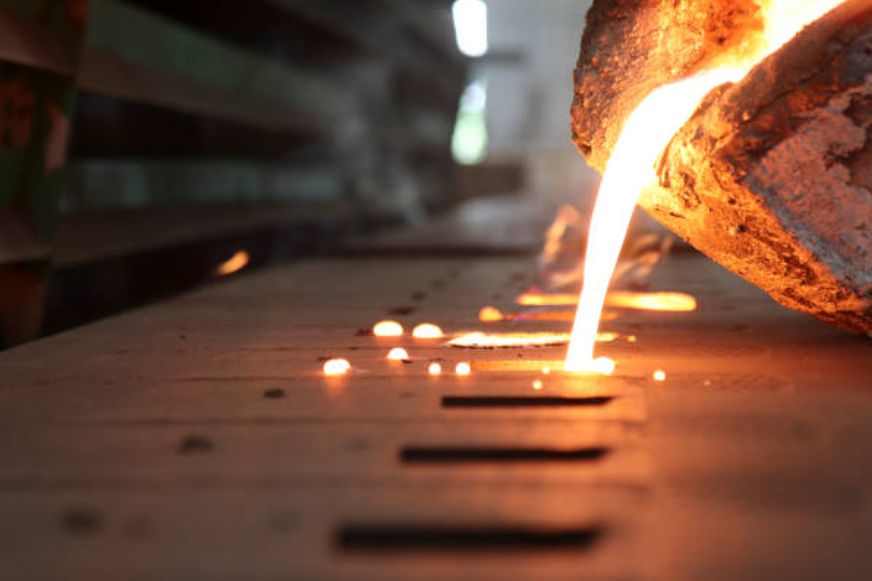
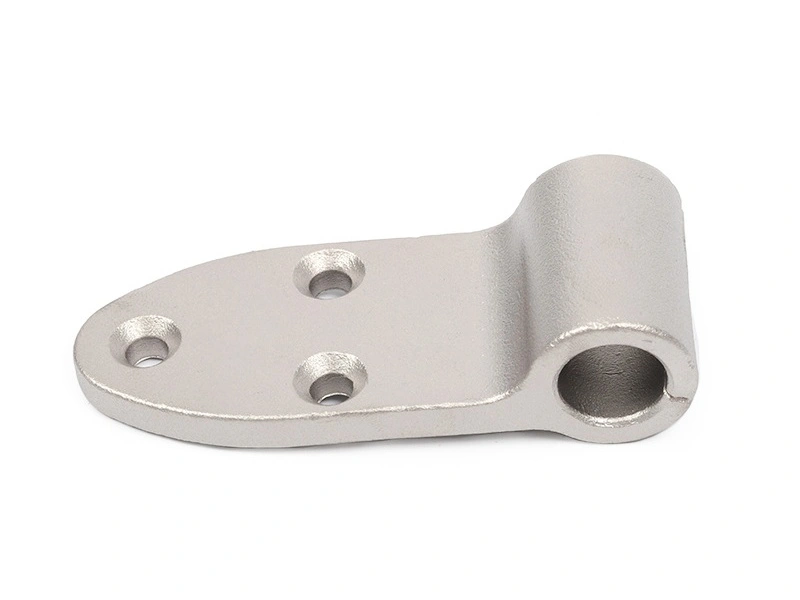
Zinc die castings fit manufacturing applications that need small to medium metal parts with detailed features, good surface potential, repeatable dimensions, and efficient high-pressure casting. In zinc die casting, molten zinc alloy is injected into a steel die, solidifies quickly, and is then trimmed, finished, machined, or assembled as required.
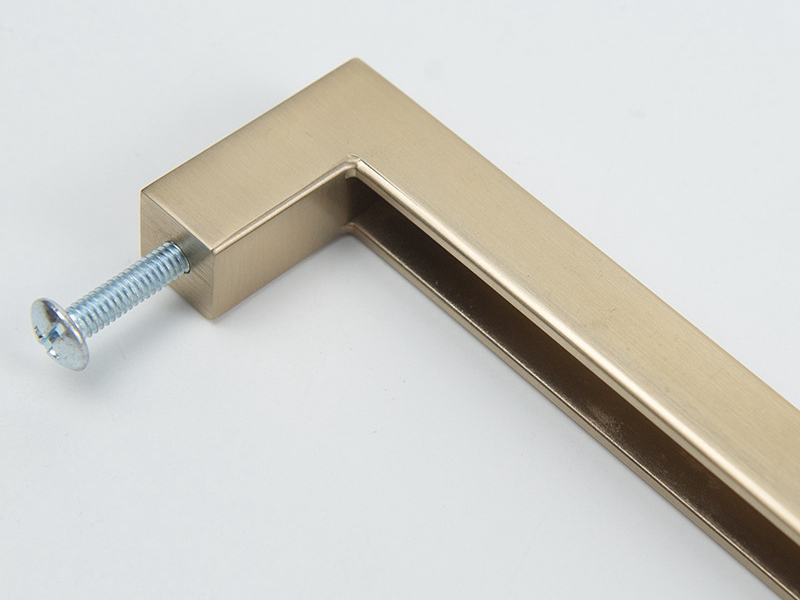
Zinc alloys can support thin sections, small bosses, fine ribs, knurled surfaces, slots, threads, and decorative surfaces when the die and process are designed correctly. Buyers often consider zinc die casting when a part needs more weight and metal feel than plastic, more detail than many other casting routes, or more efficient production than machining from solid stock.
The buyer should define whether the zinc die casting is primarily structural, cosmetic, conductive, threaded, wear-related, or decorative. That decision affects alloy choice, gate position, parting line, plating, machining, inspection, and packaging.
Which Zamak And Zinc Alloys Should Buyers Compare?
Zinc die casting material selection should start from the part function. Zamak alloys and other zinc alloys differ in strength behavior, ductility, dimensional stability, wear behavior, surface finishing, and casting response.
Zinc Alloy | Typical Application Role | RFQ Confirmation Needed |
|---|---|---|
General zinc die cast housings, brackets, covers, hardware, and decorative parts | Confirm load, surface finish, plating, dimensional stability, and production quantity. | |
Parts needing improved strength behavior compared with general-purpose zinc alloys | Confirm mechanical load, thread function, plating, and corrosion exposure. | |
Wear-related parts, inserts, and components requiring alloy-specific review | Confirm wear contact, dimensional control, machining, and material availability. | |
Thin-wall or detailed parts where castability and surface requirements are important | Confirm surface quality, plating, thin features, and appearance requirements. | |
Components that need a different balance of strength, wear, and casting behavior | Confirm process route, mechanical requirement, finishing, and route comparison. | |
ACuZinc5 or specialty zinc alloy | Applications with alloy-specific wear, strength, or dimensional requirements | Confirm specification, supplier availability, testing needs, and acceptance criteria. |
The RFQ should state whether the buyer needs a specific zinc alloy grade or a performance target. If the alloy is open, the buyer should provide load, temperature, appearance, corrosion exposure, and finishing requirements.
Which Parts And Sectors Use Zinc Die Casting?
Zinc die castings appear in many sectors because the process can combine detail, strength behavior, surface finish, and production repeatability. The same process may serve different industries, but each industry needs different acceptance criteria.
Part Or Sector | Common Zinc Die Casting Example | Buyer Requirement To Define |
|---|---|---|
Locks and security hardware | Lock housings, latch parts, knobs, handles, decorative covers, and internal mechanisms | Confirm wear surfaces, torque load, plating, keyway details, and assembly inspection. |
Electronics and connectors | Connector shells, shielding covers, device housings, terminal carriers, and small brackets | Confirm EMI contact areas, grounding, plating, burr limits, and critical dimensions. |
Automotive and mobility components | Interior hardware, brackets, sensor housings, handles, and small mechanism parts | Confirm temperature exposure, vibration, corrosion, buyer documentation, and functional tests. |
Consumer appliances and hardware | Control knobs, hinges, handles, trim parts, brackets, and decorative metal parts | Confirm cosmetic standard, coating thickness, fit surfaces, and packaging protection. |
Industrial fittings and equipment parts | Small housings, clamps, levers, fastener bodies, and adjustment parts | Confirm load direction, thread function, surface finish, and dimensional inspection. |
For automotive, medical, aerospace, or other controlled applications, zinc die castings should be reviewed against buyer specifications and validation requirements. The application label alone is not enough to approve the material or process.
How Do Zinc Die Castings Support Detail, Threads, And Surface Finish?
Zinc die casting can support detailed metal geometry because zinc alloys generally fill small mold features well compared with many heavier casting routes. This can help create thin walls, textured surfaces, small bosses, ribs, gear-like features, and details that would require more machining in another route.
Threads and precision features still need careful planning. Some threads may be cast, while others may need tapping or machining after casting. A functional sealing face, bearing surface, or assembly datum may need machining. Cosmetic surfaces may need polishing, plating, painting, powder coating, chromating, or other finishing work.
Buyers should mark A-surfaces, no-burr zones, no-flash zones, exposed plated areas, grounding areas, and critical assembly features on the drawing. These notes help the die design place gates, parting lines, ejector pins, and overflow areas away from critical surfaces where possible.
Which Defects And Design Risks Should Buyers Control?
Zinc die casting defects should be controlled according to part function. Common risks include porosity, cold shuts, flash, shrinkage, flow marks, blisters after plating, die soldering, ejector marks, parting line mismatch, and dimensional drift from die temperature or wear.
Zinc Die Casting Risk | Application Impact | Inspection Or Control Evidence |
|---|---|---|
Flash and burrs | Can affect connector fit, threads, lock movement, and assembly safety | Visual standard, trimming requirement, go/no-go gauges, and parting line inspection. |
Porosity | Can affect machined surfaces, plating appearance, pressure exposure, or structural areas | X-ray, sectioning, machining inspection, leak test, or surface inspection where required. |
Blistering after plating | Can affect cosmetic surfaces and corrosion protection | Surface preparation control, plating specification, adhesion check, and appearance standard. |
Cold shuts or flow lines | Can affect appearance, thin features, and local strength behavior | Gate review, process window review, visual inspection, and approved sample comparison. |
Dimensional drift | Can affect snap fits, lock mechanisms, connector shells, and assembled parts | CMM report, fixture check, SPC where required, and tool maintenance review. |
Design risks include unsupported thin features, sharp inside corners, heavy-to-thin transitions, difficult ejection, and surfaces that require plating but sit near gates or parting lines. These should be reviewed before tooling.
When Should Buyers Compare Zinc Die Casting With Aluminum Die Casting?
Zinc die casting and aluminum die casting are both pressure casting routes, but they serve different application needs. The comparison should consider part size, weight, strength behavior, detail level, temperature exposure, corrosion environment, plating, and total production cost.
Buyer Decision | Zinc Die Casting Tends To Fit | Aluminum Die Casting Tends To Fit |
|---|---|---|
Part size and weight | Small to medium parts where metal feel, detail, or weight is acceptable | Larger lightweight housings, brackets, and thermal components |
Fine detail and thin features | Detailed hardware, small bosses, decorative surfaces, and complex features | Thin-wall aluminum structures when weight and heat transfer matter |
Surface finishing | Plating, decorative finishes, and hardware appearance requirements | Painting, powder coating, conversion coating, and selected aluminum finishing routes |
Thermal exposure | Lower-temperature applications subject to alloy review | Applications where aluminum thermal behavior or heat dissipation is important |
Mechanical function | Small mechanisms, locks, handles, gears, and connector shells | Structural housings, covers, brackets, heat sinks, and equipment bodies |
If the part has both fine detail and strict weight limits, the buyer should share the use case and assembly constraints. Route selection should be made from the drawing, load case, surface requirement, and production plan.
Which Finishing And Inspection Steps Matter?
Zinc die cast parts often need finishing after trimming. Common options include deburring, tumbling, polishing, shot blasting, plating, chromating, painting, powder coating, passivation-like surface preparation where applicable, and assembly. The finishing route should be compatible with the zinc alloy and the cosmetic or corrosion requirement.
Inspection evidence may include dimensional reports, first article inspection, CMM reports, go/no-go gauges, thread gauges, visual inspection standards, plating thickness reports, adhesion checks, salt spray testing when specified, hardness testing, leak testing, or functional assembly trials.
Buyers should define which surfaces are cosmetic, which are functional, and which are allowed to show gate marks, ejector marks, or parting lines. Packaging should also protect plated or polished surfaces from scratches after inspection.
What Should A Zinc Die Casting RFQ Include?
A complete zinc die casting RFQ should include the CAD model, 2D drawing, zinc alloy requirement, surface finish, critical dimensions, expected production stage, inspection needs, and application environment. Missing details can lead to wrong alloy choice, gate placement conflicts, or finishing problems.
RFQ Information | Why It Matters For Zinc Die Casting | Buyer Confirmation Needed |
|---|---|---|
3D model and 2D drawing | Defines casting geometry, datum surfaces, critical dimensions, and visible areas | Confirm revision, no-burr zones, no-flash zones, and controlled features. |
Zinc alloy grade | Affects castability, strength behavior, wear, finishing, and dimensional stability | Confirm Zamak or ZA alloy, equivalent standard, and material certificate need. |
Surface finish and appearance | Controls gate placement, polishing, plating, coating, and visual inspection | Define plating, painting, gloss, color, texture, and accepted appearance sample. |
Functional tests | Connects application use to measurable acceptance evidence | State whether torque, pull, leak, wear, electrical, or assembly tests are required. |
Production stage and expected quantity | Influences die design, cavity count, trimming, finishing fixtures, and inspection plan | Confirm prototype, pilot, or production stage and order pattern. |
Use environment | Guides alloy choice, finishing, corrosion protection, and validation plan | Confirm temperature, load, chemical exposure, outdoor exposure, and buyer-specific documentation. |
Zinc die castings are useful in diverse manufacturing sectors when the part needs detailed metal geometry, surface finish options, repeatable production, and defined inspection evidence. The strongest application decisions connect zinc alloy selection, die casting design, finishing, and quality checks to the actual part function.
Related FAQs
Zinc Die Casting vs Aluminum Die Casting: How Are They Different?
What Are the Primary Benefits of Using Zinc Alloys in Die Casting?
Why Is Zinc Die Casting Ideal for Intricate and Precision Parts?
What Surface Finishes Are Available for Zinc Die Cast Parts?
What Information Should Buyers Provide for a Custom Zinc Die Casting Quote?