Common Industries and Applications of Zinc Die Castings
Which industries use zinc die castings?
Zinc die casting is often reviewed for compact metal parts used in consumer products, electronics, hardware, locks, lighting, appliance parts, industrial equipment, automotive components, plumbing-related hardware, and selected regulated applications when buyer specifications allow. Zinc die casting applications should be evaluated by part size, feature detail, load, weight, surface finish, coating, operating temperature, corrosion exposure, and inspection requirements.
The practical RFQ problem is not asking whether an industry uses zinc die casting in general. The practical RFQ problem is deciding whether zinc alloy behavior, part geometry, coating, dimensional control, and validation evidence fit the specific custom part.
Why are consumer and electronics parts common zinc die casting candidates?
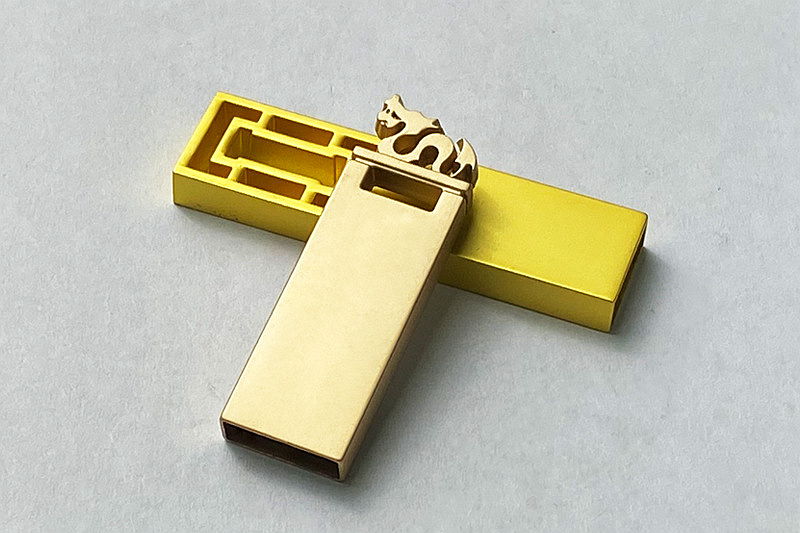
Consumer and electronics parts often need compact geometry, detailed features, good surface definition, plating or painting, and repeatable assembly interfaces. Zinc die casting can be useful for small housings, shells, knobs, bezels, handles, connector bodies, decorative trims, and enclosure components when part weight and operating temperature are suitable.
Buyers should define cosmetic class, coating type, surface texture, assembly fit, threaded inserts, electrical contact requirements, and inspection method. If the part has sharp cosmetic edges, thin features, or snap-fit areas, those features should be reviewed before die tooling.
When are hardware, lock, and tool components reviewed for zinc die casting?
Hardware and lock components can benefit from zinc's ability to form detailed geometry and stable small mechanical features. Examples may include handles, locks, latches, hinges, brackets, small gear-like parts, decorative covers, and fastening hardware.
The RFQ should define load direction, wear surfaces, mating parts, torque requirement, pull-out requirement, corrosion exposure, coating thickness, and functional test needs. Zinc die casting may not be suitable when the component needs very high load-to-weight performance or high service temperature.
How are automotive and transportation zinc parts evaluated?
Automotive and transportation projects may consider zinc die castings for selected interior, trim, latch, connector, bracket, handle, or small mechanism components. The decision depends on buyer specifications, operating temperature, corrosion exposure, vibration, assembly loads, coating, and qualification requirements.
For safety-related, regulatory, or customer-qualified assemblies, zinc die casting should be reviewed against the buyer's validation plan. A supplier can support manufacturing and inspection evidence, but final approval remains the buyer's responsibility.
Where do lighting, industrial, and plumbing-related parts fit?
Lighting and industrial parts may use zinc die casting when the design needs compact metal housings, brackets, covers, fittings, adjustment hardware, or decorative surfaces. The part should be reviewed for heat exposure, electrical needs, coating, assembly load, and dimensional stability.
Plumbing-related hardware or fluid-adjacent parts require careful material, corrosion, coating, sealing, and regulatory review. Buyers should specify media exposure, pressure or leak requirements, thread form, sealing surface, plating or coating, and test method before quotation.
Can zinc die casting be used for medical or controlled applications?
Zinc die casting may be reviewed for selected housings, handles, covers, mechanisms, or non-implant components when the buyer's specification allows the material and process. It should not be assumed suitable for medical, defense, aerospace, or other controlled applications without buyer qualification requirements, documentation, and acceptance criteria.
The buyer should define biocompatibility requirements if applicable, cleaning exposure, sterilization exposure if applicable, coating restrictions, traceability, inspection records, and final validation responsibility. The article should not be read as certification or approval for regulated uses.
What design and finishing requirements affect zinc applications?
Zinc die castings may use plating, painting, powder coating, polishing, passivation-type pretreatment, machining, thread forming, tumbling, and assembly. Surface finishing should be chosen based on corrosion exposure, cosmetic class, wear requirement, masking, coating thickness, and final inspection.
Design requirements should include draft, wall thickness, gate location, parting line, ejector marks, no-burr areas, cosmetic surfaces, threaded features, and machined datums. These details help avoid unexpected tooling, finishing, and inspection cost.
Application Area | Common Zinc Die Casting Part Types | Manufacturing Risk to Check | RFQ Information Needed |
Consumer and electronics | Small housings, shells, knobs, bezels, trims, connector bodies, and covers | Cosmetic defects, coating thickness, snap-fit damage, and assembly mismatch | Cosmetic class, coating, assembly fit, electrical needs, and inspection method |
Hardware and locks | Handles, latches, hinges, locks, brackets, small gear-like parts, and fastening hardware | Wear, torque failure, pull-out failure, corrosion, and coating adhesion | Load direction, torque test, pull-out test, corrosion exposure, and coating requirement |
Automotive and transportation | Interior trim, connector parts, small mechanisms, brackets, latches, and handles | Temperature exposure, vibration, corrosion, customer qualification, and assembly load | Buyer specification, validation plan, coating, operating environment, and inspection records |
Lighting and industrial equipment | Compact housings, brackets, covers, fittings, adjustment parts, and decorative surfaces | Heat exposure, electrical contact, coating wear, and dimensional variation | Temperature range, electrical needs, finish type, mating parts, and functional tests |
Medical or controlled applications | Selected non-implant housings, covers, handles, and mechanisms when buyer specifications allow | Qualification gaps, cleaning exposure, traceability, coating restrictions, and validation risk | Buyer specification, documentation, traceability, cleaning requirements, and acceptance criteria |
What should buyers provide for a zinc die casting application RFQ?
A useful RFQ should include the 2D drawing, 3D model, application environment, zinc alloy preference if known, expected quantity, production stage, critical dimensions, wall thickness, load requirement, operating temperature, corrosion exposure, coating, cosmetic surfaces, machined features, assembly tests, and inspection method.
If zinc may not fit the part requirement, the same drawing can be reviewed against aluminum die casting, gravity casting, investment casting, CNC machining, or another process. Application fit should come from the drawing and validation needs, not from the industry name alone.
Related FAQs