Why is zinc die casting ideal for intricate and precision parts?
Zinc die casting is well suited for intricate and precision parts when buyers need compact metal components with thin walls, small bosses, clips, threads, hinges, connector features, decorative faces, and repeatable assembly interfaces. This FAQ explains why the zinc die casting process can support detailed custom parts, when CNC machining or inspection is still needed, and what RFQ details help prevent tooling and tolerance problems.
Why is zinc die casting ideal for intricate and precision parts?
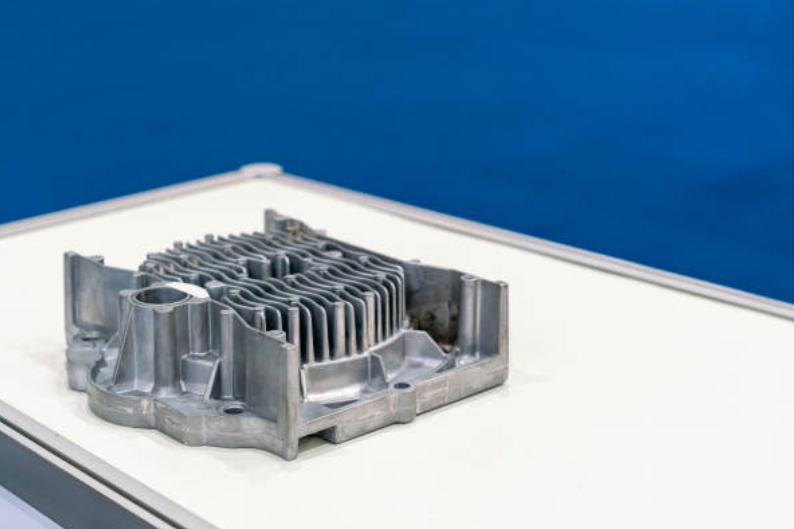
Zinc die casting is often ideal for intricate parts because zinc alloys can fill detailed die features and reproduce small geometry under controlled die casting conditions. This makes the process useful for connectors, latches, handles, frames, knobs, electronic housings, telecommunication hardware, and small mechanical brackets.
The precision benefit depends on design and process control. Buyers should not treat zinc die casting as a substitute for every machined tolerance. The best RFQ separates as-cast features, machined datum surfaces, cosmetic faces, plated areas, and inspection dimensions before tooling begins.
Intricate part feature | Why zinc die casting can help | RFQ detail buyers should define |
|---|---|---|
Thin walls and ribs | Zinc alloy flow can support compact wall sections when gate and vent design are suitable | Minimum wall sections, remote features, fill direction, and cosmetic requirements |
Bosses, clips, and latches | Die casting can form repeatable small functional features | Load direction, mating parts, snap-fit behavior, and durability requirements |
Threads and inserts | Zinc parts can integrate fastening features or support secondary operations | Thread standard, insert type, pull-out requirement, and inspection method |
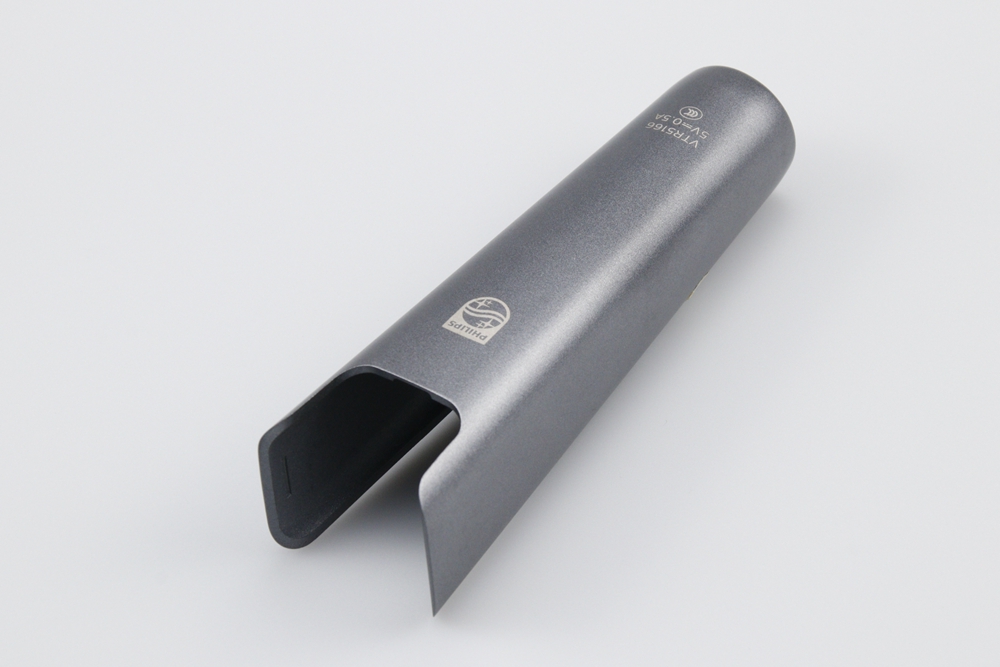
Cosmetic faces and logos | Zinc die casting can support decorative surfaces when tooling marks are controlled | Visible surfaces, parting line limits, ejector mark restrictions, and finish class |
Assembly datums | Repeatable die casting can support fit and alignment when datum features are designed clearly | Critical dimensions, datum scheme, tolerance stack, and inspection report format |
Which zinc die-cast features are common in precision components?
Common precision features include thin walls, ribs, bosses, hinge knuckles, latch hooks, connector slots, mounting holes, small pins, decorative textures, and integrated shielding or grounding features. These features appear in consumer electronics, telecommunication, automotive, lighting, and medical-device equipment parts.
Buyers should define which features are functional and which are cosmetic. A logo or texture has a different risk profile from a hinge, latch, threaded hole, or sealing surface. The supplier needs that distinction to review gate location, parting line, ejector marks, and finishing.
How do zinc alloys and die design support detailed parts?
Zinc alloy selection affects feature fill, strength, wear, finishing, and dimensional stability. Buyers may evaluate Zamak 3, Zamak 5, Zamak 7, ZA-8, or other zinc die casting alloys according to the part’s load, finish, and production requirements.
Die design is just as important as material choice. Gate position, venting, overflows, draft, wall balance, parting line, ejector layout, and cooling balance all influence whether intricate features fill consistently and release from the die without damage.
When do precision zinc die-cast parts still need machining or secondary operations?
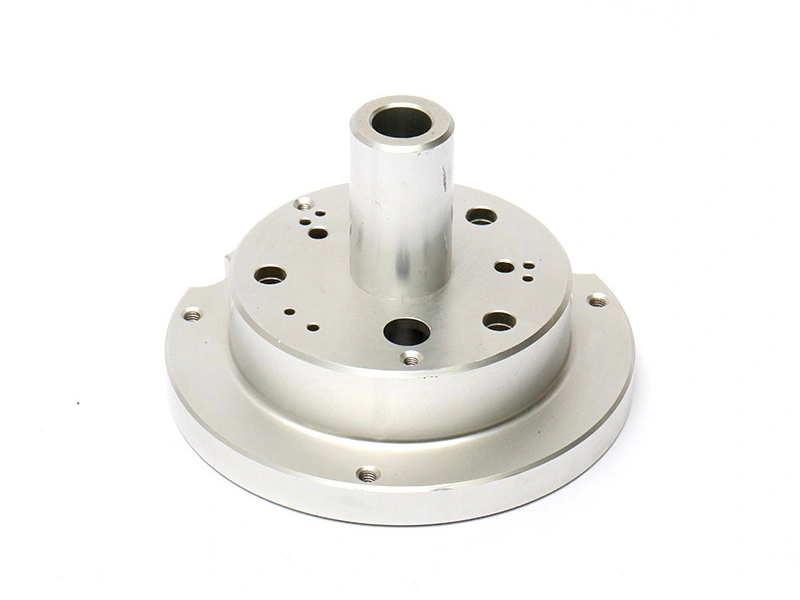
Precision zinc die-cast parts may still need CNC machining, tapping, reaming, deburring, polishing, plating, coating, or assembly. Machining may be needed for datum surfaces, bearing seats, tight holes, sealing surfaces, or features that are difficult to control as-cast.
The RFQ should separate features that can remain as-cast from features that must be machined or finished. This prevents a common quoting problem: assuming a fine die-cast feature can automatically meet the same requirement as a machined feature without added operations.
What inspection methods support intricate and precision zinc die-cast parts?
Inspection should match the precision risk. Dimensional inspection checks hole position, flatness, datums, thickness, and assembly interfaces. Visual inspection checks flow marks, flash, burrs, parting lines, ejector marks, and cosmetic surfaces. Functional inspection may be needed for clips, latches, hinges, threads, and mating parts.
Buyers should define critical-to-quality dimensions and sample approval requirements in the RFQ. If the component is used in medical-device equipment or another controlled application, the buyer should also clarify documentation and final validation responsibility.
What RFQ information helps zinc die casting suppliers quote precision parts?
A strong RFQ includes the 2D drawing, 3D model, target zinc alloy, annual quantity, production stage, critical dimensions, cosmetic surfaces, mating parts, finishing route, and inspection method. The buyer should mark parting-line restrictions, ejector mark restrictions, machined features, threaded features, and any functional areas that cannot accept flash or burrs.
These details let the supplier review whether the intricate part is suitable for zinc die casting, whether a design adjustment is needed, and whether machining or finishing should be quoted with the casting. That review improves the chance of stable production after tooling approval.
Related FAQs