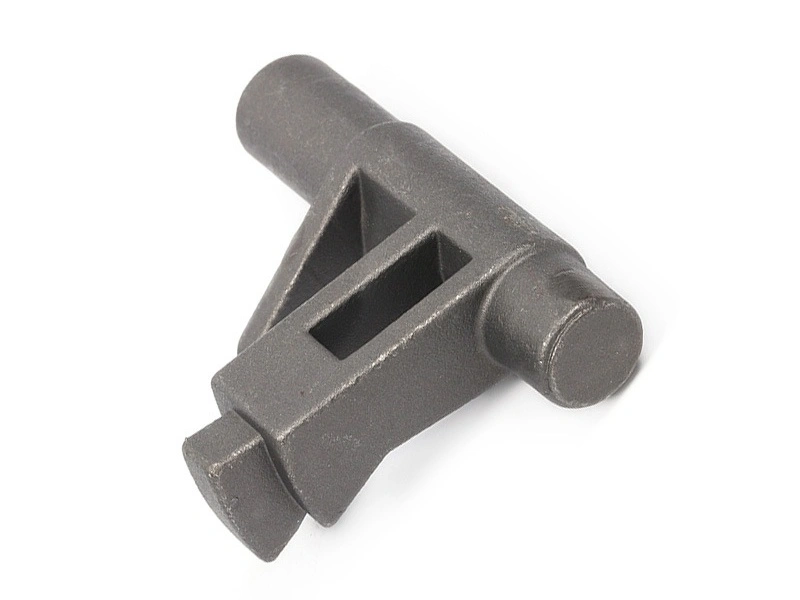
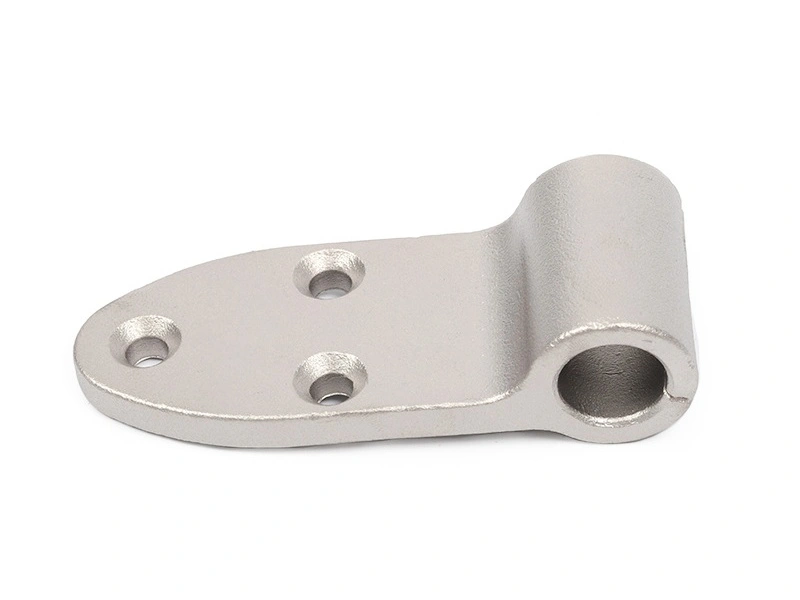
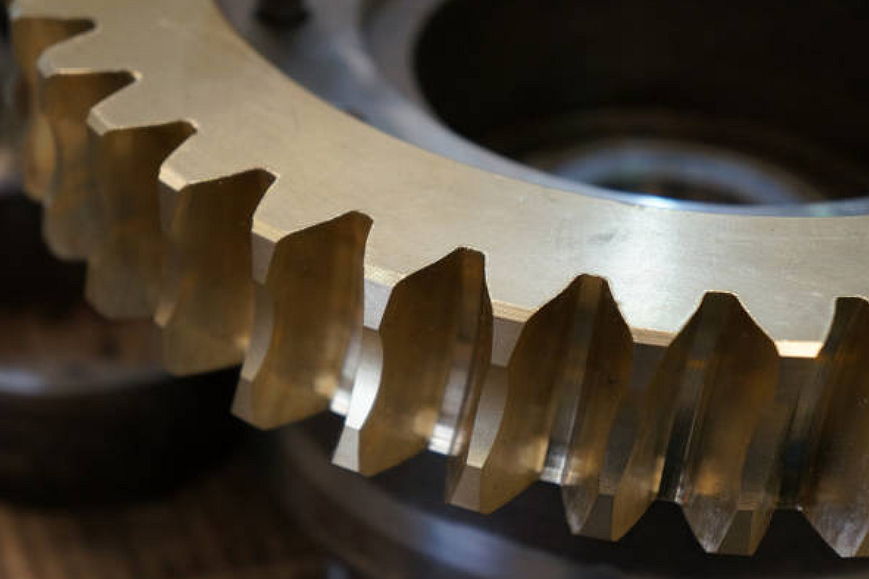
What precision casting services usually include?
Precision casting services usually include process selection, DFM review, tooling support, casting production, secondary machining, surface finishing, dimensional inspection, and production release for custom metal parts. The practical RFQ problem is to decide whether die casting, investment casting, sand casting, or a combined route can meet the buyer's material, geometry, tolerance, surface, volume, and delivery requirements.
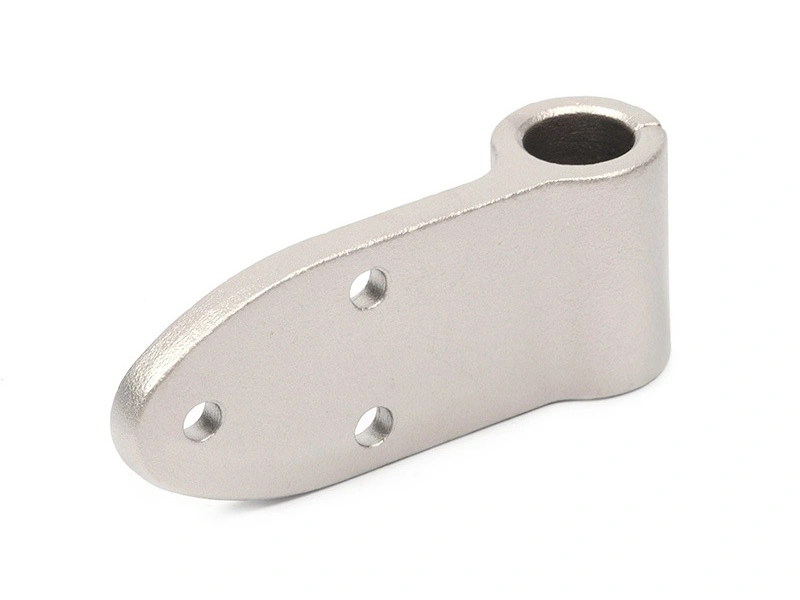
What does a precision casting service package include?
A precision casting service package usually includes more than the casting operation itself. Buyers typically need engineering review, casting route selection, mold or pattern planning, material selection, casting production, trimming or gate removal, heat treatment when required, CNC machining, surface finishing, and inspection documentation.
The exact service scope depends on the part. A die-cast aluminum housing, an investment-cast stainless steel bracket, a sand-cast iron body, and a zinc die-cast component do not use the same tooling, tolerances, surface expectations, or production volume. A useful RFQ should define the finished part requirement rather than only asking for a casting price.
Precision Casting Service Element | Buyer Question It Answers | RFQ Information Needed |
|---|---|---|
Process selection | Which casting route fits the part geometry, material, and volume? | Part size, alloy, annual volume, tolerance, and application |
DFM and tooling support | Can the part be cast, fed, cooled, released, and controlled? | 3D CAD, 2D drawing, wall thickness, ribs, bosses, draft, and parting concerns |
Casting production | How will the part be formed in metal? | Selected process, material grade, batch size, and quality criteria |
Machining and finishing | Which features need post-casting accuracy or surface condition? | Machined datums, holes, threads, roughness, coating, and finish zones |
Inspection and reporting | How will the released casting be verified? | Critical dimensions, CMM report, sampling plan, and visual acceptance criteria |
How do die casting, investment casting, and sand casting fit different RFQs?
Die casting is usually considered when buyers need repeat production, thin walls, good productivity, and nonferrous alloys such as aluminum or zinc. The tooling investment is higher, so die casting often makes more sense when the annual volume can support the mold cost.
Investment casting is usually considered when buyers need complex geometry, broader alloy choice, and finer detail than many sand casting routes can provide. Investment casting can support stainless steel, carbon steel, alloy steel, and some high-temperature alloy parts, but the RFQ still needs realistic tolerance and finishing expectations.
Sand casting is usually considered when the part is larger, lower volume, or made from materials and geometries that fit sand mold production. Sand casting can support cast iron, cast steel, aluminum, and other alloys, but buyers should expect different surface and tolerance conditions than die casting or investment casting.
For route comparison, see how to choose between die casting, investment casting, and sand casting and differences between die casting and investment casting.
What tooling and DFM support are included before casting?
Tooling and DFM support usually include review of wall thickness, draft, parting line, gating, risers, feed paths, cooling, shrinkage, machining allowance, fixture needs, and expected distortion. The goal is to identify casting risks before tooling is built or production starts.
For die casting, DFM may focus on mold design, ejection, venting, parting line, and thin-wall flow. For investment casting, DFM may focus on wax pattern, shell, gate design, alloy flow, shrinkage, and heat treatment. For sand casting, DFM may focus on pattern design, core design, mold stability, risers, and machining allowance.
Buyers should provide the 3D CAD file, 2D drawing, material grade, target quantity, critical dimensions, and application environment so Neway can define the casting route and tooling scope. A related supplier-selection topic is materials, tolerances, and part geometry that affect supplier selection.
Which machining, finishing, and inspection steps are included after casting?
Precision casting services often include secondary operations after the raw casting is produced. Common post-casting work may include gate removal, trimming, shot blasting, heat treatment, CNC machining, drilling, tapping, grinding, polishing, coating, painting, anodizing for cast aluminum, and packaging.
Machining is added when cast features require tighter dimensions, datums, flatness-related control, threads, bores, sealing faces, or assembly interfaces. Finishing is added when the casting needs corrosion protection, appearance control, surface texture, wear behavior, or customer-facing cosmetic quality.
Inspection is the release step that confirms the casting meets the drawing and buyer requirements. Depending on the part, inspection may include visual checks, dimensional measurement, CMM inspection, gauge checks, surface review, material confirmation, or defect inspection. For measurement context, see dimensional inspection for custom parts with CMM.
How do materials, tolerances, geometry, and volume change the casting route?
Material selection changes the casting route because aluminum, zinc, carbon steel, stainless steel, cast iron, copper alloy, titanium, magnesium, and nickel-based alloys do not use the same process window or tooling economics. Buyers should provide the required alloy grade or the performance target if the grade is open for recommendation.
Tolerance and geometry also change the route. Thin-wall aluminum housings may point toward die casting, complex stainless steel shapes may point toward investment casting, and larger structural parts may point toward sand casting or another route. Critical machined features should be identified separately from as-cast surfaces.
Production volume affects tooling and unit cost. High-volume programs may justify hard tooling and more automated production. Lower-volume or larger parts may need a route with lower tooling investment but different tolerance and surface expectations. For tolerance planning, see what tolerances precision casting services can typically achieve and tolerance standards of precision casting.
Buyer Requirement | Likely Casting-Service Impact | What to State in the RFQ |
|---|---|---|
High annual volume | May justify die casting tooling or a more production-oriented route | Annual forecast, first order quantity, and production life |
Complex steel geometry | May point toward investment casting plus machining | Alloy grade, wall thickness, critical features, and heat treatment |
Large structural part | May require sand casting, cores, machining allowance, and fixture planning | Part size, weight, load path, and machined surfaces |
Tight functional tolerance | May require machining and CMM inspection after casting | Datums, GD&T, machined dimensions, and report needs |
Decorative or corrosion-resistant finish | May require polishing, coating, anodizing, painting, or passivation | Visible zones, exposure environment, and finish acceptance criteria |
What RFQ information helps Neway define the casting service scope?
Neway can define the casting service scope more accurately when the RFQ includes the 3D CAD file, 2D drawing, alloy grade, part size, target weight, annual volume, first order quantity, application, critical dimensions, GD&T, machined features, surface finish, heat treatment, inspection reports, packaging requirements, and delivery expectations.
Buyers should also state the decision being made. If the buyer is choosing between die casting, investment casting, and sand casting, the RFQ should show volume, material, tolerance, and geometry priorities. If the buyer needs a finished casting, the RFQ should include machining, finishing, inspection, and packaging requirements, not only the raw casting model.
A precision casting service is most useful when the supplier can connect the process route to the finished part requirement. That connection helps the buyer compare manufacturability, cost drivers, tolerance control, secondary operations, and release evidence before tooling or production begins.
Related FAQs
How should buyers choose between die casting, investment casting, and sand casting?
What are the differences between die casting and investment casting?
How do materials, tolerances, and part geometry affect supplier selection?
What tolerances can precision casting services typically achieve?
Which precision casting services support custom metal parts?
Can Neway provide a full casing solution from prototype to mass production?