Can you provide a full casing solution from prototype to mass production?
Neway can support a casing project from prototype to mass production when the buyer provides the functional requirements, material targets, casing geometry, validation plan, and production volume early. This FAQ explains how Neway reviews plastic injection molded shells, precision-cast or die cast structural frames, overmolded grips, sealed interfaces, inserts, surface finishing, tooling, pilot production, and quality control for tool casings, lock housings, outdoor enclosures, and handheld device covers. The practical RFQ problem is to define which casing functions must be validated before tooling and which controls must carry into mass production.
What does a full casing solution include?
A full casing solution includes design review, material selection, process selection, prototype validation, tooling development, pilot production, surface finishing, assembly support, inspection planning, and mass production control. The scope should be defined by the buyer before quotation.
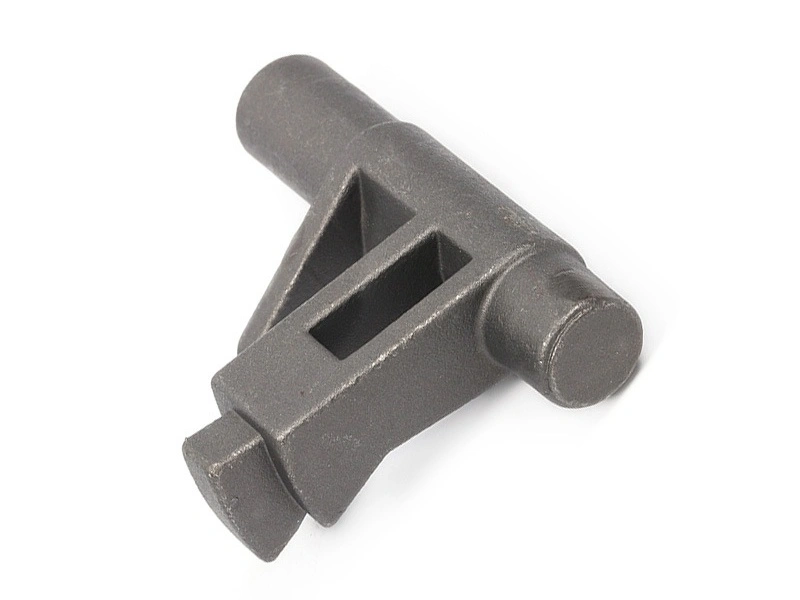
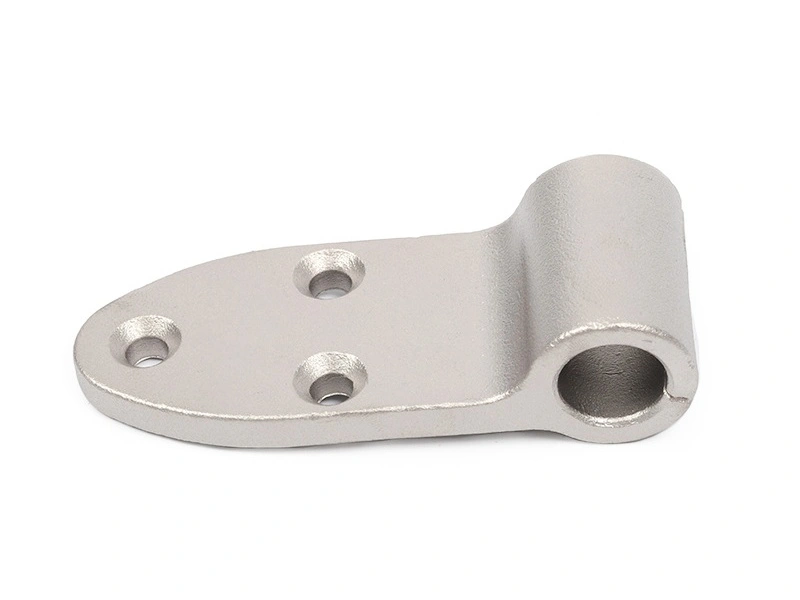
For casing projects, precision casting may support metal frames, latches, brackets, or structural supports, while plastic injection molding may support shells, covers, handles, and insulation zones. Overmolding may support grips, seals, bumpers, and cable strain relief. Neway reviews these processes together when the casing needs durability, waterproofing, ergonomic handling, and controlled assembly fit.
Casing solution stage | Buyer question answered | Output needed before next stage |
|---|---|---|
Feasibility and DFM | Can the casing meet load, sealing, and assembly requirements? | Updated CAD, material direction, and process route |
Prototype validation | Does the casing fit, seal, and survive functional tests? | Test results, design changes, and tooling approval |
Tooling and pilot production | Can the process produce repeatable parts? | Sample approval, inspection plan, and process window |
Mass production | Can quality remain consistent at volume? | Production control plan, traceability, and final inspection records |
How does feasibility review define the casing architecture?
Feasibility review defines the casing architecture by separating structural zones, sealing zones, grip zones, cosmetic zones, heat zones, and assembly zones. This prevents the buyer from using one material or one process for every function when a zoned design would be more practical.
Neway reviews wall thickness, ribs, bosses, snap fits, gasket grooves, cable exits, latch features, drop corners, screw locations, metal inserts, and parting lines. The RFQ should identify whether the casing needs IP protection, drop resistance, chemical resistance, heat resistance, electrical insulation, or ergonomic grip. These requirements guide material and process selection before samples are made.
How do prototypes validate casing function before tooling?
Prototypes validate casing function by checking fit, hand feel, sealing, drop response, screw boss strength, latch performance, cable routing, and assembly alignment before production tooling. The prototype route should match the decision being tested.
Prototyping can support appearance samples, fit samples, CNC machined samples, 3D printed models, rapid molded parts, or assembled functional prototypes. If the casing requires IP testing, overmolding, or cast metal inserts, the prototype plan should state how closely the sample represents the final material, seal, and process. Prototype results should feed back into the production CAD before tooling release.
How are material and process routes selected for casings?
Material and process routes are selected by load path, impact requirement, sealing target, appearance, cost, and production volume. A casing may combine plastic, cast metal, MIM inserts, and overmolded elastomer zones in one assembly.
Plastic options may include ABS, ABS-PC, polycarbonate, nylon, and PC-PBT. Metal options may include precision-cast supports, aluminum die cast frames, or MIM inserts for local strength. Elastomer options may include TPE or TPV, TPU, or silicone rubber for grip and sealing.
Casing function | Possible route | Validation focus |
|---|---|---|
Outer shell | Plastic injection molding | Drop test, warpage, boss strength, and appearance |
Structural frame or bracket | Precision casting, aluminum die casting, or machined metal | Load test, dimensional fit, and corrosion protection |
Grip or seal | Overmolding or separate elastomer part | Bonding, wear, IP test, and chemical exposure |
Threaded or wear insert | MIM, insert molding, or assembled metal insert | Pull-out, torque, wear, and retention method |
How do tooling, pilot production, and quality control connect?
Tooling and pilot production connect design intent to repeatable mass production. Tooling should lock the parting line, gate location, shrinkage plan, inserts, slides, texture, sealing surfaces, and inspection datums before production sampling.
Pilot production should confirm dimensions, sealing, drop response, cosmetic quality, assembly force, overmold bonding, and functional performance. Surface finishing should be included in the same approval route when coating, texture, painting, polishing, or corrosion protection affects final performance. Quality control should include critical dimensions, visual criteria, functional tests, lot traceability, and reaction rules for nonconforming parts.
What RFQ details help Neway plan prototype to mass production?
An RFQ should include 3D CAD, 2D drawings, casing function, target material, metal insert requirement, overmold requirement, IP rating, drop requirement, grip requirement, cosmetic standard, surface finish, assembly interface, sample quantity, pilot quantity, annual volume, validation plan, inspection method, and packaging requirement. These details allow Neway to plan prototypes, tooling, pilot production, mass production, and assembly support in one casing program.
The buyer should also identify which approval gate controls the project: fit, drop, IP sealing, material approval, cosmetic standard, assembly force, cost, or production volume. That gate helps Neway focus the development route on the real program risk.
Related FAQs
How can plastic housings achieve IP67-level dustproof and waterproof protection?
What advantages does overmolding offer over traditional assembly methods?
How to choose plastic material for tool casings under cost limits?
What materials and processes suit high-impact environments with frequent drops?
What tests should be performed on functional prototype parts?
How do prototype metal parts reduce production risk before tooling?
From prototype to mass production, what support can Neway provide for a smooth transition?
When to select overmolding for plastic injection molding projects?