How to choose the best plastic material for tool casings under cost limits?
Tool casing plastic material should be chosen by performance zone, cost limit, drop requirement, screw boss load, heat exposure, chemical exposure, grip requirement, and production volume. This FAQ explains how Neway reviews plastic injection molding, overmolding, precision-cast or metal inserts, surface finishing, and prototype testing for power tool shells, lock casings, handheld device covers, battery covers, and protective housings. The practical RFQ problem is to choose a plastic material route that meets impact and assembly requirements without using high-cost resin in every area of the casing.
Which performance zones should buyers map before choosing plastic?
Buyers should map high-load zones, impact zones, screw bosses, latch features, grip zones, cosmetic surfaces, sealing surfaces, and heat zones before selecting resin. A tool casing rarely needs the same plastic performance across the whole part.
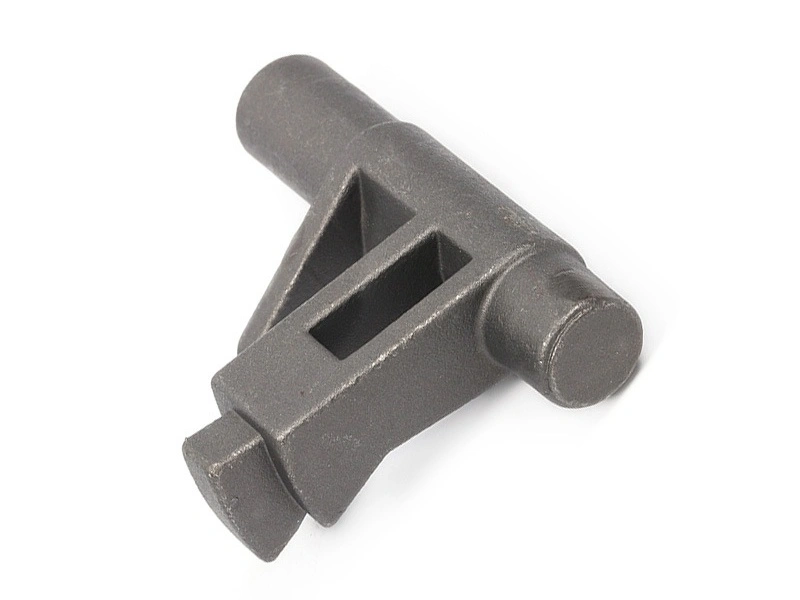
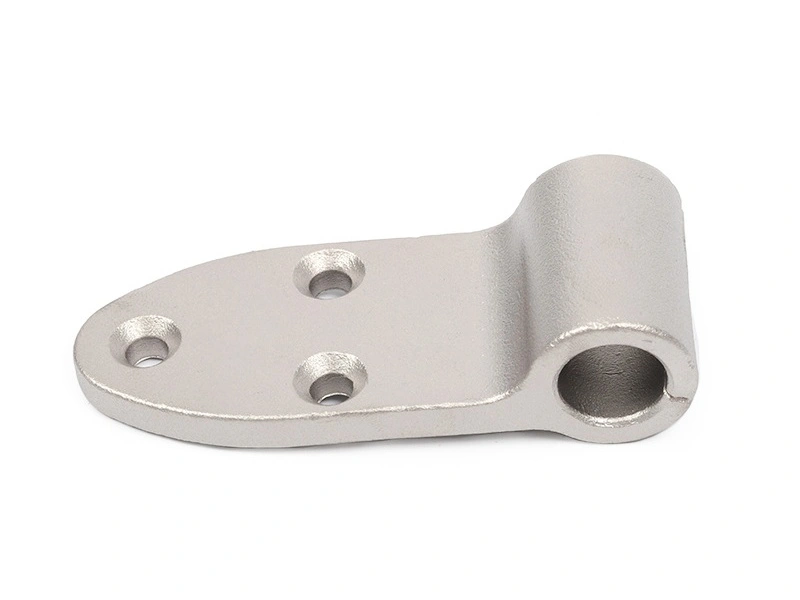
For tool casings, plastic injection molding can support ribbed shells, covers, handles, and protective structures. If the design includes a load-bearing metal frame, hinge, latch, or insert, precision casting, MIM, or another metal process may be reviewed for that zone instead of raising the resin grade for the entire casing.
Tool casing zone | Material risk if under-specified | RFQ input needed |
|---|---|---|
Drop corners and outer shell | Cracking, whitening, or permanent deformation | Drop condition, impact direction, wall thickness, and rib layout |
Screw bosses and inserts | Boss cracking, thread pull-out, and clamp loss | Fastener size, torque, insert type, and pull-out test |
Grip and user interface | Poor handling, vibration, and surface wear | Grip material, texture, wear test, and overmold requirement |
Heat or chemical exposure area | Softening, swelling, chemical attack, or dimensional drift | Temperature, cleaning chemical, oil exposure, and test condition |
Which plastic material tiers should buyers compare?
Buyers should compare materials by impact resistance, heat exposure, moisture response, stiffness, chemical resistance, appearance, and cost. The right material may be a lower-cost resin with better rib design, or a higher-performance resin only in the zone that needs it.
Common casing material candidates include ABS, ABS-PC, polycarbonate, nylon, PC-PBT, PBT, and polypropylene. The buyer should also define color, texture, UV exposure, flame requirement, recycled content limits, and cosmetic standard because these factors affect material availability and production cost.
When should metal inserts or frames replace expensive resin?
Metal inserts or frames may be more practical when only a small area needs high strength, wear resistance, thread durability, or precise alignment. Raising the entire casing material grade may not solve a local load issue efficiently.
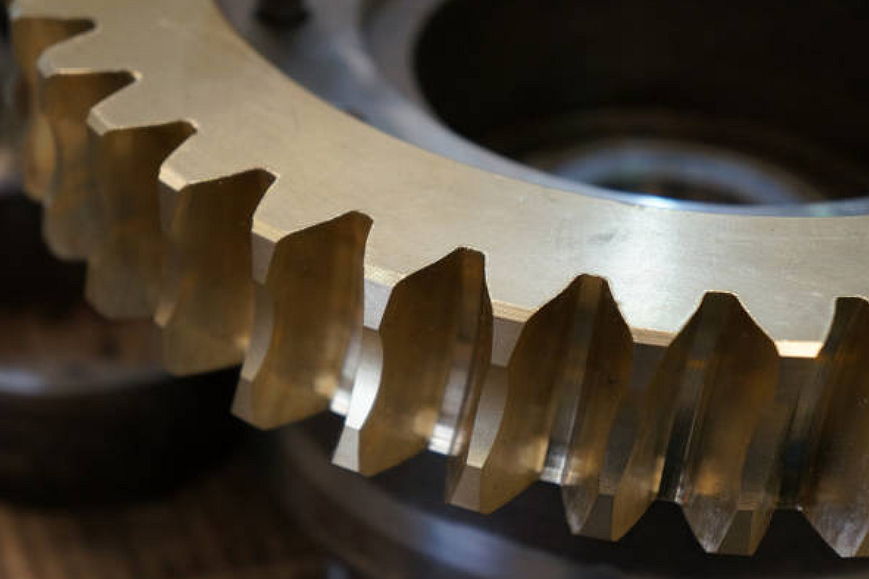
Metal injection molding can support small metal latches, inserts, gears, sleeves, and lock parts. Precision casting or aluminum die casting may be reviewed for metal frames, brackets, hinges, or structural supports. The RFQ should identify whether the metal feature is overmolded, insert molded, mechanically fastened, or assembled separately, because each method changes tooling and testing.
Cost-control choice | When it helps | Manufacturing review point |
|---|---|---|
Lower-cost resin plus ribs | General cover areas with moderate impact requirements | Wall thickness, rib ratio, warpage, and drop test |
Higher-grade resin in selected parts | Heat, chemical, or high-load zones that cannot be redesigned | Material compatibility, molding shrinkage, and assembly fit |
Metal insert or frame | Threads, hinges, gear support, latch load, or bearing alignment | Insert retention, tolerance, corrosion, and overmold or assembly method |
Overmolded grip or pad | Grip, vibration damping, edge protection, or sealing zone | Material bonding, thickness, wear, and peel test |
When does overmolding add value under cost limits?
Overmolding adds value when it replaces separate grip parts, gaskets, bumpers, cable strain relief, or soft protective pads. It should be used only where the second material improves function enough to justify added tooling and process complexity.
Overmolding can use materials such as TPE or TPV, TPU, or silicone rubber for grip, sealing, impact pads, and strain relief. The RFQ should define bonding, mechanical lock, peel resistance, wear, texture, and cleaning exposure when overmolding is part of the cost plan.
How do design, surface finish, and testing prevent over-specification?
Design, surface finish, and testing prevent over-specification by showing which material properties are truly required. Better ribs, smoother transitions, protected bosses, localized inserts, or an applied finish may solve a problem without upgrading every casing wall.
Surface finishing may support texture, scratch resistance, cleaning response, UV exposure, and appearance. Prototyping can compare resin grades, rib layouts, wall thickness, overmolded grips, and metal inserts before production tooling. Useful tests may include drop testing, screw boss torque, pull-out, heat aging, chemical exposure, grip wear, and functional assembly checks.
What RFQ details help Neway select cost-controlled tool casing material?
An RFQ should include 3D CAD, 2D drawing, target cost limit, annual volume, drop requirement, screw torque, grip requirement, heat exposure, chemical exposure, UV exposure, flame requirement, cosmetic standard, material preference, overmold requirement, metal insert requirement, sample quantity, and validation method. These details let Neway compare plastic material tiers, rib design, metal inserts, overmolding, surface finish, and testing together.
The buyer should also identify the main tradeoff: lowest material cost, impact resistance, heat resistance, chemical resistance, appearance, grip comfort, or tooling cost. That priority helps Neway choose a practical casing material strategy.
Related FAQs
What lightweight materials offer strong anti-prying and impact resistance?
How to design locks that balance weight reduction with strength and durability?
What materials and processes suit high-impact environments with frequent drops?
How to match structural components with the right lightweight materials?
What factors should be considered when selecting materials for overmolding?
How can plastic housings achieve IP67-level dustproof and waterproof protection?
What tests should be performed on functional prototype parts?