What factors should be considered when selecting materials for Over Molding?
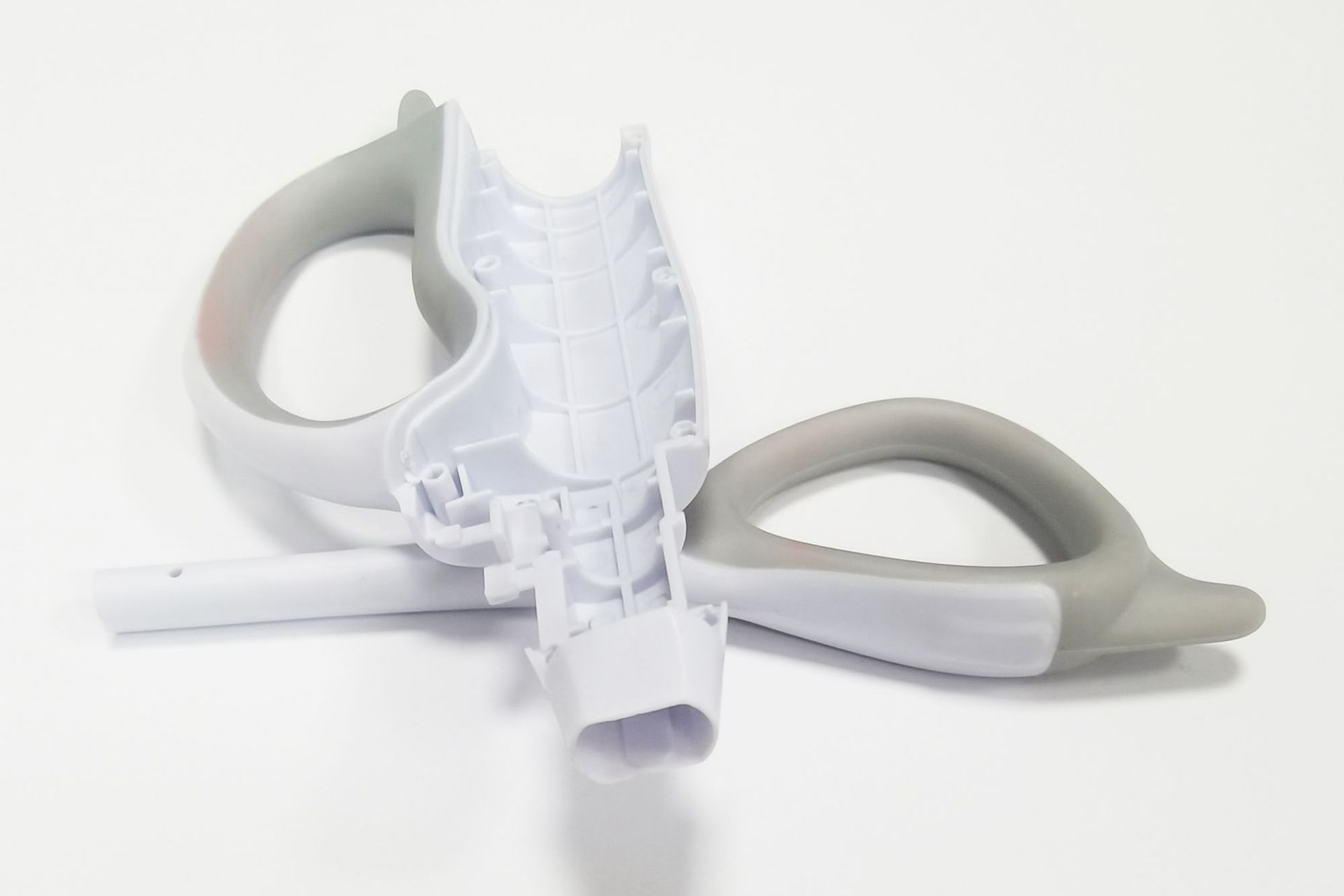
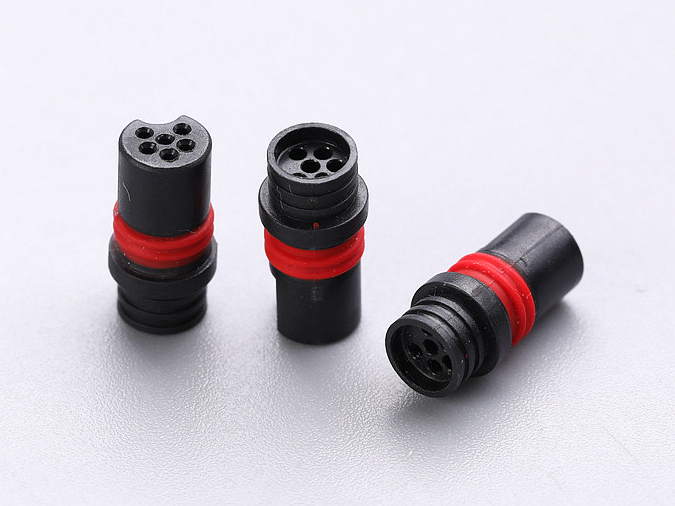
Material selection for overmolding should consider substrate compatibility, overmold hardness, bond strength, melt temperature, shrinkage, chemical exposure, wear, sealing, ergonomics, appearance, regulatory requirements, and production volume. This FAQ helps buyers choose material pairs for overmolded handles, grips, housings, buttons, switches, cable connectors, medical-device equipment interfaces, automotive controls, and industrial parts in an RFQ.
What factors should be considered when selecting materials for Over Molding?
The most important factors are the substrate material, the overmold material, how the two materials bond, and what the finished product must do. Overmolding depends on both material chemistry and part geometry, so buyers should evaluate adhesion, mechanical locking, process temperature, durability, surface finish, and operating environment together.
A good material pair for a soft-touch handle may not work for a sealed connector, medical-device equipment grip, automotive switch, or chemical-resistant industrial cover. The RFQ should define the functional requirement before materials are finalized.
Material selection factor | Why it matters | Manufacturing risk | RFQ detail to provide |
|---|---|---|---|
Substrate compatibility | Controls chemical bond, mechanical lock, and long-term adhesion | Peeling, delamination, gaps, weak bond, or poor sealing | Substrate grade, overmold grade, bond test, and allowed alternatives |
Overmold hardness | Controls grip feel, cushioning, deformation, and assembly behavior | Too soft, too hard, poor tactile feel, or compression damage | Hardness target, user contact zone, load, and wear expectation |
Processing temperature | Overmold melt temperature must not damage or distort the substrate | Warping, substrate softening, burn marks, or poor flow | Substrate heat resistance, wall thickness, and molding sequence |
Environmental exposure | Materials must tolerate oils, cleaners, sweat, UV, water, heat, or chemicals | Swelling, cracking, discoloration, hardening, or loss of bond | Chemicals, temperature range, outdoor use, and cleaning method |
Surface and appearance | Material affects color, texture, gloss, transparency, and tactile finish | Color mismatch, flow marks, gloss variation, or texture problems | Color standard, texture, visible surfaces, and approval samples |
Compliance and validation | Some applications require material documentation, restricted substances, or buyer testing | Material not accepted for final application or cleaning process | Industry requirement, documentation, test standard, and approval process |
How do substrate and overmold compatibility affect material choice?
Compatibility affects whether the overmold bonds chemically, locks mechanically, or risks peeling away from the substrate. Common substrates include ABS, PC, PC/ABS, nylon, PP, PBT, and metal inserts. Common overmold materials include TPE, TPU, TPV, and silicone-like elastomers.
If chemical bonding is uncertain, mechanical locks, undercuts, holes, texture, or geometry changes may be needed. The RFQ should state whether a peel test, pull test, or functional bond test is required.
How do hardness, elasticity, and thickness affect overmold performance?
Hardness, elasticity, and thickness control how the overmold feels and performs. A softer material may improve grip and cushioning but can deform under load. A harder material may improve wear resistance but may feel less comfortable.
Buyers should define the intended function: grip, sealing, vibration damping, impact protection, insulation, or cosmetic contrast. The overmold thickness and geometry should support that function rather than simply covering the substrate.
How do temperature, chemicals, and cleaning affect material selection?
Temperature, chemicals, and cleaning can change overmold behavior over time. Oils, disinfectants, sweat, UV exposure, water, fuel, detergents, and heat may cause swelling, cracking, discoloration, hardening, or bond loss in some materials.
The RFQ should describe the real operating environment. A consumer electronics grip, automotive knob, medical-device equipment handle, and outdoor connector do not face the same exposure risks.
How do aesthetic and ergonomic goals change overmolding materials?
Aesthetic goals affect material selection through color, gloss, texture, softness, transparency, and visible bond lines. Ergonomic goals affect material selection through grip, tactile feel, pressure distribution, vibration damping, and contact comfort.
Buyers should provide color standards, texture references, visible-surface maps, target hardness, and grip areas. These details help the supplier place gates, shutoffs, and parting lines away from critical user-facing surfaces.
What manufacturing design risks should be reviewed before tooling?
Design risks include weak bonding area, thin overmold sections, poor shutoff surfaces, trapped air, flash near functional zones, sharp transitions, incompatible melt temperatures, and insufficient mechanical lock. These risks affect both material selection and mold design.
DFM review should happen before tooling. Buyers should allow changes to substrate geometry, overmold thickness, texture, radii, and bonding features when those changes improve manufacturability.
What RFQ information helps select overmolding materials?
A useful RFQ includes 3D model, 2D drawing, substrate material, overmold material preference, hardness, texture, color, operating environment, cleaning exposure, bond-strength requirement, cosmetic surfaces, tolerance, production volume, test standards, and documentation requirements.
With those details, the supplier can recommend material pairs, bonding strategy, tool design, and validation steps. Material selection should be tied to product function, not only to a desired feel or color.
Related FAQs
What types of materials can be effectively used in over molding?
Which materials are best suited for the overmolding process?
What are the best materials to use in over molding for aesthetic purposes?
Are there any specific design considerations to consider when planning for overmolding production?
Are there any limitations or challenges associated with overmolding?