What are the best materials to use in Over Molding for aesthetic purposes?
The best materials for aesthetic overmolding depend on the product's visual surface, soft-touch feel, color stability, texture, bond strength, wear resistance, cleaning exposure, and substrate compatibility. This FAQ helps buyers select overmolding materials for consumer electronics housings, medical-device equipment grips, buttons, handles, control knobs, covers, and multi-material plastic parts when the RFQ must balance appearance with function.
What are the best materials to use in Over Molding for aesthetic purposes?
There is no single best material for every aesthetic overmolding project. Common choices include TPE, TPU, TPV, silicone-like elastomers, ABS, PC, PC/ABS, nylon, and other compatible thermoplastics. The right pair depends on the substrate, required feel, color, texture, surface durability, and bonding method.
Buyers should define the aesthetic target before selecting materials. A matte soft-touch grip, glossy electronics bezel, translucent button, color-coded medical-device interface, and textured power-tool handle each require different material and mold-surface decisions.
Aesthetic requirement | Material choice to review | Manufacturing risk | RFQ detail to define |
|---|---|---|---|
Soft-touch feel | TPE, TPU, TPV, or silicone-like elastomer over rigid plastic | Hardness mismatch, poor bond, tacky feel, or wear marks | Target hardness, texture, contact area, and cleaning exposure |
High cosmetic appearance | ABS, PC, PC/ABS, or nylon substrate with compatible overmold layer | Flow lines, gate marks, parting lines, flash, or color variation | Cosmetic side, color standard, gloss level, and allowed gate location |
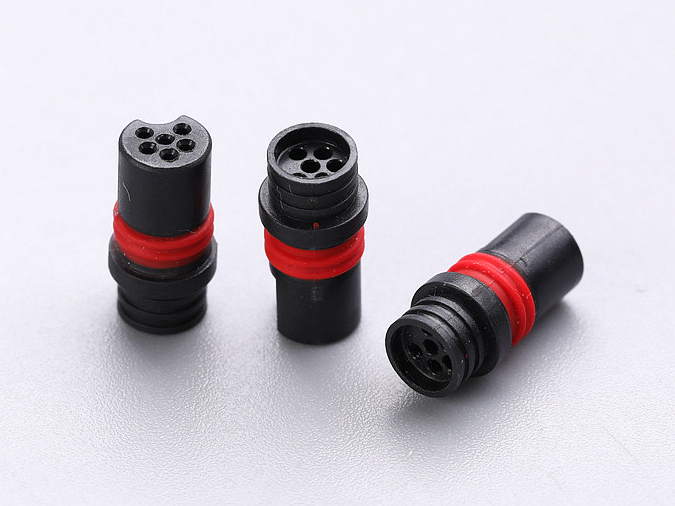
Color contrast or branding | Color-matched elastomer, rigid substrate, or two-material contrast design | Color mismatch, bleed-through, inconsistent batches, or UV change | Color code, masterbatch requirement, UV exposure, and approval samples |
Transparent or translucent appearance | PC or selected clear substrate with carefully chosen overmold | Haze, stress marks, flow marks, and bond-line visibility | Optical zone, transparency need, surface finish, and scratch criteria |
Texture and grip pattern | Elastomeric surface with molded texture, ribs, or local grip geometry | Texture mismatch, difficult ejection, dirt retention, or cleaning issues | Texture standard, grip pattern, cleaning method, and visible surfaces |
Wear and stain resistance | Material pair selected for abrasion, oils, cleaners, sweat, and handling | Surface polishing, discoloration, cracking, or peeling | Use environment, chemical contact, wear test, and expected life |
Which soft-touch materials are common for aesthetic overmolding?
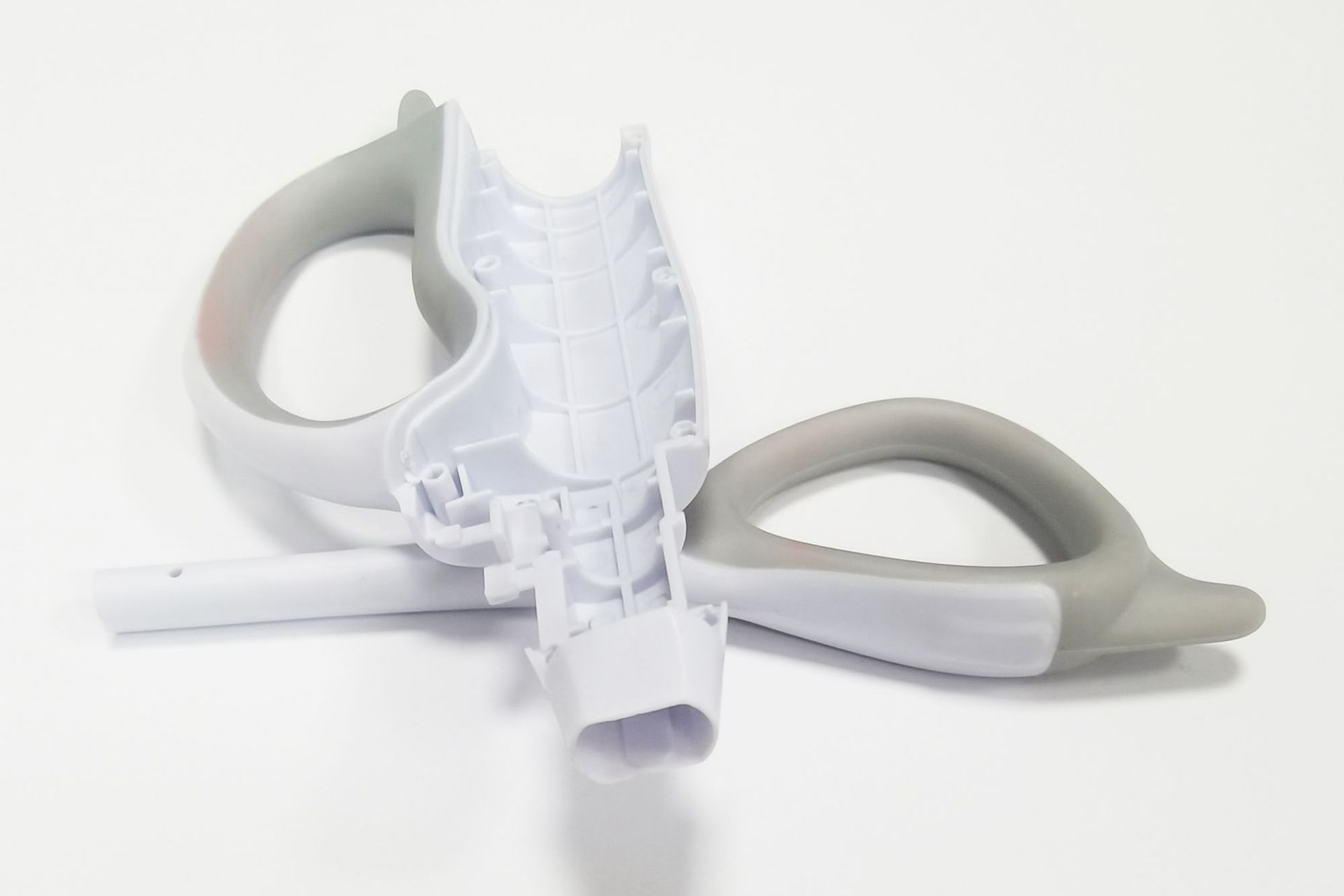
TPE, TPU, TPV, and silicone-like elastomers are common choices for soft-touch overmolded surfaces. These materials can provide grip, cushioning, color contrast, and tactile comfort when bonded or mechanically locked to a compatible substrate.
The RFQ should define hardness, surface texture, color, hand-contact zones, and cleaning conditions. A soft material that feels good in a sample may still need wear, bond, and chemical-resistance review before production.
Which rigid substrates support aesthetic overmolding?
Rigid substrates for aesthetic overmolding often include ABS, PC, PC/ABS, nylon, PBT, and selected engineering plastics. These substrates provide shape, strength, and dimensional stability while the overmold provides the visual or tactile layer.
Substrate selection affects bond strength, surface appearance, heat resistance, and molding stability. Buyers should state whether the substrate is structural, cosmetic, transparent, chemically exposed, or hidden inside the overmolded assembly.
How do color, texture, and gloss affect material selection?
Color, texture, and gloss affect material selection because overmolded surfaces are often user-facing. Some materials accept color matching, matte texture, or molded patterns more easily than others. High-gloss or transparent surfaces need stricter control of gates, flow marks, and handling.
Buyers should provide color standards, texture references, acceptable gloss range, and visible-surface maps. If cosmetic approval samples are required, that should be included in the RFQ.
How do bonding and material compatibility affect aesthetic results?
Bonding and compatibility affect aesthetic results because peeling, gaps, flash, poor adhesion, or material bleed can ruin both function and appearance. Some material pairs chemically bond more easily, while others need mechanical locks, surface preparation, or geometry changes.
The overmold design should include adequate bonding area, compatible melt temperature, clean shutoff surfaces, and controlled overmold thickness. Buyers should identify any peel, pull, or durability tests required for approval.
What aesthetic overmolding risks should buyers review before tooling?
Buyers should review gate marks, flash lines, parting lines, weld lines, flow marks, texture mismatch, color variation, scratches, gloss differences, and visible bond lines. These risks should be discussed before tooling because cosmetic defects can be difficult to hide after the mold is built.
DFM review should include cosmetic surfaces, substrate geometry, material pair, gate location, overmold thickness, and ejection. Clear cosmetic standards reduce subjective approval problems later.
What RFQ information helps select aesthetic overmolding materials?
A useful RFQ includes 3D model, 2D drawing, substrate material, overmold material preference, hardness, color standard, texture, gloss, visible surfaces, chemical exposure, UV exposure, wear requirement, cleaning method, bond-strength requirement, and cosmetic approval process.
With those details, the supplier can recommend a material pair that supports the desired appearance and manufacturing route. Aesthetic overmolding succeeds when visual design, tactile feel, bonding, and molding feasibility are evaluated together.
Related FAQs
What factors should be considered when selecting materials for over molding?
What types of materials can be effectively used in over molding?
Are there any specific design considerations to consider when planning for overmolding production?
Are there any limitations or challenges associated with overmolding?