How does Over Molding enhance ergonomic design?
Overmolding enhances ergonomic design by adding a controlled soft-touch, textured, protective, or vibration-damping material over a rigid substrate. This FAQ helps buyers evaluate overmolded handles, grips, buttons, switches, medical-device equipment interfaces, power-tool housings, consumer electronics covers, and automotive controls when an RFQ must improve comfort, grip, user control, durability, and cleanability.
How does Over Molding enhance ergonomic design?
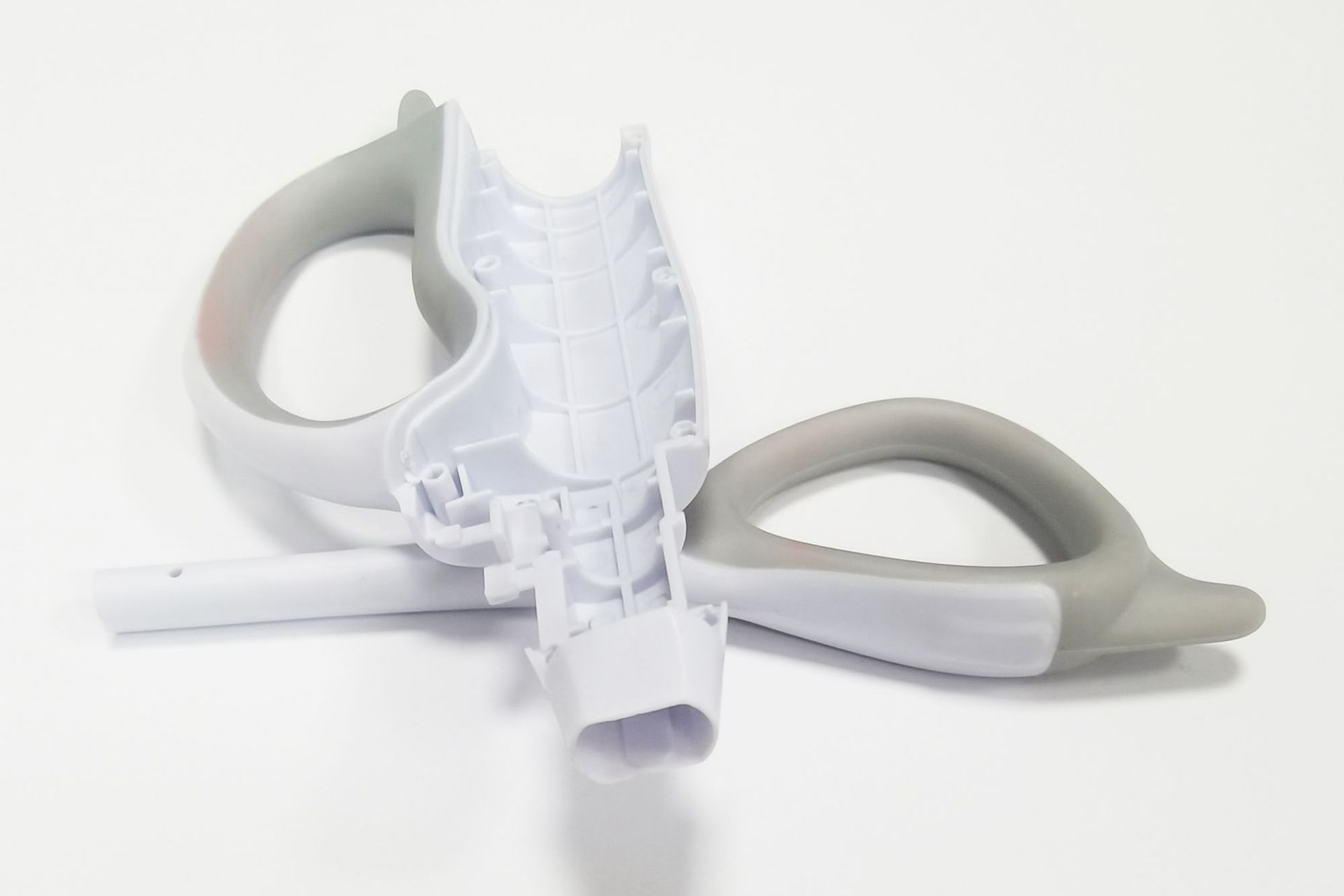
Overmolding enhances ergonomic design by combining a structural substrate with a softer or textured overmold material. The substrate provides stiffness and dimensional support, while the overmold can improve grip, cushioning, edge protection, tactile feedback, insulation, sealing, or vibration damping.
Buyers should define the ergonomic goal before selecting materials. A non-slip grip, a soft medical-device interface, a damped power-tool handle, and a sealed electronics button require different hardness, texture, thickness, and bond requirements.
Ergonomic requirement | Overmolding design response | Product examples | RFQ detail to define |
|---|---|---|---|
Grip and slip resistance | Soft-touch elastomer, texture, raised pattern, or local grip zones | Power-tool handles, control knobs, handheld instruments, consumer devices | Texture, hardness, use environment, glove use, and cleaning exposure |
Comfort during repeated use | Cushioning layer, rounded transitions, and pressure-distribution geometry | Handles, grips, triggers, medical-device equipment interfaces | Contact area, overmold thickness, hand-contact zones, and use duration |
Vibration damping | Elastomeric overmold between hand contact and rigid substrate | Power tools, industrial controls, equipment handles, automotive controls | Vibration source, stiffness requirement, grip area, and durability test needs |
Tactile feedback | Different hardness, local ribs, button texture, or color-coded zones | Buttons, switches, controls, interface pads, remote devices | Button travel, actuation force, color, texture, and wear requirement |
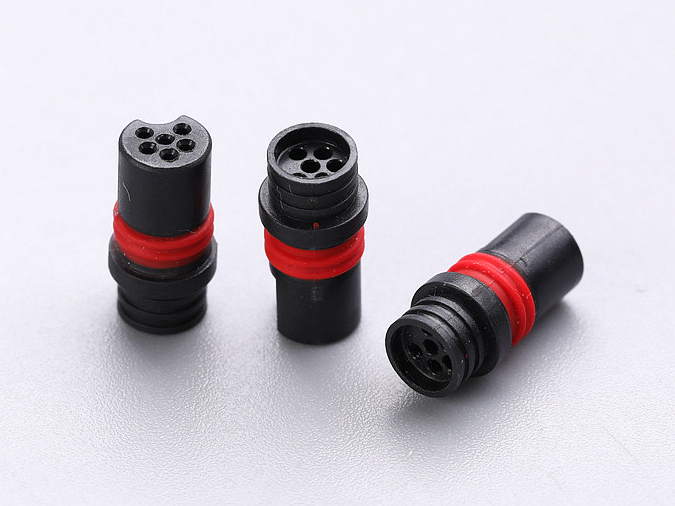
Protection and sealing | Overmolded edges, gaskets, bumpers, and sealed contact areas | Electronic housings, connectors, cable strain reliefs, outdoor devices | Sealing path, drop condition, cable bend radius, and environmental exposure |
Cleanability and hygiene | Smooth transitions, compatible material pair, and controlled texture | Medical-device equipment, laboratory tools, handheld instruments | Cleaning chemicals, surface texture, material documentation, and buyer validation |
How do soft-touch materials improve grip and comfort?
Soft-touch materials such as TPE, TPU, TPV, and silicone-like elastomers can increase friction, reduce sharp contact pressure, and create a warmer tactile feel than a rigid substrate alone. The overmold can be localized only where the user's hand contacts the product.
The RFQ should specify target hardness, surface texture, grip area, color, and environmental exposure. A grip used with gloves, oils, water, disinfectants, or outdoor UV exposure may need different material choices.
How do shape, texture, and hardness affect overmolded ergonomics?
Shape controls how the product fits the hand, texture controls slip and tactile feel, and hardness controls cushioning and deformation. These three factors must be designed together because a very soft material, a deep texture, or a thin overmold can behave differently under repeated use.
Buyers should provide ergonomic targets such as grip zones, pressure areas, user-handling orientation, texture preference, and expected use cycles. Prototype testing may be useful before production tooling.
How can overmolding support medical-device equipment and cleanable products?
Overmolding can support medical-device equipment and cleanable products by improving grip, sealing edges, cushioning hand-contact zones, and reducing separate assembly parts. The material pair must withstand cleaning conditions and meet the buyer's documentation requirements.
For regulated, patient-contact, or sterilization-sensitive applications, final suitability and validation remain the buyer's responsibility. The RFQ should state cleaning chemicals, contact type, documentation needs, and testing requirements.
How does overmolding help power tools and industrial controls?
Power tools and industrial controls use overmolding for grip, vibration damping, impact protection, switch feel, and operator comfort. A rigid substrate can carry the structure while the overmold improves hand contact and handling control.
The RFQ should include vibration exposure, drop conditions, oils, dust, temperature range, and wear expectations. These conditions affect elastomer selection, texture, bond strength, and overmold thickness.
What design risks can reduce ergonomic overmolding performance?
Design risks include poor substrate bonding, insufficient mechanical lock, thin overmold sections, sharp material transitions, trapped air, flash near contact surfaces, texture mismatch, and gate marks in visible or tactile zones. Material incompatibility can also reduce bond strength.
Buyers should allow DFM review of the substrate, overmold thickness, shutoff surfaces, parting line, texture, and bonding area. Ergonomic intent should be visible in the drawing and not left only to verbal notes.
What RFQ information helps design ergonomic overmolded products?
A useful RFQ includes 3D model, 2D drawing, substrate material, overmold material, hardness, texture, color, grip zones, contact surfaces, cleaning exposure, operating environment, durability tests, volume, tolerance, cosmetic requirements, and inspection criteria.
With those details, the supplier can review material compatibility, bonding, mold shutoff, gate location, surface finish, and ergonomic performance. Overmolding works best when the second material has a clearly defined user or functional purpose.
Related FAQs
What are the best materials to use in over molding for aesthetic purposes?
What factors should be considered when selecting materials for over molding?
Are there any specific design considerations to consider when planning for overmolding production?
Are there any limitations or challenges associated with overmolding?