Beyond Basics: Adding Functional Sophistication Through Over Molding
Functional Overmolding RFQ Decision explains how the overmolding process can integrate grip, sealing, impact protection, vibration damping, button feel, cable strain relief, or insert retention into a molded product. The buyer decision is whether these functions should be molded directly over a plastic or metal substrate instead of being added through adhesives, fasteners, sleeves, gaskets, or separate assembly steps. The practical RFQ problem is that the drawing must define the substrate, overmold material, functional zones, appearance zones, bond requirements, and inspection criteria before overmolding manufacturability can be reviewed.
What Functional Problems Can Overmolding Solve?
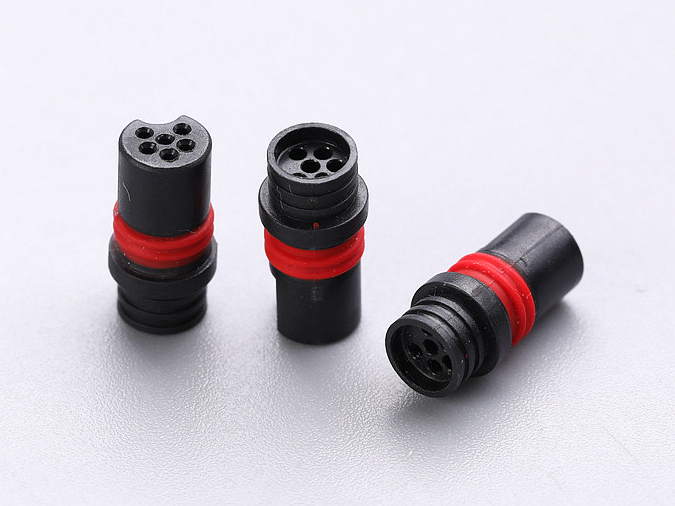
Overmolding can solve functional problems when a soft or flexible material must be fixed to a rigid structure with repeatable location. The process can add grip, cushion an exposed edge, seal an interface, protect a corner, reduce vibration, or create a tactile control surface.
The function should be stated before tooling review. A grip feature needs different material hardness and surface texture than a sealing feature. A protective bumper needs different thickness and edge design than a decorative accent. A button surface needs different compression and return behavior than a cable strain relief. When the RFQ defines the function, the overmolding process can be evaluated against a clear manufacturing target.
Overmolding is often used on parts for power tools, consumer electronics, automotive components, and medical device housings where the molded surface affects how the product is handled, protected, or assembled. The engineering question is not whether overmolding looks different; the question is whether the overmolded material improves the part function enough to justify the tooling route.
Which Part Functions Should Be Defined Before Quotation?
Buyers should define each functional zone before quotation. A single overmolded part may include a visible soft-touch area, a hidden sealing rib, a grip patch, and a protective corner, but each zone may require a different acceptance criterion.
Functional Overmolding Zone | Manufacturing Purpose | RFQ Definition Needed |
|---|---|---|
Grip or handle surface | Improve hand contact, texture control, and wear resistance | Contact area, target feel, texture reference, and appearance boundary |
Seal or gasket feature | Control compression, location, and interface contact | Sealing surface, mating part condition, compression direction, and inspection method |
Impact bumper or protective edge | Reduce damage risk at exposed corners or high-contact areas | Protection zone, local thickness, edge transition, and durability validation requirement |
Button, keypad, or actuator surface | Control tactile response and repeatable location | Actuation area, travel requirement, material hardness, and functional test method |
Cable strain relief or insert interface | Support bending, retention, and local protection | Insert location, bend direction, pull or retention requirement, and critical dimensions |
If the drawing only labels the overmolded area as soft material, the quotation review may miss the intended function. The RFQ should separate appearance-critical surfaces from function-critical surfaces because those surfaces often require different tooling and inspection attention.
How Do Material Pairings Affect Functional Overmolding?
Material pairing affects bond behavior, surface feel, wear resistance, flexibility, and process stability. The substrate and overmold material must be reviewed together because a good overmold material for grip may not bond well to every substrate.
Common rigid substrates include ABS, PC, PA, PP, and metal inserts. Common overmold materials include TPE and TPV, TPU, and silicone rubber materials selected according to the product environment. Buyers should provide the preferred substrate grade, overmold material preference, hardness expectation, use environment, cleaning exposure, and any regulatory or customer-specific requirement that affects material selection.
For parts built on a plastic substrate from plastic injection molding, the first-shot part must remain dimensionally stable during the overmolding stage. If the overmolding operation surrounds a metal component or pre-placed insert, insert molding considerations such as placement, retention, and thermal response should also be reviewed.
When Does Overmolding Reduce Assembly Complexity?
Overmolding can reduce assembly complexity when the molded elastomer replaces a separate pad, gasket, sleeve, bumper, grip, or strain relief. The value is strongest when placement accuracy, edge sealing, or long-term retention matters.
Separate assembly may require adhesive application, manual alignment, curing, secondary inspection, or fastener installation. Overmolding can move those functions into the mold when the part design supports the process. However, overmolding also introduces tooling and process requirements, so the buyer should compare assembly savings against tooling cost, sampling complexity, and material compatibility.
Assembly Feature Replaced by Overmolding | Potential Manufacturing Benefit | Risk to Review Before Tooling |
|---|---|---|
Adhesive grip pad | More repeatable location and fewer bonding steps | Substrate compatibility, edge peeling, and cosmetic boundary control |
Separate gasket | Integrated location and fewer assembly components | Flash control, compression variation, and mating part tolerance |
Mechanical bumper or cover | Reduced part count and controlled protective edge geometry | Local thickness, gate location, and wear exposure |
Cable boot or strain relief sleeve | Integrated bend support and repeatable retention | Insert holding, bending direction, and material fatigue behavior |
Overmolding should not be selected only to remove an assembly step. The molded interface must also meet the functional requirement in the buyer's use environment.
What Geometry Details Control Overmolding Function?
Geometry controls whether the overmolded feature can fill, bond, cool, release, and function consistently. The most important design details are bond area, material thickness, edge transition, shutoff surface, gate location, and substrate stability.
Thin unsupported edges can peel or short shot. Deep pockets can trap air. Sharp transitions can create stress concentration. Isolated soft islands can be difficult to fill and inspect. Large uneven areas can cool differently and create appearance or dimensional concerns. A functional overmolded feature should be designed with the manufacturing sequence in mind, not added to the model after the substrate is already fixed.
The RFQ should identify datum surfaces and critical dimensions because the overmolded material may affect assembly fit. If the overmold crosses a mating surface, screw boss, snap feature, seal line, or button interface, that area should be reviewed as a critical feature rather than a simple surface finish.
How Should Functional Overmolding Be Inspected?
Functional overmolding should be inspected against the purpose of each molded zone. Visual inspection alone may not be enough when the overmolded feature controls grip, sealing, button response, impact protection, or retention.
Visual inspection may cover flash, short shot, color boundary, surface contamination, sink, flow mark, and visible separation. Dimensional inspection may cover critical interfaces, local thickness, datum surfaces, and assembly features. Functional checks may cover button actuation, seal compression, grip feel, retention, bending response, or buyer-defined durability validation.
Buyers should define the acceptance criteria before production release. A clear inspection plan helps avoid subjective decisions during sampling and helps separate cosmetic issues from functional defects.
When Is Another Manufacturing Route More Practical?
Another manufacturing route may be more practical when the soft feature is replaceable, when the overmolded material cannot bond reliably to the substrate, or when tooling complexity would exceed the functional benefit. Adhesive bonding, separate gaskets, mechanical covers, coatings, or single-material molded texture may be better for some products.
Overmolding can also be challenging when the product has very large soft areas, many isolated decorative zones, unstable substrate geometry, or tight cosmetic boundaries. Buyers should review those risks before committing to an overmolding tool. A prototype route may help review fit and handling, but the final process still depends on production material behavior and tooling design.
The most useful decision is direct: choose overmolding when integrated material function is important; compare other routes when the soft feature is mainly decorative, replaceable, or difficult to bond.
What Neway Precision Reviews for Functional Overmolding RFQs?
Neway Precision reviews functional overmolding RFQs by connecting the part function to substrate design, overmold material, tooling concept, molding sequence, and inspection requirements. The review focuses on whether the overmolded feature can be produced consistently for the buyer's product stage and acceptance criteria.
A complete RFQ should include the 3D model, 2D drawing, substrate material, overmold material, function-critical zones, appearance-critical zones, expected production volume, mating components, and validation requirements. This information helps Neway evaluate whether overmolding, insert molding, two-shot molding, separate assembly, or another injection molding route is suitable.
Functional overmolding works best when every soft-material area has a defined purpose. Grip, sealing, protection, damping, actuation, and retention each require different material and inspection decisions. Clear RFQ inputs allow the manufacturing review to focus on the actual risk instead of guessing why the overmolded feature exists.
Related FAQs