What types of products benefit most from Over Molding?
Products that benefit most from overmolding are parts that need a rigid substrate plus a softer, protective, ergonomic, sealing, insulating, or cosmetic outer material. This FAQ helps buyers decide whether overmolding fits handles, grips, buttons, switches, electronic housings, cable connectors, medical-device equipment interfaces, automotive control parts, seals, bumpers, and multi-material plastic components for an RFQ.
What types of products benefit most from Over Molding?
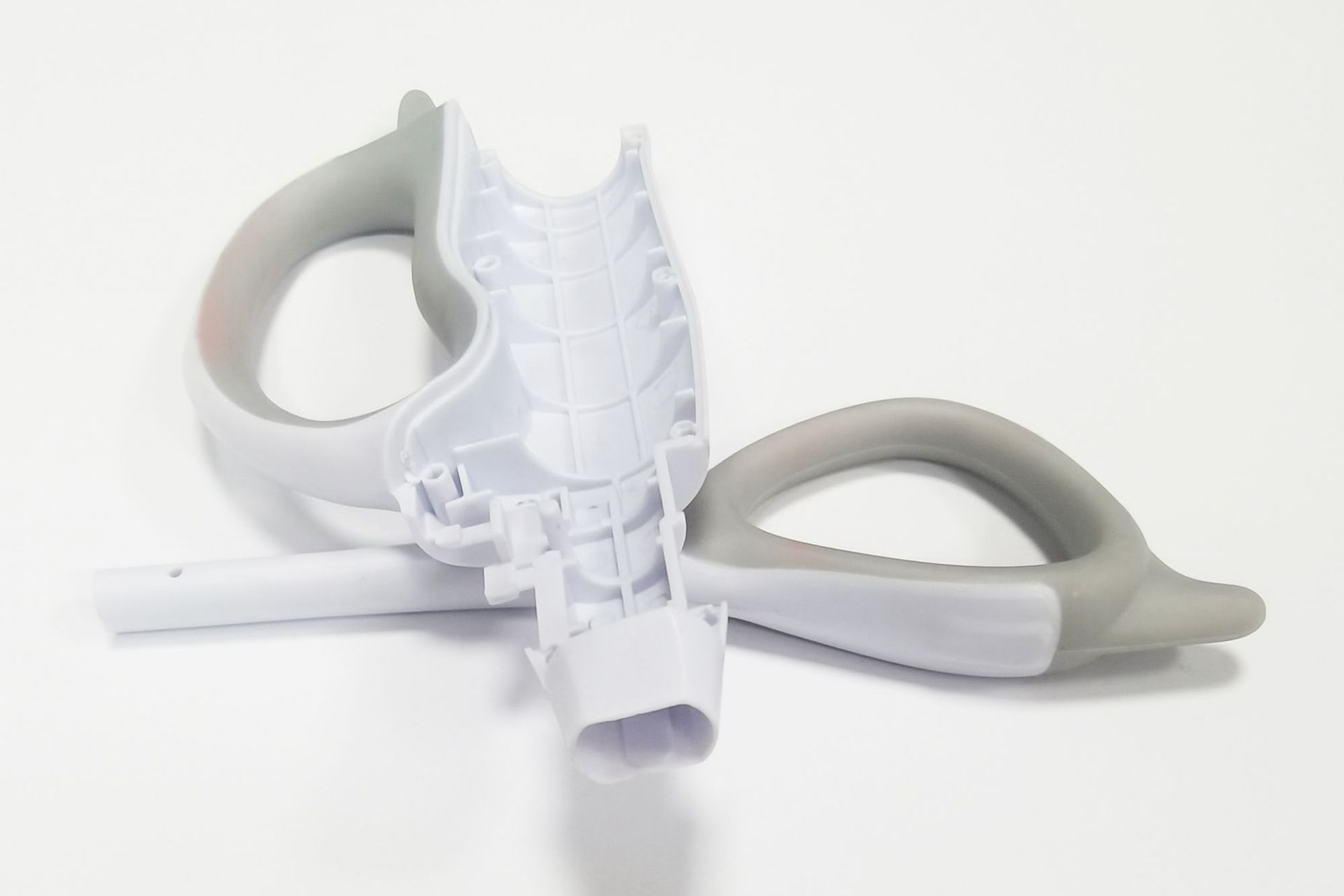
Overmolding is most useful when a single molded or machined component cannot provide all required functions. A rigid plastic, metal, or insert substrate may provide structure, while a softer material such as TPE, TPU, TPV, silicone-like elastomer, or another compatible material can improve grip, sealing, impact resistance, insulation, appearance, or user comfort.
Buyers should evaluate overmolding when the product needs both mechanical support and a second material function. Material compatibility, surface preparation, mold design, shutoff, gate location, and bond strength should be reviewed before tooling.
Product type | Overmolding function | Common substrate and overmold pairing | RFQ risk to check |
|---|---|---|---|
Handheld grips and handles | Ergonomics, anti-slip feel, vibration damping, and impact protection | Rigid plastic or metal substrate with TPE, TPU, or TPV overmold | Grip texture, hardness, bond strength, wear, and cleaning exposure |
Electronic housings and covers | Protection, cosmetic contrast, sealing edge, and shock absorption | PC, ABS, PC/ABS, nylon, or insert substrate with soft-touch overmold | Cosmetic surface, sealing path, drop resistance, and parting-line location |
Buttons, switches, and control knobs | Tactile feel, grip, color coding, sealing, and user interface protection | Rigid core with elastomeric surface or local overmolded grip zones | Actuation feel, wear, alignment, flash, and repeat use |
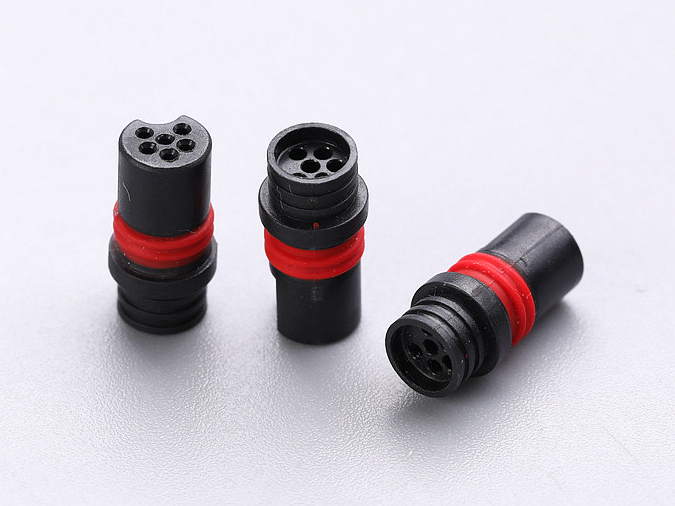
Cable connectors and strain reliefs | Insulation, bend relief, sealing, and handling durability | Metal or plastic connector body with flexible overmold | Bonding to cable jacket, pull strength, bend radius, and environmental exposure |
Medical-device equipment interfaces | Comfort, grip, sealing, cleanability, and controlled user contact | Engineering plastic substrate with compatible elastomer overmold | Cleaning chemicals, documentation, material approval, and buyer validation |
Automotive control and trim parts | Grip, vibration damping, sealing, decoration, and touch-point durability | Rigid plastic substrate with textured elastomer or cosmetic overmold | Temperature cycling, UV exposure, wear, color stability, and assembly fit |
Why do handles, grips, and power-tool parts benefit from overmolding?
Handles, grips, and power-tool parts benefit because overmolding can add a softer grip surface to a rigid structural core. This combination can improve ergonomics, reduce slip, protect edges, and create texture without assembling a separate sleeve.
The RFQ should define hardness, texture, grip zones, chemical exposure, wear expectation, and cleaning conditions. A comfortable prototype surface may still need bond and durability testing before production approval.
How do electronic housings, buttons, and connectors use overmolding?
Electronic housings, buttons, switches, and connectors use overmolding for sealing edges, soft-touch areas, strain relief, shock absorption, color accents, and tactile control surfaces. The process can reduce separate assembly steps when the overmolded material bonds properly to the substrate.
Buyers should identify sealing paths, button travel, connector pull strength, cable bend direction, visible surfaces, and assembly datums. These details affect mold shutoff, gate location, and material choice.
Why do medical-device equipment and cleaning-sensitive products need careful review?
Medical-device equipment, laboratory handles, reusable tools, and cleaning-sensitive products may benefit from overmolded grip, sealing, and comfort features. These parts need careful review because material compatibility, cleaning chemicals, surface texture, and documentation can affect acceptance.
For regulated or patient-contact applications, final material approval and validation should follow the buyer's specification and applicable requirements. The supplier can support manufacturing review, but the buyer controls final suitability decisions.
How do automotive and industrial products use overmolding?
Automotive and industrial products use overmolding for knobs, switches, control handles, cable strain reliefs, protective covers, damped contact surfaces, and sealed interfaces. These products often need durability under temperature change, vibration, UV exposure, oils, cleaners, or repeated handling.
The RFQ should state the operating environment and testing expectations. Overmolding performance depends on the substrate, overmold material, bond condition, geometry, and production process control.
What product features make overmolding difficult?
Overmolding becomes difficult when the design has poor material compatibility, weak mechanical lock features, thin overmold sections, sharp transitions, poor shutoff surfaces, difficult insert placement, trapped air, or cosmetic surfaces near gates and parting lines.
Buyers should allow DFM review of substrate geometry, overmold thickness, bonding areas, undercuts, texture, and flash-sensitive zones. Small design changes can improve bond strength and reduce molding risk.
What RFQ information helps confirm whether a product fits overmolding?
A useful RFQ includes the 3D model, 2D drawing, substrate material, overmold material, hardness, color, texture, functional surfaces, bonding requirement, operating environment, quantity, tolerance, inserts, assembly requirements, and inspection or test expectations.
With those details, the supplier can evaluate whether overmolding, insert molding, two-shot molding, traditional injection molding, assembly, or another process fits the product. The best candidates are products where the second material provides a clear functional or user-value benefit.
Related FAQs
When to select overmolding for plastic injection molding projects?
What factors should be considered when selecting materials for over molding?
Are there any specific design considerations to consider when planning for overmolding production?
Are there any limitations or challenges associated with overmolding?