Can Over Molding help improve product durability?
Overmolding can improve product durability when the overmold material protects a rigid substrate from impact, vibration, moisture, wear, chemicals, sharp edges, or repeated handling. This FAQ helps buyers evaluate overmolded handles, grips, housings, connectors, switches, medical-device equipment interfaces, automotive controls, and industrial parts when an RFQ must define durability risks, materials, bond strength, and testing requirements.
Can Over Molding help improve product durability?
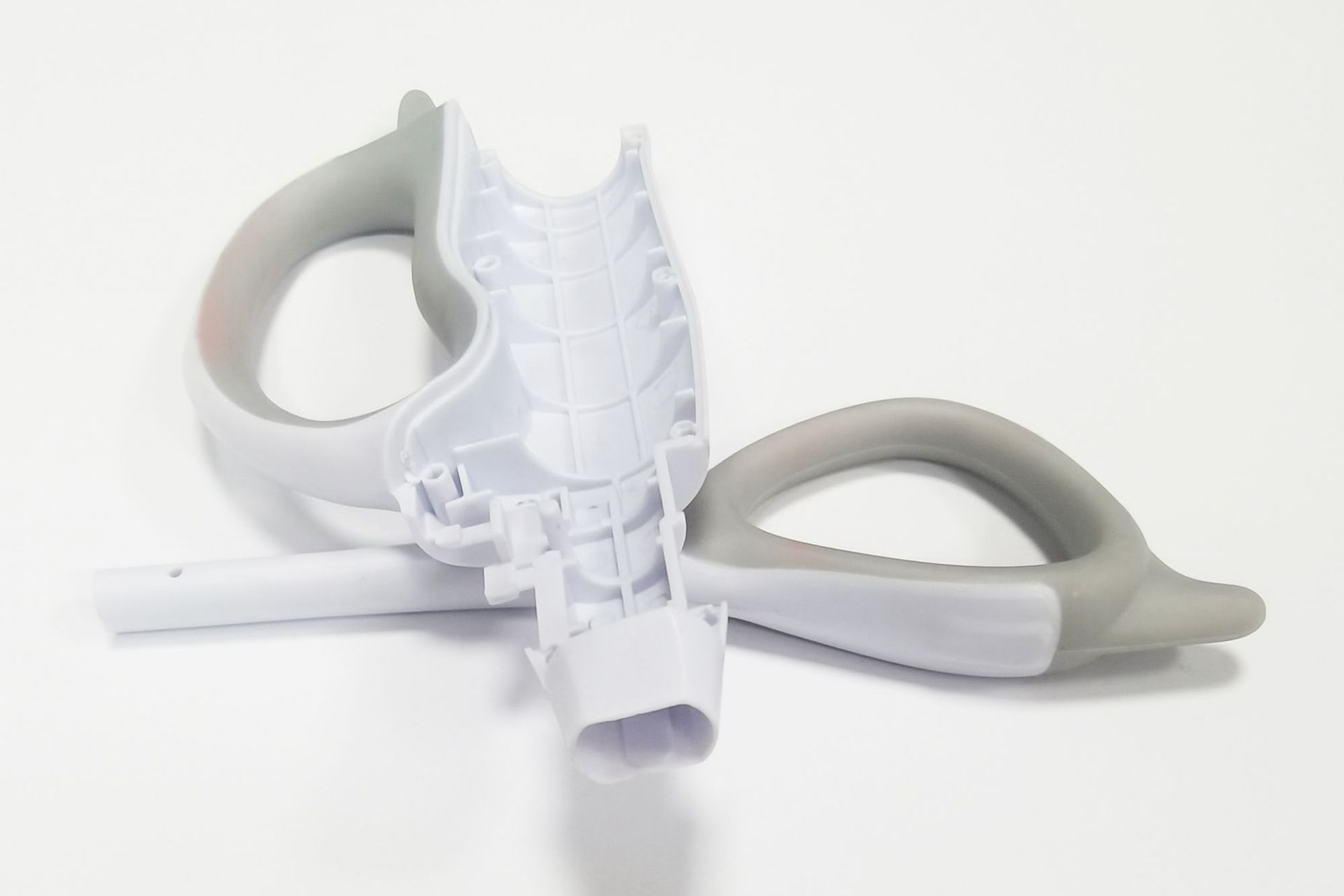
Yes, overmolding can improve durability when the substrate and overmold material are compatible and the design supports a reliable bond or mechanical lock. The rigid substrate carries structure, while the overmold can absorb impact, improve grip, protect edges, damp vibration, seal interfaces, or reduce wear at contact points.
Durability is not automatic. Poor material pairing, weak bonding, thin overmold sections, flash, trapped air, or an untested use environment can reduce performance. Buyers should define the actual durability problem before tooling.
Durability requirement | How overmolding can help | Common product examples | RFQ detail to define |
|---|---|---|---|
Impact protection | Soft or flexible overmold can protect corners, edges, and exposed surfaces | Electronic housings, hand tools, protective covers, portable equipment | Drop condition, contact zones, overmold thickness, and substrate material |
Vibration damping | Elastomeric layer can reduce vibration transfer to the user or component | Power-tool handles, automotive controls, industrial equipment grips | Vibration source, grip area, hardness, and durability test needs |
Wear resistance | Overmold can protect high-touch areas and reduce abrasion on the substrate | Buttons, knobs, handles, cable strain reliefs, wearable housings | Wear surface, expected cycles, cleaning exposure, and texture requirement |
Sealing and moisture resistance | Overmold can form local seals, edge protection, or strain relief around openings | Connectors, switch interfaces, outdoor housings, cable assemblies | Sealing path, cable jacket material, environmental exposure, and inspection method |
Chemical and cleaning resistance | Compatible material pair can resist oils, cleaners, sweat, or disinfectants | Medical-device equipment, industrial controls, laboratory tools | Chemicals, contact time, cleaning method, and buyer validation requirements |
Bond durability | Correct material compatibility and mechanical lock reduce peeling or delamination | Multi-material handles, grips, buttons, and soft-touch housings | Peel test, pull test, bond area, and failure mode criteria |
How does the overmold layer protect the substrate?
The overmold layer can protect the substrate by absorbing impact, covering edges, reducing abrasion, sealing joints, and isolating the user from vibration or heat. This is useful when a rigid plastic, metal insert, or electronic housing needs a softer contact surface or protective barrier.
The design must place the overmold where the product actually experiences damage. A decorative overmold zone may not improve durability if the impact, wear, or moisture path is somewhere else.
How do material compatibility and bond strength affect durability?
Material compatibility and bond strength are central to durable overmolding. Some substrate and elastomer combinations bond well during molding, while others may need mechanical locks, surface treatment, special geometry, or a different material pair.
Buyers should provide substrate material, overmold material preference, hardness, operating temperature, chemical exposure, and any peel or pull requirements. If the overmold peels, cracks, or separates, the durability benefit is lost.
How can overmolding improve sealing and strain relief?
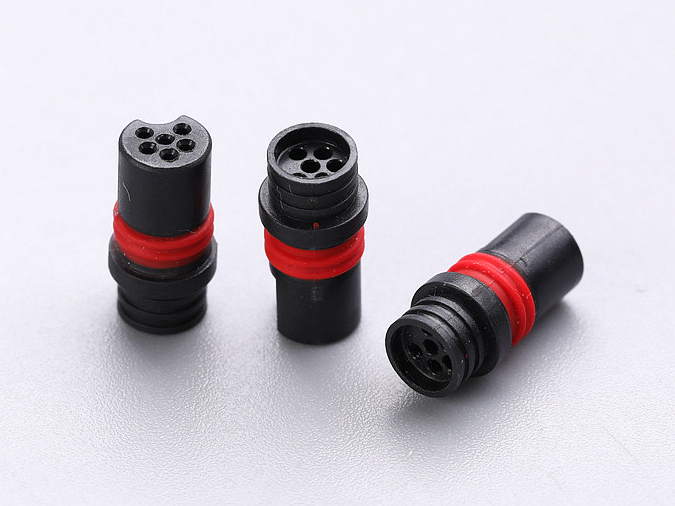
Overmolding can improve sealing by forming a molded barrier around openings, edges, buttons, or connector interfaces. It can improve strain relief by distributing bending stress around cable exits or flexible transition zones.
The RFQ should define water, dust, oil, cleaning, bend radius, pull force, and cable jacket material. Sealing and strain relief should be tested against the intended use environment.
How do wear, chemicals, and cleaning affect overmolded durability?
Wear, chemicals, and cleaning can change the overmold surface over time. Some elastomers may polish, discolor, swell, harden, soften, or crack when exposed to oils, disinfectants, sweat, UV, or repeated abrasion.
Buyers should define exposure conditions early. Medical-device equipment, automotive controls, outdoor electronics, and industrial tools may require different material families and validation tests.
What design risks can reduce overmolded part durability?
Design risks include thin overmold sections, sharp substrate corners, poor bonding area, weak mechanical lock, flash near contact areas, trapped air, gate marks in stress zones, and material transitions placed where the part bends or impacts.
DFM review should check overmold thickness, shutoff surfaces, radii, texture, parting line, gate location, and stress areas. Durability problems are easier to prevent before tooling than to fix after samples fail.
What RFQ information helps evaluate overmolding durability?
A useful RFQ includes the 3D model, drawing, substrate material, overmold material, hardness, texture, overmold thickness, use environment, drop or impact requirement, chemical exposure, cleaning method, wear expectation, sealing requirement, bond test, quantity, and inspection criteria.
With those details, the supplier can review whether overmolding, insert molding, two-shot molding, coating, assembly, or another route best improves durability. Overmolding works best when the durability requirement is specific and measurable.
Related FAQs
What factors should be considered when selecting materials for over molding?
Which materials are best suited for the overmolding process?
Are there any specific design considerations to consider when planning for overmolding production?
Are there any limitations or challenges associated with overmolding?