Which materials are best suited for the overmolding process?
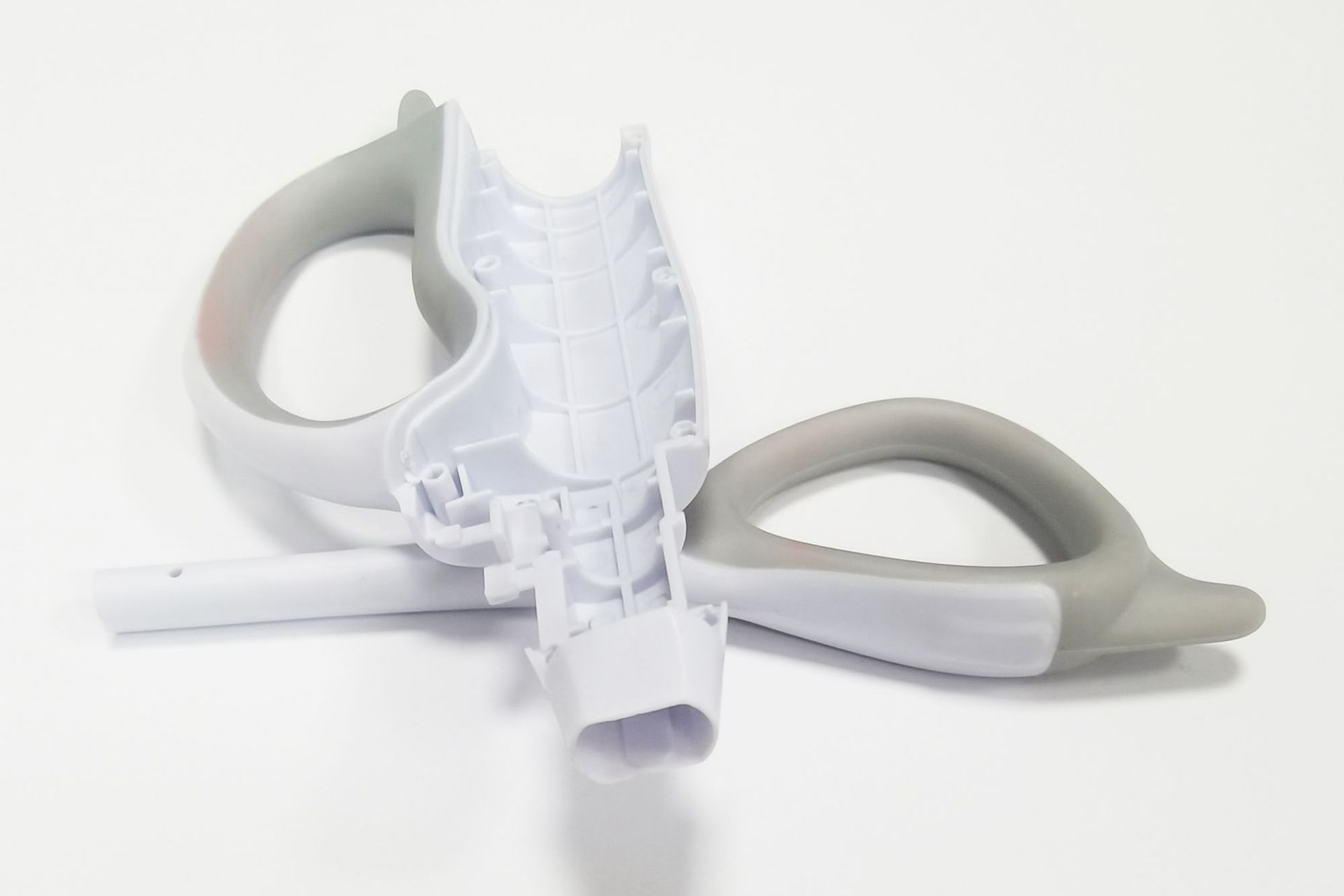
The best materials for overmolding are material pairs that can bond, mechanically lock, or function together under the product's real operating conditions. For overmolded grips, housings, seals, buttons, connectors, cable strain reliefs, and protected plastic assemblies, the practical RFQ problem is matching the substrate material with the overmold material before tool design begins. Buyers should not select TPE, TPU, silicone rubber, ABS, PC, PA, PP, or POM by name alone; the material pair must be reviewed for adhesion, shrinkage, hardness, chemical exposure, wear, temperature, and inspection requirements.
Which materials are best suited for the overmolding process?
Materials are best suited for overmolding when the substrate and overmold layer support the required bond strength, grip, sealing, flexibility, appearance, and durability. Common substrates include ABS, PC, PC-ABS, PA nylon, PP, PBT, POM, and metal inserts. Common overmold materials include TPE, TPV, TPU, and silicone rubber.
The right choice depends on the application. A handheld tool grip may prioritize touch and abrasion resistance. A connector seal may prioritize compression recovery and chemical resistance. A protective housing may prioritize impact absorption and edge coverage. A medical or regulated component may require material approvals and validation beyond molding feasibility.
Material role | Common options | Overmolding decision |
|---|---|---|
Rigid plastic substrate | ABS, PC, PC-ABS, PA, PP, PBT, POM | Choose based on strength, heat, dimensional stability, and bonding strategy |
Soft overmold layer | TPE, TPV, TPU, silicone rubber | Choose based on hardness, grip, elasticity, sealing, and wear behavior |
Metal insert substrate | Stainless steel, brass, aluminum, copper alloy, threaded insert | Review surface preparation, mechanical retention, and placement control |
High-wear interface | TPU, selected TPE grades, engineered elastomers | Review abrasion, friction, chemical exposure, and service movement |
Sealing interface | TPE, TPV, silicone rubber, selected elastomer grades | Review compression, fluid exposure, temperature, and seal geometry |
Which substrate materials work well for overmolding?
Substrate materials work well when they can survive the second molding shot, hold dimensions, and provide a bonding or locking surface. ABS and PC are common choices for rigid housings and handheld products. PA nylon may be useful for mechanical parts, while PP and POM often need extra attention because low surface energy or bonding difficulty can require mechanical interlocks or special material grades.
ABS injection molding can be suitable for overmolded housings, handles, and consumer product parts. PC injection molding is useful when toughness, transparency, or heat resistance is important. PA nylon injection molding is often considered for mechanical components, clips, and wear-resistant parts.
Substrate design is as important as substrate resin. A smooth flat surface may not hold an overmold layer under peel or shear load. Holes, grooves, ribs, wraparound edges, and textured bonding surfaces can improve mechanical retention when chemical adhesion alone is not reliable.
Which overmold materials are common for soft touch, sealing, and wear?
The most common overmold materials are TPE, TPV, TPU, and silicone rubber. These materials are selected for flexibility, grip, compression, abrasion resistance, soft-touch feel, sealing behavior, and user contact. Each material family has different processing and bonding behavior.
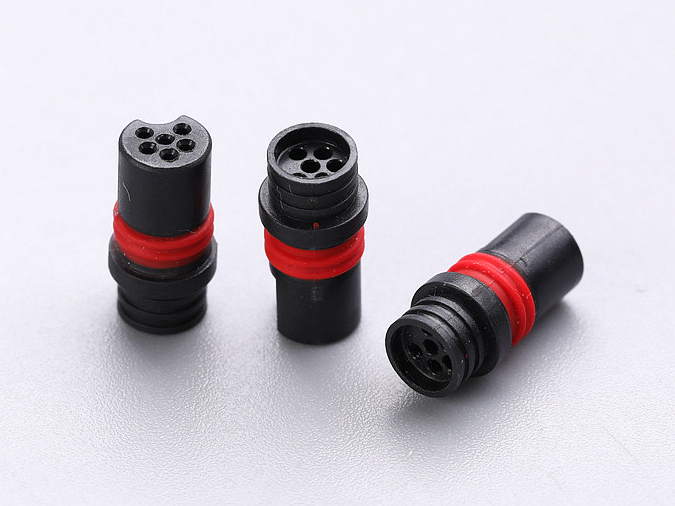
TPE and TPV molding are common for handles, grips, buttons, flexible covers, and seals. TPU injection molding is often reviewed for wear-resistant flexible parts, protective shells, and ruggedized components. Silicone rubber molding may be considered when elastic recovery, temperature exposure, or sealing behavior is central to the application.
Material hardness should be selected from product function. A grip, gasket, button, strain relief, and impact bumper do not need the same hardness. The RFQ should state whether the overmold layer is for ergonomics, sealing, vibration damping, abrasion protection, electrical insulation, or appearance.
How should buyers evaluate substrate and overmold compatibility?
Buyers should evaluate compatibility by chemical adhesion, mechanical interlock, molding temperature, shrinkage difference, surface energy, gate location, part geometry, and service environment. A material pair that bonds during sampling may still fail if the product sees oils, cleaning chemicals, UV exposure, bending, or repeated compression.
Chemical adhesion is useful when available, but mechanical retention is often needed for reliable durability. Design features such as undercut slots, through holes, edge wraps, ribs, and retained lips can help the overmold layer resist peeling. However, these features must still be moldable and ejectable.
The buyer should request material pair review before tooling. If adhesion is critical, the project may need sample plaques, peel testing, pull testing, environmental exposure, or functional assembly testing. Compatibility should be treated as a testable engineering requirement, not a marketing claim.
Which material risks can cause overmolding failure?
Common material risks include poor adhesion, substrate deformation, overmold shrink mismatch, flash at shutoff areas, swelling from chemicals, loss of elasticity, color mismatch, surface contamination, and hardness drift. These risks can appear as edge lift, peeling, cracking, weak seal compression, tacky surfaces, or cosmetic defects.
PP and POM can be more difficult to bond than some other plastics and may require mechanical locks, surface treatment, or specialty overmold grades. Nylon can be affected by moisture and may need conditioning review. PC and ABS may bond well with certain TPE or TPU grades, but the specific resin grades and processing conditions still need confirmation.
For regulated applications, the buyer should confirm biocompatibility, food-contact, flame rating, chemical restrictions, and traceability requirements as applicable. The molding supplier can support manufacturability and material pair review, but the buyer is responsible for final end-use validation.
What RFQ information helps select overmolding materials?
An overmolding material RFQ should include the substrate resin or insert material, preferred overmold material, required hardness or feel, bond requirement, operating environment, chemical exposure, cosmetic standard, sealing requirement, color, production stage, and test method. Without this information, the supplier may suggest a general material family that does not fit the real durability requirement.
RFQ information | Material decision it supports | Failure mode it helps prevent |
|---|---|---|
Substrate material and grade | Selects compatible overmold families | Poor adhesion and substrate deformation |
Overmold function | Defines grip, seal, wear, strain relief, or protection need | Wrong hardness or wrong elastomer family |
Service environment | Checks heat, UV, moisture, oil, sweat, cleaning, and chemicals | Cracking, swelling, hardening, or loss of elasticity |
Bond or retention requirement | Shows whether chemical adhesion, interlock, or both are needed | Peeling, edge lift, and delamination |
Validation test | Defines acceptance for durability and appearance | Ambiguous approval after tooling |
Related FAQs
What types of materials can be effectively used in over-molding?
What factors should be considered when selecting materials for over-molding?
What are the best materials to use in over-molding for aesthetic purposes?
How does overmolding differ from traditional injection molding?
Are there any limitations or challenges associated with overmolding?