What types of materials can be effectively used in over-molding?
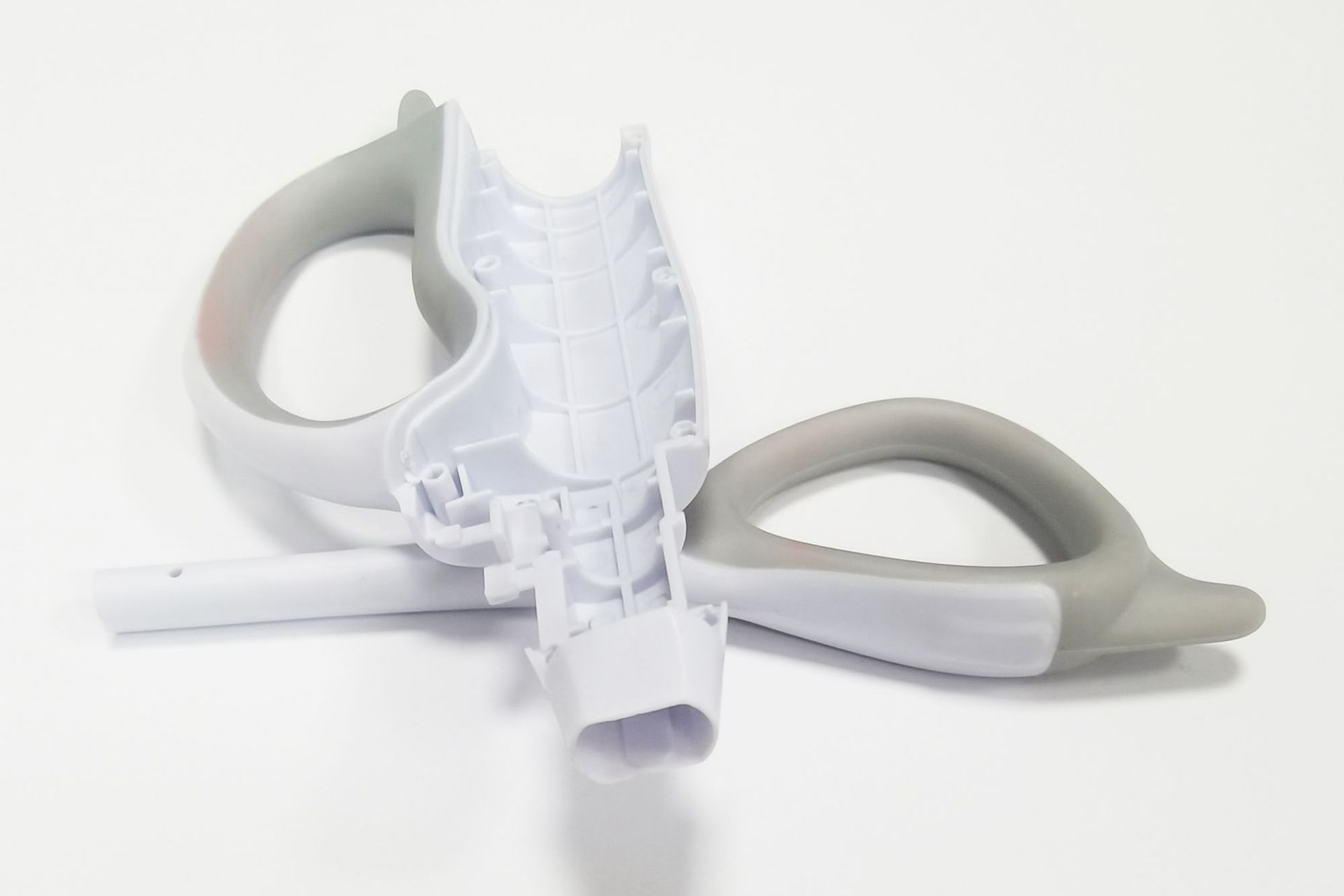
Materials effectively used in overmolding include rigid thermoplastic substrates, metal inserts, selected ceramic or electronic inserts, and soft overmold materials such as TPE, TPU, TPV, silicone-like elastomers, and other compatible thermoplastics. This FAQ helps buyers select material combinations for overmolded grips, housings, buttons, switches, connectors, seals, handles, medical-device equipment interfaces, and industrial components.
What types of materials can be effectively used in over-molding?
Effective overmolding materials are selected as a pair: the substrate provides structure, and the overmold material provides grip, sealing, impact protection, insulation, appearance, or user comfort. The two materials must either bond during molding or be supported by mechanical locking geometry.
Buyers should evaluate the complete material pair rather than only the soft layer. A good TPE, TPU, or TPV choice can still fail if the substrate, surface condition, melt temperature, or part design does not support adhesion.
Material type | Common examples | Overmolding role | RFQ risk to review |
|---|---|---|---|
Rigid thermoplastic substrates | ABS, PC, PC/ABS, nylon, PBT, PP, POM | Provide structure, molded shape, assembly features, and dimensional support | Heat resistance, shrinkage, surface condition, and bonding compatibility |
Soft thermoplastic elastomers | TPE, TPU, TPV, and similar elastomeric grades | Provide grip, cushioning, sealing, texture, and soft-touch feel | Hardness, wear, chemical exposure, color stability, and adhesion |
Silicone-like elastomer materials | Selected silicone or silicone-like overmold options depending on process route | Provide flexibility, sealing, comfort, and temperature-related performance | Process compatibility, bonding method, curing route, and final validation |
Metal inserts | Steel, stainless steel, aluminum, brass, and other insert materials | Provide threads, strength, electrical contact, weight, or heat-transfer function | Insert placement, surface preparation, pull-out strength, and corrosion exposure |
Electronic or functional inserts | Contacts, connector bodies, sensors, terminals, and cable assemblies | Provide electrical, sensing, strain relief, or sealing function | Heat exposure, sealing path, material compatibility, and assembly protection |
Filled or reinforced materials | Glass-filled, mineral-filled, flame-retardant, or wear-resistant grades | Improve stiffness, heat resistance, flame behavior, or wear performance | Flow, tool wear, surface finish, fiber orientation, and bond strength |
Which rigid substrate materials work for overmolding?
Rigid substrate materials can include ABS, PC, PC/ABS, nylon, PBT, PP, POM, and selected engineering plastics. These materials create the base structure, hold tolerances, support inserts, and provide the geometry that the overmold flows around.
The RFQ should define whether the substrate must provide strength, heat resistance, chemical resistance, transparency, thread support, or dimensional stability. Substrate function strongly influences overmold material selection.
Which soft overmold materials are commonly used?
Soft overmold materials commonly include TPE, TPU, TPV, and silicone-like elastomers. These materials can provide grip, cushioning, sealing, tactile feel, vibration damping, or color contrast.
Buyers should specify hardness, texture, color, thickness, wear expectation, chemical exposure, and cleaning method. Soft overmold material choice affects user feel as much as engineering performance.
Can metals and functional inserts be used in overmolding?
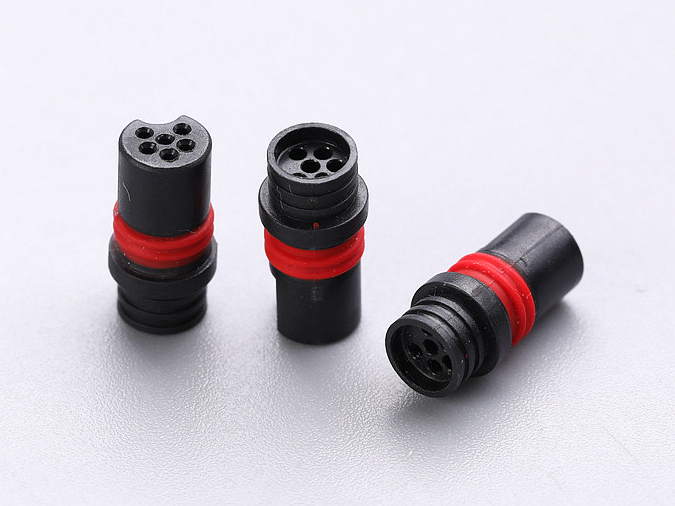
Metals and functional inserts can be used when the product needs threads, electrical contacts, cable strain relief, strength, thermal behavior, or a sealed assembly. Metal inserts, connector bodies, terminals, and cable assemblies may be overmolded when the tool can locate and protect them during molding.
The RFQ should include insert drawings, insert material, placement tolerance, pull-out requirement, sealing requirement, and any electrical or thermal function. Insert overmolding adds process steps and inspection needs.
How do bonding and mechanical locking affect material effectiveness?
A material pair is effective only if the overmold remains attached under use. Chemical bonding may work for some compatible plastics and elastomers. Mechanical locking may be needed when chemical bonding is weak or when the product sees peel, pull, or impact loads.
Mechanical lock features can include holes, ribs, undercuts, textured zones, or wraparound geometry. These features should be designed intentionally rather than added after bond problems appear.
How do environment and user contact affect material choice?
Environment and user contact affect material choice through temperature, sweat, oils, cleaners, water, UV, abrasion, impact, and repeated handling. A medical-device equipment grip, automotive switch, outdoor connector, and consumer electronics cover may need different overmold materials.
Buyers should describe the real use environment. Material performance should be evaluated against the operating condition, not just against a datasheet value.
What RFQ information helps confirm effective overmolding materials?
A useful RFQ includes 3D model, 2D drawing, substrate material, overmold material, hardness, color, texture, operating environment, chemical exposure, bond test, pull-out test, sealing requirement, production volume, cosmetic surfaces, and approval criteria.
With those details, the supplier can recommend material pairs, bonding strategy, insert handling, mold design, and testing. Effective overmolding depends on the complete material system, not one material alone.
Related FAQs
What factors should be considered when selecting materials for Over Molding?
Which materials are best suited for the overmolding process?
What are the best materials to use in over molding for aesthetic purposes?
Are there any specific design considerations to consider when planning for overmolding production?
Are there any limitations or challenges associated with overmolding?