What advantages does overmolding offer over traditional assembly methods?
Overmolding can offer advantages over traditional assembly when the buyer needs fewer parts, integrated sealing, improved grip, protected inserts, strain relief, controlled interfaces, or a more repeatable metal-plastic connection. This FAQ explains how Neway reviews overmolding, insert molding, plastic injection molding, precision-cast or machined metal inserts, elastomer materials, and validation tests for tool housings, electrical connectors, sealed covers, ergonomic grips, and bonded metal-plastic components. The practical RFQ problem is to decide whether overmolding should replace screws, adhesives, clips, gaskets, or separate grip parts in the final product.
What problem does overmolding solve better than separate assembly?
Overmolding is useful when the product needs a controlled material interface that separate assembly cannot hold reliably. It can combine a rigid substrate with a soft or protective material in one molded operation, reducing gaps, loose parts, and assembly variation.
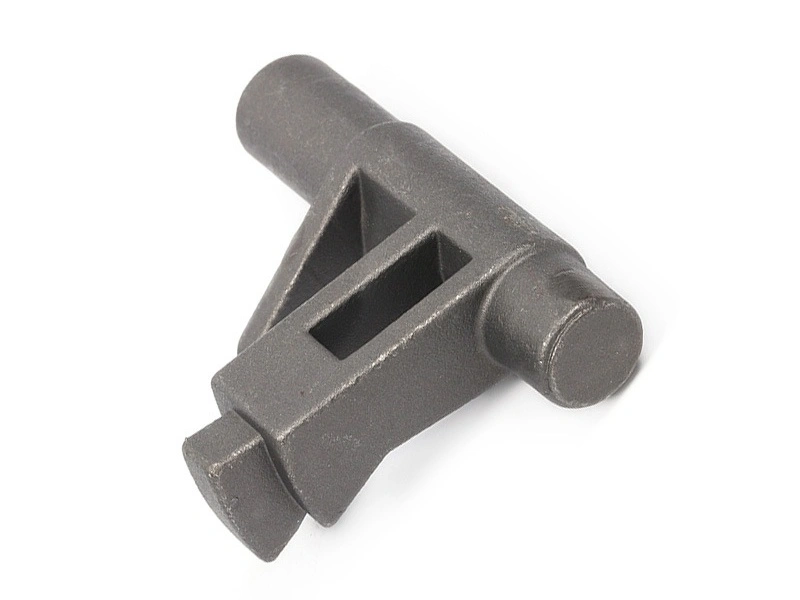
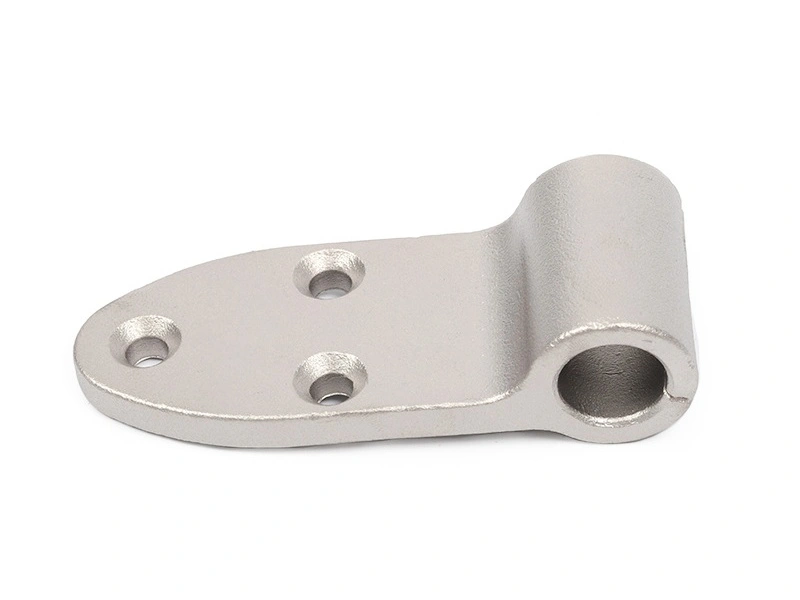
For tools, connectors, and sealed housings, overmolding may integrate grips, seals, cable strain relief, shock pads, insulation, or protective covers. If the substrate is a metal frame, latch, bracket, or insert, precision casting, machining, or MIM may be reviewed for the insert before the plastic or elastomer layer is molded over it.
Assembly challenge | Overmolding response | RFQ input needed |
|---|---|---|
Separate gasket or seal | Integrates sealing geometry into the molded part | Seal path, compression target, material, and IP test |
Loose grip or sleeve | Bonds or mechanically locks grip material to the substrate | Grip area, texture, thickness, wear test, and bonding requirement |
Metal insert assembly | Encapsulates or supports the insert in a controlled position | Insert material, surface condition, undercuts, and retention method |
Cable strain relief | Forms a flexible transition around cable and housing interface | Cable diameter, bend radius, pull load, and waterproof target |
How does overmolding reduce part count and assembly variation?
Overmolding can reduce part count by replacing separate pads, sleeves, gaskets, clips, covers, or adhesive-bonded features. Fewer separate parts can reduce alignment variation, fastener count, manual assembly steps, and inspection points.
This benefit should be checked against tooling complexity and material compatibility. Insert molding may be useful when the key requirement is placing a metal insert inside a plastic part. Overmolding is more relevant when a second material layer must cover, seal, grip, insulate, or protect a substrate. The RFQ should state whether the buyer wants structural retention, sealing, tactile grip, insulation, cosmetic appearance, or cable strain relief.
How does overmolding support sealing and environmental protection?
Overmolding supports sealing by forming continuous material around joints, cable exits, inserts, and grip zones. It can reduce leak paths that occur when separate gaskets, adhesives, or clips shift during assembly.
For IP-rated housings or outdoor connectors, overmolding should be reviewed with plastic injection molding tolerances, gasket compression, parting line location, cable preparation, and final assembly state. Seal validation may include water ingress, dust ingress, humidity, thermal cycling, cable pull, bend test, and visual inspection. The buyer should specify whether the seal is functional, cosmetic, or both.
Which material and insert choices control overmolding performance?
Material and insert choices control bonding, mechanical lock, grip feel, impact response, heat exposure, chemical resistance, and durability. The overmold material should match the rigid substrate and the operating environment.
Common overmold materials may include TPE or TPV, TPU, silicone rubber, and selected engineering plastics. The substrate may be a molded plastic, machined metal, precision-cast metal, MIM insert, cable, or electronic component. Surface condition, insert temperature, undercuts, holes, ribs, and mechanical lock features should be reviewed before tooling.
Overmolding design entity | Performance issue controlled | Validation focus |
|---|---|---|
Material compatibility | Bonding, peeling, and chemical resistance | Peel test, aging test, and visual inspection |
Mechanical lock geometry | Insert retention and grip layer separation | Pull test, torque test, and cut-section review |
Overmold thickness | Grip feel, seal compression, and sink risk | Dimensional inspection and functional test |
Insert surface condition | Bonding reliability and contamination risk | Cleaning method, surface finish, and incoming inspection |
What tradeoffs should buyers review before choosing overmolding?
Overmolding is not automatically better than screws, clips, adhesives, or separate gaskets. Buyers should compare tooling cost, material compatibility, repairability, recycling, insert handling, mold complexity, cycle time, and quality inspection before choosing the route.
If the product needs field replacement, separate parts may be easier to service. If the product needs a sealed, repeatable, compact interface, overmolding may reduce assembly risk. Prototyping can help compare overmolded and traditionally assembled versions before production tooling. The prototype test should include seal, grip, pull, peel, impact, chemical, and aging checks when those risks matter.
What RFQ details help Neway compare overmolding and traditional assembly?
An RFQ should include 3D CAD, 2D drawing, substrate material, overmold material, insert material, sealing target, grip requirement, cable condition, pull load, bonding requirement, mechanical lock geometry, cosmetic requirement, environmental exposure, sample quantity, production volume, and validation method. These details let Neway compare overmolding with screws, adhesives, clips, separate gaskets, and other assembly routes.
The buyer should also identify the main decision: fewer parts, waterproofing, grip comfort, impact protection, insert retention, cable strain relief, cost, or serviceability. That priority helps Neway recommend the most practical assembly strategy.
Related FAQs
How does overmolding differ from traditional injection molding?
When to select overmolding for plastic injection molding projects?
What factors should be considered when selecting materials for overmolding?
How does insert molding compare to traditional manufacturing methods?
How can plastic housings achieve IP67-level dustproof and waterproof protection?
What waterproof ratings must outdoor lighting connectors meet, and how are they achieved?
What tests should be performed on functional prototype parts?