What material and process combos best prevent prying and brute-force attacks?
Materials and processes for resisting prying and brute-force attacks should be selected from the attack mode, load path, part size, hardness requirement, toughness requirement, wear surface, corrosion exposure, and production volume. This FAQ explains how Neway reviews metal injection molding, precision casting, engineered plastics, heat treatment, surface finishing, and validation testing for lock pins, cams, bolts, anti-drill inserts, housings, latches, brackets, and security hardware. The practical RFQ problem is to define the attack scenario and critical load features before choosing a hardened metal, cast frame, plastic cover, or hybrid assembly route.
Which attack scenarios should buyers define first?
Buyers should define prying, twisting, cutting, drilling, impact, pull-out, compression, and repeated abuse separately. Each attack mode stresses different features, so the material and process route should be tied to a specific security risk.
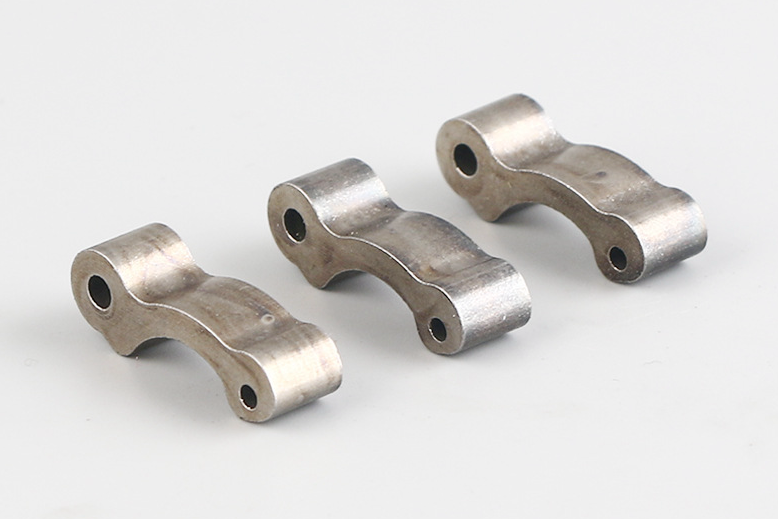
For locking systems and security hardware, metal injection molding can support small hardened parts such as pins, cams, pawls, bolts, inserts, and complex latch features. Precision casting may be reviewed for larger metal housings or structural security parts, while engineered plastics can support non-load covers, insulation, and tamper-evident features. The RFQ should identify which parts are load-bearing and which parts only conceal, protect, or align the mechanism.
Attack scenario entity | Part feature at risk | RFQ input needed |
|---|---|---|
Prying load | Housing edge, latch hook, bolt seat, and screw boss | Load direction, lever point, support distance, and pass criteria |
Cutting or drilling | Pin, insert, cover plate, and exposed fastener | Tool contact zone, hardness target, and surface treatment requirement |
Impact or hammering | Corner, bracket, latch, and lock body support | Impact energy, direction, assembly state, and inspection method |
Repeated manipulation | Sliding surfaces, lock pawls, cams, and guide tracks | Cycle target, wear limit, lubricant, and contact surface finish |
Which MIM materials support small security components?
MIM materials should be selected by hardness, toughness, heat treatment response, corrosion exposure, and tolerance requirement. Small security components often need a hard surface without becoming brittle at the load-bearing core.
Relevant material pages include MIM 420, MIM 440C, MIM A2, MIM D2, MIM 17-4 PH, and MIM 4140. Buyers should define the part function, such as anti-drill pin, locking cam, sliding pawl, latch hook, or load-bearing insert, so Neway can review material, heat treatment, density, and final inspection together.
When should casting, plastic, or hybrid assemblies be used?
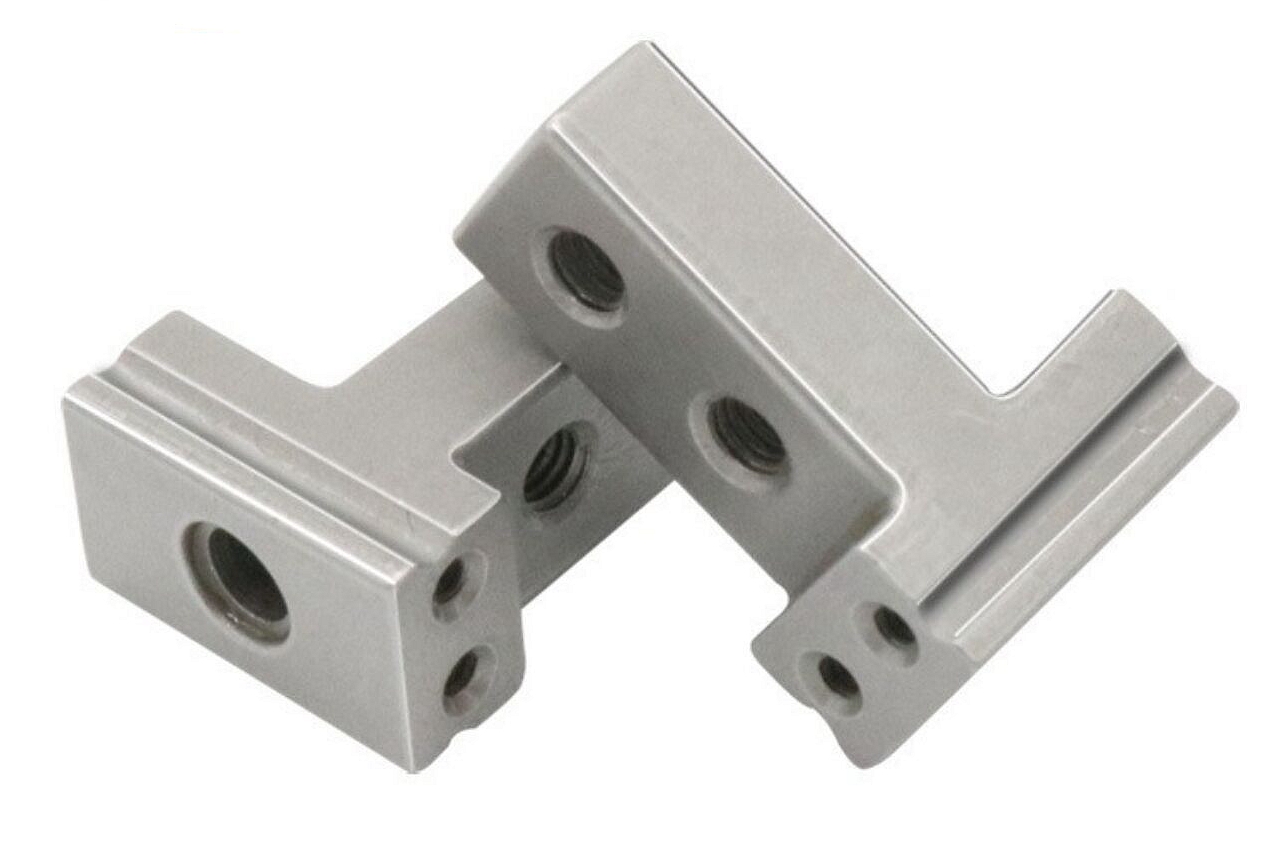
Casting, plastic, and hybrid assemblies should be used when the security function is distributed across a housing, cover, frame, insert, and internal mechanism. A high-hardness MIM insert may protect a local attack point, while a cast or molded housing controls overall stiffness and alignment.
Precision casting may support metal frames, housings, brackets, and thick load paths. Plastic injection molding may support covers, insulation, non-load shells, and controlled breakaway features. Overmolding may support grip, sealing, cable protection, or tamper-evident covers. The buyer should define whether the part should resist attack, absorb impact, hide access, or maintain alignment after abuse.
Process combination | Security design role | Validation focus |
|---|---|---|
MIM hardened insert plus molded housing | Local anti-drill or anti-wear feature with lighter cover | Insert retention, hardness, and pull-out test |
Precision-cast frame plus MIM latch | Strong housing load path with compact locking feature | Pry test, dimensional fit, and latch cycling |
Plastic cover plus metal core | Appearance and insulation around a load-bearing metal structure | Impact, fastening, and tamper access review |
Overmolded security feature | Seal, grip, or protected interface around a metal part | Bonding, peel, wear, and environmental test |
How do heat treatment and surface finishing improve attack resistance?
Heat treatment and surface finishing improve attack resistance by controlling surface hardness, wear, corrosion, friction, and deformation under load. These operations should be tied to the exact attack surface, not applied broadly without a reason.
Heat treatment may be reviewed for hardened pins, cams, bolts, latches, and inserts. Surface finishing may include passivation, plating, coating, polishing, black oxide, or anti-wear treatment depending on corrosion and wear risk. Buyers should define which surfaces are exposed to tools, which surfaces slide, and which surfaces must remain dimensionally controlled after treatment.
What validation tests confirm prying and brute-force resistance?
Validation should test the assembled lock or security component under the defined attack scenario. Useful checks may include pry load testing, pull-out testing, torque testing, impact testing, drilling or cutting resistance review, latch cycle testing, corrosion testing, hardness testing, dimensional inspection, and functional checks after abuse.
Prototyping can help compare material choices, insert geometry, latch design, frame thickness, and overmolded protection before production tooling. The test plan should state load direction, fixture, tool contact point, sample quantity, environmental condition, and pass criteria. Final approval should remain tied to the buyer's security specification and product-level test.
What RFQ details help Neway review anti-pry material and process combos?
An RFQ should include 3D CAD, 2D drawing, attack scenario, load direction, security function, material preference, hardness target, toughness requirement, corrosion exposure, wear condition, process preference, heat treatment, surface finish, insert retention method, assembly state, sample quantity, production volume, and validation method. These inputs let Neway compare MIM, precision casting, plastic injection molding, overmolding, heat treatment, and finishing as one security design route.
The buyer should also identify the main security risk: prying, drilling, cutting, impact, fastener pull-out, latch wear, or corrosion. That priority helps Neway recommend a practical material and process combination.
Related FAQs
What lightweight materials offer strong anti-prying and impact resistance?
How to design locks that balance weight reduction with strength and durability?
Can engineering plastics be used in high-security locks, and what limits exist?
Which precision factors are vital to prevent technical lock manipulation?
Can Neway supply a full lock component solution from prototype to mass production?
What materials and processes suit high-impact environments with frequent drops?
Which surface treatments reduce friction and wear in moving lock parts?
What quality inspection methods are used for tight-tolerance MIM components?