Can you supply a full lock component solution from prototype to mass production?
Neway can support a full lock component solution when the RFQ defines the lock functions, component families, manufacturing processes, validation stages, and mass production requirements clearly. This FAQ explains how Neway connects prototyping, metal injection molding, casting, machining, injection molding, insert molding, overmolding, sheet metal fabrication, surface treatment, inspection, and assembly review for smart lock and mechanical lock parts. The practical RFQ problem is to decide which lock components should move from prototype samples to MIM tooling, casting tooling, plastic tooling, or machining before production cost and quality risk are fixed.
What does a full lock component solution include?
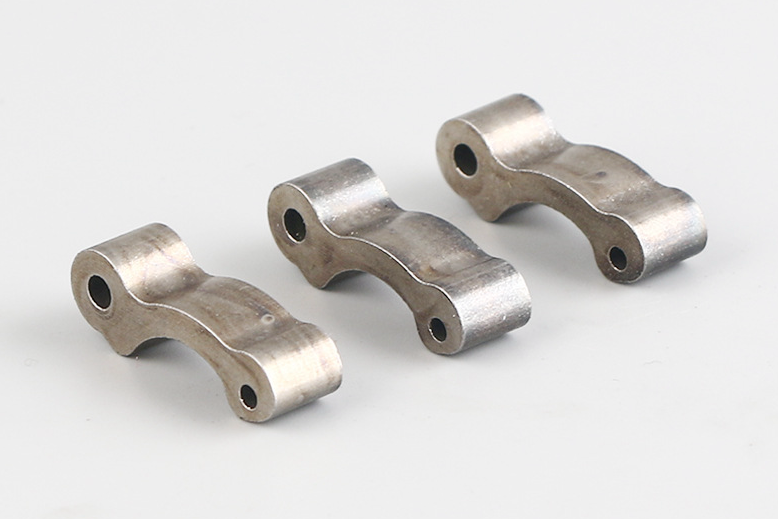
A full lock component solution includes more than one process. A smart lock assembly may contain MIM gears, latch cams, anti-pry pins, die-cast housings, plastic covers, sealing parts, brackets, fasteners, springs, conductive inserts, and finished exterior surfaces. Each component family needs a process route tied to its function.
Neway usually separates the project into mechanical security parts, motion transmission parts, exterior housing parts, plastic protection parts, and secondary operation requirements. This separation helps buyers avoid forcing one manufacturing process onto every part. MIM can be appropriate for miniature metal mechanisms, while aluminum die casting, zinc die casting, precision casting, CNC machining, or injection molding may be better for other lock part families.
Lock component family | Common manufacturing route | Key buyer requirement | RFQ risk to clarify |
|---|---|---|---|
Miniature gears, pawls, cams, latch inserts | MIM, secondary machining, heat treatment, passivation | Tooth profile, bore datum, wear resistance, batch repeatability | Unclear critical dimensions can cause tooling and inspection rework. |
Lock housings, handles, covers, escutcheons | Die casting, precision casting, CNC machining, plastic injection molding | Appearance, corrosion resistance, sealing, impact performance | Surface finish and coating thickness can affect assembly fit. |
Plastic carriers, insulation, keypads, electronics covers | Injection molding, insert molding, overmolding | Insulation, UV resistance, sealing, noise control, snap-fit strength | Metal insert location and plastic shrinkage must be controlled together. |
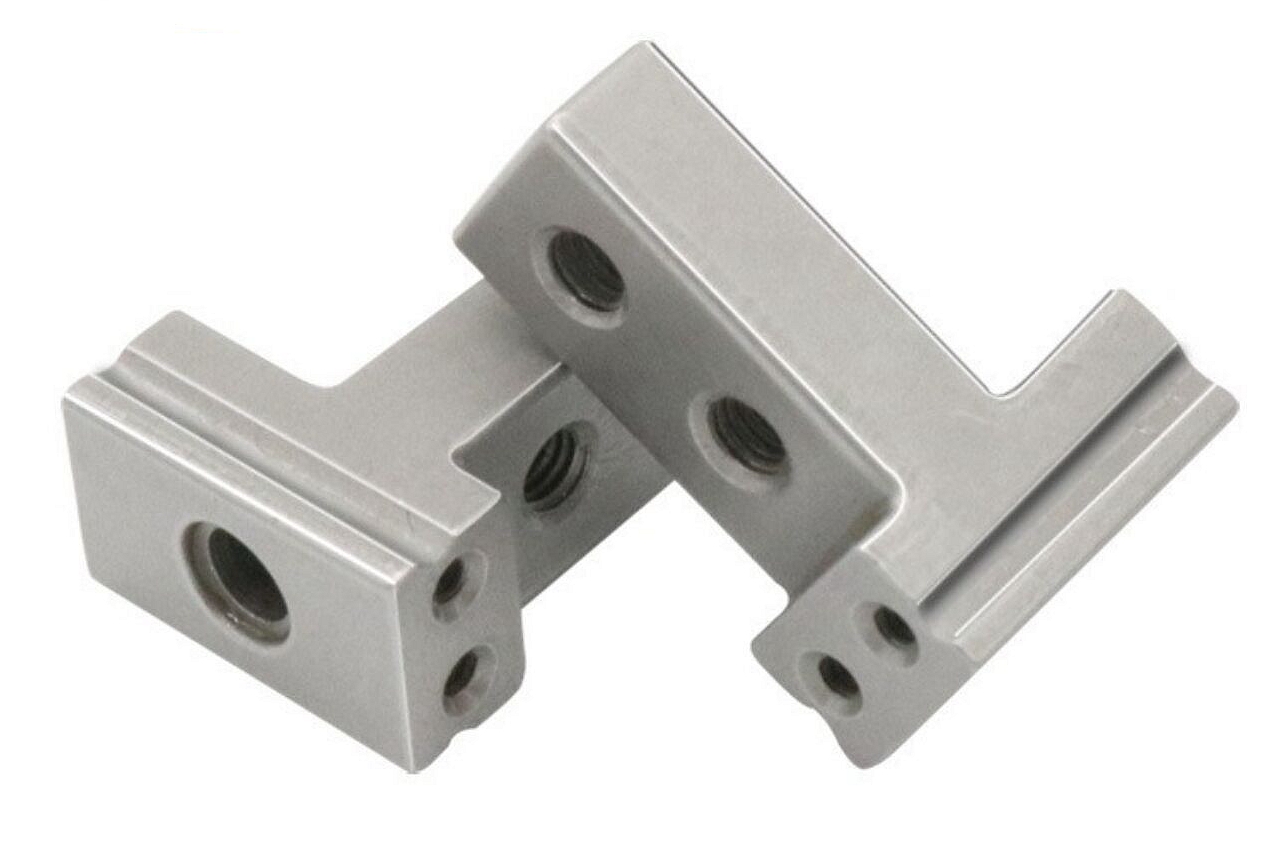
Brackets, plates, shielding, reinforcement parts | Sheet metal fabrication, stamping, bending, surface treatment | Flatness, hole position, grounding, corrosion protection | Assembly stack-up can shift latch alignment or screw preload. |
How does prototype validation reduce lock manufacturing risk?
Prototype validation should answer functional questions before production tooling begins. Buyers can use CNC machining prototyping for metal lock parts, 3D printing prototyping for early geometry checks, and rapid molded or machined plastic samples for fit and assembly review.
Prototype testing should verify torque transfer, latch movement, gear noise, anti-pry load path, handle feel, screw retention, gasket compression, electronics clearance, and corrosion exposure. For an electronic lock, prototype validation should also check how plastic covers, metal inserts, sensors, and moving metal mechanisms interact after repeated cycling.
Prototype results guide the production route. If a gear tooth profile changes after testing, MIM tooling should wait. If the latch force and geometry are stable, Neway can review MIM tooling, sintering shrinkage, secondary machining, heat treatment, and inspection fixtures. If the housing still needs appearance changes, die-cast or plastic tooling should stay in design review.
Which production process fits each lock component family?
The production process should follow the part function. MIM is often useful for small metal parts with complex geometry and repeatable volume, such as smart lock gears, anti-tamper cams, latch hooks, micro shafts, and compact locking inserts. MIM 17-4 PH, MIM 316L, MIM 420, and MIM 440C may be reviewed according to strength, corrosion, wear, and heat treatment requirements.
Aluminum die casting, zinc die casting, or precision casting can support lock housings, handles, brackets, covers, and visible structural parts. Injection molding supports plastic covers, internal carriers, insulation features, and electronics protection. Sheet metal fabrication can support reinforcement plates, shielding, mounting brackets, and stamped parts.
Neway compares the routes by part size, feature density, tolerance, cosmetic standard, annual volume, material grade, secondary machining, heat treatment, coating, and inspection method. The buyer decision should be made by part family instead of choosing one process name for the whole lock.
How are metal, plastic, and overmolded lock parts integrated?
Smart lock programs often need metal strength and plastic protection in the same assembly. Insert molding can place metal inserts, threaded bushings, contacts, or reinforcement parts into a molded plastic component. Overmolding can add grip, insulation, sealing, or impact protection around selected substrates.
The integration review should cover insert retention, plastic shrinkage, gasket compression, screw boss strength, moisture paths, galvanic contact, electronics clearance, and cycle wear. For example, a MIM gear can be paired with an injection molded carrier, but the gear bore, carrier shaft, lubricant, and housing alignment must be checked together.
Buyers should share the complete assembly drawing, not only isolated part drawings. A lock component may pass its individual dimension check and still fail assembly if stack-up, warpage, coating thickness, or insert position is not controlled across the system.
Which surface treatments support lock durability and corrosion resistance?
Surface treatment should be selected by material, exposure, appearance, and motion. Stainless steel MIM parts may use passivation after sintering and finishing. Aluminum housings may use anodizing, painting, or powder coating. Wear faces may need polishing, tumbling, coating, or local machining depending on contact pressure and noise requirement.
For outdoor locks, Neway reviews corrosion exposure, coating adhesion, edge coverage, fastener compatibility, drain paths, and mixed-metal contact. For high-use moving parts, Neway reviews friction, surface roughness, heat treatment condition, hardness, lubricant compatibility, and post-treatment dimensional effect.
Surface treatment decisions should be included in the RFQ because coatings and finishing can change dimensions, appearance, wear behavior, and assembly fit. A late coating change can force tool updates or inspection changes after the part route is already selected.
How does Neway prepare lock parts for consistent mass production?
Mass production readiness starts with frozen drawings, controlled materials, approved samples, inspection fixtures, process parameters, and traceability. For MIM lock parts, Neway reviews feedstock, mold condition, debinding, sintering, heat treatment, machining, surface treatment, and dimensional inspection. For plastic lock parts, Neway reviews resin selection, mold flow, insert position, shrinkage, warpage, color, and assembly fit.
Quality planning should cover incoming material checks, first article inspection, critical dimension sampling, appearance criteria, coating checks, functional tests, cycle tests, corrosion exposure tests, and packaging protection. Lock assemblies often fail because small deviations stack together, so critical-to-function dimensions should be tied to the mating components and final lock behavior.
Production stage | Neway control focus | Buyer approval item | Manufacturing implication |
|---|---|---|---|
Prototype review | Function, assembly, material route, and failure points | Test report, design changes, and process selection | Tooling should wait until critical geometry is stable. |
Tooling and sample build | Mold design, shrinkage, casting layout, insert position | First samples and dimensional report | Sample feedback determines machining allowance and fixture needs. |
Pilot production | Batch repeatability, functional tests, cosmetic criteria | Approved process settings and inspection plan | Process windows are fixed before larger orders. |
Mass production | Traceability, sampling, coating control, packaging | Release criteria and shipment documentation | Consistent input data reduces rework and supplier disputes. |
What RFQ package should buyers send for a full lock component quote?
A useful RFQ package should include assembly drawings, 3D models, 2D drawings, function description, part list, preferred materials, annual volume, target environment, surface treatment requirements, cosmetic standards, critical dimensions, inspection requirements, prototype test goals, and production schedule. Buyers should also identify which parts are security-critical, which parts are cosmetic, which parts move, and which parts protect electronics.
Neway can then assign each part to MIM, casting, machining, injection molding, insert molding, overmolding, sheet metal fabrication, or secondary finishing. The result is a production route based on lock function, part geometry, material behavior, testing, and scale-up needs instead of a generic manufacturing list.
Related FAQs
What is the typical development process from prototype to mass lock production?
How can buyers ensure consistency across high-volume lock parts in production?
For miniaturized lock parts, when should buyers choose MIM or investment casting?
What benefits does MIM offer over machining for gears in smart locks?
How should buyers choose materials and treatments for outdoor lock corrosion resistance?
What material and process combinations resist prying and brute-force attacks?
Which precision factors help prevent technical lock manipulation?
For smart lock transmissions, are metal or engineering plastics more reliable?