How to choose materials and treatments for outdoor lock corrosion resistance?
Outdoor lock corrosion resistance should be specified by environment, part function, material, and surface treatment, not by a coating name alone. This FAQ explains how Neway helps buyers choose metal injection molding stainless steel lock parts, die-cast or cast housings, plastic isolation features, and finishing processes for latch bolts, gears, cams, escutcheons, handles, and smart lock mechanisms. The practical RFQ problem is to decide which material-treatment route can handle rain, humidity, UV exposure, salt, wear, appearance requirements, and production cost before tooling and quotation.
What outdoor exposure should drive lock material selection?
The first decision is the service environment. A lock used on an indoor lobby door, a coastal gate, an industrial cabinet, and a shared outdoor smart lock can need different corrosion protection even when the lock geometry looks similar.
Buyers should describe humidity, rain exposure, salt spray risk, industrial pollutants, cleaning chemicals, UV exposure, operating temperature range, and expected maintenance. These details help Neway separate structural corrosion risks from cosmetic staining risks. For example, a visible escutcheon may need color stability and scratch resistance, while a MIM latch gear may need wear resistance, dimensional stability, and protection after assembly.
Outdoor lock exposure | Risk to lock parts | Relevant part types | RFQ implication |
|---|---|---|---|
Rain and humidity | Surface rust, staining, lubricant washout | Latch bolts, cams, screws, brackets | Specify stainless steel grade, passivation, drainage, and sealing requirements. |
Coastal or chloride exposure | Pitting corrosion and coating breakdown | External housings, handles, exposed shafts | Consider MIM 316L, sealed anodizing, powder coating, or duplex finish systems. |
UV and daily handling | Color fade, chalking, scratches, worn edges | Escutcheons, keypads, decorative covers | Define appearance class, scratch testing, coating adhesion, and color limits. |
Mixed-metal assembly | Galvanic corrosion between dissimilar metals | Fasteners, inserts, aluminum bodies, steel shafts | Request isolation washers, coating coverage, compatible fasteners, and assembly review. |
Which MIM stainless steels fit internal outdoor lock parts?
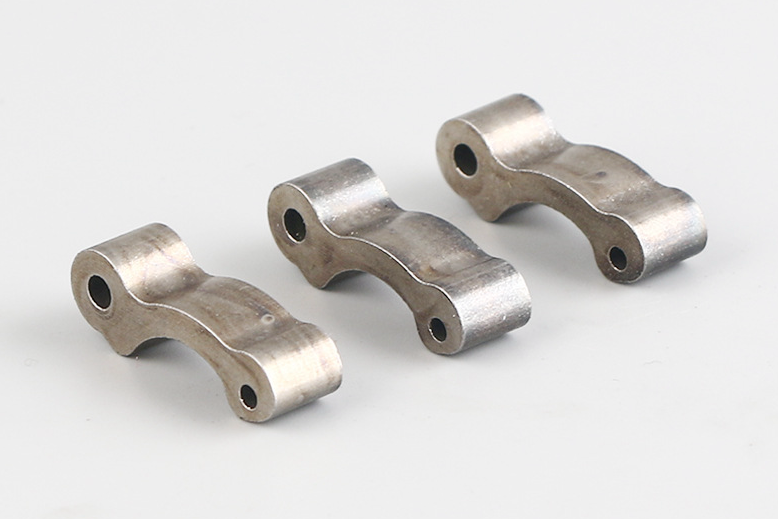
For compact internal lock parts, MIM stainless steel is often selected when the design needs small geometry, repeatable production, and corrosion resistance in one process route. MIM 316L is useful for parts where corrosion resistance has priority, such as small linkages, pins, sensor brackets, and exposed or semi-exposed lock components.
MIM 17-4 PH can be considered when the lock part needs higher strength and wear resistance than 316L can provide. Buyers should confirm whether the part is mainly resisting corrosion, transmitting torque, carrying impact load, or controlling a security interface. That functional decision affects the stainless steel grade, heat treatment, machining allowance, and inspection plan.
For moving lock parts, material choice is only one part of the route. A MIM gear, pawl, spindle, or latch cam may also need secondary machining on datum surfaces, heat treatment for strength, polishing for contact surfaces, or passivation to stabilize stainless steel surfaces after production.
How should aluminum, zinc, and plastic lock housings be protected?
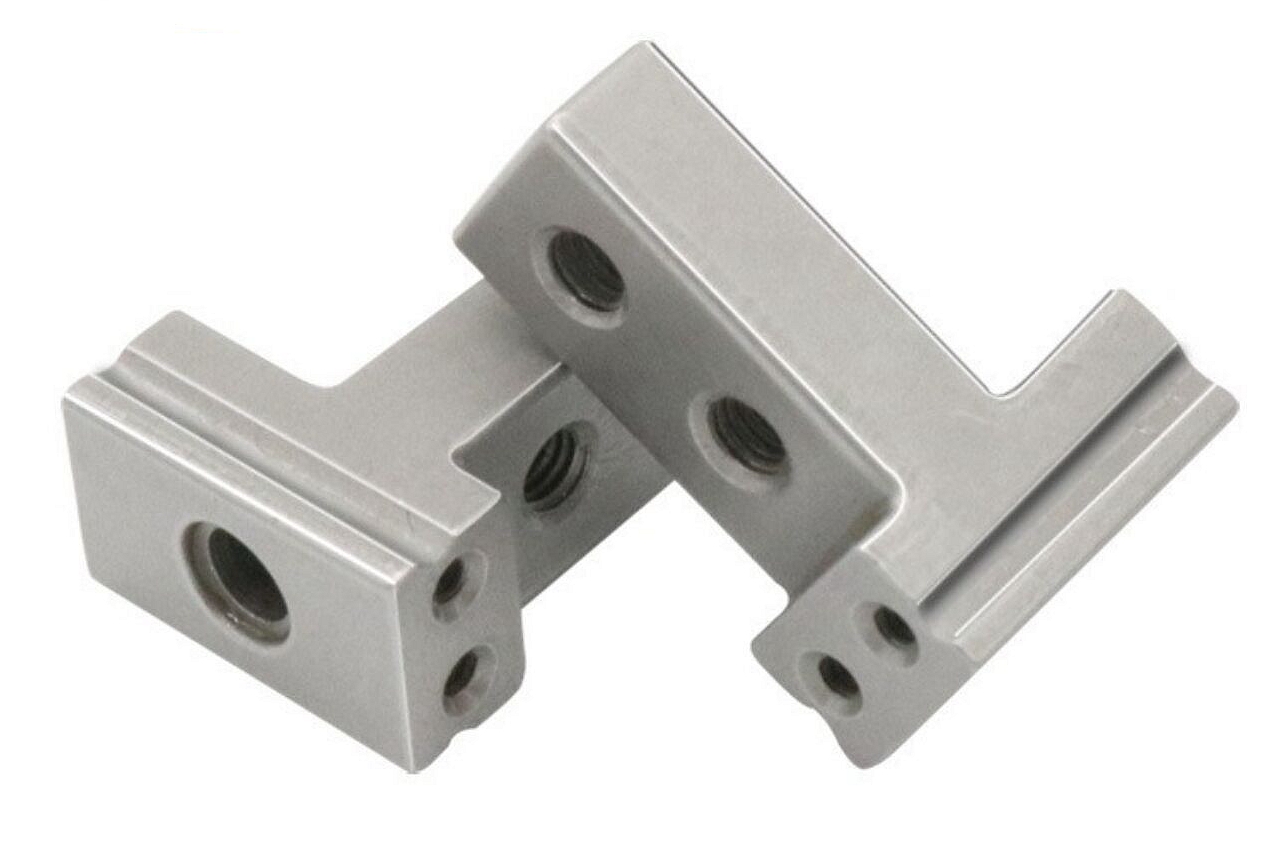
External lock housings should be selected around exposure, appearance, weight, and assembly design. Aluminum die casting can reduce weight and support complex housings, but aluminum lock bodies normally need anodizing, painting, or powder coating to protect the surface outdoors.
Zinc die casting can support thin decorative parts and precise details, but zinc alloy housings still need suitable plating or coating when the part is exposed to moisture and handling. Stainless steel casting can support premium exposed hardware, while injection molding plastics can isolate electronics, reduce galvanic contact, and protect internal components when mechanical load and flame, UV, or impact requirements are defined correctly.
Lock component route | Typical corrosion strategy | Useful buyer requirement | Manufacturing caution |
|---|---|---|---|
MIM 316L internal parts | Stainless substrate plus passivation | Corrosion resistance, dimensional control, contact surface finish | Do not hide machined datum or thread requirements from the RFQ. |
MIM 17-4 PH load-bearing parts | Heat treatment plus passivation or coating review | Strength, wear resistance, actuator torque, latch load | Balance hardness, corrosion performance, and post-treatment distortion. |
Aluminum die-cast housings | Anodizing, powder coating, or paint system | Outdoor color, scratch resistance, sealing, weight target | Control edges, threaded inserts, masking areas, and coating thickness. |
Plastic covers and isolation parts | UV-stable resin, gasket design, and metal isolation | Weathering, impact, electronics protection, assembly fit | Confirm creep, fastener boss strength, and gasket compression. |
Which surface treatments protect lock parts from corrosion and wear?
Surface treatment should match both exposure and contact condition. Passivation supports stainless steel corrosion resistance. Electroplating can improve decorative appearance and surface protection when the substrate, plating stack, and sealing are suitable for the lock environment. PVD coating can add a hard wear-resistant surface on selected latch bolts, handles, and visible metal parts when the base material already supports the outdoor requirement.
Black oxide is mainly a controlled appearance and light protection treatment; it should not be treated as the only weather barrier for a heavily exposed outdoor lock. Galvanizing can help outdoor steel brackets, frames, or structural accessories, but galvanizing is usually not the route for small precision MIM mechanisms because coating thickness and surface buildup can affect fit.
The RFQ should identify which surfaces are cosmetic, which surfaces slide or rotate, which surfaces are sealing faces, and which surfaces are hidden after assembly. That separation prevents a coating selected for appearance from creating friction, tolerance, or assembly problems in the lock mechanism.
How should buyers control galvanic corrosion in mixed-material locks?
Mixed-material outdoor locks need a system-level corrosion review. Stainless steel shafts, aluminum housings, zinc decorative covers, steel screws, copper alloy electrical contacts, and plastic gasket carriers can behave differently when moisture creates an electrical path between metals.
Neway reviews galvanic risk by checking metal combinations, coating continuity, fastener selection, drainage paths, gasket compression, and exposed edges. A stainless steel MIM part may perform well by itself, but the complete lock assembly can still corrode if water remains trapped around screws, inserts, crevices, or damaged coating edges.
For RFQ clarity, buyers should share the assembly stack, fastener materials, gasket concept, environmental test method, and any field failure history. This information lets Neway recommend whether to change a material, add isolation, change a coating, redesign a drain path, or add secondary operation controls.
What validation and inspection details should be included in the RFQ?
A useful outdoor lock RFQ should include drawing files, 3D models, material preferences, annual volume, target environment, expected appearance, critical-to-function dimensions, surface finish requirements, coating thickness limits, and corrosion test expectations. Buyers should also identify whether the part is a visible exterior part, a load-bearing security part, an internal MIM mechanism, or an electronics protection feature.
Inspection may include dimensional checks, visual inspection, coating adhesion checks, surface roughness checks, hardness testing, torque or cycle testing, and corrosion exposure testing agreed for the application. For MIM stainless steel lock parts, Neway can also review sintering shrinkage control, secondary machining needs, heat treatment condition, and passivation requirements before mass production.
A robust material and treatment choice is the route that fits the complete lock assembly, not the route with the most impressive coating name. Buyers can shorten quotation time by sending exposure conditions, lock function, cosmetic standard, testing plan, and the manufacturing process already preferred for each part family.
Related FAQs
Which materials and finishes resist UV and corrosion outdoors?
Which surface treatments protect outdoor locks without adding much weight?
What surface finishes are available for custom stainless steel MIM parts?
Which stainless steel grades are commonly used in OEM metal injection molding services?
What should OEM buyers provide when requesting a quote for custom stainless steel MIM parts?
Which surface treatments reduce friction and wear in moving lock parts?
What material and process combos resist prying and brute-force attacks?
Can you supply a full lock component solution from prototype to mass production?