What surface finishes are available for custom stainless steel MIM parts?
Custom stainless steel metal injection molding (MIM) parts can use as-sintered surfaces, secondary machining, polishing, electropolishing, passivation, sandblasting, brushed finishes, black oxide, PVD-type coatings, and selected coating or cleaning steps when the application requires them. The practical RFQ problem is to choose a surface finish that supports the part's corrosion resistance, appearance, cleanliness, friction, wear, dimensional control, and inspection requirements without adding unnecessary post-processing.
Which surface finishes are used for stainless steel MIM parts?
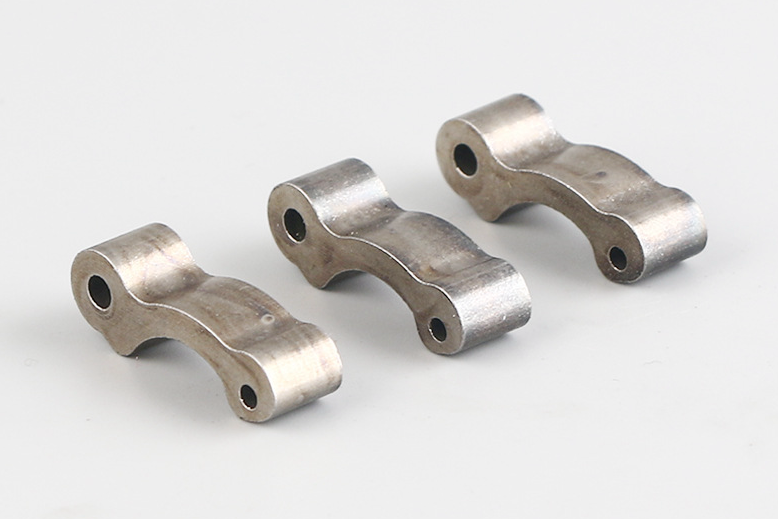
The most common surface finish decision is whether the stainless steel MIM part can remain as-sintered or needs a post-sintering operation. As-sintered surfaces may be suitable for many internal mechanisms and hidden functional components. Secondary machining, polishing, passivation, electropolishing, blasting, brushing, black oxide, or coating-type finishes may be added when the part needs tighter function, cleaner appearance, better corrosion behavior, lower friction, or a controlled contact surface.
The surface finish should be selected by feature. A visible consumer electronics button, a medical device component, a locking system pawl, and a power tool gear interface do not need the same surface requirement. Buyers should define cosmetic zones, contact surfaces, sealing faces, sliding areas, and hidden areas separately in the RFQ.
Stainless Steel MIM Finish | Main Buyer Requirement | RFQ Detail to Confirm |
|---|---|---|
As-sintered | Use the standard MIM surface after sintering | Hidden area, noncritical surface, or acceptable texture |
Secondary machining | Improve datum faces, bores, threads, or sealing surfaces | Machined feature list, tolerance, roughness, and inspection method |
Polishing | Improve appearance or reduce local roughness | Visible surface, target appearance, and edge control |
Electropolishing | Improve clean surface behavior and smoothness | Cleanliness, corrosion exposure, and part geometry limits |
Passivation | Support stainless corrosion resistance after processing | Stainless grade, cleaning condition, and corrosion environment |
Sandblasting or brushing | Create a controlled matte or directional appearance | Cosmetic zone, masking needs, and texture expectation |
Black oxide or PVD-type coating | Change color, wear behavior, or surface function when suitable | Appearance, thickness sensitivity, wear area, and post-coating inspection |
When should buyers keep as-sintered or machined stainless MIM surfaces?
Buyers can keep an as-sintered stainless steel MIM surface when the surface is not cosmetic, not a sealing face, not a precision datum, and not a high-friction contact area. Keeping an as-sintered surface can reduce post-processing cost and avoid unnecessary dimensional change on noncritical areas.
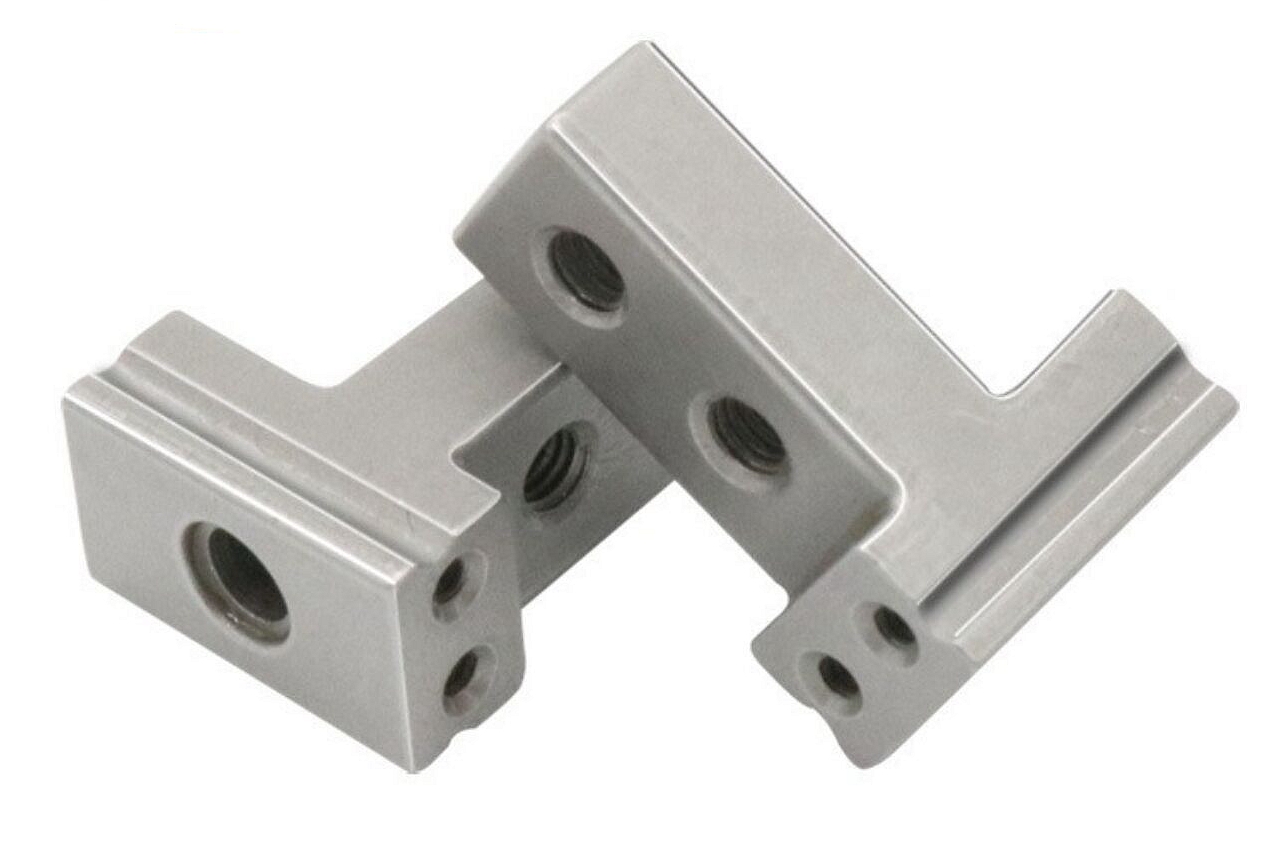
Buyers should add machining when a specific feature needs tighter size, flatness-related control, thread quality, bore accuracy, sealing contact, or a defined surface roughness. Secondary machining is usually applied selectively because machining every surface can remove the economic advantage of near-net-shape MIM.
For related tolerance planning, see secondary machining for MIM tolerance improvement and as-machined surface finishes.
When do polishing, electropolishing, and passivation improve stainless MIM surfaces?
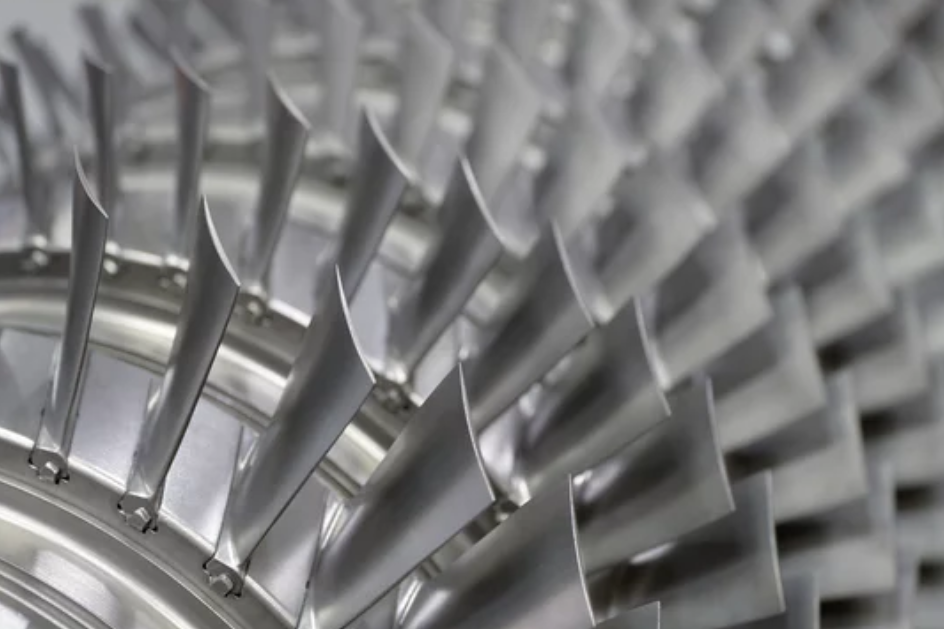
Polishing is considered when a stainless steel MIM part needs improved appearance, lower local roughness, or a smoother contact area. The buyer should define which surfaces are polished because polishing can affect edges, small features, and dimensional relationships if applied without clear limits. More process context is available in polishing process classification and defect solutions.
Electropolishing is considered when a stainless steel MIM part needs a cleaner and smoother surface for medical, fluid-contact, or low-contamination applications. The buyer should confirm whether part geometry, alloy choice, and surface condition are suitable for the required result. For process background, see electropolishing for clean finishes and smooth surfaces.
Passivation is considered when the goal is to support stainless steel corrosion resistance after manufacturing, machining, or handling. Passivation should be connected to the stainless grade and exposure environment. A related knowledge-hub page explains how passivation enhances corrosion resistance of custom metal components.
When are blasting, brushing, black oxide, PVD, or coating-type finishes considered?
Sandblasting is considered when the buyer wants a matte texture, surface preparation, or appearance adjustment on selected stainless steel MIM surfaces. The RFQ should identify masking needs and functional surfaces that should not be roughened. More background is available in sandblasting in surface preparation.
Brushed finishes are considered when visible parts need a directional texture. The buyer should define the visible side, grain direction, and acceptable variation. For broader finishing context, see brushed finishes for aesthetic and functional applications.
Black oxide and PVD-type finishes are considered when color, glare reduction, wear behavior, or surface function matters. These finishes may add thickness, change surface appearance, or require post-finish inspection. For black oxide process context, see black oxide coating service for corrosion resistance.
How do surface finish choices affect dimensions, inspection, and cost?
Surface finish choices affect dimensions when material is removed, added, polished, blasted, or chemically treated. A finish may change edge sharpness, surface roughness, hole size, thread condition, or mating fit. This is why buyers should separate cosmetic surfaces from functional surfaces before quotation.
Inspection may be needed after finishing, especially for threads, bores, sealing faces, sliding surfaces, appearance zones, corrosion-exposed surfaces, and medical or electronics components. CMM measurement, gauges, visual criteria, roughness checks, hardness checks, or coating review may be required depending on the part.
Cost increases when the finish requires masking, fixturing, controlled chemistry, polishing labor, coating time, or added inspection. The buyer can control cost by applying finishes only where they support function or customer appearance requirements.
Finish Decision | Manufacturing Impact | Buyer Control Point |
|---|---|---|
Finish entire part | Higher processing and inspection time | Use when all surfaces require the finish |
Finish selected surfaces | May require masking or special handling | Mark cosmetic and functional zones on the drawing |
Machine before finishing | Can improve fit surfaces but adds operation time | Define datums, bores, threads, and roughness targets |
Finish after heat treatment | Can affect final appearance and corrosion behavior | State heat treatment state and final finish order |
Inspect after finishing | Adds release evidence for critical surfaces | Define report format and acceptance criteria |
What RFQ details help Neway choose a stainless steel MIM finish?
Neway can recommend a stainless steel MIM surface finish more accurately when the RFQ includes the stainless grade, part function, 3D CAD file, 2D drawing, cosmetic zones, contact surfaces, corrosion environment, cleaning requirement, wear condition, friction concern, heat treatment state, secondary machining list, and inspection criteria.
Buyers should state the finish reason directly. If the priority is corrosion resistance, provide the exposure environment and cleaning method. If the priority is appearance, define visible surfaces and finish texture. If the priority is wear or sliding contact, define mating material, movement, load, and acceptable roughness. If the priority is medical or clean-service use, define cleanliness, passivation, electropolishing, and documentation needs.
The surface finish should support the stainless steel grade and the MIM manufacturing route. A finish that looks attractive on a drawing may not be useful if it damages small features, changes a critical dimension, or adds cost to nonfunctional surfaces.
Related FAQs
Why are stainless steel parts a good fit for metal injection molding?
Which stainless steel grades are commonly used in OEM metal injection molding services?
What should OEM buyers provide when requesting a quote for custom stainless steel MIM parts?
Can OEM metal injection molding services produce complex stainless steel parts with custom features?
Can secondary machining improve tolerances for metal injection molded components?
What quality inspection methods are used for tight-tolerance MIM components?
Which materials are suitable for metal injection molding MIM?
What materials and surface treatments suit steam-sterilized surgical instruments?