For miniaturized lock parts, which is better — MIM or investment casting?
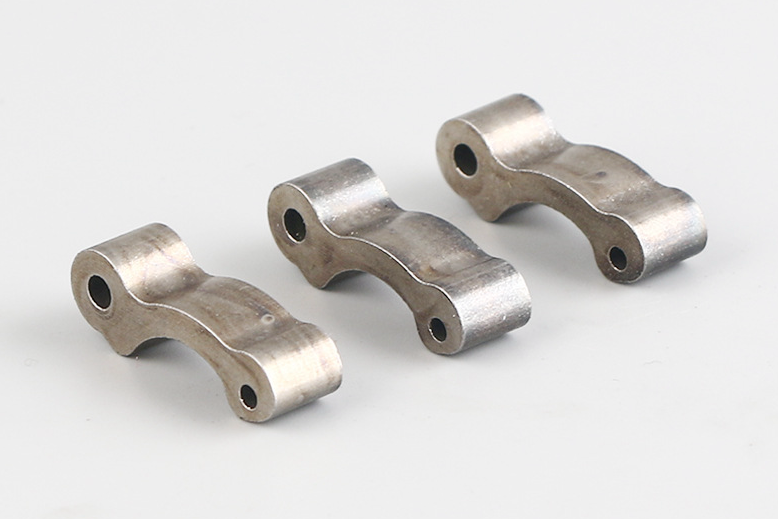
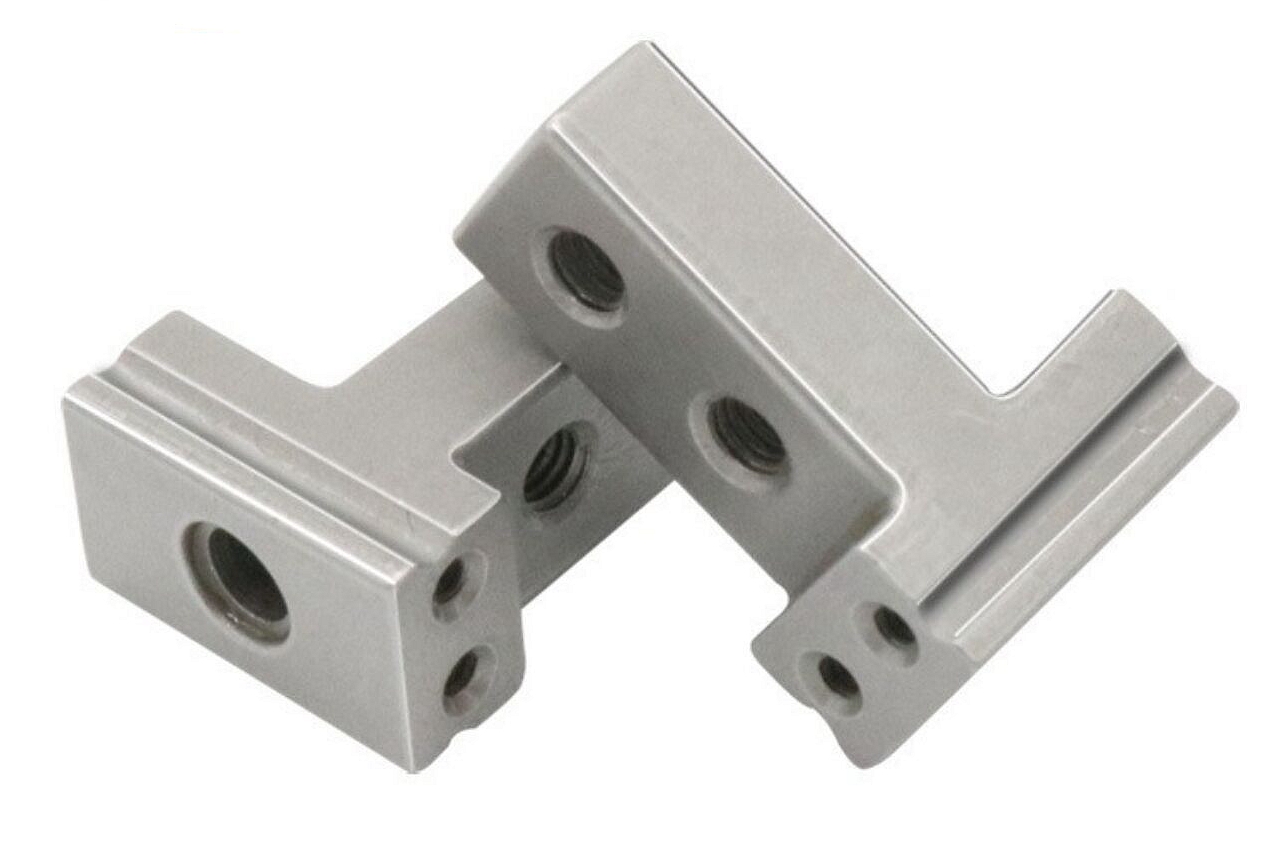
For miniaturized lock parts, MIM is usually the stronger manufacturing route than investment casting when the part is small, complex, high-volume, and controlled by tight functional features. This FAQ compares metal injection molding and investment casting for smart lock gears, pawls, cams, anti-pry pins, latch parts, shafts, and compact security mechanisms. The practical RFQ problem is to decide whether the buyer should quote a MIM tool for repeatable miniature production, use investment casting for larger lock hardware, or keep prototype machining before selecting the production route.
Which miniaturized lock parts usually favor MIM over investment casting?
MIM usually fits small lock mechanisms that need fine teeth, thin walls, internal profiles, splines, slots, holes, hooks, or anti-tamper details. These features are common in smart lock transmissions, electronic access modules, latch control assemblies, and compact mechanical override systems.
Investment casting can make complex metal shapes, but investment casting is often more suitable for larger lock housings, brackets, handles, levers, and structural parts where the geometry is not dominated by miniature precision features. When a lock part becomes very small, gate removal, ceramic shell control, casting variation, and post-machining access can become more difficult for investment casting.
Buyer decision | MIM route | Investment casting route | RFQ implication |
|---|---|---|---|
Small gear or pawl with fine features | Near-net-shape molding and sintering support repeatable details. | Post-casting machining may be needed for teeth, holes, and datums. | Quote MIM when annual volume and feature density justify tooling. |
Large lock housing or handle | MIM may be inefficient because of part size and tool cost. | Casting can support larger metal forms with later machining. | Quote casting when size, wall mass, and lower detail density dominate. |
Anti-pry pin, cam, or latch insert | MIM can combine compact shape, alloy strength, and secondary finishing. | Casting may need extra stock for critical surfaces. | Identify load surfaces, wear faces, and security interfaces clearly. |
Low-volume validation sample | MIM tooling may be premature before geometry is stable. | Casting may still need tooling and finishing review. | Use CNC machining or rapid prototyping first if the design may change. |
How do MIM and investment casting differ for small lock features?
The main difference is how each process forms detail. MIM mixes fine metal powder with binder, injection molds a green part, removes binder, and sinters the part to final density. This route can support compact details that would be hard to machine repeatedly after casting.
Investment casting uses wax patterns, ceramic shells, molten metal, and shell removal. Investment casting handles complex metal shapes, but very small lock features can be affected by wax pattern handling, shell thickness, metal flow, solidification, gate removal, and surface cleanup. For a miniature lock gear or cam, each extra finishing operation can add dimensional risk and inspection cost.
For RFQs, the buyer should decide which features are molded-to-shape and which features must be machined. Gear teeth, bore datums, shaft flats, latch hooks, sensor slots, and threaded holes should not be treated as generic geometry. Each feature should be linked to a tolerance, inspection method, and assembly function.
How should buyers compare tolerance, shrinkage, and machining allowance?
MIM tolerance control depends on feedstock consistency, mold design, debinding, sintering shrinkage, support during sintering, and secondary machining strategy. Neway reviews parting line location, gate position, wall thickness balance, datum scheme, sintering orientation, and inspection fixtures before approving a production route.
Investment casting tolerance control depends on wax pattern accuracy, shell building, pouring, solidification, heat treatment, straightening, and machining allowance. Investment casting can be practical for many metal parts, but miniature lock parts often have less room for stock removal and fixture clamping.
Control item | MIM consideration | Investment casting consideration | Buyer action |
|---|---|---|---|
Critical bore or shaft datum | May be molded near-net and finished by machining if needed. | Usually needs machining stock and fixture access. | Mark datum surfaces and gauge method on the drawing. |
Thin latch hook or pawl tip | Check wall balance, tooling strength, and sintering support. | Check fill, shell support, edge cleanup, and distortion risk. | Provide load direction, impact requirement, and wear surface details. |
Fine gear tooth profile | Review mold release, shrinkage compensation, and final inspection. | Review casting surface, machining access, and tooth finishing plan. | Define gear data, noise requirement, backlash target, and mating part. |
High-volume consistency | Tooling and sintering controls can support repeatable batches. | Wax, shell, pouring, and finishing variables need broader control. | Ask for inspection points, sampling plan, and traceability route. |
Which materials support miniature MIM lock parts and cast lock hardware?
For miniature MIM lock parts, material selection depends on corrosion exposure, wear, strength, magnetic behavior, and heat treatment. MIM 316L can support corrosion-resistant small parts. MIM 17-4 PH can support higher strength requirements. MIM 420 and MIM 440C may be considered for wear-loaded lock parts after heat treatment and finishing review.
For larger cast lock hardware, cast stainless steel, aluminum, zinc alloy, or copper alloy may be selected according to housing size, exterior appearance, corrosion resistance, and cost. Investment casting may also be compared with die casting or precision casting when the part is a lock cover, bracket, escutcheon, or handle instead of a miniature mechanism.
The material decision should be tied to function. A decorative housing needs appearance and weathering control. A latch part needs load capacity and wear resistance. A gear needs tooth profile control, surface finish, and stable contact. A security pin needs strength, toughness, and controlled interfaces with mating parts.
When is investment casting still useful for lock assemblies?
Investment casting remains useful when the lock component is larger, less feature-dense, or better suited to casting geometry than miniature MIM tooling. Examples can include structural brackets, exposed handles, larger stainless steel housings, and decorative metal covers that need complex outside shapes but not miniature internal gear details.
Buyers should also consider investment casting when the program volume is lower, the design is still changing, or the part size creates an unfavorable MIM tool and sintering route. In those cases, Neway can compare investment casting, die casting, CNC machining, and MIM based on part size, tolerance class, material grade, finishing, validation samples, and production volume.
The decision is not simply MIM versus investment casting. The production route can combine processes: CNC prototypes for early testing, MIM parts for miniature mechanisms, investment cast or die-cast parts for housings, and injection molded plastics for covers, insulation, or electronics protection.
What RFQ information lets Neway compare MIM and investment casting?
A useful RFQ should include 3D models, 2D drawings, annual volume, target material, heat treatment, surface treatment, critical dimensions, gear data, bore requirements, thread requirements, cosmetic surfaces, load cases, corrosion exposure, and inspection method. For miniature lock parts, buyers should also identify whether the part is a gear, cam, pawl, latch hook, anti-pry pin, sensor bracket, shaft, or small structural insert.
Neway can then decide whether the part should be quoted as MIM, investment casting, machining, die casting, or a mixed process assembly. Clear RFQ data reduces rework because the production route is selected from part function, feature size, material, inspection, and batch quantity instead of a general process preference.
If the design has not been validated, Neway may recommend prototype machining or additive samples before MIM tooling. If the geometry is stable and the annual volume is suitable, MIM can reduce repeated machining on miniature lock parts and support consistent production for smart lock assemblies.
Related FAQs
What are the pros of MIM vs investment casting for complex lightweight parts?
What benefits does MIM offer over machining for gears in smart locks?
Which design factors affect dimensional accuracy in precision MIM parts?
How are tight-tolerance components controlled during the MIM shrinkage process?
What quality inspection methods are used for tight-tolerance MIM components?
Can you supply a full lock component solution from prototype to mass production?