How are tight-tolerance components controlled during the MIM shrinkage process?
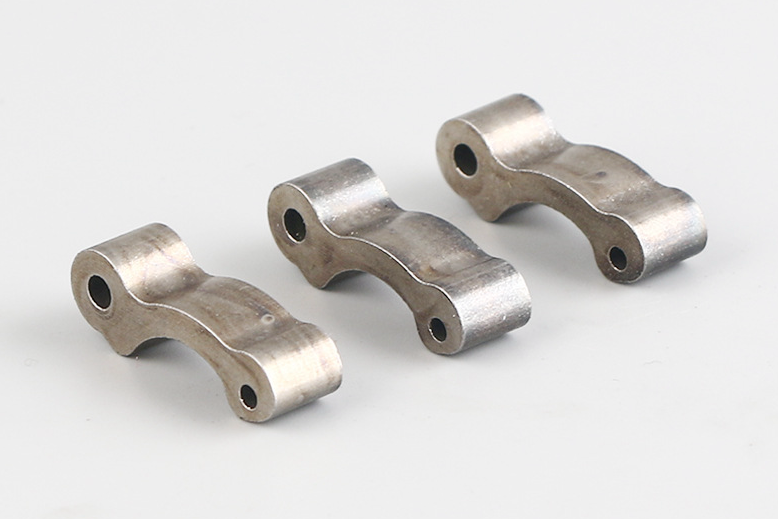
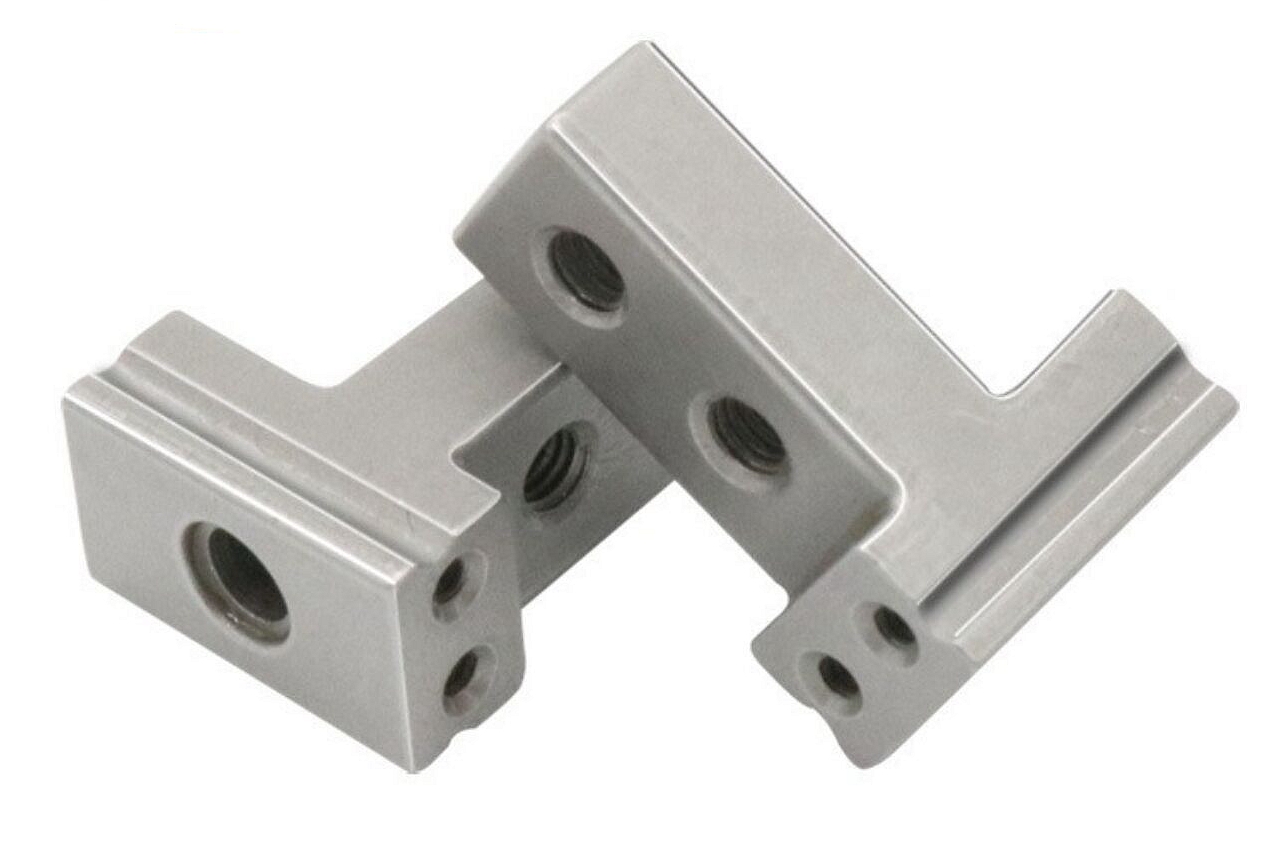
Tight-tolerance MIM components are controlled by making shrinkage predictable from the green part stage through debinding, sintering, finishing, and inspection. This FAQ explains how Neway controls metal injection molding shrinkage for gears, cams, bores, latch inserts, medical parts, connector features, thin-wall components, and precision mechanisms. The practical RFQ problem is to decide which features need as-sintered control, which features need secondary finishing, and which process controls are required before the MIM tool is released.
Why does tight tolerance depend on shrinkage management?
MIM parts shrink during sintering because the powder particles bond and densify after binder removal. The molded green part is intentionally larger than the final part. Tight tolerance control depends on predicting that dimensional change and keeping it repeatable across material batches, cavities, sintering loads, and production runs.
Shrinkage cannot simply be eliminated. It must be designed into the tool and process. Neway reviews part geometry, wall thickness, feedstock behavior, mold compensation, debinding route, sintering support, heat treatment, machining allowance, and inspection method together. If one stage changes, final dimensions can change.
Control stage | What Neway controls | Dimensional risk | Buyer requirement to define |
|---|---|---|---|
Feedstock and molding | Powder loading, flow, mold temperature, gate location, green density | Uneven filling or green part variation | Critical surfaces, no-gate areas, cosmetic limits |
Tool compensation | Scaled cavity dimensions and feature-specific allowances | Incorrect final size after sintering | Datum scheme, final dimensions, mating parts |
Debinding and sintering | Binder removal, support, orientation, furnace profile, atmosphere | Warping, cracking, bowing, ovality | Wall sections, flatness, bore position, profile tolerance |
Finishing and inspection | Machining, sizing, heat treatment, coating, measurement plan | Final clearance or datum shift | Secondary operation plan and acceptance criteria |
How do feedstock and tooling compensation control dimensions?
Feedstock consistency affects how the molded part fills and how it later shrinks. Powder size, powder shape, binder system, powder loading, and storage conditions can influence green density and final shrinkage. Neway reviews feedstock condition before production so shrinkage behavior is not treated as only a tooling issue.
Tooling compensation scales the mold cavity to account for expected shrinkage. The compensation may need different attention for bores, slots, thin walls, bosses, gear teeth, and flat areas. A simple uniform scale factor may not solve every geometry risk, especially on complex precision parts.
Buyers should identify critical dimensions before tooling. If the RFQ does not identify the features that control assembly, Neway cannot properly separate general shrinkage compensation from features that may need machining or special inspection.
How do geometry balance, debinding, and sintering support control shrinkage?
Geometry balance helps parts shrink more predictably. Uneven wall thickness, heavy bosses next to thin ribs, long unsupported sections, deep slots, and asymmetric mass can create distortion. Neway reviews whether geometry should be adjusted before tooling or supported during sintering.
Debinding must remove binder without damaging the brown part. Thin walls, small holes, and delicate profiles need careful support and handling. Sintering support then helps keep the part stable while it densifies. Setter design, contact surfaces, part orientation, and furnace loading can all affect final shape.
For tight-tolerance components, the process route should identify which surfaces can touch a setter, which surfaces are cosmetic, which surfaces are datums, and which features are sensitive to gravity or thermal distortion.
When are fixtures and secondary finishing needed?
Fixtures and secondary finishing are needed when the final feature cannot rely only on as-sintered MIM. Precision bores, threads, bearing seats, sealing faces, gear datums, latch contact faces, and tight positional relationships may need machining, reaming, tapping, grinding, sizing, coining, or polishing.
Neway may use fixtures for machining, measurement, heat treatment support, or assembly checks. The fixture strategy should follow the same datum scheme as the drawing. If the fixture datum does not match the assembly datum, the reported part can pass inspection while failing in the final product.
Secondary finishing should be planned before tooling because machining allowance, coating thickness, heat treatment distortion, and polishing removal can change final dimensions.
How do validation and inspection confirm tight tolerance?
Validation confirms that shrinkage control works before full production. Neway may use first article inspection, dimensional reports, CMM measurement, optical inspection, gauge checks, hardness testing, surface roughness checks, coating checks, and functional assembly tests depending on the part.
For repeat production, selected critical dimensions can be monitored with statistical process control. These dimensions should be tied to function: bore fit, gear mesh, latch movement, sealing, connector engagement, or assembly alignment. Monitoring should help detect process drift in the features that matter to the buyer.
Validation method | What it confirms | Relevant tight-tolerance feature | Buyer approval output |
|---|---|---|---|
First article inspection | Tool compensation and process route | Overall size, bores, datums, profiles | Approved sample and dimensional report |
CMM or optical measurement | Feature position and profile accuracy | Gear teeth, slots, hole location, cam profile | Measurement points and tolerance agreement |
Functional gauge | Fit and movement with mating parts | Lock parts, connector parts, moving mechanisms | Gauge design and acceptance rule |
Process sampling | Batch consistency and drift control | Critical-to-function dimensions | Sampling plan and traceability requirement |
What RFQ data helps Neway control tight-tolerance MIM shrinkage?
A useful RFQ should include 3D models, 2D drawings, datum scheme, material grade, annual volume, wall thickness, critical dimensions, mating parts, heat treatment, surface finish, machined features, inspection method, functional test method, and any known failure or tolerance history from previous production.
Neway can then decide which features can be controlled as-sintered, which features need secondary finishing, and which process controls should be included in the production plan. Tight-tolerance MIM is easier to control when the part function, shrinkage control, and measurement method are defined before tooling starts.
Related FAQs
What tolerances can precision metal injection molding services typically achieve?
Which design factors affect dimensional accuracy in precision MIM parts?
What quality inspection methods are used for tight-tolerance MIM components?
Can secondary machining improve tolerances for metal injection molded components?
What tooling considerations are important for high-volume MIM production?
How can custom MIM services maintain part consistency across large production runs?