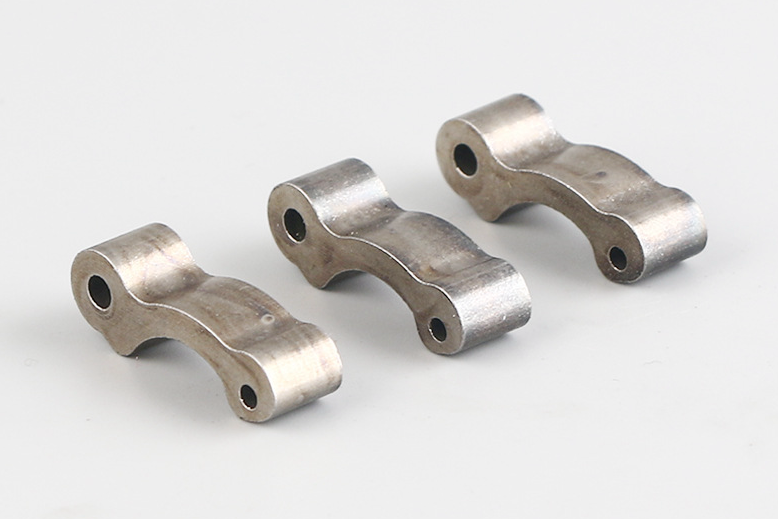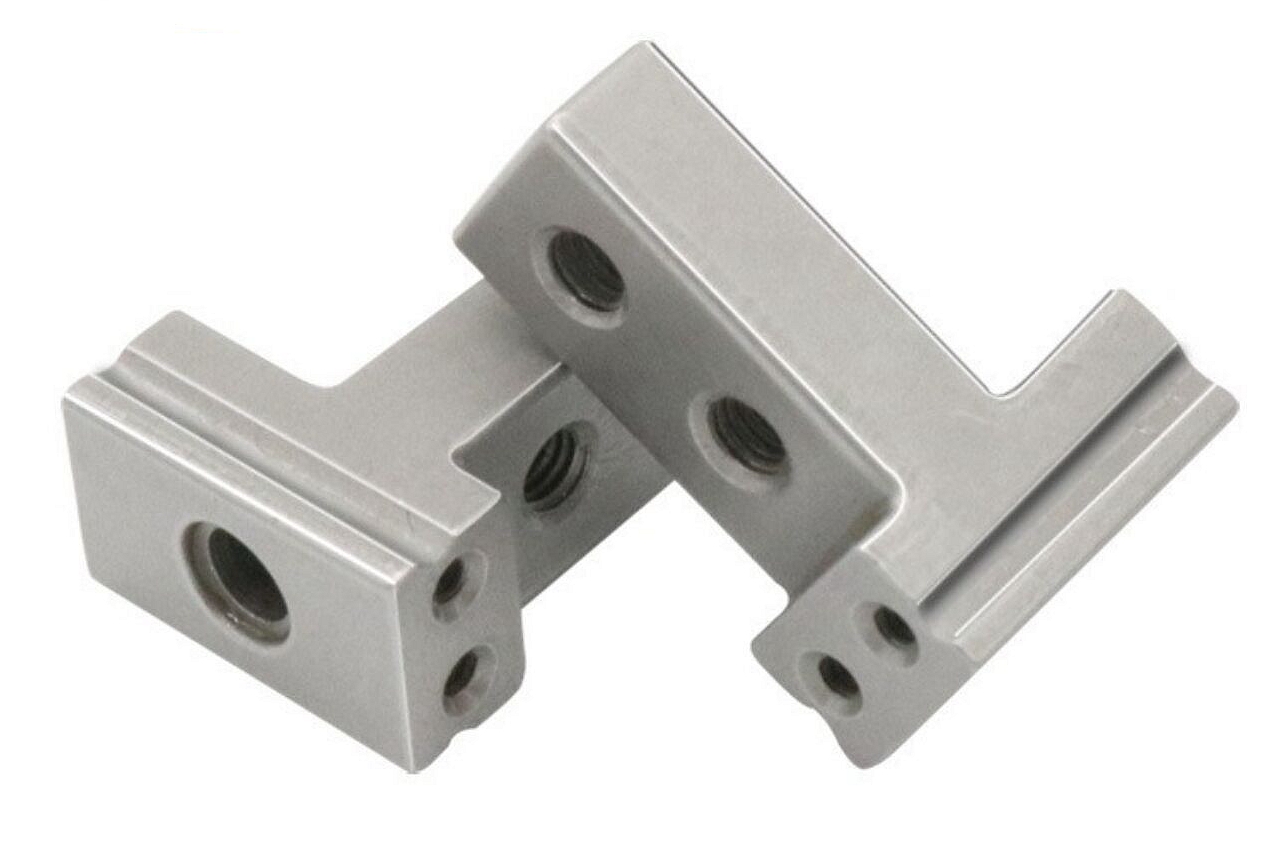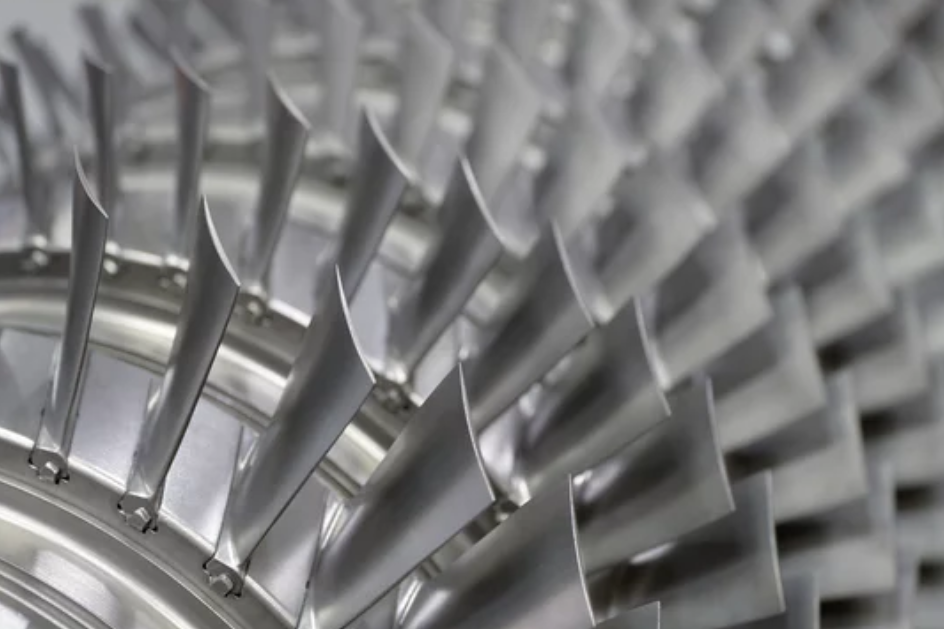
What Are The Applications of Thin-Walled MIM Parts Across Industries?
Thin-walled MIM parts are Metal Injection Molding components with narrow wall sections, compact features, and weight-sensitive geometry that must still survive molding, debinding, sintering, inspection, and final assembly. The practical RFQ problem is deciding whether a thin-walled MIM housing, bracket, shield, heat sink, sensor part, cabin component, or transmission component can balance lightweight design, strength, dimensional control, and production risk.
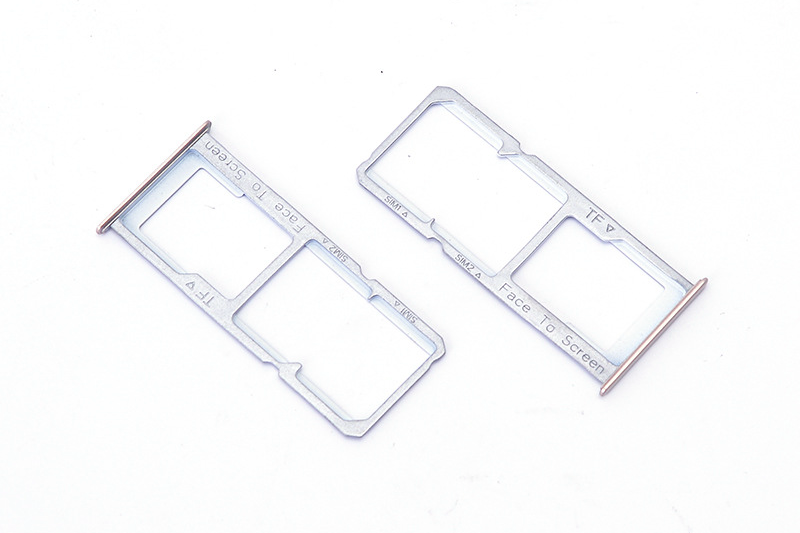
What does thin-walled mean for Metal Injection Molding parts?
Thin-walled in MIM means that wall sections are narrow compared with the overall part size and functional load. The exact limit is project-specific because the practical wall thickness depends on material, powder feedstock, injection flow, mold design, debinding path, sintering support, and final inspection requirement.
Buyers should treat thin wall capability as an engineering review item rather than a universal number. A thin wall on a decorative cover may be easier to approve than a thin wall that carries load, aligns a shaft, holds a thread, seals a cavity, or supports repeated assembly.
Why use MIM for thin-walled metal components?
MIM can be useful for thin-walled metal components because the process combines injection molding geometry freedom with sintered metal properties. The process can support compact features, small ribs, slots, bosses, curved walls, internal details, and high part counts when the geometry and volume justify tooling.
Thin-walled MIM parts are often considered when CNC machining would remove too much material, when sheet metal cannot form the required three-dimensional detail, or when die casting is not suitable for very small complex metal features. The buyer should compare MIM with CNC machining, stamping, die casting, and additive manufacturing based on function, quantity, material, tolerance, and secondary operation needs.
Thin-walled MIM application area | Typical part examples | Buyer requirement supported | Manufacturing risk to review |
|---|---|---|---|
Consumer electronics | Small housings, hinges, camera brackets, connector shields, compact metal covers | Low weight, compact size, cosmetic surfaces, assembly fit | Wall stability, surface finish, shrinkage, and handling damage |
Telecommunication | RF shields, connector parts, sensor housings, mounting brackets | Precision interfaces, corrosion resistance, electrical or shielding function | Thin-wall distortion, hole position, plating or finishing compatibility |
Lighting solution | LED heat sink elements, lamp housings, small brackets, adjustment parts | Heat transfer, compact packaging, surface finish, assembly features | Thermal material selection, flatness, and secondary finishing |
Medical device | Instrument parts, small housings, surgical tool components, device brackets | Small metal features, cleanable geometry, functional precision | Material documentation, surface condition, and buyer validation requirements |
Aerospace cabin | Interior fittings, latch parts, brackets, lightweight metal details | Weight reduction, compact structure, repeatable assembly | Material choice, inspection, and final application qualification |
Automotive transmission | Small gear-related parts, sensor parts, linkage components, compact metal features | Wear behavior, dimensional stability, repeatable production | Sintering distortion, density, heat treatment, and functional testing |
How are thin-walled MIM parts used in consumer electronics and telecommunication?
Consumer electronics applications often need compact metal parts with thin walls, small holes, cosmetic surfaces, and controlled assembly interfaces. MIM can be considered for hinges, small brackets, connector shields, wear-resistant details, and compact housings when the annual volume and geometry justify tooling.
Telecommunication parts may need thin metal shields, connector features, sensor housings, or small brackets with stable dimensions. The buyer should define electrical, shielding, corrosion, surface finish, and assembly requirements before quotation because those requirements affect material grade, sintering, finishing, and inspection.
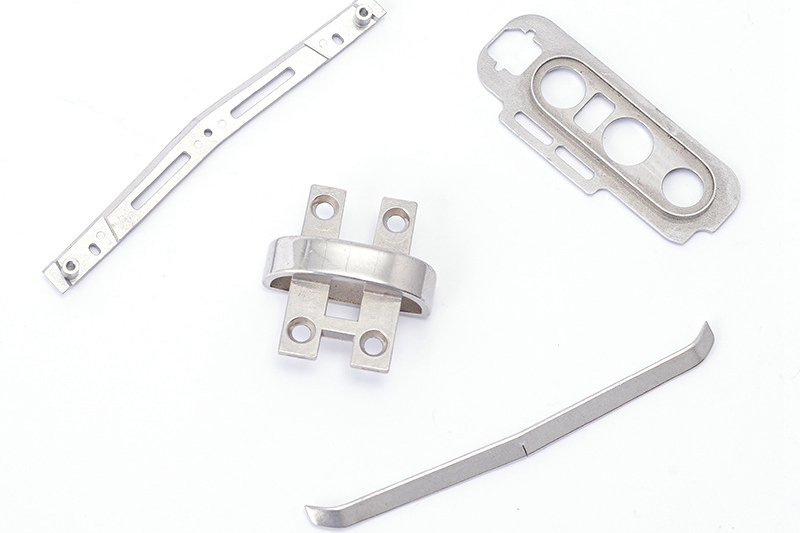
How are thin-walled MIM parts used in lighting, medical device, and aerospace applications?
Lighting applications can use thin-walled MIM parts when a compact metal component needs heat transfer, corrosion resistance, assembly fit, or a durable adjustment feature. Surface finish, flatness, and thermal behavior should be included in the RFQ when the component contacts an LED module, heat path, or visible housing.
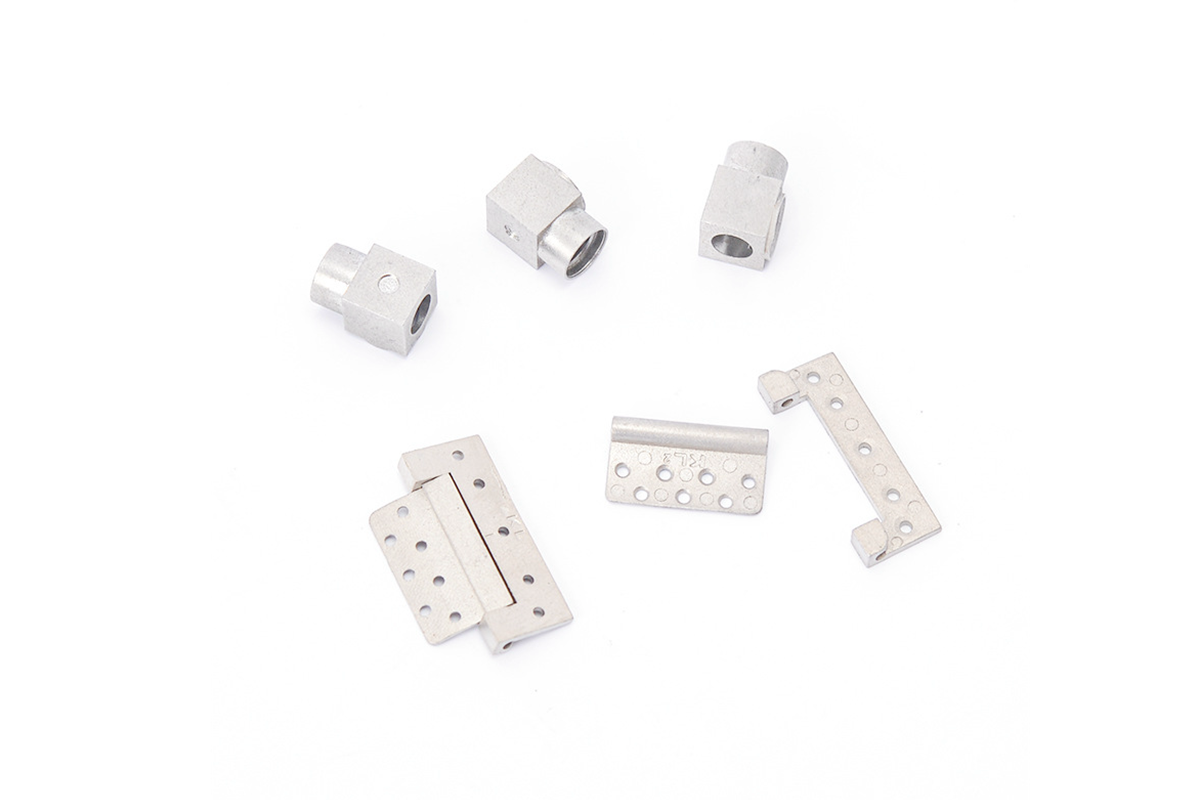
Medical device applications can use MIM for small precision metal parts, but the buyer must define material, surface condition, cleaning, inspection, and validation needs. For medical use, final application validation and regulatory approval remain the buyer's responsibility.
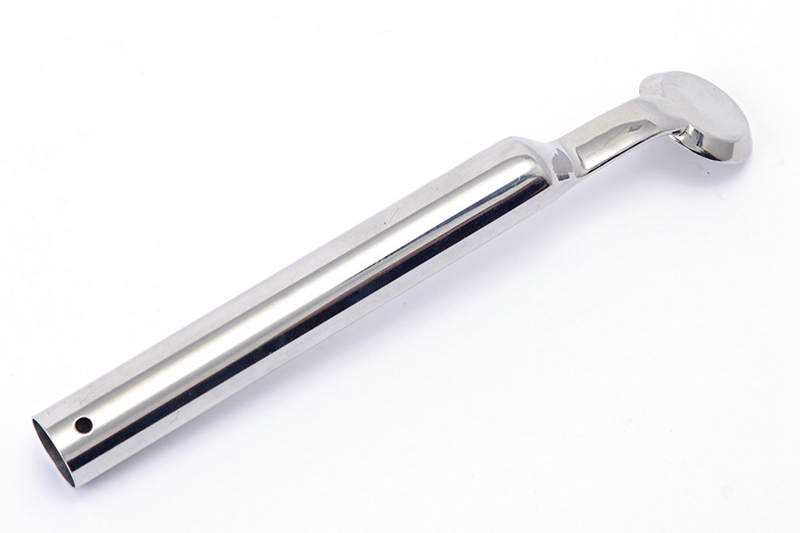
Aerospace cabin applications may value thin-walled MIM parts when weight reduction, compact metal geometry, and repeatable assembly are important. Buyers should identify load, environment, inspection, and qualification requirements before using MIM parts in regulated aircraft applications.
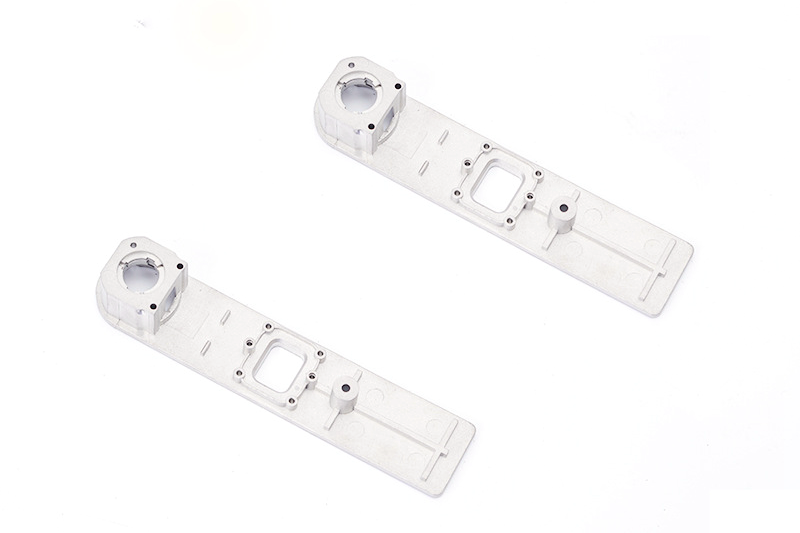
How are thin-walled MIM parts used in automotive transmission and functional metal assemblies?
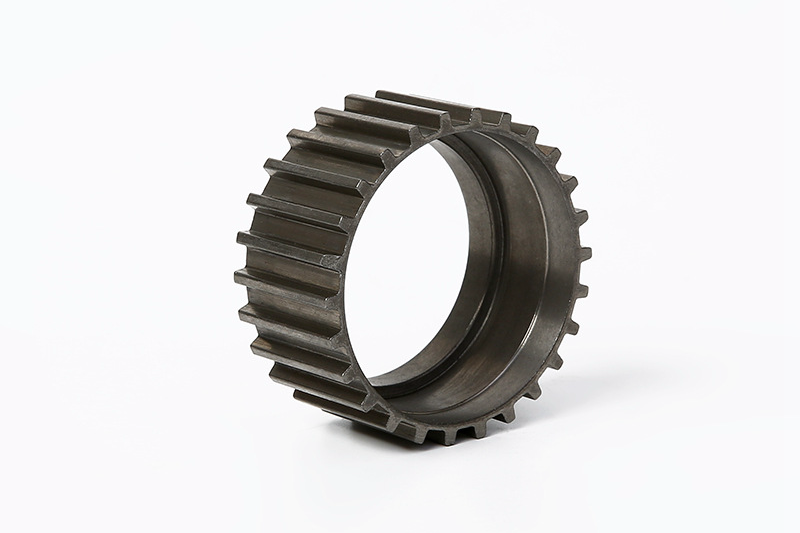
Automotive and transmission-related applications can use MIM when small metal parts need wear behavior, compact geometry, repeatable dimensions, or high production volume. MIM may be considered for linkage parts, small gear-adjacent features, sensor components, retainers, and precision metal details.
Functional automotive parts require careful review of material, heat treatment, density, tolerance, and testing. A thin wall that supports only packaging may have a different risk level from a thin wall exposed to vibration, wear, temperature, or cyclic load.
What design and inspection issues matter for thin-walled MIM parts?
Thin-walled MIM parts need careful design for flow length, wall uniformity, gating, debinding, sintering support, shrinkage, and ejection. Abrupt section changes, long unsupported walls, isolated thin posts, deep slots, and sharp transitions can increase distortion, cracking, or dimensional risk.
Inspection should focus on critical functional features. Buyers should identify mating faces, holes, slots, thin-wall edges, datum surfaces, flatness requirements, cosmetic surfaces, and secondary machining needs. If a feature cannot be reliably controlled as-sintered, the RFQ should state whether sizing, machining, polishing, heat treatment, or coating is required.
Material selection also matters. Stainless steel, low-alloy steel, magnetic alloy, tool steel, titanium alloy, or specialty MIM material choices should be tied to corrosion resistance, strength, magnetic behavior, wear, weight, temperature, and final application requirements.
What should buyers provide for a thin-walled MIM RFQ?
A useful thin-walled MIM RFQ should include the 3D CAD model, 2D drawing, material grade, target quantity, application, wall thickness concerns, functional surfaces, critical dimensions, cosmetic requirements, heat treatment, secondary operations, inspection requirements, and any final qualification requirements.
The buyer should also identify which thin features are mandatory and which can be adjusted. Small changes to wall thickness, fillets, ribs, gating areas, and datum strategy can improve manufacturability without changing the product's function.
The practical answer is that thin-walled MIM parts are used across consumer electronics, telecommunication, lighting, medical device, aerospace, and automotive applications when compact metal geometry and production volume justify the MIM route. The RFQ must still prove that the thin walls can be molded, debound, sintered, inspected, and used safely in the intended application.
Related FAQs