How can custom MIM services maintain part consistency across large production runs?
Custom MIM services maintain part consistency by controlling feedstock, tooling, molding, debinding, sintering, shrinkage, secondary operations, inspection, and maintenance as one production system. This FAQ explains how Neway manages metal injection molding consistency for gears, cams, brackets, medical hardware, locking parts, thin-wall components, and other small precision metal parts across repeat production runs. The practical RFQ problem is to decide which process variables and critical dimensions must be controlled so each batch matches the approved part function.
What variables affect MIM part consistency?
MIM consistency depends on more than mold accuracy. The part changes from feedstock to green part, brown part, and final sintered metal part. Variation can appear in powder loading, binder behavior, feedstock viscosity, mold temperature, injection pressure, green density, debinding, sintering atmosphere, support, heat treatment, machining, finishing, and inspection.
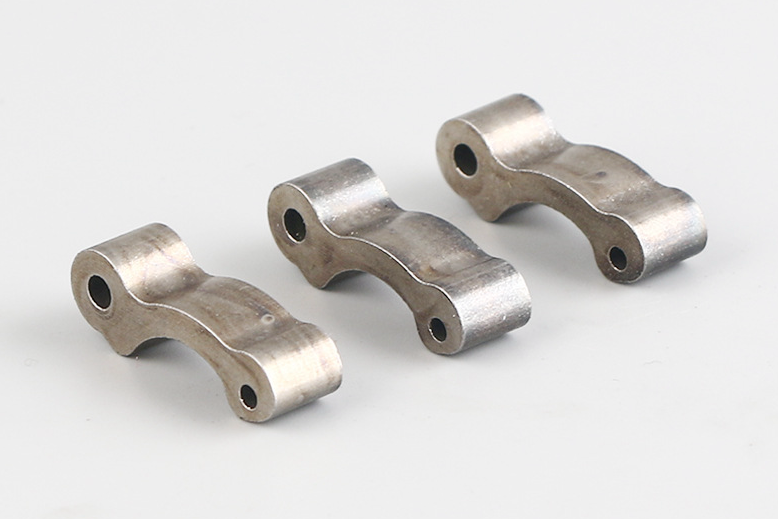
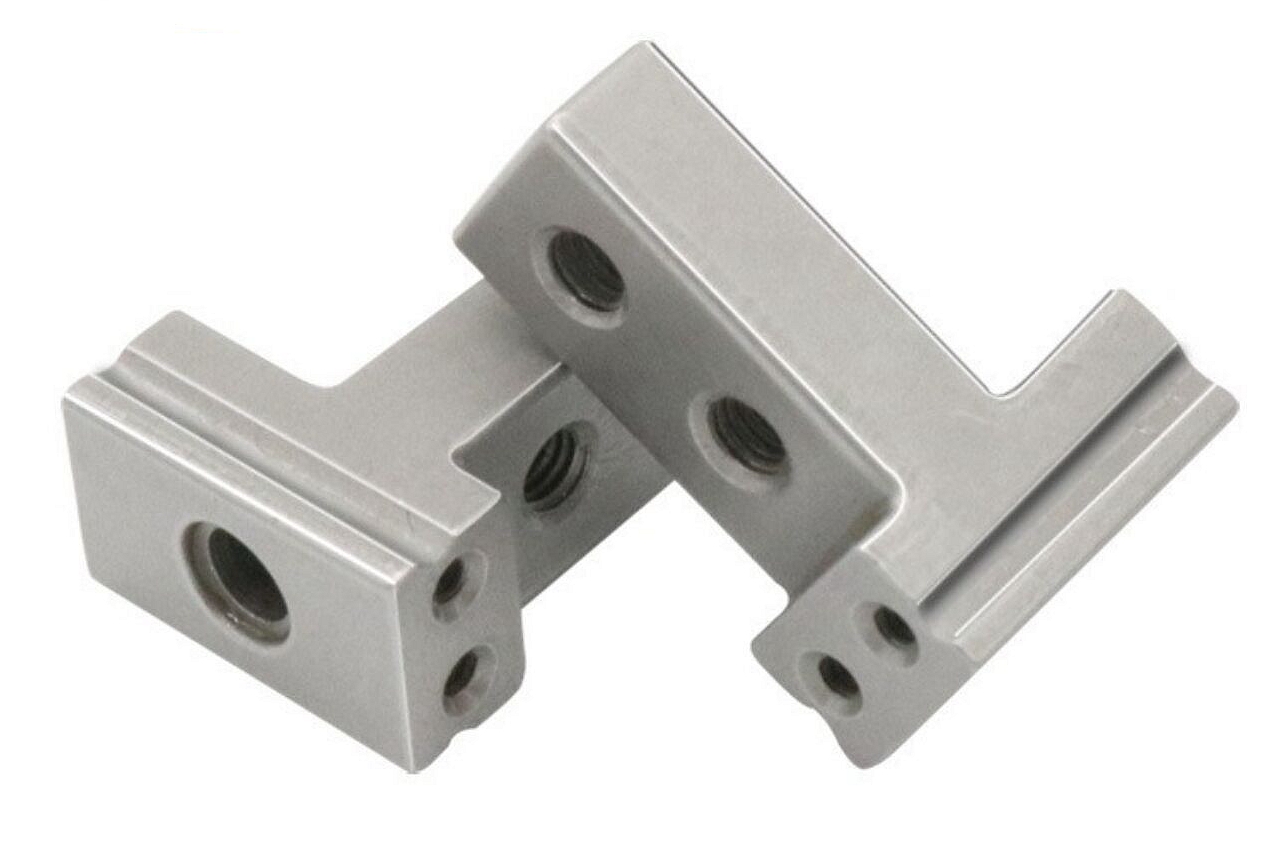
Neway controls consistency by linking each variable to the final part function. A lock gear may be sensitive to tooth profile and bore position. A medical component may be sensitive to surface finish and material documentation. A thin-wall bracket may be sensitive to flatness and warpage. The control plan should match the part, not a generic MIM checklist.
MIM consistency variable | What it can affect | Typical part risk | Control method |
|---|---|---|---|
Feedstock condition | Flow, green density, shrinkage behavior | Dimension variation or filling instability | Feedstock verification and batch traceability |
Tooling and molding parameters | Gate quality, parting line, surface condition, green part size | Flash, short shots, gate defects, cavity variation | Mold maintenance, process window control, cavity checks |
Debinding and sintering | Density, shrinkage, distortion, mechanical properties | Warpage, cracking, profile drift, batch shift | Debinding profile, furnace control, setter and support review |
Secondary operations | Final dimensions, hardness, roughness, coating, appearance | Clearance change or surface inconsistency | Machining fixtures, heat treatment checks, finish inspection |
How do feedstock and molding controls improve repeatability?
Feedstock control is the starting point for repeatability. Powder characteristics, binder system, powder loading, storage condition, and material batch can affect how the feedstock flows and how the green part forms. Neway reviews feedstock condition before production because molding variation can become shrinkage variation later.
Molding controls include mold temperature, injection pressure, injection speed, packing, cooling, gate location, venting, and ejection. Stable molding helps create green parts with consistent density and geometry. For high-volume MIM parts, cavity balance, tool wear, gate condition, and ejection marks should also be monitored.
Buyers can support this stage by defining critical surfaces, no-gate zones, cosmetic surfaces, and parting line concerns on the drawing. These notes let Neway plan the tool and molding process around the features that affect final function.
How do debinding, sintering, and shrinkage controls maintain dimensions?
Debinding removes binder and prepares the part for sintering. If debinding is unstable, the brown part may crack, deform, or retain material that affects sintering. Thin walls, small holes, deep slots, and unsupported features need special attention during this stage.
Sintering controls final densification and shrinkage. Neway reviews furnace profile, atmosphere, loading, part orientation, setters, supports, and material behavior. Shrinkage should be predictable enough that the tool compensation and inspection plan remain valid across batches.
Critical dimensions may still need secondary machining or sizing after sintering. This is normal when bores, threads, sealing faces, gear interfaces, or datum surfaces need tighter control than the as-sintered route can provide.
How do tooling maintenance and secondary operations affect consistency?
Tooling maintenance prevents slow drift. Wear at gates, vents, parting lines, ejectors, and cavity surfaces can change the green part before any downstream process begins. Neway reviews maintenance intervals, tool inspection points, cleaning, and cavity-specific variation when repeat orders continue over time.
Secondary operations also need repeatability. CNC machining, tapping, grinding, heat treatment, polishing, tumbling, passivation, PVD coating, nitriding, and packaging can all change final condition. A stable MIM process can still produce inconsistent parts if machining fixtures, heat treatment loads, or coating thickness are not controlled.
For RFQs, buyers should identify which features are post-machined, which surfaces are finished, which areas are masked, and which characteristics require documentation.
Which inspection and SPC methods matter for MIM consistency?
Inspection should measure the dimensions and properties that protect final function. Neway may use first article inspection, CMM measurement, optical checks, gauges, hardness testing, density review, surface roughness checks, coating checks, and visual standards. Statistical process control can be used for selected critical dimensions when repeated measurement can detect drift.
SPC should not be applied to every dimension without a functional reason. It is useful for features tied to assembly, motion, sealing, wear, or performance. Examples include bore diameter, gear profile, datum flatness, latch contact position, wall thickness, and coating thickness.
Inspection item | What it confirms | Relevant MIM parts | Buyer input needed |
|---|---|---|---|
Dimensional sampling | Critical geometry after sintering and finishing | Gears, cams, brackets, lock inserts, medical parts | CTQ dimensions and datum scheme |
Hardness and heat treatment check | Material condition after post-processing | Wear-loaded steels, gears, latch parts, tool features | Hardness target and heat treatment requirement |
Surface finish and coating check | Roughness, corrosion protection, coating consistency | Visible parts, sliding faces, medical or connector parts | Finish code, roughness target, coating limit |
Functional gauge or assembly test | Fit with mating parts and final operation | Transmission parts, latch mechanisms, connector hardware | Mating parts, assembly load, acceptance criteria |
What RFQ data helps Neway maintain consistency across production runs?
A useful RFQ should include 3D models, 2D drawings, material grade, annual volume, batch size, critical dimensions, mating parts, heat treatment, surface finish, machined features, inspection method, traceability needs, and current production issues if the part is being transferred from another supplier or process.
Neway can then build a control plan that links feedstock, tooling, molding, debinding, sintering, finishing, inspection, and maintenance. MIM consistency is strongest when the buyer and supplier agree on the features that matter to final part function before production begins.
Related FAQs
Why are custom metal injection molding services suitable for high-volume production?
What tooling considerations are important for high-volume MIM production?
How does production volume affect the unit cost of metal injection molded parts?
How are tight-tolerance components controlled during the MIM shrinkage process?
What quality inspection methods are used for tight-tolerance MIM components?
Which design factors affect dimensional accuracy in precision MIM parts?
What tolerances can precision metal injection molding services typically achieve?