Why are custom metal injection molding services suitable for high-volume production?
Custom metal injection molding services are suitable for high-volume production when the part is small, complex, repeatable, and stable enough to justify dedicated tooling. This FAQ explains how Neway uses metal injection molding tooling, feedstock control, debinding, sintering, secondary machining, heat treatment, surface finishing, and inspection for high-volume gears, cams, brackets, latches, medical hardware, electronic mechanisms, and smart lock components. The practical RFQ problem is to decide whether MIM tooling and process validation can reduce repeated machining, material waste, and assembly steps over the expected production volume.
What makes MIM practical for high-volume small metal parts?
MIM becomes practical at volume because the metal powder feedstock is shaped in a mold before debinding and sintering. Once the tool and process window are validated, the same geometry can be repeated across production batches. This is useful for small complex metal parts that would otherwise require multiple machining operations, difficult fixturing, or assembly of several smaller pieces.
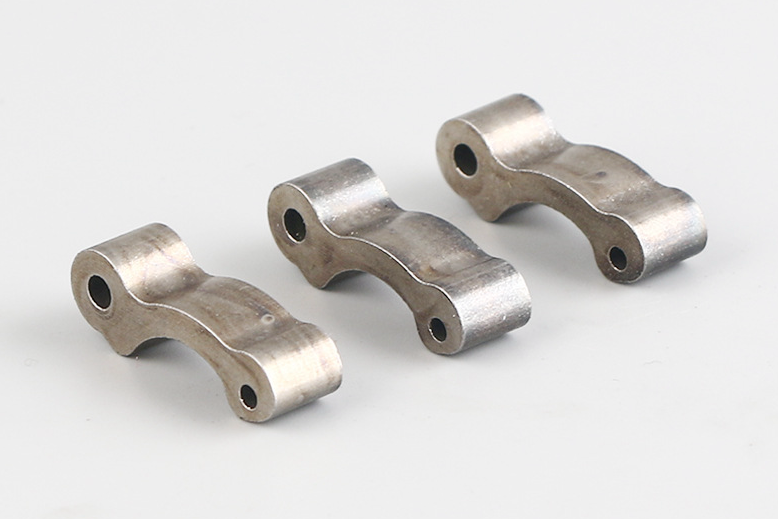
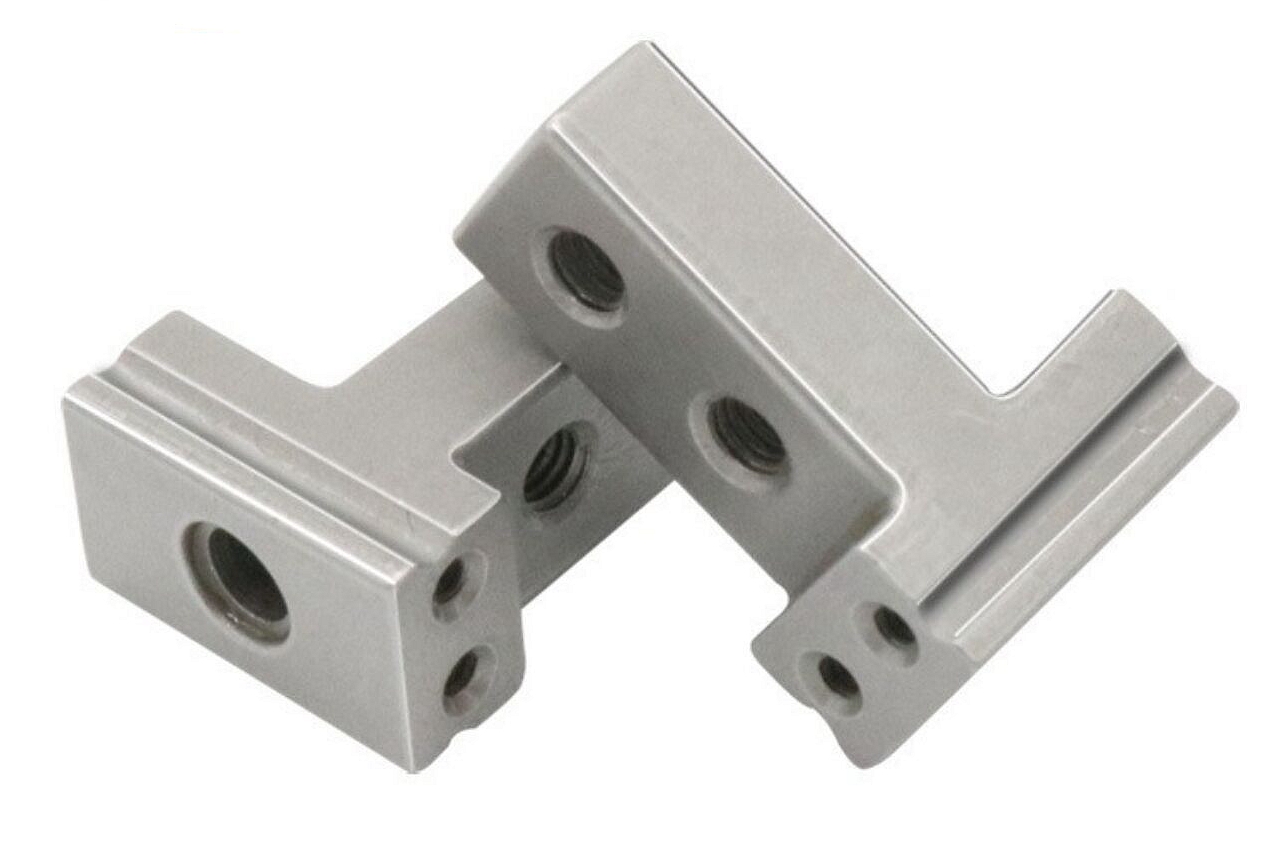
The high-volume advantage is strongest when the part has feature density. Examples include small gears, cams, levers, pawls, brackets, latch inserts, sensor hardware, connector components, and medical instrument features. MIM is less compelling when the part is large, simple, flat, changing frequently, or needed only in small quantities.
High-volume MIM factor | Why it matters | Relevant part examples | RFQ decision point |
|---|---|---|---|
Dedicated tooling | Tool cost can be spread across repeat orders. | Gears, cams, medical parts, lock mechanisms | Confirm annual volume and design stability. |
Near-net-shape molding | Complex features can be formed before sintering. | Slots, ribs, hooks, bosses, internal features | Identify features that are molded versus machined. |
Material utilization | Powder route can reduce waste compared with machining from solid stock. | Small stainless, low-alloy, tool steel, and titanium parts | Compare part mass, machining stock, and material grade. |
Repeatable inspection plan | Critical dimensions can be tracked across batches. | Bores, gear teeth, datum faces, latch interfaces | Define CTQ dimensions and measurement method. |
How do tooling, cavities, and process validation affect output?
MIM tooling is the foundation of repeatable high-volume production. Neway reviews parting line, gate position, ejection, wall thickness, shrinkage compensation, cavity layout, and sintering support. If the part has critical bores, gear profiles, thin walls, or latch faces, these features must be considered before the tool is cut.
Process validation connects the tool to the full production route. Molding, debinding, sintering, heat treatment, machining, polishing, coating, and inspection must be controlled together. A stable molding result is not enough if sintering distortion, heat treatment change, or coating buildup later affects the final part.
For multi-cavity tools or repeated batches, Neway also reviews cavity balance, mold maintenance, feedstock batch control, and sampling strategy. These controls help detect drift before it affects the final assembly.
How can MIM reduce machining and material waste at volume?
MIM can reduce repeated machining when the part geometry is molded close to final shape. This is useful for small parts with ribs, holes, slots, undercuts, gear features, hooks, or internal profiles. Instead of cutting every feature from solid stock, MIM forms many details in the mold and uses secondary machining only where function requires it.
Machining may still be needed for threads, bores, datums, sealing faces, or bearing surfaces. The RFQ should separate as-sintered features from machined features. This distinction helps Neway calculate tooling, cycle, secondary operation, inspection, and cost more accurately.
Material utilization also depends on alloy. Stainless steel, low-alloy steel, tool steel, titanium alloy, cobalt alloy, and tungsten alloy routes have different powder costs and sintering behavior. A high-value alloy can make near-net-shape production more attractive, but the final decision still depends on geometry, volume, and inspection requirements.
What quality controls support high-volume MIM production?
High-volume MIM requires control of material, tooling, process settings, sintering, secondary operations, and inspection. Neway may use feedstock verification, molding process checks, green part review, debinding controls, sintering profile control, heat treatment verification, dimensional sampling, CMM inspection, gauges, hardness checks, surface finish checks, and final visual inspection.
Quality planning should focus on critical-to-function dimensions. For a gear, tooth profile, bore, and datum alignment may matter most. For a latch part, hook profile, wear face, and heat treatment may matter. For a medical or connector part, surface finish, cleanliness, and material documentation may be central.
Production control | What it monitors | Why it matters at volume | Buyer approval item |
|---|---|---|---|
First article inspection | Tooling, shrinkage, and secondary operation results | Confirms the production route before larger batches. | Approved sample and dimensional report |
Process window control | Molding, debinding, sintering, heat treatment | Reduces batch-to-batch variation. | Process parameters and sampling plan |
Critical dimension sampling | Bores, profiles, datums, wall sections | Detects drift in features tied to assembly function. | CTQ list, gauge plan, CMM points |
Surface and heat treatment checks | Hardness, coating, passivation, roughness | Confirms post-process consistency. | Finish requirement and acceptance criteria |
When is MIM not the right high-volume route?
MIM may not be the right route when the part is too large, too simple, too flat, too frequently changing, or better suited to stamping, die casting, investment casting, forging, or CNC machining. A large housing, flat bracket, simple turned shaft, or low-volume prototype may not justify MIM tooling.
MIM also needs careful review when the part has extreme wall imbalance, unsupported thin features, very tight as-sintered tolerance expectations, or a material requirement that is not practical as MIM powder. Neway may recommend geometry changes, secondary machining, or a different process when these risks dominate.
The high-volume decision should be based on total program cost, not only unit price. Tooling, material, secondary operations, inspection, scrap risk, design changes, and assembly savings all matter.
What RFQ information helps Neway evaluate high-volume MIM?
A useful RFQ should include 3D models, 2D drawings, annual volume, ramp plan, material grade, critical dimensions, mating parts, design maturity, heat treatment, surface finish, inspection method, and expected secondary operations. Buyers should also share current manufacturing process and cost issues if the part is being converted from machining or casting.
Neway can then compare MIM with CNC machining, casting, stamping, forging, and other routes. MIM is most practical when the buyer needs repeatable small metal parts with enough annual volume and feature complexity to justify the tooling and validation work.
Related FAQs
How does production volume affect the unit cost of metal injection molded parts?
What tooling considerations are important for high-volume MIM production?
How can custom MIM services maintain part consistency across large production runs?
What tolerances can precision metal injection molding services typically achieve?
What are the applications of thin-walled MIM parts across industries?
What cost advantages does the MIM process offer compared with CNC machining?