Optimizing Custom Parts Manufacturing with the PDCA Control System
PDCA Control System Custom Parts RFQ Decision: This article explains how buyers can use the Plan-Do-Check-Act control system when sourcing custom parts made by injection molding, precision casting, sheet metal fabrication, prototyping, CNC machining, and related production routes. The practical RFQ problem is defining critical-to-quality features, production-stage controls, inspection evidence, traceability, corrective-action expectations, and buyer approval responsibilities before manufacturing begins.

What PDCA Decision Should Buyers Make Before RFQ?
Buyers should decide which part features need PDCA control before sending the RFQ. The important features are usually critical dimensions, material grade, surface finish, assembly interfaces, functional test points, cosmetic zones, and traceability requirements.
The engineering reason is that PDCA is most useful when it is connected to measurable part requirements. A general request for better quality does not tell the supplier which process step, inspection method, or corrective-action trigger matters most.
For quotation, the buyer should provide drawings, 3D models, material specifications, acceptance criteria, inspection reports required, sample approval process, production quantity, and change-control expectations. That information lets the supplier review which controls belong in the plan stage, production stage, checking stage, and action stage.
How Does Plan Define Custom Part Quality Requirements?
The Plan stage translates buyer requirements into a manufacturing and inspection plan. For custom parts, this stage should identify the process route, material requirements, tolerance risks, datum scheme, tooling assumptions, sampling method, and documentation package.
Plan Stage Entity | Buyer Should Define | Supplier Planning Output |
|---|---|---|
Critical dimensions | Datums, tolerances, functional interfaces, and inspection priority | Inspection plan, fixture strategy, and process capability review. |
Material requirement | Material grade, certificate requirement, heat treatment, and restricted substitutions | Material sourcing check, certificate plan, and traceability route. |
Surface and appearance | Finish standard, cosmetic zone, coating requirement, and allowable defects | Secondary operation plan, visual criteria, and packaging controls. |
Functional requirement | Load, fit, sealing, electrical, thermal, or assembly validation requirement | Prototype test plan, production test points, and buyer approval checkpoints. |
A clear Plan stage prevents quality control from being added after defects appear. It also helps buyers compare supplier quotations by the same inspection and documentation scope.
How Does Do Control Manufacturing Stages?
The Do stage converts the plan into controlled production activity. The supplier should use the approved process route, tooling setup, material lot, work instructions, operator checks, and in-process inspection points that match the buyer's RFQ.
Different manufacturing routes need different Do-stage controls. Injection molding may focus on resin drying, tool condition, molding parameters, gate vestige, and cosmetic defects. Precision casting may focus on wax pattern, shell, casting, heat treatment, machining allowance, and surface finish. Sheet metal fabrication may focus on blanking, bending, welding, forming direction, and edge condition. Prototyping may focus on design iteration, material simulation, and functional test learning.
Buyers should ask which process data will be recorded and which deviations will require approval before production continues. This makes the Do stage part of a controlled manufacturing system rather than an informal production run.
How Does Check Use Inspection And Test Evidence?
The Check stage compares manufacturing output with the drawing, specification, and acceptance criteria. Inspection evidence can include dimensional reports, material certificates, surface inspection, profile inspection, functional testing, and defect analysis.
Check Stage Evidence | Relevant Inspection Method | Buyer Decision Supported |
|---|---|---|
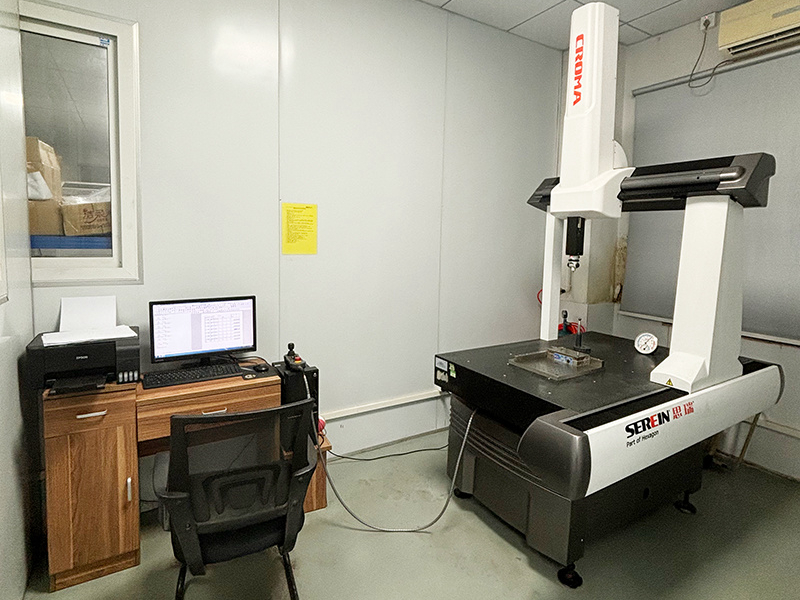
Critical dimensions and datum relationships | Approve fit, assembly interfaces, and tolerance compliance based on measured data. | |
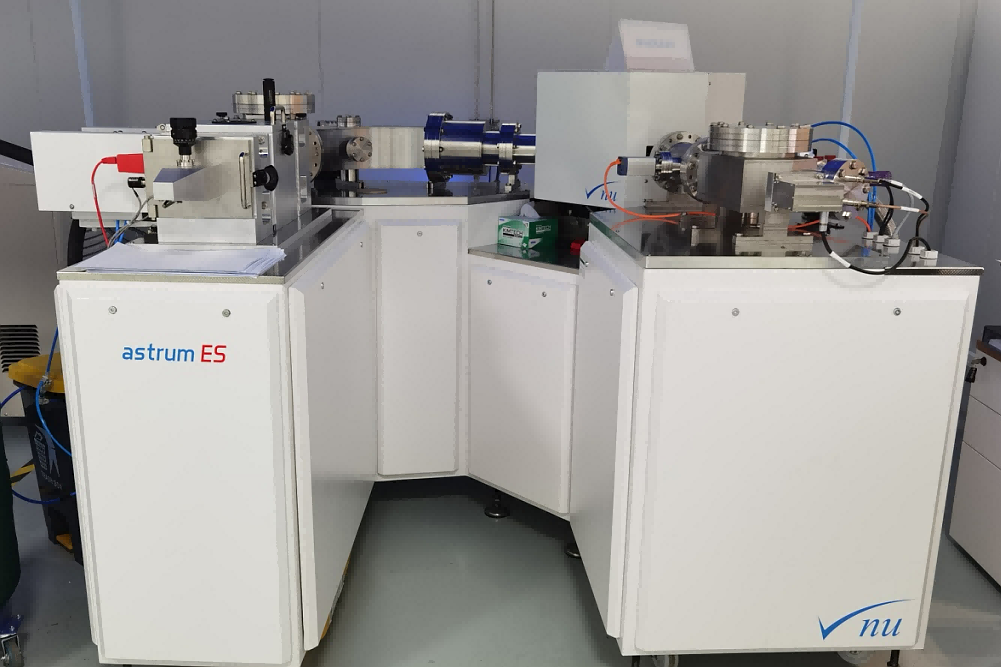
Trace elements and material risk | Review material contamination risk when the project requires ultra-trace evidence. | |
Profiles, edges, and 2D geometry | Check formed, stamped, molded, or machined profiles against the drawing. | |
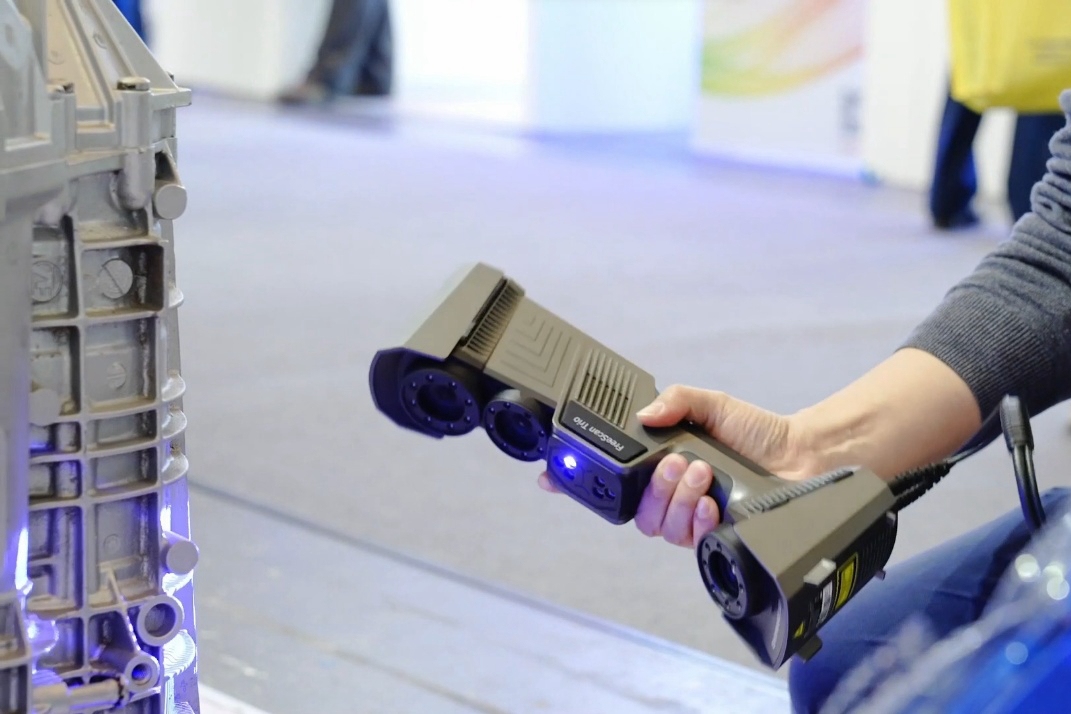
Surface shape and reverse engineering data | Compare complex geometry, deformation, or prototype shape to CAD data. |
The Check stage should be planned before production. If inspection evidence is not defined until after parts are made, the buyer and supplier may disagree about what data is enough for acceptance.
How Does Act Convert Findings Into Corrective Actions?
The Act stage turns inspection findings, process deviations, and customer feedback into controlled improvement actions. For custom parts, this can include tooling adjustment, fixture change, machining offset update, molding parameter change, casting process change, welding sequence change, or drawing clarification.
The buyer should define which changes need approval. A small process correction may stay inside the supplier's control plan, but a material substitution, drawing change, inspection-method change, or functional requirement change should usually be reviewed by the buyer before production continues.
Corrective action should include the observed issue, suspected cause, containment action, permanent action, verification method, and updated control point. That structure makes the next Plan stage stronger and keeps the PDCA loop connected to real manufacturing evidence.
Which Manufacturing Processes Benefit From PDCA Controls?
PDCA can support many custom parts routes, but the control focus changes by process. Buyers should ask suppliers to connect PDCA to the route actually used for the part.
Manufacturing Process | Common PDCA Control Focus | RFQ Detail Buyers Should Provide |
|---|---|---|
Injection molding | Material drying, tooling condition, molding parameters, shrinkage, and cosmetic criteria | Resin, part drawing, cosmetic zones, tolerance features, and production quantity. |
Precision casting | Pattern control, casting defects, heat treatment, machining allowance, and surface finish | Alloy grade, casting route, critical dimensions, defect criteria, and inspection scope. |
Sheet metal fabrication | Blanking, bending, welding, flatness, hole position, and edge condition | Material thickness, grain direction, bend radii, weld requirements, and coating needs. |
Prototyping and pilot production | Design learning, functional testing, inspection feedback, and transition to production | Prototype purpose, test plan, target process, design freeze timing, and approval steps. |
PDCA should not be presented as a slogan. It should appear in the RFQ as specific production controls, inspection evidence, and change-control rules.
What Should Buyers Include In A PDCA-Based RFQ?
A PDCA-based RFQ should include drawings, CAD files, material grade, critical features, service environment, production quantity, prototype stage, inspection reports, sampling plan, functional tests, documentation requirements, and approval rules for changes.
Buyers should also define deeper validation requirements when needed. Internal defects may require industrial CT inspection, while structural validation may require dynamic and static fatigue testing. These requirements should be discussed before quotation because they affect cost, schedule, and acceptance evidence.
When the RFQ identifies Plan, Do, Check, and Act expectations clearly, the supplier can quote the manufacturing route and quality-control scope more accurately. The buyer can then compare suppliers based on measurable controls rather than broad quality claims.
Related FAQs