How do you ensure consistency and traceability of part quality in large-scale production?
Consistency and traceability in large-scale production are controlled through material lot records, validated process windows, tooling maintenance, in-process inspection, final inspection, batch documentation, and change control. For buyers quoting injection molded housings, connectors, clips, precision plastic parts, MIM components, stamped parts, and assembled hardware, the practical RFQ problem is whether quality assurance records can connect each shipped batch to the manufacturing process, material source, inspection results, and approved drawing revision.
How is consistency and traceability controlled in large-scale production?
Consistency is controlled by keeping the manufacturing process stable, and traceability is controlled by recording how each production lot was made and inspected. The two controls work together because a stable process is difficult to prove without records, and records have limited value if process conditions are not controlled.
Buyers should define the traceability level before production starts. A batch-level record may be enough for some molded housings, while regulated connectors, medical parts, automotive components, or safety-related assemblies may need stricter lot control and inspection documentation.
Control area | Consistency function | Traceability record | RFQ detail to provide |
|---|---|---|---|
Material control | Uses approved resin, metal powder, sheet, or alloy source | Material lot, certificate, heat number, resin batch | Material grade, certificate type, substitution rule |
Process window | Controls molding, sintering, machining, stamping, or finishing variables | Setup sheet, process parameters, production order | Critical features, process risk, approval criteria |
Tooling and equipment | Maintains cavity condition, fixture alignment, die condition, and machine stability | Maintenance log, calibration record, tool revision | Expected volume, tool life concern, spare parts need |
Inspection plan | Checks critical dimensions, appearance, function, and material requirements | In-process report, final report, gauge or CMM data | Sampling level, datum scheme, critical dimensions |
Change control | Prevents uncontrolled changes to material, tool, process, or inspection method | Revision history, deviation approval, buyer sign-off | Revision rule, notification requirement, approval gate |
Why does material lot control matter?
Material lot control matters because resin batches, metal powders, alloy heats, coatings, and purchased inserts can change part performance. A material lot record helps connect finished parts to material certificates, supplier batches, and incoming inspection results.
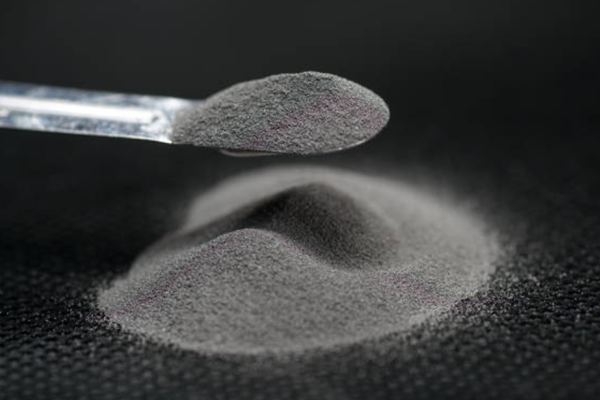
For injection molding, resin grade, drying condition, filler content, and color batch can affect dimensions and appearance. For MIM, metal powder feedstock and sintering behavior can affect density, shrinkage, and mechanical performance.
How do process windows support repeatable quality?
Process windows support repeatable quality by defining acceptable ranges for the variables that affect the part. Injection pressure, mold temperature, cooling time, feed rate, sintering profile, machining datum setup, tooling clearance, and finishing parameters can all change part quality.
Buyers should identify which features are critical so the supplier can link process controls to the features that matter. A cosmetic surface, a snap fit, a sealing face, a threaded hole, and a connector contact may each need different control points.
What inspection methods support large-scale consistency?
Large-scale consistency is supported by first-article inspection, in-process inspection, final inspection, visual checks, functional checks, gauges, optical measurement, and CMM dimensional inspection for critical geometry. The inspection plan should match the risk of the part and the production volume.
Buyers should define report format, sampling level, critical dimensions, cosmetic criteria, functional tests, and retention requirements. This prevents the production team from inspecting many low-risk features while missing the features that control buyer acceptance.
How do batch records improve traceability?
Batch records improve traceability by linking a shipment to production date, material batch, machine or tool, operator or production cell, inspection results, and any approved deviation. If a quality issue appears later, traceability helps isolate the affected batch instead of questioning all shipments.
The RFQ should define whether the buyer needs batch-level, lot-level, serial-level, or shipment-level traceability. The required level affects labeling, packaging, document control, and inspection workload.
Why is change control important for repeat production?
Change control is important because uncontrolled changes to resin grade, supplier source, mold cavity, machining fixture, inspection method, coating process, or packaging can create hidden variation. Repeat production quality depends on knowing when a change happens and whether the buyer must approve it.
Buyers should state which changes require notice or approval. For regulated or safety-related applications, change control should be part of the purchase requirement, not an after-delivery discussion.
What should buyers ask before large-scale production starts?
Before large-scale production starts, buyers should ask for the approved drawing revision, material certificate plan, process control points, inspection report scope, traceability level, packaging identification, and nonconformance response method. These questions make the quality plan visible before the first production lot.
The buyer should also confirm whether pilot production, first-article approval, or process capability review is needed. These approval steps can reduce risk when the part moves from prototype to repeat production.
What RFQ details support consistency and traceability?
A useful RFQ should include part function, material grade, applicable standards, annual volume, batch size, drawing revision, critical dimensions, cosmetic requirements, functional tests, inspection reports, traceability level, certificate requirements, and change notification rules. These details let the supplier design the quality plan around the buyer's risk.
The best buyer decision is to define traceability as a production requirement. Clear records, stable process controls, and focused inspection make large-scale quality easier to review, repeat, and correct when a process issue appears.
Related FAQs
Can you support the stringent quality standards and material certifications?
How does Neway ensure quality consistency and traceability in mass production?
How do Neway's standards align with ISO and regulatory requirements?
How does Neway ensure quality consistency in mass-produced precision components?
What quality inspection methods are used for tight-tolerance MIM components?
How do China metal injection molding suppliers control part quality during mass production?
What certifications should buyers look for in a China MIM manufacturer?
How do you provide high-precision custom injection molding services?