What is the typical development process from prototype to mass lock production?
A lock component development process should move from RFQ definition to prototype validation, tooling review, pilot production, inspection planning, and controlled mass production. This FAQ explains how Neway develops injection molded lock parts, MIM gears and cams, die-cast housings, insert molded assemblies, overmolded seals, surface-treated components, and final lock assemblies from prototype to production. The practical RFQ problem is to decide which design inputs, tests, process choices, and approval samples are needed before the buyer commits to production tooling and high-volume lock manufacturing.
What should be confirmed before lock prototype work starts?
Prototype work should begin only after the lock function and buyer requirements are clear enough to guide manufacturing choices. The buyer should define the lock type, part list, assembly structure, security load path, target environment, annual volume, cosmetic standards, material preferences, and inspection expectations.
Neway reviews whether each part is a moving mechanism, exterior cover, electronics protector, latch support, gear, cam, pin, bracket, insert, or sealing feature. This part-family review helps decide whether the first sample should use CNC machining, 3D printing, injection molding, MIM, die casting, precision casting, insert molding, overmolding, or a temporary prototype route.
Development input | Why it matters | Common lock components affected | Buyer action |
|---|---|---|---|
Function and load path | Defines metal, plastic, or hybrid structure needs. | Latch hooks, cams, gears, anti-pry pins, supports | Mark load direction, torque, impact, and security-critical areas. |
Target environment | Controls corrosion, UV, sealing, and material selection. | Outdoor covers, housings, shafts, fasteners, gaskets | State indoor, outdoor, humidity, salt, dust, and temperature exposure. |
Annual volume | Guides prototype route and production tooling decision. | MIM parts, injection molded covers, die-cast housings | Share expected annual demand and ramp-up plan. |
Critical dimensions | Defines inspection, tooling, and machining strategy. | Bores, shafts, gear teeth, clips, gasket faces, inserts | Provide 2D drawings with datums, tolerances, and mating parts. |
How should functional prototypes validate material and process routes?
Functional prototypes should answer engineering questions before production tooling begins. CNC machining prototyping can validate metal datums, gears, shafts, and latch interfaces. 3D printing prototyping can help early fit and assembly checks. Temporary molded or machined plastic samples can test housing fit, electronics clearance, gasket compression, and user feel.
Prototype validation should check latch movement, torque transfer, gear mesh, noise, screw retention, cover fit, sealing, drop behavior, and basic environmental exposure. If the prototype changes the gear profile, latch angle, carrier wall thickness, or fastener layout, production tooling should wait until the design is stable.
Neway uses prototype results to select the production route. A small metal gear may move to MIM. A cover may move to injection molding. A housing may move to aluminum or zinc die casting. A mixed part may move to insert molding or overmolding.
When should tooling, pilot production, and assembly validation begin?
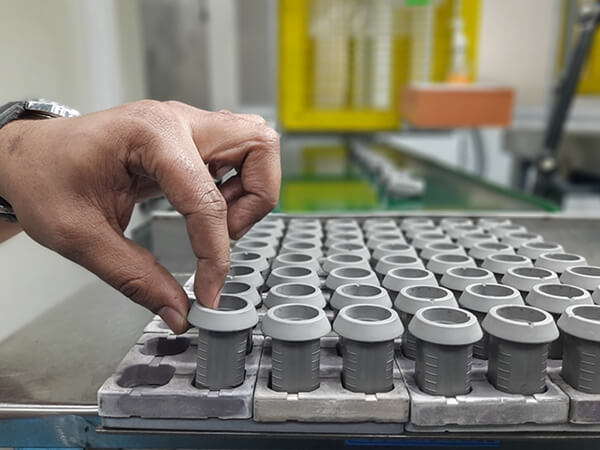
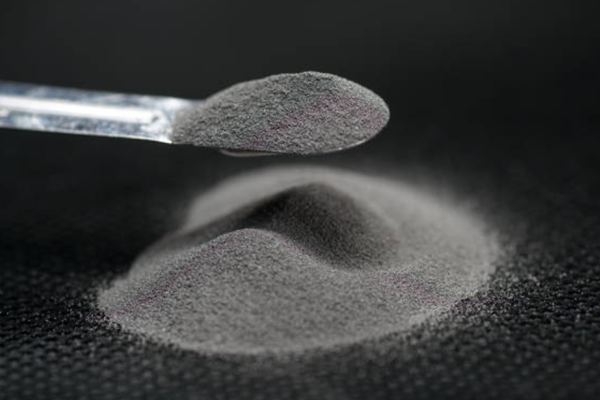
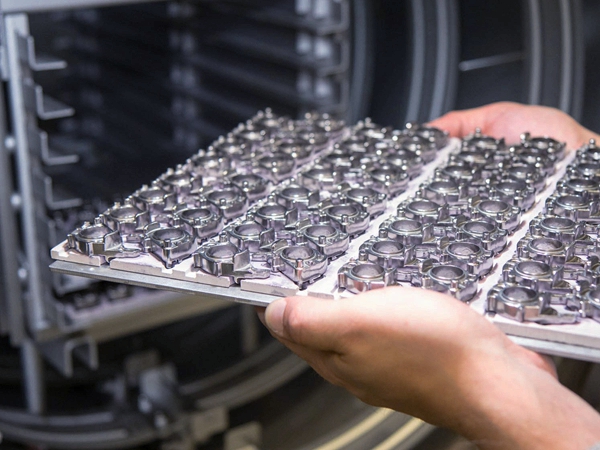
Tooling should begin when functional geometry, material direction, and critical dimensions are stable. For injection molded parts, Neway reviews mold flow, gate location, cooling, ejection, shrinkage, warpage, and cosmetic surfaces. For MIM lock parts, Neway reviews feedstock, mold design, debinding, sintering shrinkage, support, heat treatment, machining allowance, and inspection points.
Pilot production should confirm that the chosen process can repeat the approved sample. Pilot runs check dimensions, appearance, material behavior, surface finish, assembly fit, and functional movement. The pilot stage is also where Neway refines gauges, inspection frequency, packaging, and traceability.
Development stage | Main Neway activity | Buyer approval output | Risk controlled |
|---|---|---|---|
RFQ and design review | Part-family process selection and DFM review | Quote scope, material route, testing plan | Wrong process selection or missing critical requirement |
Prototype validation | Machined, printed, or early sample build | Function feedback and design change list | Tooling before lock function is stable |
Tooling and first samples | Mold, MIM tool, die-cast tool, insert fixture, or overmold tool | First article report and approved sample | Tooling mismatch, shrinkage, warpage, or datum error |
Pilot production | Small controlled batch with production process settings | Pilot report, process window, inspection plan | Batch drift before mass production |
How does Neway prepare injection molded, MIM, cast, and overmolded parts for mass production?
Mass production preparation connects each component route to the final lock assembly. Injection molded covers and carriers need resin control, mold maintenance, dimensional sampling, cosmetic standards, and packaging. MIM gears and cams need shrinkage control, heat treatment, machining, surface finishing, and critical feature inspection. Die-cast housings need alloy control, porosity review, machining, coating, and assembly datum checks.
Insert molded and overmolded parts need insert location, bonding, pull-out checks, overmold material control, and moisture path review. Surface-treated parts need coating thickness, adhesion, color, roughness, masking, and no-coating zones. Neway reviews these items together because surface treatment or insert position can affect final lock movement.
The production plan should show material control, tooling maintenance, inspection points, functional tests, packaging, and traceability. This plan helps the buyer approve production based on measurable controls rather than only on an approved prototype.
What quality and life-cycle tests support production release?
Quality release should include both component inspection and assembly validation. Component inspection may include dimensional checks, CMM measurement, gauges, surface roughness, coating thickness, hardness, visual inspection, material certification, and insert pull-out tests. Assembly validation may include latch movement, torque, cycle test, noise check, gasket compression, drop test, corrosion exposure, humidity exposure, and thermal cycling when relevant.
For high-volume lock production, Neway links quality checks to critical-to-function features. A plastic cover, a MIM gear, a die-cast housing, and an overmolded seal do not need the same inspection plan. Each part should be inspected according to its role in the lock system.
What RFQ package helps shorten lock development?
A useful RFQ package should include 3D models, 2D drawings, assembly drawings, part list, material preferences, annual volume, critical dimensions, security load path, surface treatment, cosmetic standard, target environment, functional test requirements, and production schedule. Buyers should also identify which parts are prototypes, which parts are ready for tooling, and which parts are still under design review.
Neway can then build a phased development plan covering prototype samples, DFM review, tooling, first article inspection, pilot production, quality release, and mass production. The goal is to move each lock component into the correct process stage only after the buyer and supplier agree on function, material, validation, and inspection.
Related FAQs
Can Neway support a full lock component solution from prototype to mass production?
How can buyers control consistency across high-volume lock parts?
Which precision factors help prevent technical lock manipulation?
Can engineering plastics be used in high-security locks, and what limits exist?
How should buyers design locks that balance weight reduction with strength and durability?
For miniaturized lock parts, when should buyers choose MIM or investment casting?
For smart lock transmissions, are metal or engineering plastics more reliable?
Which surface treatments reduce friction and wear in moving lock parts?