Robust Renewable Energy Structural Component Solutions
Renewable Energy Structural Component RFQ Decision: This article explains how buyers can specify investment casting, cast-forged structures, machining, joining, corrosion protection, and inspection evidence for wind turbine brackets, offshore wind components, solar mounting parts, hydroelectric housings, and other energy structural components. The practical RFQ problem is deciding which material, surface protection, dimensional control method, and validation evidence should be quoted before renewable energy structural parts are released for field installation.
Renewable energy structural components are not interchangeable hardware. A wind turbine yaw bracket, a solar mounting clamp, a hydroelectric guide component, and an offshore support fitting face different load paths, corrosion environments, assembly tolerances, and service access limits. Buyers should separate the RFQ into part function, environment, process route, material grade, secondary operations, and inspection records so the supplier can quote the manufacturing route instead of guessing from the part name.
Which Renewable Energy Structure Is Being Quoted?
The first buyer question is the structural role of the renewable energy component. Wind turbine parts often require fatigue resistance, corrosion protection, and controlled interfaces for bolted assemblies. Solar mounting parts often require dimensional stability, repeatable hole positions, and long-term surface protection. Hydroelectric components may require material compatibility with wet service, impact risk, and machined sealing or bearing surfaces.
The RFQ should identify whether the component carries static load, cyclic load, alignment load, vibration, sealing pressure, or weather exposure. This classification helps determine whether investment casting, fabricated structures, cast-forged production, or CNC-machined prototypes should be reviewed first. If a buyer only provides a 3D model without service context, the quotation may miss inspection reports, coating scope, welding sequence, or machining allowance.
Renewable Energy Part Type | Main Manufacturing Concern | Material Or Process Entity | RFQ Evidence To Request |
|---|---|---|---|
Offshore wind bracket or support fitting | Corrosion, fatigue, and bolt interface control | Investment casting, cast-forged structure, protective coating | Material report, dimensional report, coating scope |
Solar mounting clamp or bracket | Flatness, hole position, outdoor corrosion resistance | Aluminum alloy, stainless steel, galvanized or passivated surfaces | CMM or fixture inspection and surface treatment note |
Hydroelectric housing or guide component | Wet-service corrosion, sealing surface, assembly fit | Stainless steel casting, machining, heat treatment | Material verification and machined-datum inspection |
Large renewable energy structural frame part | Weight, welding sequence, dimensional stability | Cast-forged route, fabrication, machining after joining | Weld inspection plan and final dimensional record |
Which Material Fits Outdoor Energy Structures?
Material selection should be based on environment, load, joining method, and surface protection. Stainless steels may support corrosion resistance and wet-service durability. Carbon steels and alloy steels may fit large structures when the design also includes coating, galvanizing, or other corrosion protection. Aluminum alloys can be considered for solar mounting and lightweight structures where weight and weather exposure affect installation and maintenance decisions.
Buyers should provide the target grade or approved material family in the RFQ. When the grade is not final, the buyer can state the required environment, load case, and inspection evidence so the supplier can quote material alternatives. The casting materials reference can support early process discussion, but final material approval should remain tied to the buyer's design standard, field environment, and qualification plan.
How Should Corrosion Protection Be Specified?
Corrosion protection should be specified by environment and surface function. Offshore wind parts, solar mounting brackets, and hydroelectric components can face salt spray, humidity, rainwater, temperature cycling, and abrasive installation conditions. The RFQ should identify which surfaces need coating, which surfaces are machined after coating, which threaded areas require masking, and whether appearance is secondary to corrosion resistance.
For outdoor metal parts, buyers can compare options such as powder coating, galvanizing, passivation, and other approved treatments. The quotation should state whether coating thickness affects assembly clearance, whether coating inspection is required, and whether the buyer or supplier owns any corrosion test plan.
When Is Investment Casting Suitable For Renewable Energy Components?
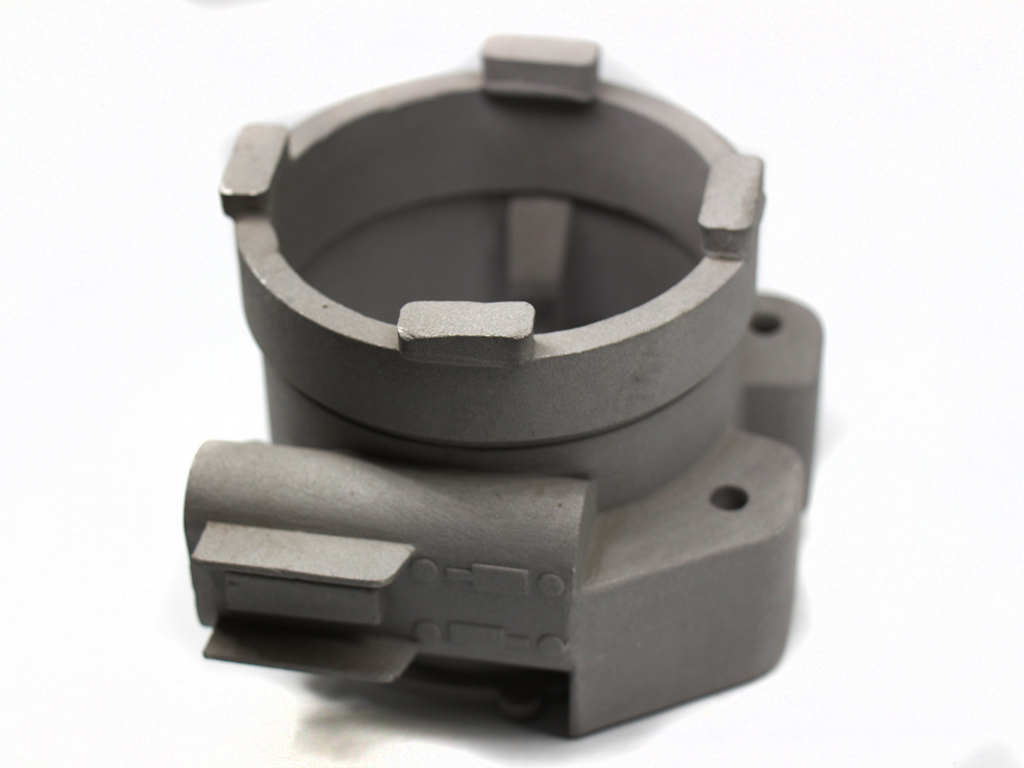
Investment casting is suitable when the renewable energy component needs complex geometry, repeatable metal shape, integrated ribs, curved surfaces, or features that would be inefficient to machine from solid stock. Cast renewable energy brackets, housings, linkages, and fittings can reduce machining burden, but the casting route still requires clear information about wall thickness, parting expectations, machining stock, tolerance class, and non-destructive inspection needs.
Buyers should define which surfaces are functional and which surfaces can remain as-cast. This distinction matters because machined mounting faces, seal areas, and bearing seats can drive fixture design and cost. When part size or load increases, the RFQ should also separate investment casting from cast-forged or fabricated routes so the supplier can explain tooling, weld, and machining implications.
What Inspection Evidence Should Support Structural Release?
Inspection evidence should match the structural risk of the renewable energy part. CMM dimensional inspection can support mounting patterns, datums, flatness, and machined interfaces. dynamic and static fatigue testing may support engineering validation when the buyer requires load-cycle evidence. Industrial CT inspection can be considered when internal casting defects or inaccessible features create release risk.
The RFQ should define whether inspection is required for prototypes, first article parts, pilot lots, or every production shipment. Buyers should also specify report format, sampling level, and any critical-to-quality features that must be called out on the drawing. A supplier can quote more accurately when inspection is tied to actual risk instead of a generic request for full testing.
Inspection Method | Best Fit For Renewable Energy Parts | Buyer Decision Supported |
|---|---|---|
CMM dimensional report | Mounting holes, datum faces, machined sealing surfaces | Assembly fit and first article release |
Fatigue or load validation | Wind turbine brackets and cyclic-load structures | Engineering validation before field installation |
CT or defect inspection | Cast sections with internal risk or inaccessible geometry | Casting route approval and defect acceptance review |
Surface treatment verification | Outdoor corrosion-protected brackets and housings | Coating release and assembly clearance review |
What Should Buyers Include In A Renewable Energy Structural RFQ?
A practical RFQ should include the part drawing, 3D model, material grade or approved material family, structural function, environmental exposure, target process, surface protection requirement, machining datums, joining requirements, inspection reports, and expected production stage. For wind components, buyers should identify cyclic load areas, bolt patterns, and coating exposure. For solar brackets, buyers should identify installation interface, flatness, corrosion protection, and fastener compatibility. For hydroelectric components, buyers should identify wet-service surfaces, sealing areas, and machined interfaces.
Important buyer decisions should be stated directly. If corrosion resistance is the main risk, specify the environment and coating requirement early. If dimensional stability is the main risk, specify datums, tolerance priorities, and inspection records. If weight and safety are the main risks for a large structural part, define the load path, manufacturing route options, and validation evidence before asking for price comparison.
Related FAQs
What corrosion protection and materials are best for offshore wind components?
How can large cast-forged parts reduce weight and cost while keeping safety requirements visible?
How is long-term dimensional stability and corrosion resistance ensured in solar brackets?
How are dimensional accuracy and weld quality controlled for large structures?
Can one sourcing path support renewable energy structural parts from design review to delivery?
What types of surface finishes can be achieved with investment casting?