What corrosion protection and materials are best for offshore wind components?
This FAQ explains how buyers can choose corrosion-resistant materials and surface protection for offshore wind components such as brackets, housings, connector supports, blade attachment hardware, access covers, sensor mounts, and structural fittings. The manufacturing route may include investment casting, precision casting, CNC machining, aluminum die casting, sheet metal fabrication, and surface finishing. The practical RFQ problem is to define marine exposure zone, base material, galvanic contact risk, coating system, sealing surface, inspection method, corrosion test plan, and maintenance requirement before selecting offshore wind materials.
What corrosion protection and materials are suitable for offshore wind components?
There is no single best material or coating for every offshore wind component. Buyers usually compare stainless steel, titanium alloy, nickel-based alloy, coated aluminum, galvanized or plated steel, and engineered coating systems based on the component's exposure, load, electrical contact, maintenance access, and cost target.
Marine atmosphere, salt spray, humidity, UV exposure, cyclic loading, and dissimilar-metal contact can all drive corrosion risk. A lightly loaded cover, a structural bracket, a machined sealing face, and a high-load fastener interface may need different material and coating strategies even within the same offshore wind system.
The RFQ implication is that buyers should define the environment and failure risk first. Material selection should follow exposure zone, fatigue load, contact metals, coating repair strategy, and inspection requirements.
How should base materials be selected for marine corrosion risk?
Base material selection should start with exposure and load. Cast stainless steel may be considered for corrosion resistance and strength in many structural or bracket applications. Cast titanium may be considered when high corrosion resistance and weight reduction justify the material route. Nickel-based alloy may be considered for severe corrosion, heat, or wear exposure when the buyer specification calls for it.
Aluminum components can be useful for weight-sensitive housings, covers, and supports, but aluminum parts need careful coating, sealing, and galvanic isolation when they contact steel or other metals. Steel fabrications may be practical for larger structures when coatings, galvanizing, drainage, and inspection access are defined early.
The RFQ implication is that buyers should provide material restrictions, contact metals, load cases, exposure zone, and maintenance expectations. A material that works in a sheltered nacelle area may not be suitable for a splash-zone bracket without additional protection.
How do exposure zones change the material and coating decision?
Offshore wind components should be reviewed by exposure zone because corrosion mechanisms change across the turbine system.
Offshore exposure zone | Typical part types | Material candidates | Surface protection focus | RFQ detail to provide |
|---|---|---|---|---|
Marine atmospheric zone | Sensor brackets, access covers, light housings, cable supports | Coated aluminum, stainless steel, coated steel, selected cast alloys | Powder coating, anodizing, paint, sealing, UV resistance, coating thickness | Outdoor exposure, cosmetic need, fastener material, maintenance plan |
Splash or high-salt zone | Structural brackets, connector supports, exposed housings, attachment hardware | Stainless steel, titanium alloy, nickel-based alloy, coated or galvanized steel where specified | Coating system, galvanic isolation, drainage, crevice control, edge protection | Salt exposure, load case, contact metals, inspection interval, coating repair rule |
Sealing or machined interface | Flanges, gasket faces, bearing seats, connector mounts | Machined stainless steel, coated aluminum, nickel alloy, selected cast metals | Machining, surface roughness, masked coating, gasket compatibility, corrosion at edges | Flatness, roughness, seal material, coating mask, leak test requirement |
Dissimilar-metal assembly | Aluminum housing with steel fasteners, plated busbar support, mixed-metal bracket | Material pair selected around galvanic risk | Insulation washers, coatings, plating, sealants, fastener compatibility | Material stack, electrolyte exposure, fastener grade, grounding or bonding requirement |
Fatigue-loaded structural zone | Blade attachment hardware, cast bracket, load-support fitting | Stainless steel, titanium alloy, nickel alloy, steel with specified protection | Surface integrity, coating adhesion, NDT, edge quality, corrosion-fatigue review | Load cycles, critical surfaces, NDT method, coating acceptance criteria |
Which surface protection processes should buyers compare?
Surface protection should be selected around material, geometry, coating access, and service environment. Powder coating may be useful for durable painted metal surfaces. Anodizing may be reviewed for aluminum parts where the application allows it. Electroplating or galvanizing may be considered for selected steel or conductive components when compatible with the design.
The broader surface finishing plan should define surface preparation, coating thickness, masked areas, edge coverage, threaded features, contact surfaces, and post-coating inspection. Offshore parts often fail at edges, crevices, scratches, fastener holes, or dissimilar-metal contacts rather than on open flat surfaces.
The RFQ implication is that buyers should not specify only a coating name. The drawing should identify coating boundaries, uncoated functional surfaces, repair rules, corrosion test method, and inspection requirements.
How do manufacturing and design details affect offshore corrosion resistance?
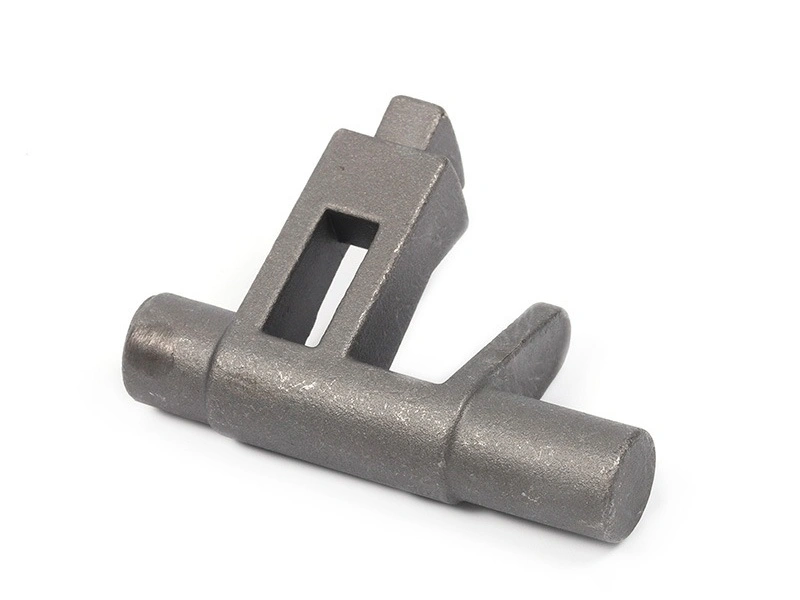
Manufacturing details can change corrosion performance. Investment castings and precision castings should avoid unnecessary crevices, trapped liquid areas, sharp unprotected edges, and difficult-to-clean internal pockets. CNC machined surfaces should control roughness and burrs around sealing faces and fastener holes. Sheet metal fabrications should define weld quality, drainage, coating access, and edge protection.
Galvanic corrosion should be reviewed when aluminum, steel, stainless steel, copper alloy, titanium, or coated metals contact each other in a wet environment. Buyers should identify fastener material, grounding or bonding requirements, insulating washers, sealants, and coating continuity.
The RFQ implication is that corrosion protection is partly a design problem. Material and coating selection will be more effective when geometry supports drainage, inspection, cleaning, and repair.
What test and inspection evidence should buyers request?
Useful evidence may include material certificates where available, dimensional inspection, coating thickness checks, adhesion checks, surface roughness reports, salt exposure testing, humidity testing, visual inspection, leak testing, and NDT for structural castings where required. The buyer should define acceptance criteria and test duration rather than relying on a generic corrosion statement.
For fatigue-loaded offshore wind components, corrosion review should be tied to mechanical load. A coating that looks acceptable after exposure may still need crack inspection, fastener review, or fatigue-related testing if the part carries cyclic load.
The RFQ implication is that offshore wind quotations should include environment, load, material, coating, and validation evidence together. The practical answer is to choose a material and protection system based on exposure zone and service risk, then confirm the choice through buyer-defined testing and inspection.
Related FAQs
What types of surface finishes can be achieved with investment casting?
What materials, tolerances, and part geometry affect supplier selection?
Which materials and finishes best resist UV and corrosion outdoors?
What surface finishes are suitable for aluminum die casting parts?
What tests should be performed on functional prototype parts?
What information should buyers provide for an accurate prototype quote?