How to Choose Aluminum Die Casting Services for Custom OEM Parts
Aluminum Die Casting OEM Part RFQ Decision: This article explains how buyers can choose aluminum die casting services for custom OEM parts by comparing production stage, part geometry, wall structure, alloy choice, tolerance needs, CNC machining, surface finishing, and inspection evidence. The part types include lightweight housings, brackets, frames, covers, heat-dissipation parts, mounting bases, connector bodies, and structural aluminum components. The practical RFQ problem is deciding whether aluminum die casting is the right route before the buyer validates dimensional fit, strength, surface finish, thermal behavior, and production consistency.
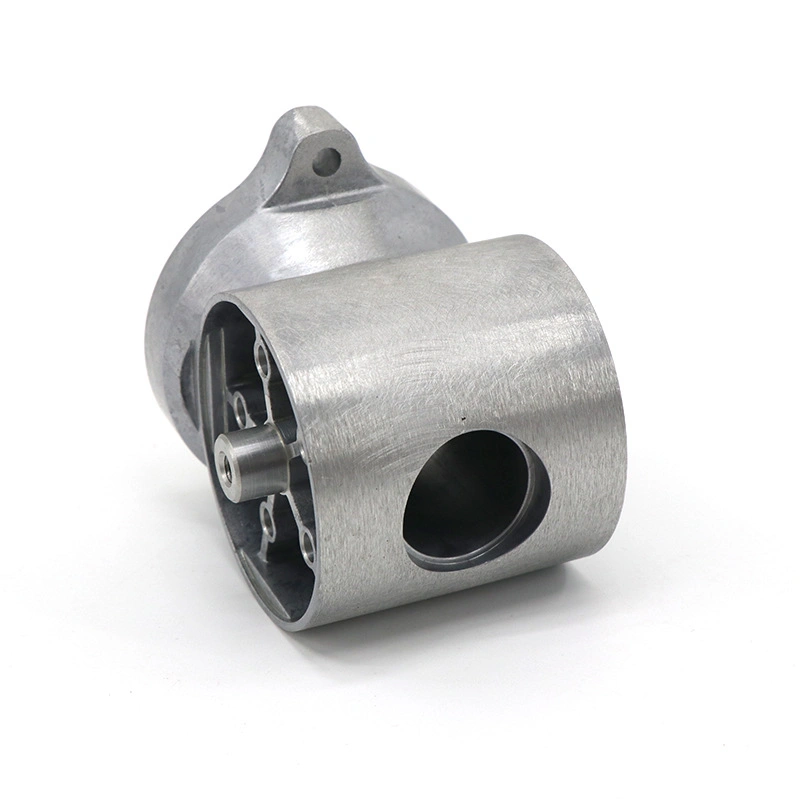
Aluminum die casting service selection should begin with the buyer's part function. A housing, thermal frame, mounting bracket, and cosmetic cover do not require the same alloy, tooling, porosity control, machining allowance, or surface finish. Buyers should define which surfaces are functional, which features are cosmetic, and which dimensions must be verified before tooling release.
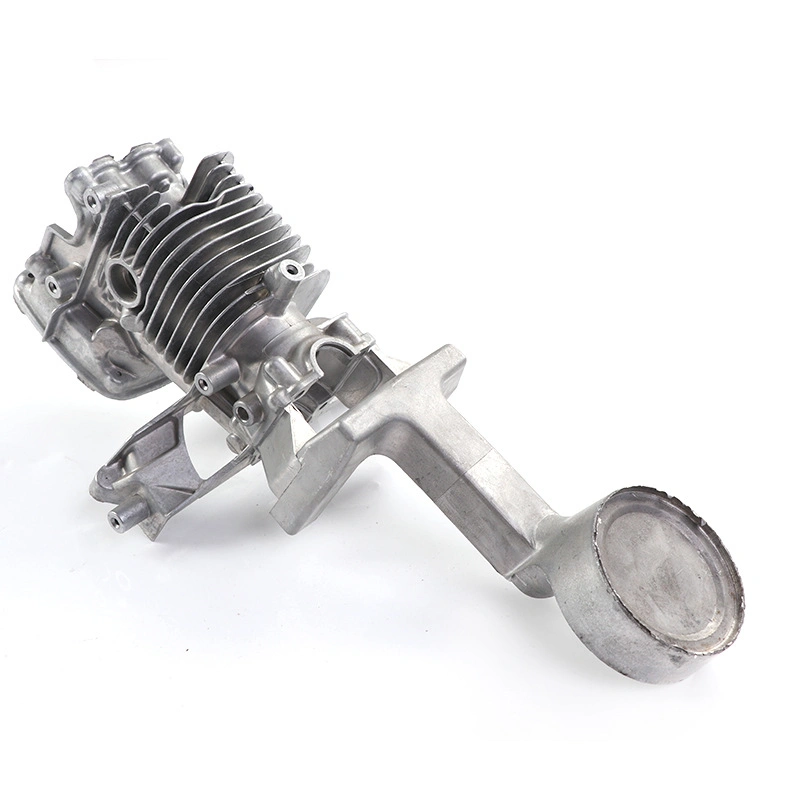
When Is Aluminum Die Casting The Right OEM Route?
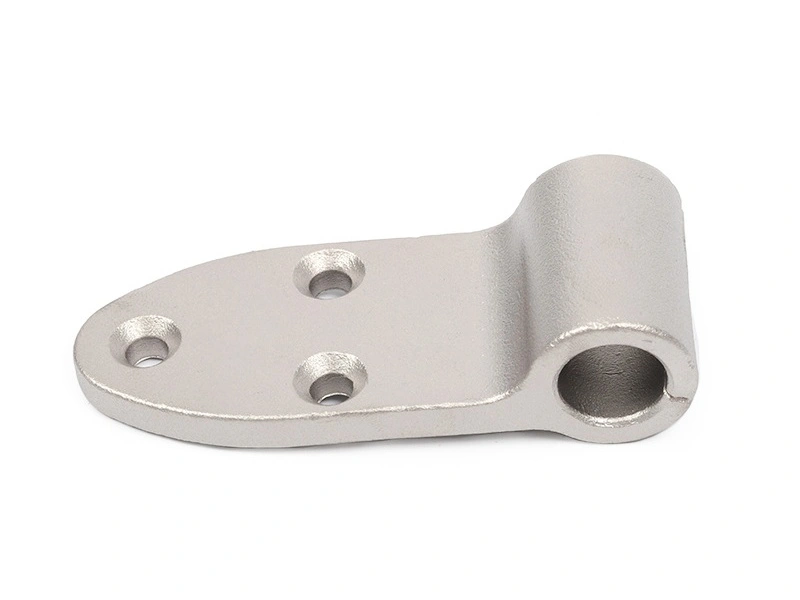
Aluminum die casting should be reviewed when an OEM part needs a lightweight metal structure, repeatable shape, integrated ribs or bosses, heat path, and production tooling. The route can fit housings, covers, brackets, frames, handles, enclosures, and thermal components when the geometry supports die casting and the production stage can justify tooling review.
The buyer should compare aluminum die casting with CNC machining, extrusion, stamping, sand casting, or investment casting when geometry, volume stage, or functional requirements are unclear. Useful route references include aluminum die casting service selection, aluminum die cast prototypes and process choices, and metal prototype route comparison.
Which Geometry And Wall Features Affect The Quote?
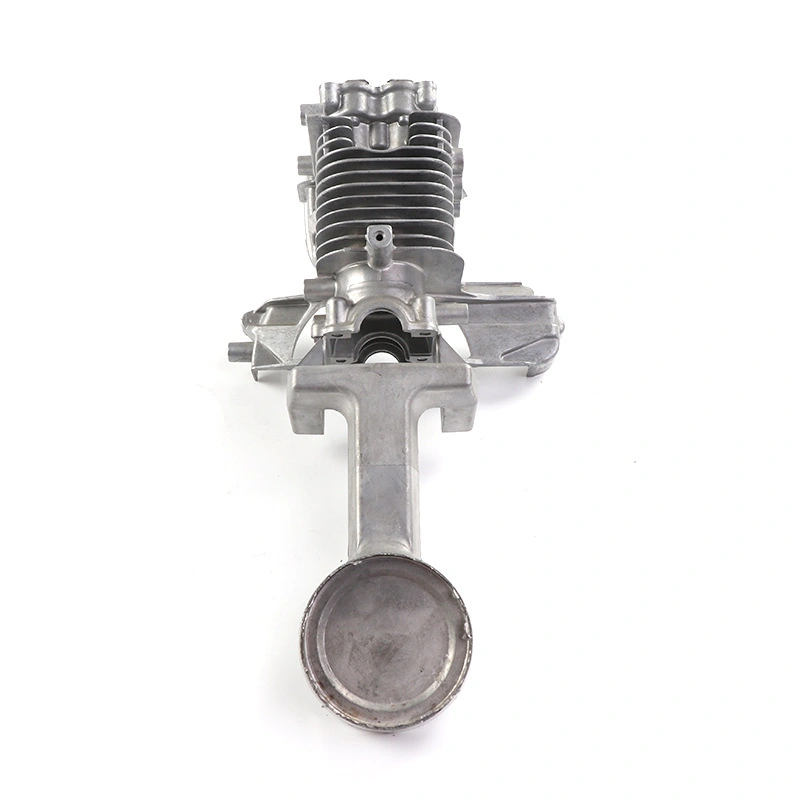
Geometry controls die casting feasibility and cost. Wall thickness, ribs, bosses, draft, parting line, gate location, ejector marks, screw posts, heat fins, and machining stock should be reviewed before quoting. Thin walls, deep pockets, isolated thick sections, and long flow paths can affect filling, shrinkage, porosity risk, and tooling strategy.
The RFQ should include CAD, 2D drawings, critical sections, and any visible surface requirements. Buyers should mark surfaces that cannot carry gate marks or ejector marks. They should also identify threaded holes, bearing locations, sealing faces, and assembly datums that may require machining after casting.
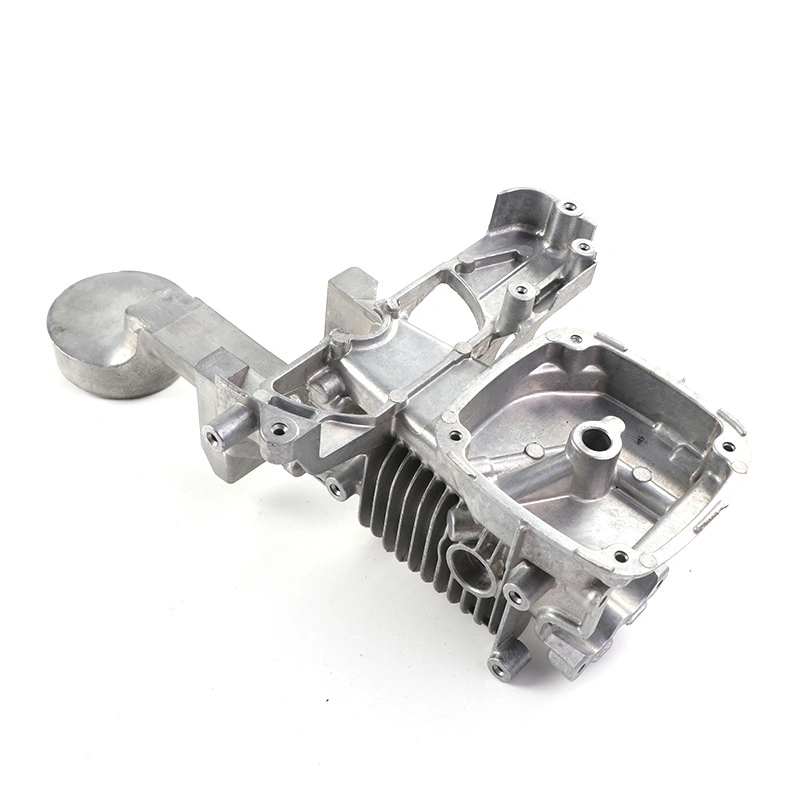
How Should Tolerance And CNC Machining Needs Be Defined?
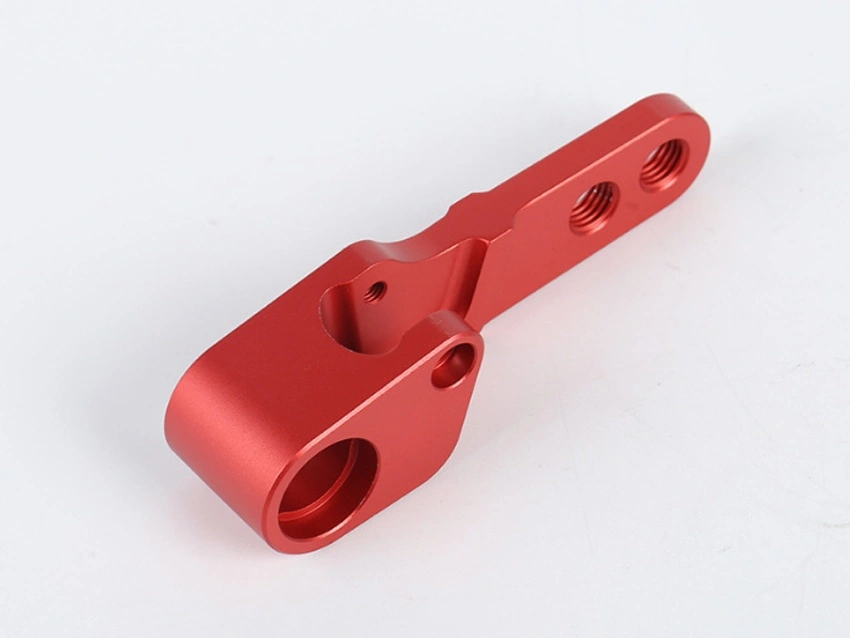
Tolerance requirements should be assigned to functional features. Mounting datums, bores, threads, sealing faces, bearing areas, heat-sink interfaces, and connector locations may need tighter control than non-contact casting surfaces. Aluminum die casting can form the near-net shape, while CNC machining can finish features that control fit or sealing.
The RFQ should state which features are cast surfaces and which features require machining after casting. This prevents suppliers from quoting an incomplete casting-only route when the part actually requires CNC finishing. Buyers can reference CNC machining prototyping, high-precision CNC machining, and CMM dimensional inspection when defining tolerance evidence.
Which Aluminum Alloys Should Buyers Compare?
Alloy selection should match the OEM part function. A380, ADC12, A356, 360, and B390 may be reviewed depending on casting route, strength, machining, wear, thermal behavior, corrosion exposure, and surface finish. Buyers should not ask only for "aluminum" when the part function depends on material behavior.
Relevant material pages include A380 aluminum die casting, ADC12 aluminum die casting, A356 aluminum die casting, 360 aluminum die casting, and aluminum die casting alloy selection.
Aluminum Die Casting Decision | Buyer Detail To Provide | Manufacturing Impact | Evidence To Request |
|---|---|---|---|
Alloy choice | A380, ADC12, A356, 360, B390, or functional requirement | Controls casting behavior, machining, and finishing options | Material record and alloy confirmation |
Critical geometry | Wall thickness, ribs, bosses, heat fins, parting line limits | Controls tooling design, filling, and defect risk | DFM feedback and casting review |
Machined features | Datums, bores, threads, sealing faces, mounting holes | Controls CNC machining scope and inspection plan | CMM report and machining inspection |
Surface finish | Powder coating, painting, anodizing review, plating, deburring | Controls cosmetic and corrosion-related requirements | Surface inspection and finish record |
Which Finishing And Inspection Requirements Matter?
Finishing should match material, exposure, and appearance. Aluminum die cast parts may require deburring, shot blasting, powder coating, painting, polishing, plating, or anodizing-related review. The RFQ should separate cosmetic surfaces from functional surfaces, because a visible exterior wall and a gasket face may need different treatment and inspection.
Inspection should focus on part risk. Dimensional inspection can support machined datums, hole positions, connector locations, and mounting faces. Surface inspection can support coating, scratches, burrs, and visible defects. CT inspection or X-ray review may be considered when internal porosity could affect the buyer's validation. Useful references include powder coating, anodized aluminum, and industrial CT defect inspection.
What Should Buyers Include In An Aluminum Die Casting RFQ?
A complete RFQ should include CAD files, 2D drawings, part function, target alloy, production stage, annual demand stage, wall thickness, ribs, bosses, draft limits, visible surfaces, critical dimensions, machining allowance, surface finishing, inspection requirements, packaging requirements, and buyer validation requirements. Buyers should state whether the project is for prototype review, tooling approval, pilot production, or recurring production.
Important decisions should be stated directly. If the part needs CNC machining after casting, mark the machined features. If the exterior surface is cosmetic, mark that zone. If the part has thermal requirements, define the heat path and mating surface. If porosity affects release, state the inspection evidence required for buyer validation.
Related FAQs
What aluminum die casting services are best for custom OEM parts?
What tolerances can aluminum die casting services typically achieve?
What surface finishes are available for aluminum die casting services?
What should buyers provide when requesting aluminum die casting services?
What materials are commonly used in aluminum die casting services?
Which aluminum alloys are commonly used for die casting parts?
How should buyers choose between A380 and ADC12 aluminum die casting?