Custom Aluminum Die Casting Service for Lightweight OEM Metal Parts
Custom Aluminum Die Casting Service RFQ Decision: This article explains how an aluminum die casting service supports lightweight OEM metal parts through DFM review, die tooling, high-pressure aluminum die casting, trimming, CNC post-machining, surface finishing, alloy selection, inspection, and production validation. The part types include aluminum housings, covers, brackets, heat-transfer parts, motor housings, lighting frames, electronic enclosures, and structural supports. The practical RFQ problem is deciding whether custom aluminum die casting fits the buyer's weight target, strength requirement, thermal function, tolerance map, finish requirement, machining allowance, tooling stage, and production plan before quotation.
Aluminum die casting is most useful when a buyer needs repeatable metal parts with lower weight than many zinc or steel routes, integrated features, and a scalable tooling path. The buyer should define the part function, alloy preference, cosmetic surfaces, machined datums, threaded holes, sealing faces, inspection method, and annual demand before asking an aluminum die casting supplier to quote. Clear RFQ data helps the supplier separate cast features from machined features and identify tooling risks before production tooling is approved.
Why Do OEM Buyers Choose Aluminum Die Casting?
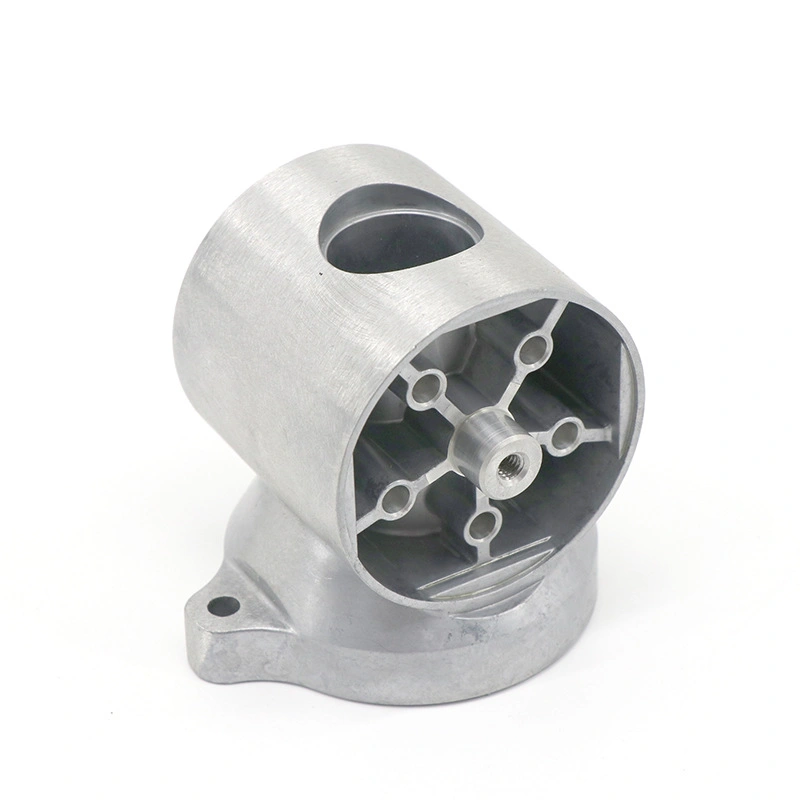
OEM buyers usually choose aluminum die casting when a lightweight metal part must combine shape complexity, repeatable production, thermal performance, and secondary finishing. Aluminum die casting can form ribs, bosses, mounting pads, connector openings, heat-transfer surfaces, and housing geometry in one casting route when the die design supports filling, venting, ejection, trimming, and inspection.
The manufacturing reason is that high-pressure aluminum die casting forces molten aluminum alloy into a steel die cavity, then the casting is trimmed and finished according to the drawing. The RFQ implication is direct: buyers should not send only a 3D model. Buyers should also send the 2D drawing, alloy callout, surface finish requirement, critical-to-function dimensions, post-machining areas, and inspection expectations.
Which Lightweight OEM Metal Parts Fit Aluminum Die Casting?
Aluminum die casting fits lightweight OEM metal parts when the design needs cast geometry plus selective machining rather than a fully machined billet part. Common examples include aluminum electronic enclosures, motor housings, lighting bodies, brackets, covers, pump housings, heat-transfer components, frames, handles, and structural supports.
Part suitability depends on wall thickness balance, rib layout, boss design, draft, parting line location, gate vestige limits, ejector pin marks, sealing surfaces, and cosmetic faces. A buyer should identify which surfaces are visible, which surfaces assemble with mating parts, and which holes or threads must be machined after casting. This information affects die design, machining fixtures, finishing masks, and inspection planning.
Aluminum Die Cast Part Type | Main Manufacturing Need | RFQ Detail Buyers Should Provide | Common Secondary Operation |
|---|---|---|---|
Electronic enclosure | Stable cover fit, mounting bosses, connector openings, and cosmetic surfaces | Sealing faces, visible surfaces, thread locations, and coating requirement | CNC drilling, tapping, deburring, and powder coating |
Motor housing | Roundness, bearing location, heat transfer, and assembly alignment | Machined bores, datum scheme, thermal function, and inspection method | CNC boring, facing, and dimensional inspection |
Lighting frame | Low weight, heat dissipation, surface appearance, and mounting stability | Heat-transfer surfaces, lens interface, finish class, and parting line limits | Trimming, blasting, coating, and machining of assembly points |
Structural bracket | Strength at ribs, bosses, slots, and mounting pads | Load direction, critical dimensions, fastener type, and machining allowance | Drilling, tapping, reaming, and surface treatment |
How Should DFM And Tooling Be Reviewed Before Production?
DFM review should confirm whether the aluminum die cast part can fill, solidify, eject, trim, machine, finish, and pass inspection with the intended geometry. The review should cover wall thickness transitions, draft angles, ribs, bosses, undercuts, parting line position, gate location, overflow areas, venting, ejector pin locations, and machining stock.
The tooling decision should be based on the final production part, not only on the prototype shape. A part may look acceptable as a machined prototype but still need die casting changes for filling, shrinkage behavior, draft, and trimming. Buyers should mark no-change interfaces, negotiable cosmetic zones, and machining-critical datums so the die casting supplier can protect functional requirements while improving castability.
What CNC Post-Machining And Surface Finishing Should Be Quoted?
CNC post-machining should be quoted for features that aluminum die casting cannot reliably hold as-cast or features that require assembly precision. Machined features often include threaded holes, sealing faces, bearing bores, gasket surfaces, pin holes, datum pads, connector openings, and flat mounting faces.
Surface finishing should be quoted according to function and appearance, not as a generic final step. Aluminum die cast parts may require deburring, shot blasting, polishing, powder coating, painting, chemical conversion coating, or anodizing review depending on alloy, porosity risk, cosmetic grade, corrosion exposure, and assembly environment. The RFQ should separate appearance requirements from functional surface requirements so the supplier can plan masking, rack points, and inspection criteria.
Production Stage | Aluminum Die Casting Control Point | Buyer Question Answered | Inspection Or RFQ Output |
|---|---|---|---|
DFM review | Wall thickness, draft, ribs, bosses, gate position, and parting line | Can the geometry be cast before tooling release? | DFM comments, drawing updates, and tooling-risk list |
Tooling development | Die cavity, sliders, ejector layout, venting, overflow, and trimming design | Can the die support repeatable production? | Tooling plan, sample plan, and approval checkpoints |
Casting and trimming | Filling behavior, flash, gate vestige, porosity risk, and handling marks | Can the casting meet the drawing after trim? | First samples, visual review, and dimensional report |
CNC post-machining | Datums, bores, threads, sealing faces, and fixture location | Which features require machining after casting? | Machining plan, fixture plan, and critical dimension report |
Surface finishing | Deburring, blasting, coating, masking, color, and cosmetic acceptance | How should function and appearance be controlled? | Finish sample, appearance criteria, and packaging requirement |
Which Aluminum Die Casting Alloys Should Buyers Compare?
Buyers should compare aluminum die casting alloys by casting behavior, strength need, corrosion exposure, machining response, thermal function, surface finish, and customer drawing requirements. Common alloy discussions include A380 aluminum die casting, 383 ADC12 aluminum die casting, 360 aluminum die casting, and A356 aluminum casting when the drawing or application points to those material families.
The alloy decision should stay connected to the part function. A heat-transfer housing, a cosmetic cover, a machined motor component, and a corrosion-exposed bracket may not need the same aluminum alloy. The RFQ should state the specified alloy if the buyer has one. If the buyer has no fixed alloy, the RFQ should state performance requirements so the supplier can recommend a practical aluminum die casting material for quotation review.
How Should Buyers Move From Prototype Review To Production Tooling?
Prototype review should answer design and assembly questions before production die tooling is committed. CNC machining, rapid tooling, or prototype casting may help buyers check fit, mounting, thermal layout, sealing, and appearance, but prototype routes do not remove the need for die casting DFM review.
The buyer should compare the prototype route with the final aluminum die casting route before releasing tooling. Machined prototypes can validate geometry quickly, while die cast prototypes or rapid tooling can reveal casting-specific issues such as gate marks, shrinkage zones, parting line limits, and finishing behavior. The most useful RFQ separates prototype objectives from production objectives so the supplier can quote the correct validation path.
What Should Buyers Include In An Aluminum Die Casting RFQ?
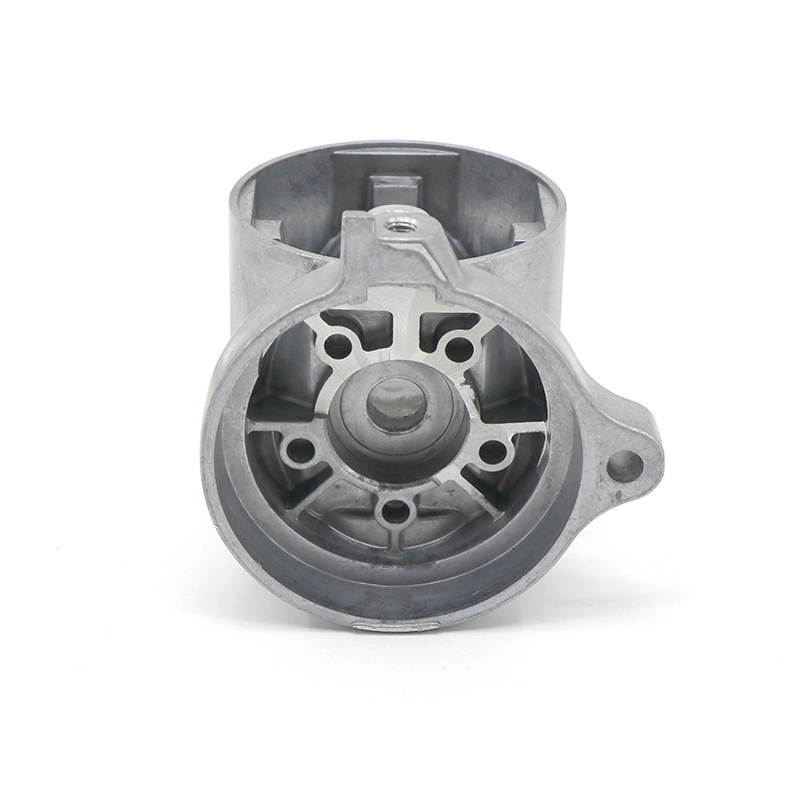
A complete aluminum die casting RFQ should include the 3D model, 2D drawing, alloy requirement, part function, estimated annual demand, target production stage, surface finish requirement, critical dimensions, machined features, cosmetic zones, assembly interfaces, inspection method, packaging requirements, and any existing prototype feedback. These details help the supplier evaluate tooling, casting, machining, finishing, inspection, and production risks in one quotation review.
Important buyer decisions should be stated directly in the RFQ. If a sealing face must be machined, say so. If a cosmetic face cannot show a gate vestige, mark that surface. If a threaded hole is safety critical, identify the thread and inspection requirement. If the final alloy is not fixed, state the mechanical, thermal, corrosion, and finishing requirements that drive the material decision.
The final manufacturing decision should consider the complete route from DFM review through tool approval, sample validation, casting, trimming, CNC post-machining, surface finishing, dimensional inspection, and production delivery. Aluminum die casting is a strong candidate when those stages support the lightweight OEM metal part's function and the buyer can provide clear engineering inputs for quotation.
Related FAQs
What aluminum die casting services are best for custom OEM parts?
What should buyers provide when requesting aluminum die casting services?
What materials are commonly used in aluminum die casting services?
Which aluminum alloys are commonly used for die casting parts?
What surface finishes are available for aluminum die casting services?
What design factors affect the cost of aluminum die casting parts?
What common defects and solutions should buyers review in aluminum die casting?