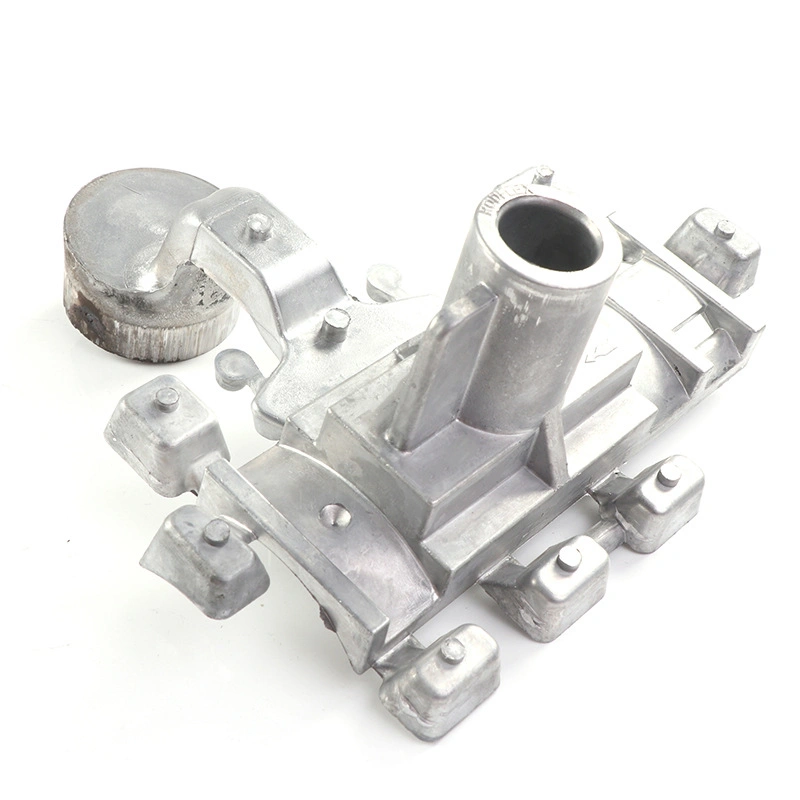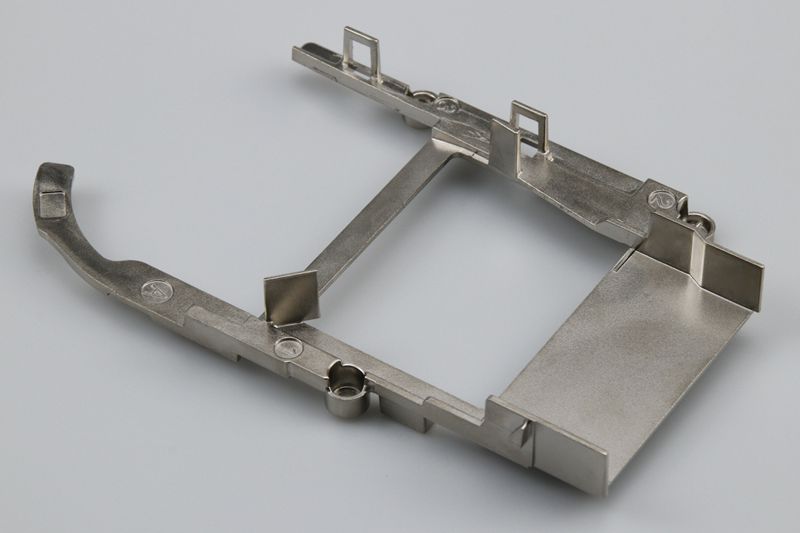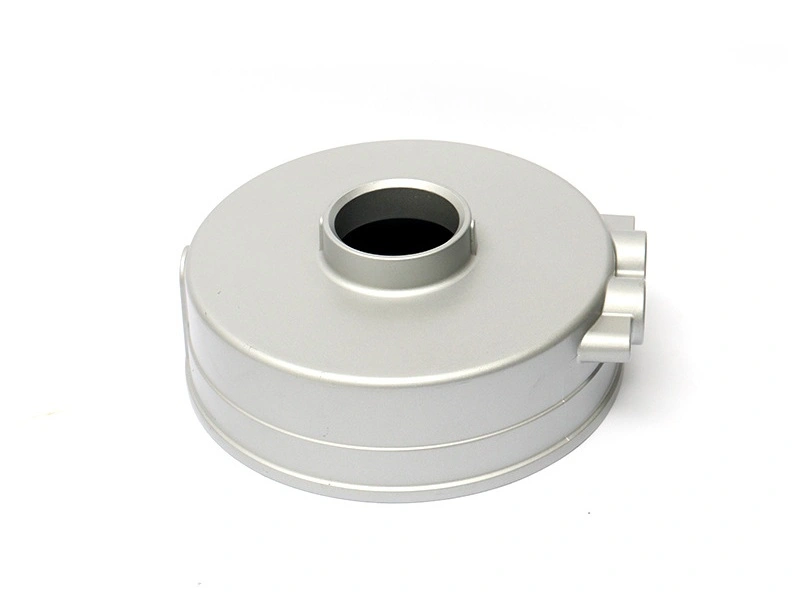
Aluminum Die Casting Parts for Automotive, Lighting, Electronics, and Medical Devices
Aluminum Die Casting Application Part RFQ Decision: This article explains how buyers can specify aluminum die casting parts for automotive, lighting, electronics, and medical device housing applications. The part types include brackets, covers, frames, heat sinks, LED housings, electronic enclosures, diagnostic device covers, mounting bases, and lightweight structural parts. The practical RFQ problem is deciding which alloy, wall structure, machining allowance, surface finish, inspection evidence, and application validation requirements should be quoted before the buyer approves casting tooling or recurring production.
Aluminum die casting is selected for different reasons in different industries. An automotive bracket, LED luminaire housing, electronics enclosure, and diagnostic device cover may all use aluminum die casting, but the RFQ risk changes by application. Buyers should define the function, environment, mating parts, and inspection scope before treating these parts as one generic casting category.
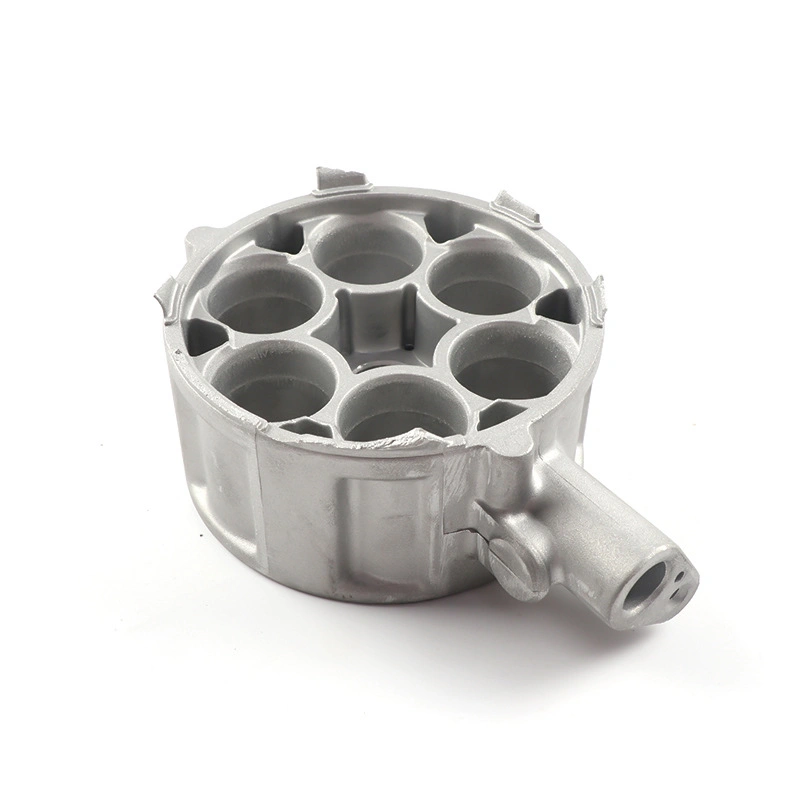
Which Application Requirement Should Buyers Define First?
The first RFQ question is what the aluminum die casting part must do. Automotive parts may need mounting strength, vibration resistance, machining datums, and corrosion-related finishing. Lighting parts may need thermal paths, fins, surface area, and coating. Electronics enclosures may need dimensional fit, connector openings, cosmetic surfaces, and shielding or grounding considerations. Medical device covers may need cleanable surfaces, assembly fit, and inspection records that support the buyer's final device validation.
The buyer should state whether the part is structural, thermal, protective, cosmetic, or a carrier for other components. This function-first description helps the supplier review alloy choice, tooling, porosity risk, machining, finishing, and inspection evidence.
Application Area | Common Aluminum Die Cast Part | RFQ Requirement To Define | Inspection Evidence |
|---|---|---|---|
Automotive | Bracket, housing, frame, cover, mounting base | Load path, vibration exposure, machining datum, coating | Dimensional report and surface finish inspection |
Lighting | LED housing, heat sink, driver enclosure, luminaire body | Thermal path, fin geometry, coating, assembly interface | Dimensional report and thermal-feature review |
Electronics | Enclosure, connector body, shielded cover, internal frame | Wall thickness, connector cutouts, cosmetic zones, grounding feature | Fit inspection and surface inspection |
Medical device housing | Diagnostic cover, structural shell, mounting frame | Cleanable surface, assembly fit, material record, inspection scope | Material record and first article inspection |
How Should Automotive Aluminum Die Cast Parts Be Quoted?
Automotive aluminum die cast parts should be quoted with load path, mounting interface, vibration exposure, corrosion exposure, machining allowance, and surface treatment clearly defined. A bracket, cover, frame, or housing may need CNC machining on datums, threaded holes, or bearing surfaces after casting. The RFQ should identify which features control assembly and which surfaces are non-functional.
Buyers should provide CAD files, 2D drawings, alloy requirements, machined features, coating requirements, and inspection reports. If the part is a prototype or pre-production sample, the RFQ should state which test remains under buyer validation. Relevant background includes aluminum die casting parts for automotive and e-mobility applications and aluminum die casting cost factors.
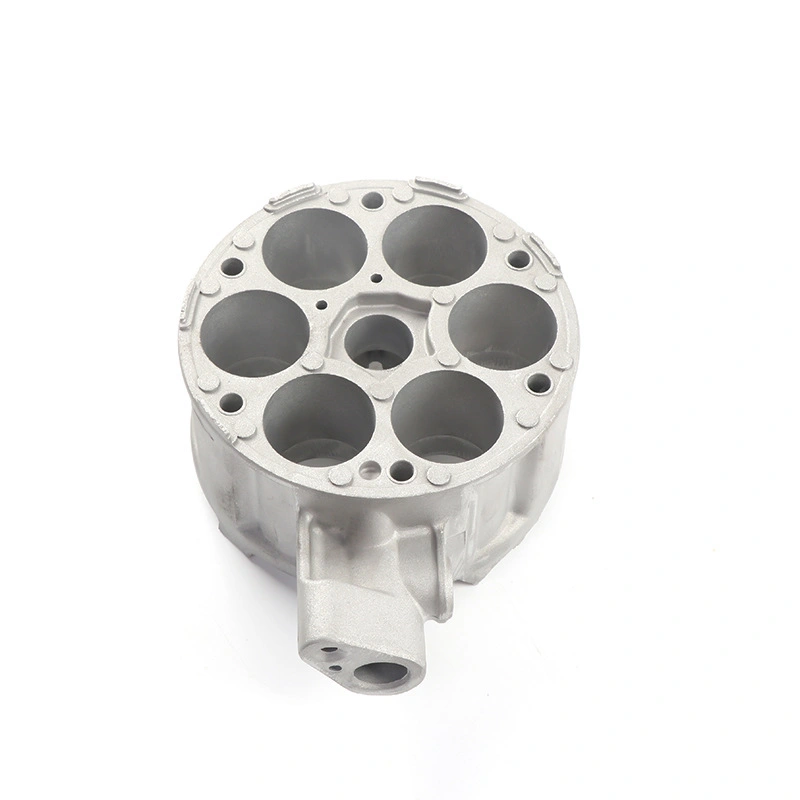
What Matters For Lighting And Heat-Dissipation Castings?
Lighting aluminum die cast parts should be quoted around thermal design, fin geometry, wall thickness, coating, mounting features, and assembly interface. LED housings, heat sinks, and driver enclosures often need a clear thermal path from the heat source to the external surface. The RFQ should define heat-contact surfaces, fin areas, fastener positions, gasket features, and surface treatment.
Buyers should state whether thermal testing is performed by the buyer or whether supplier records should support the buyer's test plan. Aluminum die casting can form fins and housing features, but the buyer should still define machining and coating needs. Useful references include thermal design parameters for high-power LED luminaires and balancing lightweight design with thermal performance.
How Should Electronics Enclosures Be Specified?
Electronics aluminum die cast enclosures should be specified by wall thickness, connector openings, screw bosses, grounding features, shielding needs if applicable, cosmetic zones, and assembly datums. A consumer electronics cover may prioritize surface finish and appearance, while an industrial electronics enclosure may prioritize sealing, mounting, grounding, and thermal behavior.
The RFQ should define visible surfaces, machining features, inserts, coating, and inspection reports. Buyers can reference lightweight enclosures for electronic devices, powder coating, and anodized aluminum when defining enclosure finishing requirements.
What Should Buyers Clarify For Medical Device Housings?
For medical device housings and covers, the aluminum die casting RFQ should define part function, cleaning exposure, assembly fit, surface finish, inspection records, and buyer-controlled validation requirements. Aluminum die casting may support diagnostic housings, brackets, covers, or structural shells, but the buyer should confirm final device requirements and regulatory obligations separately.
The supplier quote should focus on manufacturing evidence: material record, dimensional inspection, surface finish, machining, coating, and packaging. Buyers can reference precision components for diagnostic and analytical devices and corrosion-resistant material selection for reagent exposure when defining manufacturing risks.
Which Alloy, Machining, And Finishing Decisions Affect All Applications?
Across automotive, lighting, electronics, and medical device housings, alloy choice, machining, and finishing should be connected to function. A380, ADC12, A356, 360, or B390 may be reviewed depending on geometry, thermal behavior, strength, corrosion exposure, and finishing needs. CNC machining may be needed for threads, holes, datums, sealing faces, or connector openings. Surface treatment may include deburring, powder coating, painting, plating, or anodizing-related review.
Buyers should mark functional surfaces and cosmetic surfaces separately. Relevant links include A380 aluminum die casting, ADC12 aluminum die casting, CNC machining prototyping, and surface finishes for aluminum die casting services.
What Should Buyers Include In An Aluminum Die Casting Application RFQ?
A complete RFQ should include CAD files, 2D drawings, application area, part function, alloy target, wall thickness, ribs, bosses, visible surfaces, critical dimensions, machining allowance, thermal features, surface finish, inspection reports, packaging, production stage, and buyer validation requirements. If the part belongs to a regulated or safety-sensitive product, the buyer should state the required documentation and final qualification responsibilities.
Important decisions should be stated directly. If the part is a heat sink, define thermal surfaces and fin geometry. If the part is an enclosure, define connector openings and cosmetic zones. If the part is a bracket, define load path and mounting datums. If the part is a medical device housing, define surface, cleaning, and inspection requirements without assuming manufacturing records replace final device validation.
Related FAQs
What types of aluminum die casting parts can be manufactured?
What aluminum die casting services are best for custom OEM parts?
What materials are commonly used in aluminum die casting services?
Which aluminum alloys are commonly used for die casting parts?
What surface finishes are available for aluminum die casting services?
Can aluminum die casting be used for heat dissipation components?
What parameters are vital for thermal design in high-power LED luminaires?