Aluminum Die Cast Prototypes: CNC, Rapid Tooling, or Die Casting?
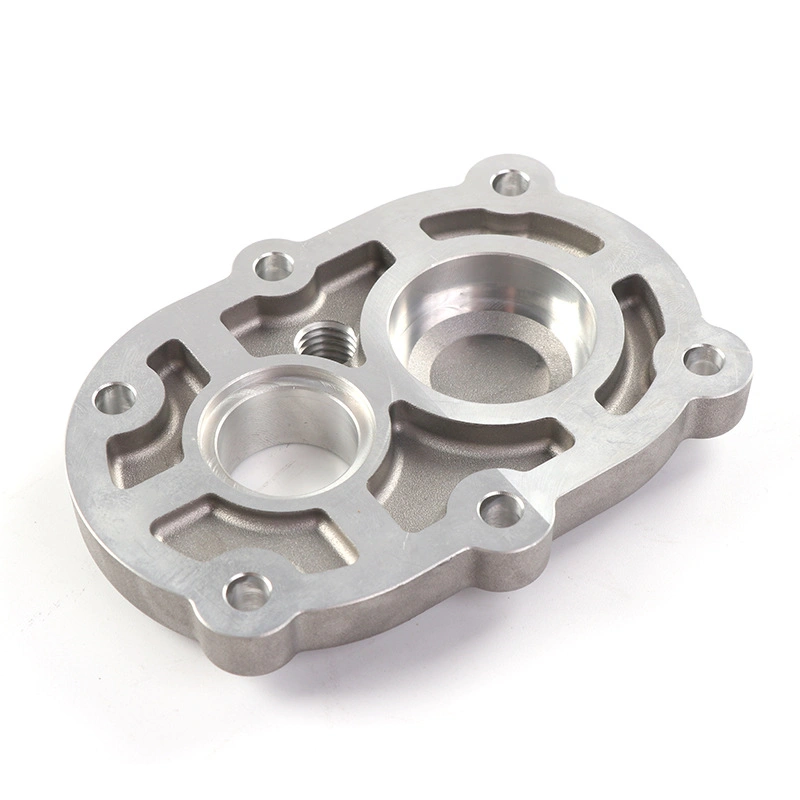
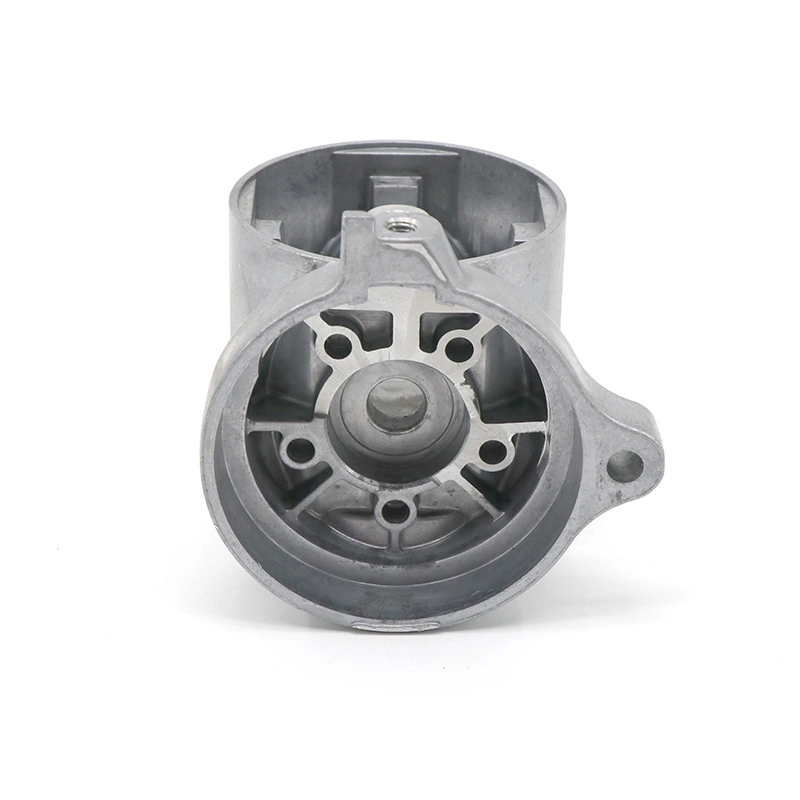
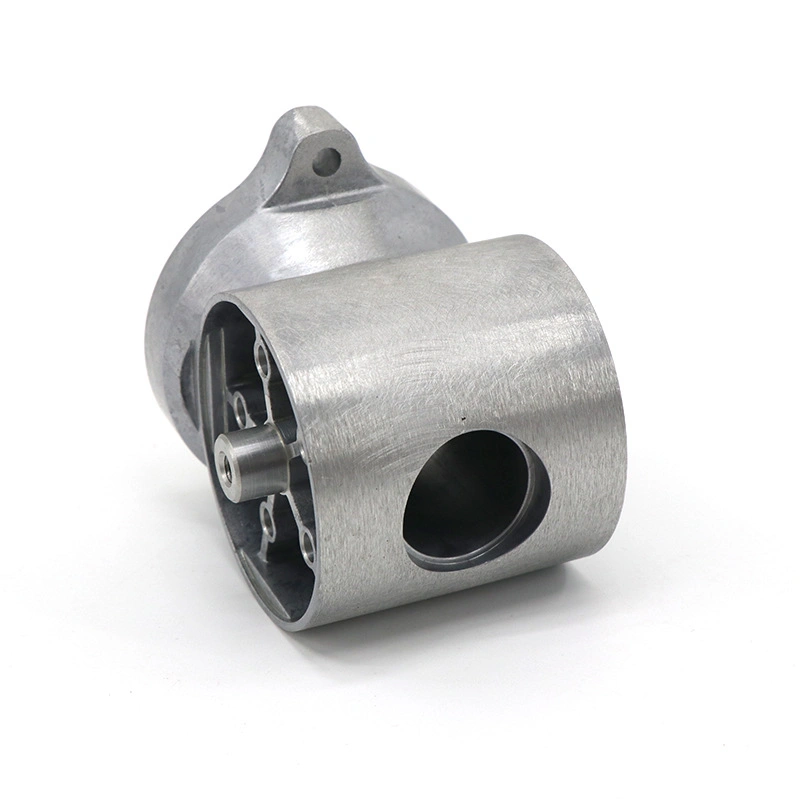
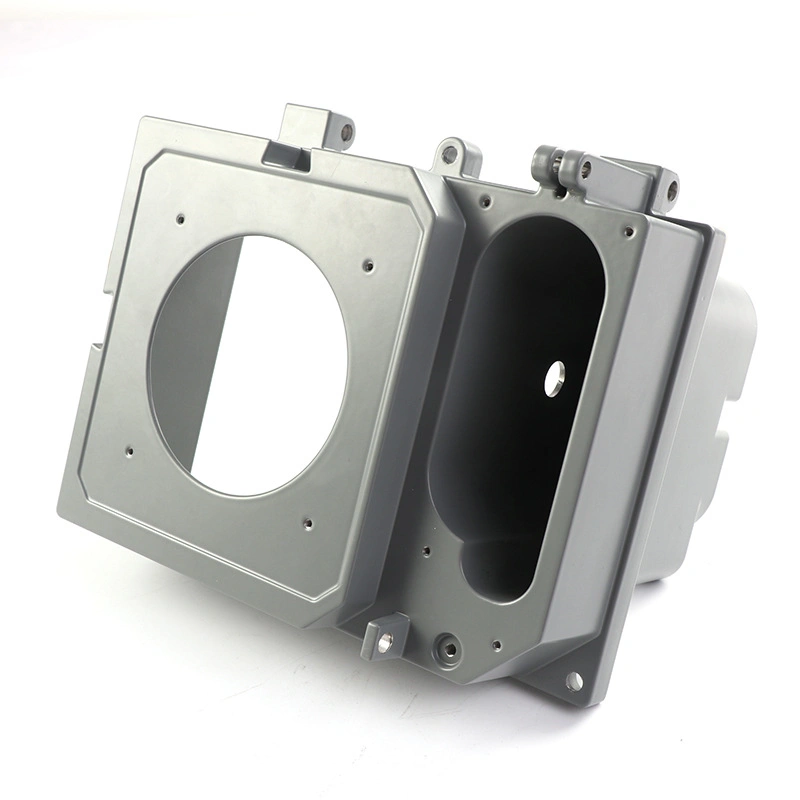
Aluminum Die Cast Prototype Route RFQ Decision: This article explains how buyers can choose between CNC machining, rapid tooling, and aluminum die casting for aluminum die cast prototypes. The part types include housings, brackets, covers, frames, heat-sink bodies, mounting bases, connector bodies, and pre-production aluminum components. The practical RFQ problem is deciding which prototype route should be quoted before the buyer validates geometry, assembly fit, machining allowance, surface finish, casting feasibility, and readiness for production tooling.
An aluminum prototype should answer a specific buyer question. CNC machining can answer fit and datum questions quickly when the design is still changing. Rapid tooling can answer tooling and cast-shape questions before hard tooling. True die casting can answer production-process questions when the buyer needs parts from the intended route. Buyers should state what must be proven before requesting the prototype quote.
What Should The Aluminum Prototype Prove?
The prototype route should be selected by the validation goal. If the buyer needs to check assembly fit, CNC machining may be enough. If the buyer needs to check a casting wall section, parting line, draft, or machining allowance, rapid tooling or a casting-based prototype may be needed. If the buyer needs production-process evidence, parts from the intended die casting route may be required.
The RFQ should state whether the prototype is for visual review, functional testing, assembly fit, thermal review, machining allowance, surface finish, or tooling approval. A prototype without a defined validation goal can create extra cost and still fail to answer the buyer's manufacturing question.
Prototype Route | Best Buyer Question | Manufacturing Limitation | Evidence To Request |
|---|---|---|---|
CNC machined aluminum prototype | Does the part fit the assembly and mating components? | Does not fully represent die casting porosity, draft, or surface | Dimensional report and surface finish inspection |
Rapid tooling prototype | Can the casting geometry, draft, and machining allowance work? | May not represent final hard tooling life or full production flow | Tooling feedback and casting inspection |
Production-route die cast sample | Can the intended process support release requirements? | Requires more design maturity before tooling commitment | First article report and process review |
When Should Buyers Choose CNC Machined Prototypes?
CNC machining should be considered when the buyer needs fast design feedback on fit, hole location, datum scheme, enclosure clearance, mounting surfaces, or functional geometry. CNC prototypes are useful when the design may still change because they do not require die casting tooling. They can also help buyers test machined features that will later be finished after casting.
The buyer should remember that a CNC prototype is not the same as a die cast part. It may not show casting draft, parting line, porosity risk, gate location, ejector marks, or cast surface texture. Buyers can use CNC machining prototyping, metal prototype route comparison, and rapid prototyping for metal parts when comparing prototype options.
When Should Buyers Choose Rapid Tooling Or Die Casting Samples?
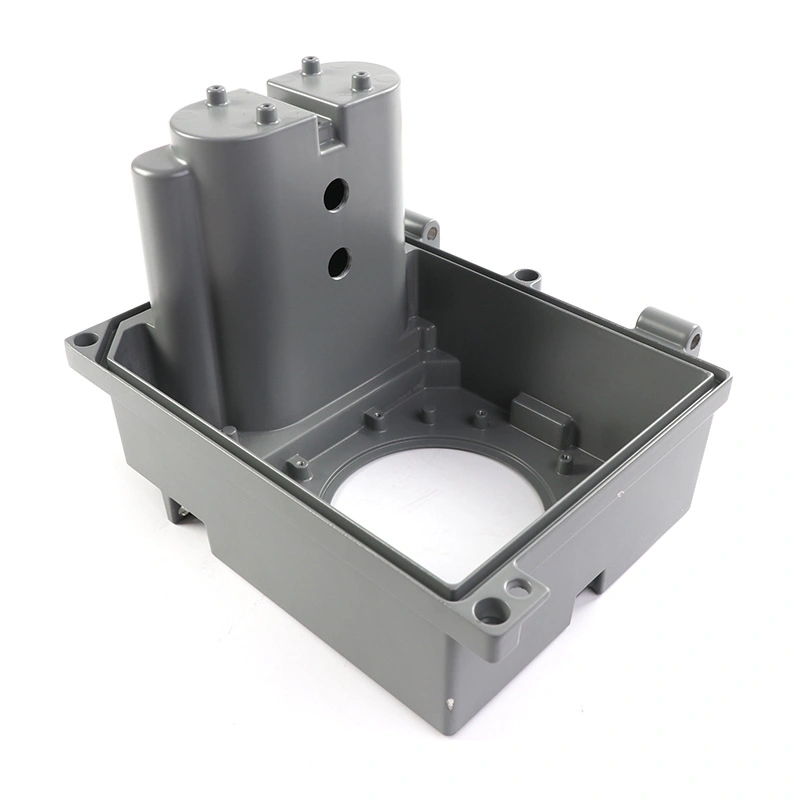
Rapid tooling should be considered when the buyer needs casting-related evidence but is not ready for full production tooling. It can help review draft, wall transitions, gating strategy, trimming, machining allowance, and cast surface behavior. Production-route die casting samples should be considered when the design is mature enough that tooling investment and first article inspection are part of the release plan.
The RFQ should state whether the sample must represent the final alloy, casting route, heat treatment, surface finish, and machining operations. If the prototype must support a production decision, buyers should define the inspection report, sample quantity stage, and approval criteria before placing the order.
How Should Machining Allowance And Surface Finish Be Validated?
Machining allowance should be validated on features that control fit, sealing, heat transfer, or assembly. Bores, threads, gasket faces, mounting datums, connector positions, and bearing surfaces may need CNC machining after casting. The prototype should show whether there is enough stock and access for machining without interfering with the casting geometry.
Surface finish validation should separate cosmetic surfaces from functional surfaces. A visible cover, heat-sink face, gasket surface, and threaded hole require different review. Buyers can reference CNC machining after aluminum die casting, surface finishes for aluminum die casting parts, and powder coating when defining prototype evaluation.
What Inspection Evidence Should Support Aluminum Prototypes?
Inspection evidence should match the validation goal. A fit-check prototype may need a dimensional report for mating features. A casting feasibility sample may need wall section review, defect review, machining allowance confirmation, and surface inspection. A production-route sample may need first article inspection, material confirmation, machining inspection, and finishing records.
The buyer should state which tests remain under buyer validation, such as assembly testing, thermal testing, drop testing, corrosion review, or functional cycle testing. References such as CMM dimensional inspection and industrial CT defect inspection can support prototype inspection planning.
What Should Buyers Include In An Aluminum Prototype RFQ?
A complete RFQ should include CAD files, 2D drawings, prototype purpose, target alloy, selected route if known, quantity stage, critical dimensions, machined features, surface finish, inspection reports, mating parts, production plan, and buyer validation requirements. Buyers should also state whether the sample must represent the final casting route or only support fit and geometry review.
Important decisions should be stated directly. If CNC is only for fit, say so. If rapid tooling is needed for cast geometry, state the casting features to review. If die casting samples are needed for production release, define first article inspection and approval requirements. If the design is still changing, ask for DFM feedback before committing to tooling.
Related FAQs
How should aluminum die cast prototypes be supported before mass production?
How do prototype metal parts reduce production risk before tooling?
What tests should be performed on functional prototype parts?
Is CNC machining or 3D printing better for rapid metal prototypes?
What is the difference between a visual prototype and a functional prototype?
What information is needed for an aluminum die casting service quote?
How is performance consistency controlled from prototype to mass production?