Metal Parts Prototype Manufacturing: CNC Machining, 3D Printing, Casting, or Rapid Tooling?
Metal Prototype Process Selection RFQ Decision: This article explains how buyers can choose between CNC machining prototyping, 3D printing prototyping, casting prototypes, and rapid tooling for custom metal parts. The part types include machined housings, brackets, heat sinks, internal-channel parts, cast frames, connector bodies, functional mechanisms, and pre-production metal components. The practical RFQ problem is deciding which process route should be quoted before the buyer validates geometry, material behavior, tolerance, surface finish, assembly fit, and production-route risk.
Metal prototype manufacturing should begin with the question the prototype must answer. A CNC prototype can answer fit and datum questions. A 3D printed prototype can answer complex geometry and internal feature questions. A casting prototype can answer casting route questions. Rapid tooling can answer pre-production tooling questions. Buyers should define the validation goal before comparing cost, schedule, or process names.
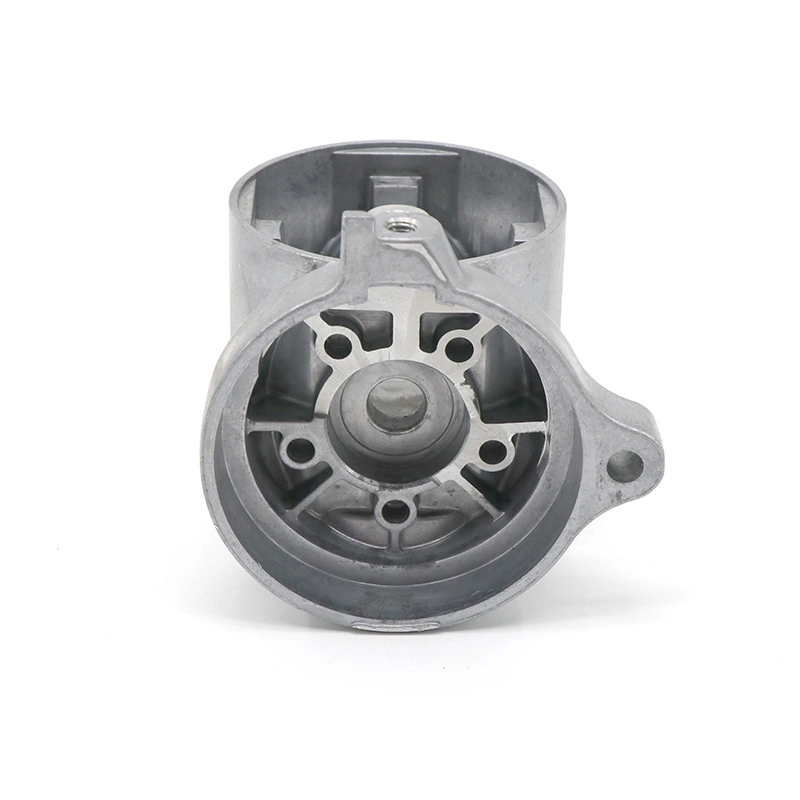
What Must The Metal Prototype Prove?
The validation goal should drive the prototype process. If the buyer needs to test assembly fit, CNC machining may be the right first route. If the buyer needs an internal channel or lattice-like geometry, metal 3D printing may be worth reviewing. If the buyer needs to validate cast shape, draft, wall sections, or machining allowance, a casting prototype or rapid tooling route may be more relevant.
The RFQ should state whether the prototype is for visual review, fit check, functional test, thermal test, load test, corrosion review, or production-route validation. That statement helps the supplier choose material, tolerance level, surface finish, and inspection evidence.
Metal Prototype Route | Buyer Question It Answers | RFQ Limitation To Clarify | Evidence To Request |
|---|---|---|---|
CNC machining | Does the design fit and function with accurate datums? | May not represent casting or molding production route | CMM report and surface finish inspection |
Metal 3D printing | Can complex internal geometry or fast design iteration be tested? | Material, density, surface, and tolerance may differ from production | Build orientation notes and feature inspection |
Casting prototype | Can casting geometry, draft, and machining allowance work? | Prototype tooling may not represent full production tooling | Casting inspection and machined feature report |
Rapid tooling | Can pre-production tooling validate form and process risk? | Tool life and process stability may differ from production tooling | Tooling feedback and sample inspection |
When Is CNC Machining Best For Metal Prototypes?
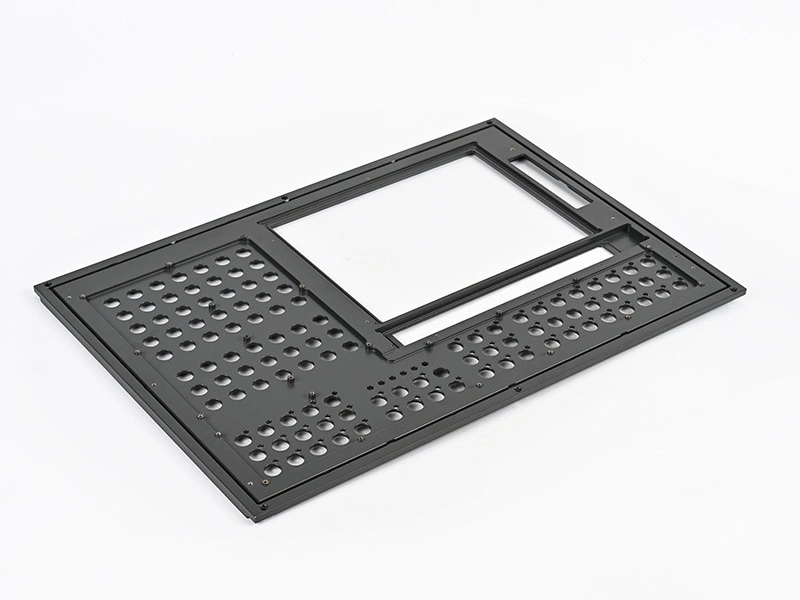
CNC machining is usually the strongest route when the buyer needs accurate datums, machined holes, threads, sealing faces, mating surfaces, or a material close to the final metal. CNC prototypes are useful for fit, assembly, motion, and functional checks when the design is still changing or when production tooling is not ready.
The buyer should identify critical dimensions and material requirements before quoting. CNC prototypes may not show die casting porosity, additive manufacturing build effects, stamping springback, or MIM shrinkage. They are still valuable when the buyer needs a stable reference part for assembly testing. Useful links include high-precision CNC machining, CNC machining methods, and CMM dimensional inspection.
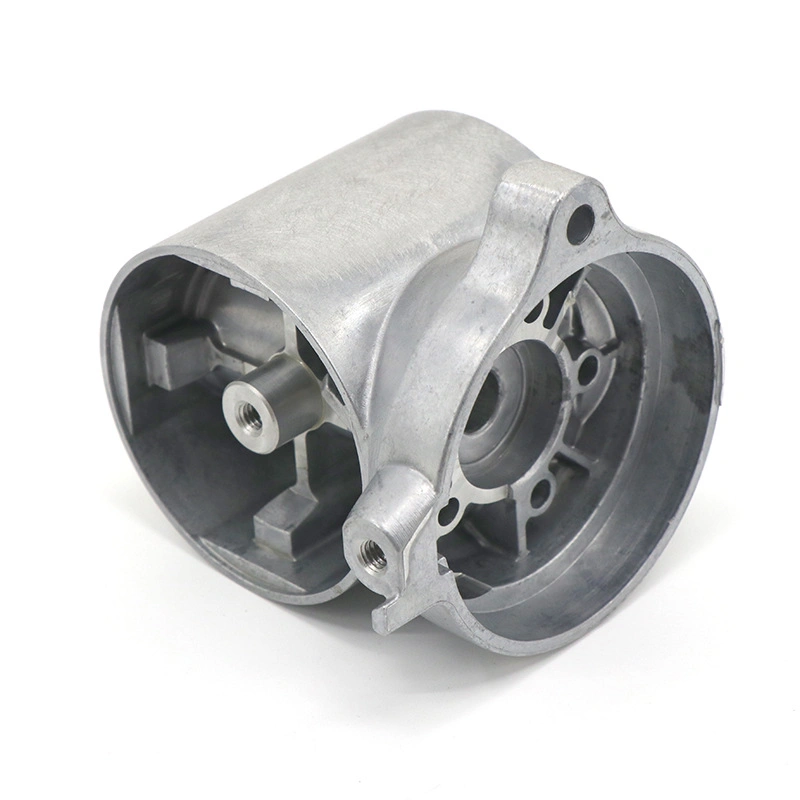
When Is Metal 3D Printing Worth Reviewing?
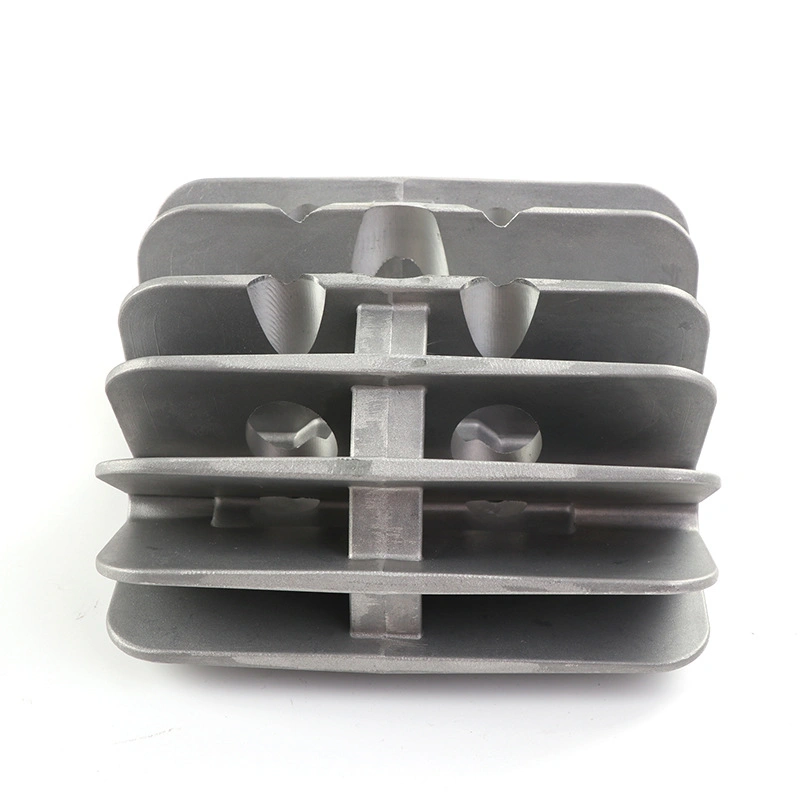
Metal 3D printing should be reviewed when the prototype needs complex internal features, lightweight geometry, fast design iteration, or shapes that are difficult to machine from stock. It can help buyers explore internal channels, organic structures, and integrated forms before committing to tooling or machining strategy.
The RFQ should state material, surface finish, tolerance, build orientation, support removal, and post-processing expectations. Buyers should understand that metal 3D printed parts may need machining or finishing for critical interfaces. Relevant references include 3D printing process classification, DMLS 3D printing for prototypes, and 3D printed aluminum.
When Should Buyers Choose Casting Or Rapid Tooling?
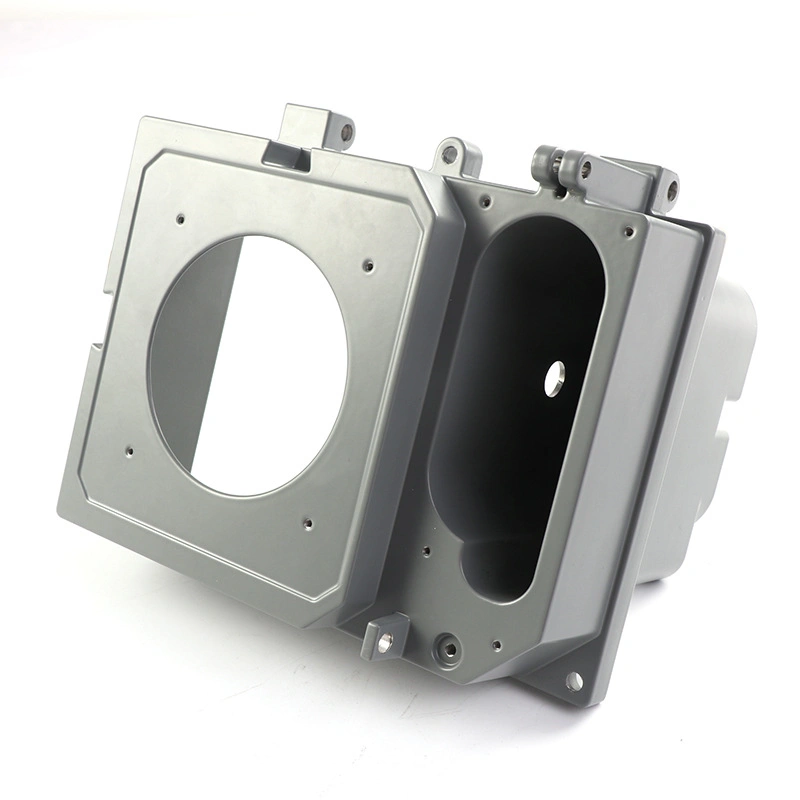
Casting prototypes should be considered when the buyer needs to evaluate casting geometry, wall thickness, draft, gate strategy, surface texture, and machining allowance. Rapid tooling should be considered when the buyer needs pre-production evidence before investing in hard tooling or final production tooling.
The RFQ should state whether the sample must represent the final alloy, casting process, surface finish, and machining operations. Buyers can reference aluminum die cast prototype route selection, precision casting route selection, and prototype zinc die casting when casting behavior must be reviewed.
How Should Material, Tolerance, And Surface Finish Be Specified?
Material should be selected according to the test purpose. Aluminum, stainless steel, low alloy steel, titanium alloy, nickel alloy, zinc alloy, or copper alloy prototypes can answer different questions. A prototype for fit may not need production material, while a prototype for load, heat, wear, or corrosion should use a material and process route that supports the buyer's validation.
Tolerance and surface finish should be assigned to functional features. Datums, holes, threads, bearing surfaces, sealing faces, and sliding contacts may need inspection. Non-contact surfaces may not need the same control. The RFQ should state which inspection records support buyer validation and which tests remain under buyer responsibility.
RFQ Decision | Manufacturing Entity To Define | Buyer Risk Reduced |
|---|---|---|
Process route | CNC machining, 3D printing, casting, rapid tooling | Prototype answers the correct engineering question |
Material match | Aluminum, stainless steel, steel alloy, titanium, zinc, copper | Functional test reflects material behavior when needed |
Critical features | Datum, hole, thread, sealing face, heat path, sliding contact | Inspection focuses on the features that affect validation |
Production comparison | Prototype route versus final production route | Tooling and process risk are reviewed before release |
What Should Buyers Include In A Metal Prototype RFQ?
A complete RFQ should include CAD files, 2D drawings, prototype purpose, target material, process route preference, critical dimensions, mating parts, surface finish, quantity stage, inspection reports, post-processing, production-intent route if known, and buyer validation requirements. If the buyer is unsure which route fits, the RFQ should ask for process comparison rather than a single process quote.
Important decisions should be stated directly. If CNC is for fit only, say that. If 3D printing is for internal geometry, identify those internal features. If casting is for production validation, define casting route and machining allowance. If rapid tooling is required, state the tool-built sample goal and approval criteria.
Related FAQs
What is the best process for metal parts prototype manufacturing?
Is CNC machining or 3D printing better for rapid metal prototypes?
How do prototype metal parts reduce production risk before tooling?
What tests should be performed on functional prototype parts?
What information should buyers provide for an accurate prototype quote?
What is the difference between a visual prototype and a functional prototype?
How does CNC machining prototyping compare with 3D printing prototyping?