What Is Powder Compression Molding (PCM) Service? How It Works?
This article explains what powder compression molding (PCM) service is and how a supplier turns powder material into custom powder-pressed parts. The practical RFQ problem is deciding whether PCM fits the material, part geometry, compaction direction, density target, sintering route, secondary operations, inspection evidence, and production volume before comparing PCM with metal injection molding, investment casting, forging, or CNC machining.
The short answer is that PCM service uses powder selection, die filling, compaction, ejection, sintering, and post-processing to produce sintered metal, hard-material, magnetic, or selected ceramic components. PCM is most suitable when the part can be pressed in a die and the buyer can define the functional surfaces, density requirement, heat treatment, and final inspection method before quotation.
Neway provides related powder pressing molding support for buyers reviewing custom sintered components.
PCM Service RFQ Decision for Custom Powder-Pressed Parts
PCM service should be evaluated when the custom part can be formed by pressing powder rather than machining from solid stock or injecting powder-binder feedstock. This makes PCM different from MIM and CIM, even though all three processes involve powders and may include sintering.
The manufacturing reason is that powder pressing creates the green part by mechanical compaction in a die. The final part quality depends on powder flow, compaction pressure, density distribution, ejection, sintering, and any secondary operations. If the geometry cannot be compacted evenly, another process may be better.
Buyer Question | PCM Service Answer | RFQ Information Needed |
|---|---|---|
What does the PCM supplier need first? | The supplier needs material, drawing, geometry, volume, and final-part requirements | STEP file, 2D drawing, material grade, quantity, critical dimensions, and post-processing notes |
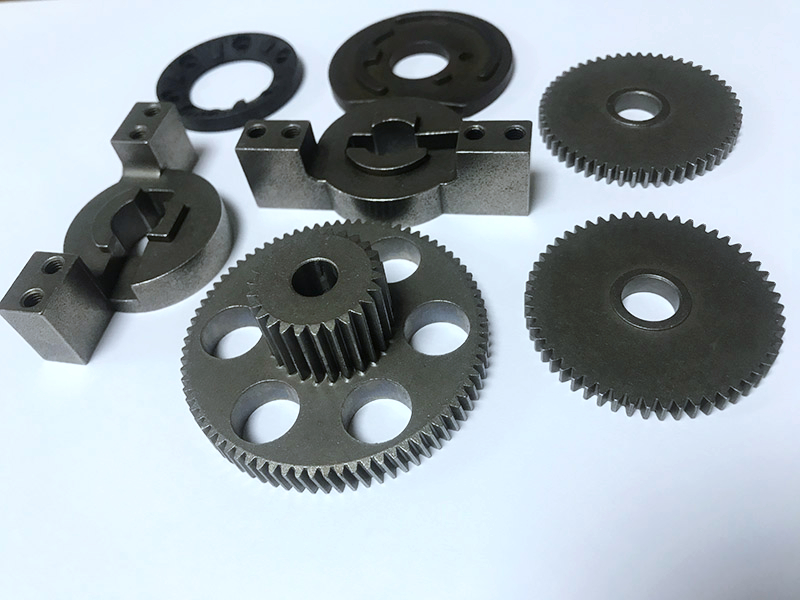
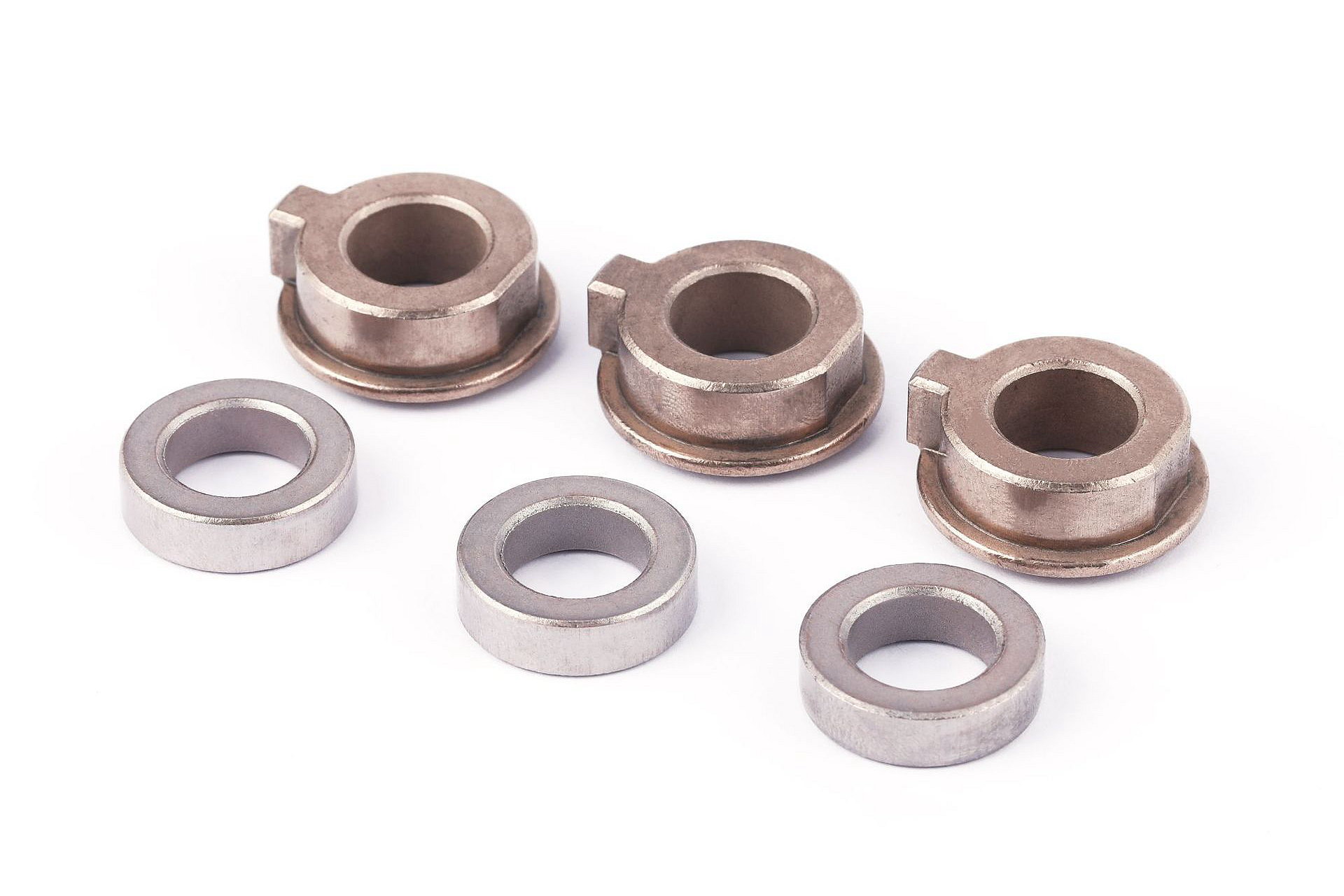
Which part types fit PCM? | Gears, bushings, sleeves, inserts, structural powder metal parts, magnetic parts, and wear components may fit | Function, load condition, wear surface, bore quality, tooth profile, and assembly interface |
Which risks affect the quote? | Density gradient, cracking, ejection damage, sintering shrinkage, distortion, and finishing scope | Density target, inspection method, tolerances, heat treatment, and acceptable surface condition |
Which alternatives should be compared? | MIM, investment casting, forging, machining, and ceramic forming can be better for some shapes | Geometry complexity, tolerance target, material property, production volume, and cost priorities |
Step 1: Powder Selection and Die Filling
PCM starts with powder selection. The supplier reviews metal powder, hard-material powder, magnetic alloy powder, ceramic powder, particle size, flow behavior, compressibility, and any lubricant or binder requirement. The selected powder must fill the die cavity consistently before compaction.
Die filling matters because uneven powder distribution can create density variation in the compacted part. Poor filling can affect sintering shrinkage, strength, dimensions, and surface quality. For gears, bushings, sleeves, and structural inserts, powder flow into tooth forms, keyways, holes, and thin sections should be reviewed before tooling.
The RFQ implication is that buyers should state the material grade and functional property, not just the process name. If the grade is flexible, the RFQ should define wear, corrosion, magnetic, heat, or mechanical needs so the supplier can recommend a powder system.
Step 2: Compaction, Ejection, and Green Part Handling
During compaction, punches press powder inside the die to form a green compact. The compact must hold its shape during ejection and handling. This step controls density distribution, edge condition, and the risk of cracks, lamination, chips, and ejection marks.
The manufacturing reason is that powder does not flow like molten metal or injection feedstock once compaction begins. Pressing direction, punch movement, wall height, and tool friction all influence final density. Complex side features, undercuts, long slender walls, and abrupt section changes may be difficult to compact uniformly.
The RFQ implication is to identify which features are functional and which features can be redesigned for pressing. A supplier may suggest changing a hole, adding radius, modifying wall thickness, or moving a secondary machining operation to reduce compaction risk.
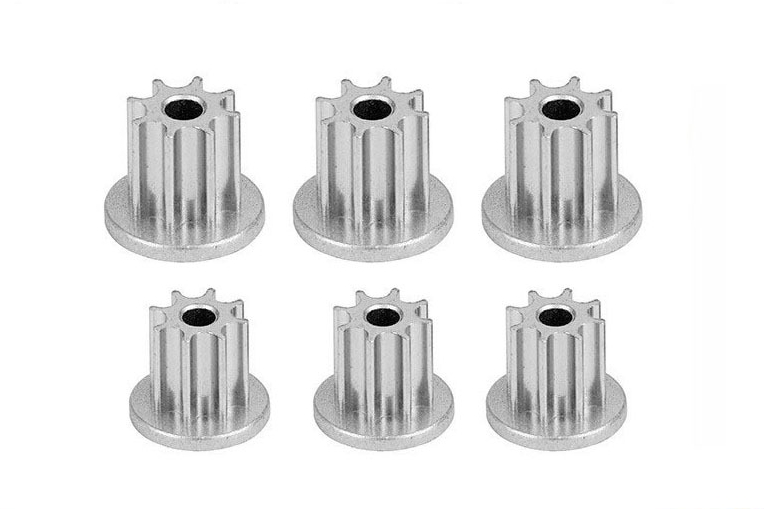
Step 3: Sintering, Sizing, Heat Treatment, and Surface Finishing
After compaction and ejection, PCM parts are commonly sintered to bond powder particles and develop final material properties. Sintering can change dimensions, density, strength, and distortion risk. Some parts then need sizing, coining, machining, drilling, tapping, heat treatment, polishing, coating, or cleaning.
The RFQ implication is that the buyer should quote the finished part, not only the pressed blank. If a gear needs heat treatment, if a bore needs sizing, if a wear face needs polishing, or if a stainless steel part needs a corrosion-resistant finish, those requirements should be listed before quotation.
Useful related process references include heat treatment, PVD coating, and polishing process classification and defect solutions.
PCM vs MIM and Investment Casting for Buyer Route Selection
PCM, MIM, and investment casting can all produce small metal components, but they solve different manufacturing problems. PCM is strongest when the part can be pressed in a die and the powder metallurgy route supports the required density and geometry. MIM is stronger when the part has small complex features, thin walls, and internal geometry that are difficult to press. Investment casting is stronger when the part geometry and alloy selection fit wax pattern and ceramic shell casting.
The buyer decision should compare the finished part, not just the raw process. If the drawing requires complex internal channels, MIM may be a better route. If the part is a larger cast metal bracket, investment casting may be a better route. If the part is a pressed gear, bushing, or wear component with suitable compaction direction, PCM may be practical.
Process Route | Common Fit | Main Risk to Review | Buyer Decision |
|---|---|---|---|
PCM | Pressed powder metal parts, gears, bushings, sleeves, inserts, and wear components | Density variation, ejection damage, sintering shrinkage, and post-processing cost | Use when the shape can be compacted efficiently and sintered properties meet the requirement |
MIM | Small complex metal parts with thin walls, details, and internal features | Feedstock cost, tooling, sintering shrinkage, and secondary machining on critical surfaces | Use when geometry is too complex for pressing but production volume supports tooling |
Investment casting | Complex cast metal parts with broader alloy options and different size ranges | Pattern control, shell quality, shrinkage, surface finish, and machining allowance | Use when casting route and alloy selection fit the drawing better than powder pressing |
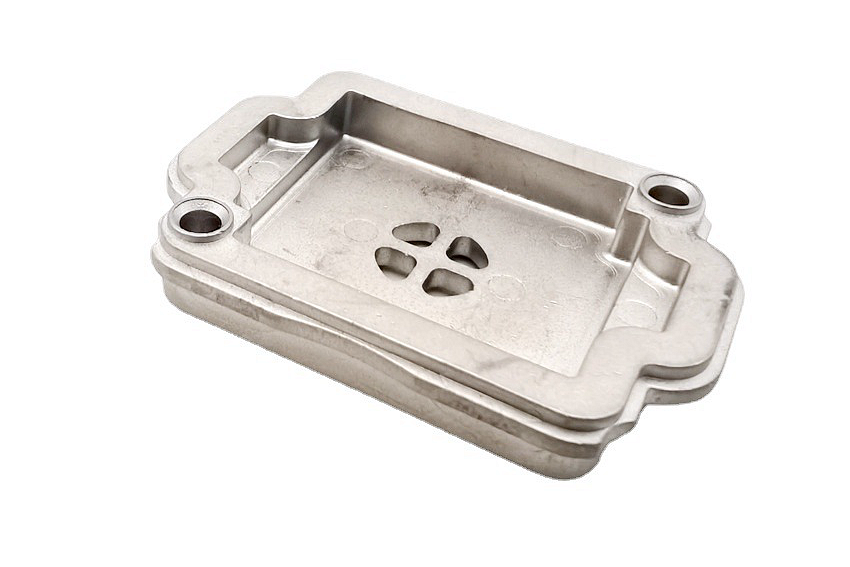
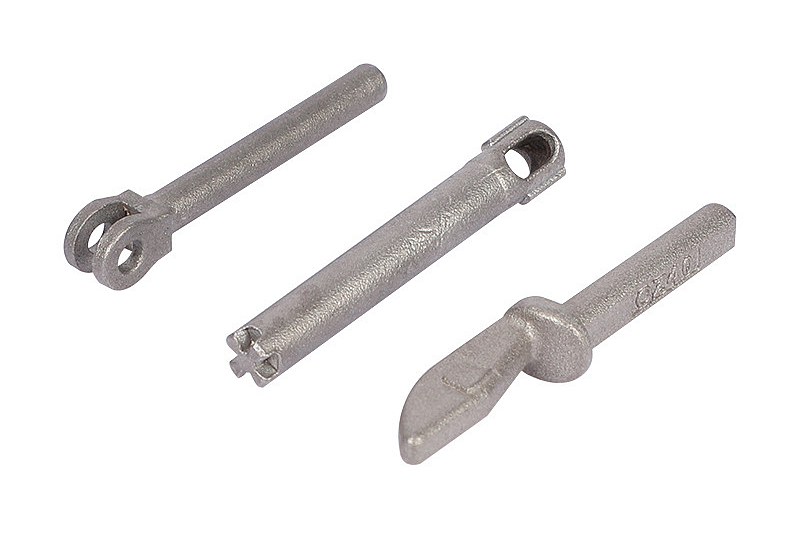
Material, Geometry, Density, and Inspection Questions
A PCM supplier needs to understand the material behavior, geometry, density target, and inspection method before quoting. Without these details, the quote may miss secondary sizing, heat treatment, machining, surface finishing, or special inspection.
Important buyer questions include: Which material grade is required? Which surfaces are functional? Does the part need a specific density or porosity level? Which features are allowed as-sintered? Which features need sizing or machining? What visual, dimensional, hardness, density, or functional evidence is required for acceptance?
The related article on PCM materials and applications can help buyers connect material options to part requirements.
RFQ Checklist for PCM Service Suppliers
A clear PCM RFQ should define the finished part and the manufacturing route assumptions. Buyers should avoid asking only for a "powder compression molding price" when the real requirement includes sintering, sizing, heat treatment, finishing, and inspection.
RFQ Item | Why It Matters for PCM Service | Recommended Buyer Input |
|---|---|---|
Material and powder family | Controls powder flow, compaction density, sintering, and post-processing | Grade, property requirement, operating environment, and allowed alternatives |
Part geometry | Determines die filling, compaction direction, ejection, and tooling risk | STEP file, 2D drawing, wall sections, holes, tooth profile, keyways, and datums |
Critical features | Functional surfaces may require sizing, machining, or inspection fixtures | CTQ dimensions, bores, flatness, tooth features, wear faces, and mating surfaces |
Post-processing | Heat treatment, machining, polishing, coating, and cleaning affect delivered cost | Finished-part drawing, hardness, surface finish, coating, and assembly notes |
Production demand | Tooling and inspection planning depend on quantity and revision stability | Prototype quantity, batch size, annual demand, release schedule, and packaging |
Inspection evidence | Acceptance requires dimensional, density, visual, hardness, or functional checks | Inspection report type, sample plan, density check, hardness check, and acceptance criteria |
Related FAQs
What Are the Common Powder Compression Molding Materials and Examples?
How Do Powder Metallurgy Parts Compare With Forgings in Cost and Performance?
What Materials and Heat Treatments Suit Gears Under High-Frequency Impact Loads?
What Material and Heat Treatment Requirements Apply to Gears in High-Load Tools?
What Cost Advantages Does the MIM Process Offer Compared With CNC Machining?