Metal Parts Prototype Manufacturing: Choosing the Right Process Before Production
For engineers and sourcing teams, a metal parts prototype service is not only a way to get an early sample. It is a decision stage that helps confirm whether a part is ready for production in terms of geometry, assembly logic, function, material suitability, and manufacturing risk. A prototype can be used to validate critical dimensions, threaded features, sealing faces, mating interfaces, structural strength, heat-related behavior, surface finish feasibility, and the practicality of the final production route.
This is especially important when the part will later move into die casting, metal injection molding, CNC production, investment casting, precision casting, or sheet metal fabrication. If the wrong prototype process is selected, the sample may look correct but fail to reveal the actual risks that matter in mass production. That is why prototype metal parts manufacturing should be chosen from an engineering and sourcing perspective rather than treated as a generic rapid prototype step. The right question is not only how fast the sample can be made, but which process will validate the most important risks before tooling, production launch, or volume investment.
Why Metal Parts Prototypes Matter Before Production
Metal parts prototypes matter because they reduce uncertainty before production cost and process commitment increase. In many OEM projects, the prototype stage is where teams confirm whether a part can actually be assembled, machined, sealed, coated, or used as intended. A CAD model may show the design clearly, but it cannot fully confirm whether hole access is practical, whether threads are positioned correctly, whether the sealing face has enough machining allowance, or whether the structure behaves as expected in real material.
Prototype validation is also important because each production route creates different risks. A part meant for die casting may need validation of wall thickness, gating risk, post-machining stock, or cosmetic surface logic. A part meant for MIM may need validation of shrinkage sensitivity and sintering-related distortion. A part meant for CNC production may need confirmation that the tolerance stack, tool access, and material choice are realistic. The prototype stage should therefore focus on the features that matter most in the future production route, especially critical dimensions, interfaces, threads, holes, functional faces, and appearance-sensitive areas.
CNC Machining for High-Accuracy Metal Prototypes
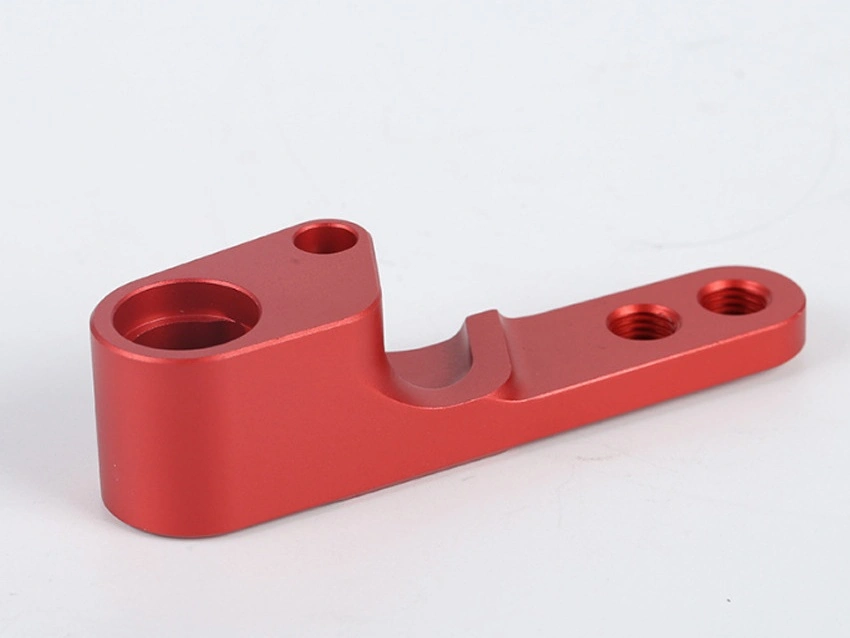
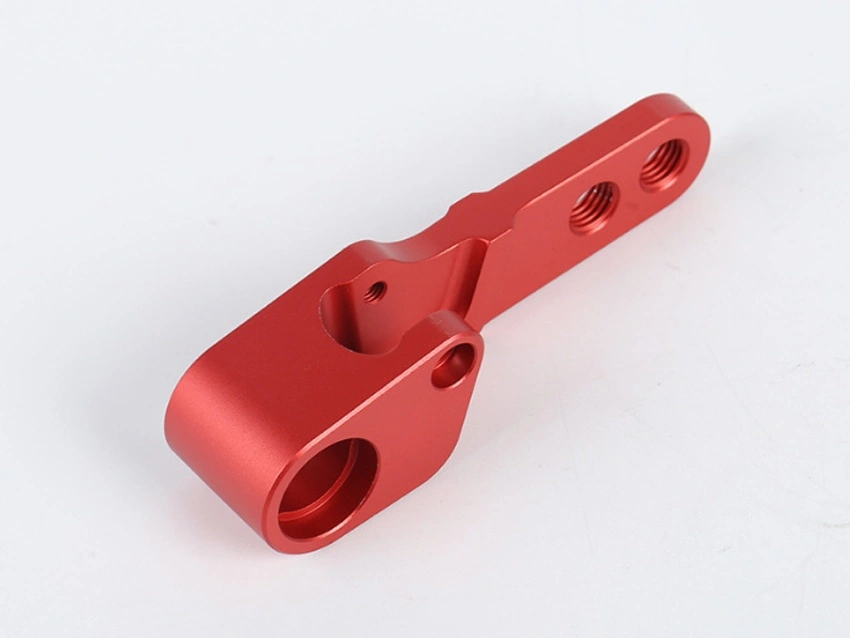
CNC machining prototyping is one of the most common choices for high-accuracy metal prototype parts because it uses real engineering metal and can achieve strong dimensional control in a relatively direct way. It is well suited for validating precise hole positions, threads, flatness, sealing faces, assembly surfaces, and other features where tolerance and geometry must be checked carefully before production. This makes it especially useful for functional testing, engineering review, and fit validation.
CNC prototypes can be made in aluminum, stainless steel, copper alloys, titanium alloys, nickel alloys, and many other engineering metals depending on the application. That makes CNC especially valuable when the material itself matters, not only the shape. Buyers often choose CNC when they need a prototype that behaves much more like the final product in strength, rigidity, machining response, or assembly fit.
The main limitation is that CNC may be less efficient for highly complex internal channels, very thin freeform structures, or designs that would be naturally formed by casting or additive manufacturing. It may also become expensive when the part contains extensive material removal or when multiple prototypes are needed for repeated design changes. Even so, for high-accuracy metal parts prototype work, CNC is often the most reliable first choice.
Metal 3D Printing for Complex Prototype Parts
3D printing prototyping is especially valuable when the prototype contains complex internal cavities, lightweight geometry, topology-optimized shapes, or features that are difficult to machine from solid stock. Metal 3D printing is often used when the main purpose of the prototype is to validate the geometry itself, including flow channels, lattice structures, integrated passages, and other designs that would be impractical or inefficient through conventional machining.
This route is also useful when teams need fast iteration on structurally complex parts. In many projects, metal 3D printing is combined with CNC finishing on critical holes, datums, or assembly faces so that both geometric freedom and precision validation can be achieved in the same prototype program. This makes it particularly useful for engineering teams working on lightweight structures, compact functional integration, or internal passage design.
However, buyers should also consider the process realities. Surface roughness is usually higher than machined surfaces, support removal may affect access and cost, heat treatment may be needed, and dimensional compensation often matters in feature evaluation. These factors do not make metal 3D printing less valuable. They simply mean the prototype should be judged according to the correct engineering purpose rather than against unrealistic surface or tolerance expectations.
Casting Prototypes for Production-Like Metal Parts
When the final production route is casting, a casting-based prototype is often the most meaningful way to evaluate real manufacturing risk. This is especially true for projects that are expected to move into aluminum die casting prototypes, investment casting service, or precision casting services. In these cases, a CNC prototype may validate geometry well, but it cannot always reveal the true production risks related to wall filling, shrinkage, warpage, gating, porosity, draft, or machining stock after casting.
Casting prototypes are useful when the team wants to validate a part in a form that is closer to the intended production process. This may include checking whether the wall thickness behaves well, whether the part distorts after casting, whether surface finishing remains practical, and whether the defined machining areas are sufficient. For complex structural castings or higher-value tooling programs, this type of validation can reduce later tool correction and production rework significantly.
From a sourcing perspective, casting prototypes are worth stronger consideration when the final product depends heavily on casting behavior rather than only on final geometry.
MIM and Powder Metallurgy Prototypes for Small Complex Metal Parts
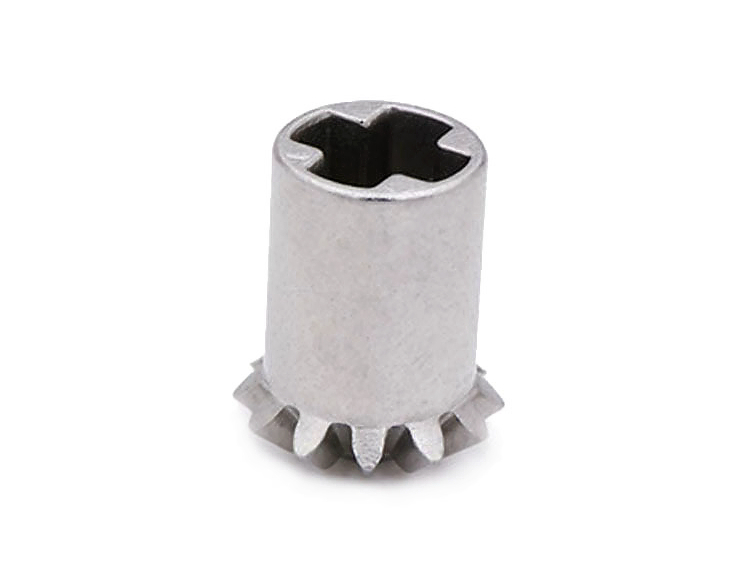
metal injection molding service becomes highly relevant when the final product is a small, complex metal part intended for medium- to high-volume production. In these cases, the prototype stage is not only about obtaining a sample. It is about confirming whether the design can transition into MIM with realistic shrinkage control, sintering stability, material suitability, and post-processing requirements.
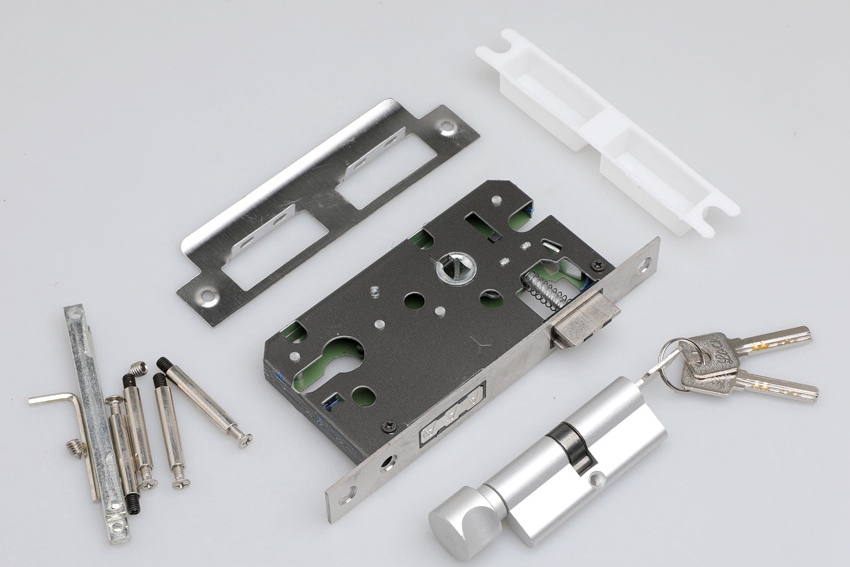
For many lock components, medical parts, consumer electronics metal parts, and compact mechanical structures, the prototype path may begin with CNC or metal 3D printing to validate the physical design first. After that, the project can be evaluated for MIM feasibility. This is important because MIM-specific risks include shrinkage behavior, sintering deformation, density-related expectations, and the need for secondary machining on selected features.
A good MIM prototype strategy therefore does not stop at making a sample. It connects the sample stage with the future production logic of mold design, sintering response, material choice, and downstream finishing. That is what makes MIM evaluation different from a generic prototype request.
How to Select the Best Metal Prototype Process
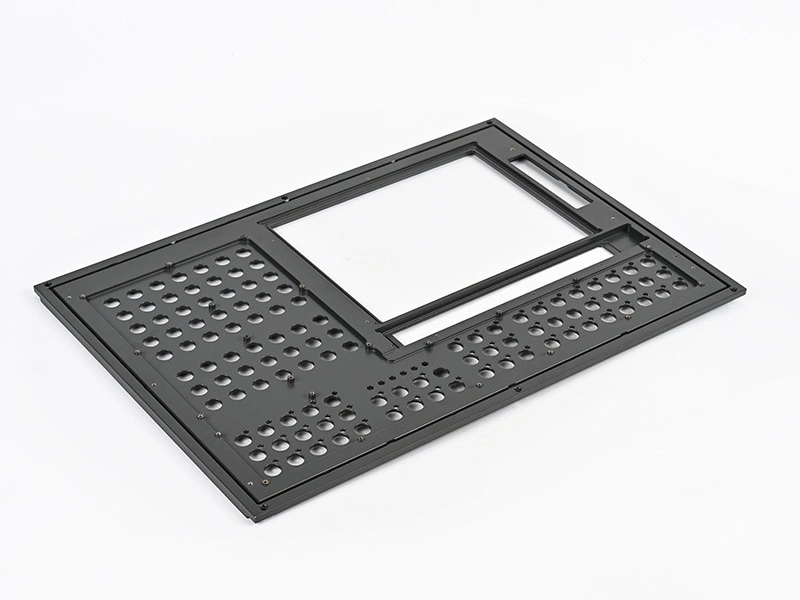
The best prototype process depends on what the project needs to prove before production. If the priority is dimensional accuracy and functional interface verification, CNC is often the strongest option. If the part depends on internal geometry or lightweight complexity, metal 3D printing becomes more suitable. If the final route is casting and production-like behavior must be confirmed, casting prototypes become more valuable. If the part is a small complex metal component expected to move into MIM, the prototype strategy should include both structural validation and later MIM feasibility review. For thin-walled fabricated structures, sheet metal prototyping may be the correct route instead of trying to force the design into a solid-part prototype process.
Metal Prototype Process Selection Guide
Project Need | Recommended Process |
|---|---|
High-accuracy dimensional validation | CNC machining prototyping |
Complex internal cavities and lightweight structures | Metal 3D printing |
Production-like casting validation | Casting prototype |
Small complex metal part production evaluation | MIM evaluation |
Thin-wall fabricated structure validation | Sheet metal prototyping |
Fast appearance and assembly confirmation | 3D printing / CNC |
What Buyers Should Provide for a Metal Prototype Quote
To quote custom metal prototype parts accurately, suppliers need more than the general shape of the part. Buyers should provide 3D CAD files such as STEP, IGS, or X_T so the geometry can be reviewed correctly. A 2D drawing is also important because it defines tolerance requirements, threads, key dimensions, datums, and any surface-roughness expectations. These details help determine whether the prototype is primarily for fit, function, strength, machining evaluation, or process validation.
The RFQ should also include the required material or at least the intended use environment, because the right prototype material depends on the performance that must be checked. Quantity matters as well, whether the need is for one engineering sample, a small validation batch, or a bridge quantity before production. Surface treatments, tests, and inspection requirements should be listed if they are part of the validation plan. Finally, buyers should state whether the part is expected to move into mass production and what the target production process will be. That information helps determine whether the prototype should be optimized only for speed or also for future manufacturing relevance.
FAQ
What is the best process for metal parts prototype manufacturing?
How do prototype metal parts reduce production risk before tooling?
What is the difference between a visual prototype and a functional prototype?
What tests should be performed on functional prototype parts?
Is CNC machining or 3D printing better for rapid metal prototypes?
What files and specifications are needed for custom 3D prototyping services?
How does Neway support the transition from prototype to mass production?
What information should buyers provide for an accurate prototype quote?