What is the best process for metal parts prototype manufacturing?
The right process for metal parts prototype manufacturing depends on what the prototype must prove: dimensions, threads, assembly fit, material behavior, surface finish, functional testing, casting feasibility, MIM feasibility, sheet metal forming, or transition to mass production. The practical RFQ problem is to choose between CNC machining prototyping, 3D printing prototyping, casting trials, MIM evaluation, sheet metal fabrication, or rapid tooling based on the buyer decision for the custom metal prototype part.
Which process should buyers choose for metal parts prototype manufacturing?
Buyers should choose the metal prototype process by validation goal. CNC machining is often used for tight features and functional metal samples. 3D printing is often used for complex geometry or early design review. Casting trials or rapid tooling may be used when the buyer needs casting-like behavior. Sheet metal fabrication is used for brackets, enclosures, and formed parts. MIM evaluation is used when the final part may use metal injection molding.
A prototype is not only a sample. A prototype should answer a manufacturing question before the buyer commits to tooling, production materials, inspection, or mass production. The process should match the question being tested.
Prototype Process | Main Buyer Question | RFQ Detail to Provide |
|---|---|---|
CNC machining prototype | Do the holes, threads, datums, fits, and functional surfaces work? | 3D CAD, 2D drawing, material, tolerances, finish, and inspection method |
3D printing prototype | Does the shape, assembly space, or complex geometry meet the concept? | CAD model, purpose of test, material expectation, and surface requirement |
Casting or rapid tooling prototype | Can the part move toward die casting, investment casting, sand casting, or gravity casting? | Target casting process, alloy, geometry risk, tooling stage, and volume |
Sheet metal prototype | Can the bracket, enclosure, panel, or formed part meet bend and assembly needs? | Material, thickness, bend radius, holes, finish, and assembly notes |
MIM evaluation prototype | Can a small complex metal part move toward metal injection molding production? | Material grade, annual volume, critical dimensions, threads, and sintering risks |
When should buyers use CNC machining prototypes?
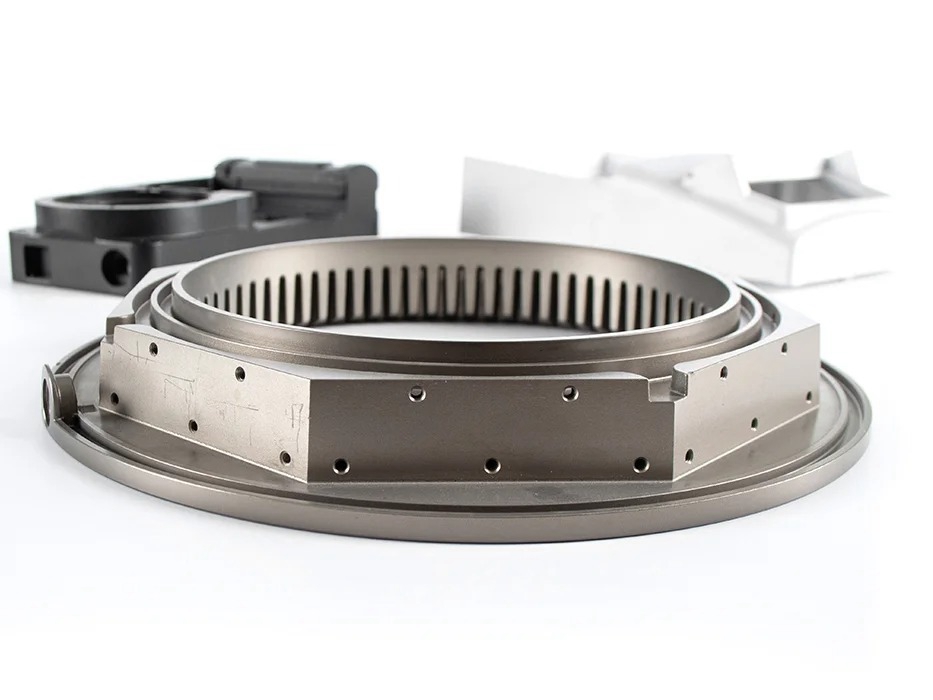
Buyers should use CNC machining prototypes when the prototype needs metal behavior, accurate holes, threads, flatness, datums, sealing faces, assembly fit, or functional testing. CNC machining is useful when the buyer needs a prototype that can be measured and tested against a 2D drawing.
CNC machining may not represent a future casting, MIM, stamping, or forming process. If the final production route is die casting, MIM, or sheet metal fabrication, the buyer should treat the CNC prototype as a functional development sample, not final process proof.
When should buyers use 3D printing or rapid prototyping?
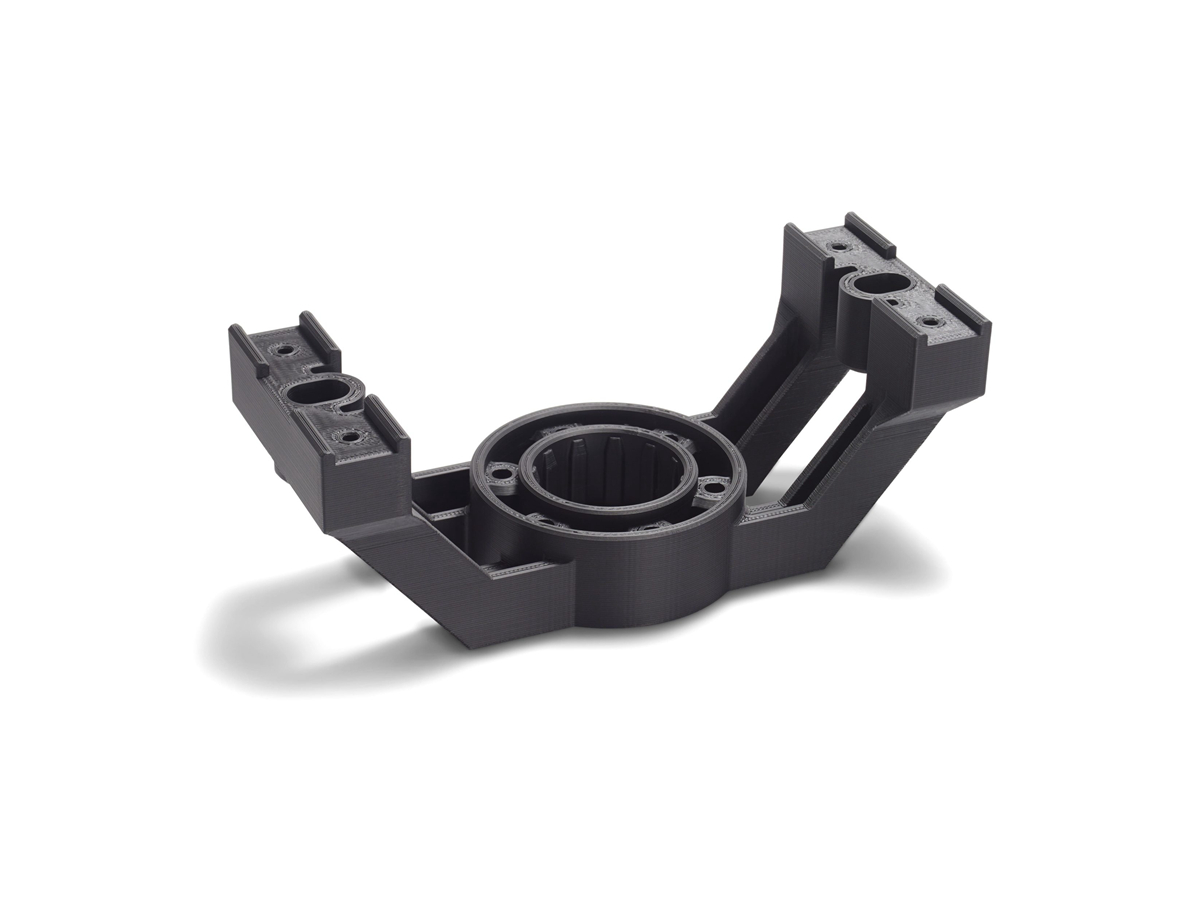
Buyers should use 3D printing or rapid prototyping when the project needs quick shape review, design iteration, packaging checks, ergonomic testing, or complex geometry evaluation before metal production. 3D printing can help identify form and assembly issues before spending more on metal prototypes or tooling.
For metal prototype decisions, buyers should define whether the printed part must represent only shape or also functional behavior. A printed plastic model may not represent metal strength, thermal behavior, wear, surface finish, or threaded features. A metal 3D printed part may be useful when geometry or material behavior must be closer to the final part.
For related buyer questions, see CNC machining versus 3D printing for rapid metal prototypes and visual prototypes versus functional prototypes.
When should casting, sheet metal, or MIM evaluation be considered?
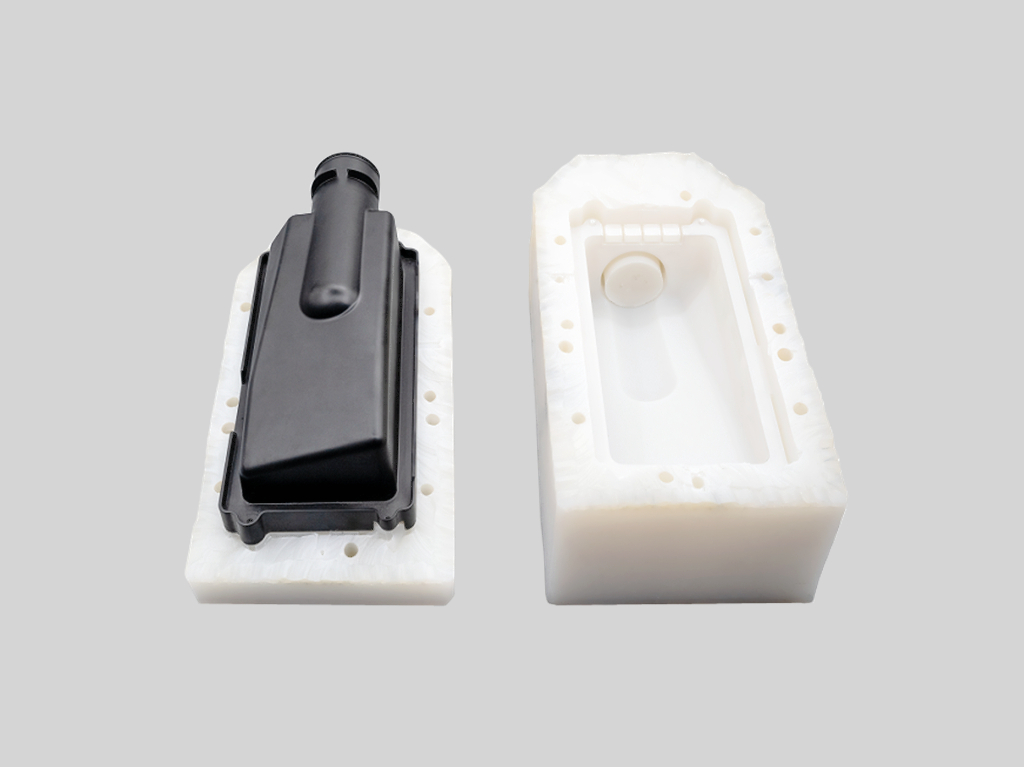
Casting evaluation should be considered when the final part may use aluminum die casting, zinc die casting, investment casting, sand casting, or gravity casting. The prototype route should then check cast geometry, draft, wall thickness, gating risk, machining allowance, and surface finish.
Sheet metal fabrication should be considered for brackets, covers, enclosures, panels, and formed parts. Metal injection molding evaluation should be considered for small complex parts where annual volume may justify MIM tooling and sintering process review.
For related process planning, see metal parts prototype manufacturing by CNC machining, 3D printing, casting, or rapid tooling.
How do tolerance, material, finish, and testing affect process selection?
Tolerance, material, finish, and testing requirements determine how close the prototype must be to the final production process. A prototype used for dimensional inspection needs tolerances, datums, and inspection methods. A prototype used for appearance needs finish, color, texture, and visible-surface criteria. A prototype used for testing needs load, wear, thermal, corrosion, or functional requirements.
The buyer should define the prototype's acceptance criteria before requesting a quote. If the prototype only needs to prove shape, the process can be simpler. If the prototype must prove production risk, the route may need production material, machining, coating, inspection, and documented test results.
Prototype Requirement | Process Selection Impact | Buyer Control Point |
|---|---|---|
Tight tolerances | May require CNC machining and CMM inspection | Define datums, tolerances, critical dimensions, and reports |
Complex internal or organic geometry | May favor 3D printing or early additive validation | Define geometry purpose, material expectation, and test limit |
Casting-like structure | May require casting DFM, rapid tooling, or pilot samples | Define target casting route, alloy, wall thickness, and machining allowance |
Surface finish review | May require polishing, painting, coating, plating, or texture samples | Define visible zones, finish type, color, roughness, and visual standard |
Functional testing | May require production-like material, assembly, and inspection | Define test method, load, environment, sample quantity, and pass criteria |
What RFQ details help Neway choose a metal prototype route?
Neway can recommend a metal prototype process more accurately when the RFQ includes 3D CAD, 2D drawing, prototype purpose, material requirement, tolerance targets, surface finish, functional test, sample quantity, target production process, annual volume, inspection reports, and schedule requirement.
The buyer should state the decision the prototype must support. If the decision is visual approval, say so. If the decision is functional testing, define loads and pass criteria. If the decision is production tooling, define the planned manufacturing route and validation evidence needed before moving forward.
Related FAQ support includes how prototype metal parts reduce production risk before tooling, tests for functional prototype parts, and information needed for an accurate prototype quote.
Related FAQs
What is a functional prototype in rapid prototyping manufacturing?
What is the difference between a visual prototype and a functional prototype?
Is CNC machining or 3D printing better for rapid metal prototypes?
What files and specifications are needed for custom 3D prototyping services?
How does Neway support the transition from prototype to mass production?
How do prototype metal parts reduce production risk before tooling?
What information should buyers provide for an accurate prototype quote?