What Are the Most Widely Used Rapid Prototyping Services?
The most widely used rapid prototyping services include 3D printing, CNC machining, rapid molding, sheet metal fabrication, urethane casting, and rapid tooling. These processes help buyers test prototype housings, brackets, covers, connectors, enclosures, clips, mechanical parts, and molded plastic parts before production tooling. The practical RFQ problem is choosing the prototype process that matches material intent, functional testing, surface finish, tolerance risk, quantity, and the next production process.
Which rapid prototyping service should buyers choose first?
Buyers should choose the prototype process by the question the prototype must answer. A visual prototype answers appearance and ergonomic questions. A functional prototype answers fit, load, sealing, thermal, or assembly questions. A production-intent prototype answers whether the final material, process route, and inspection plan can work before tooling or mass production.
Rapid Prototyping Service | Best Buyer Question | Typical Prototype Output |
|---|---|---|
3D printing | Can the concept shape, ergonomic form, or internal layout work? | Printed plastic or metal prototype, visual model, fit-check part, or complex geometry sample. |
CNC machining | Can the part function in production-intent metal or engineering plastic? | Machined aluminum, steel, stainless steel, brass, copper, or plastic prototype. |
Rapid molding | Can molded plastic geometry, resin behavior, or low-volume molded parts be evaluated? | Prototype molded parts from temporary or simplified tooling. |
Sheet metal fabrication | Can a bracket, panel, enclosure, or guard be cut, bent, and assembled? | Laser cut, bent, welded, or finished sheet metal prototype. |
Urethane casting | Can several plastic-like samples be evaluated for appearance, handling, and fit? | Cast urethane parts from a master pattern and silicone mold. |
Rapid tooling | Can the buyer bridge from prototype testing toward low-volume production? | Prototype mold, machined tool, printed tool insert, or short-run production support. |
When is 3D printing the best rapid prototyping service?
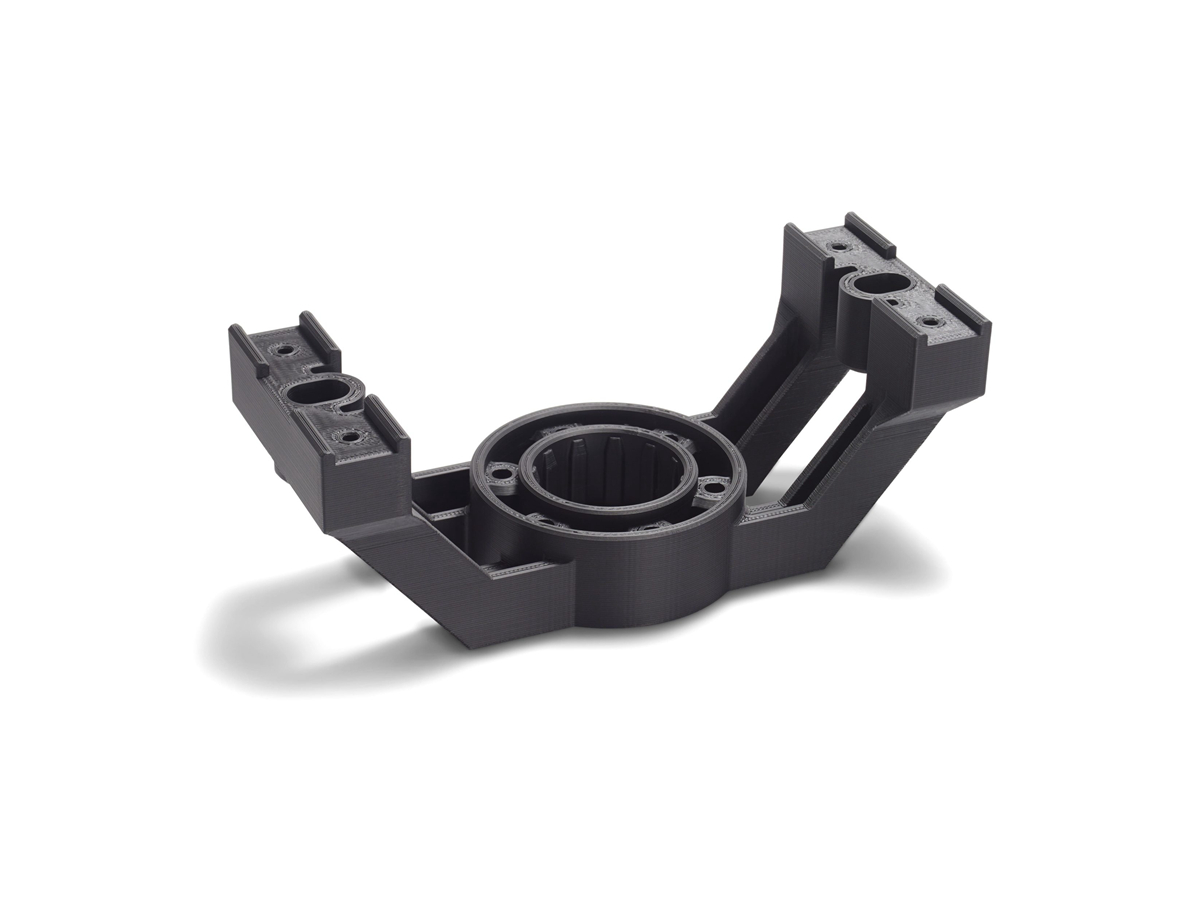
3D printing is often the best starting point for complex shapes, internal channels, visual models, ergonomic studies, lightweight structures, and fast geometry iteration. The process builds the prototype from digital data, so it can support early design review before expensive tooling or machining work begins.
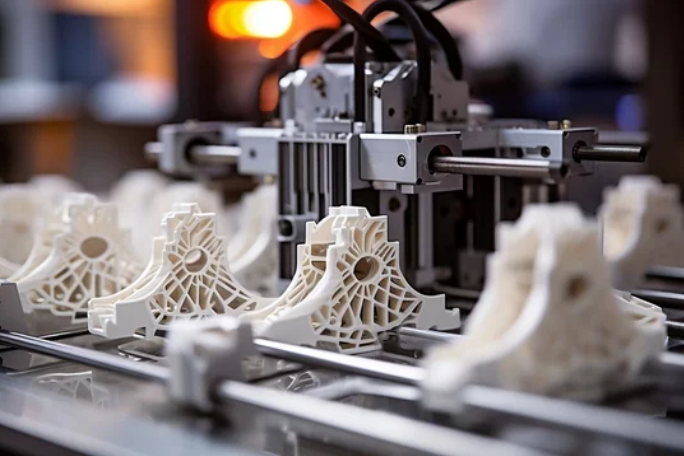
Buyers should still define whether the 3D printed part is only a visual prototype or a functional prototype. Layer direction, material selection, surface finish, heat resistance, strength, and dimensional accuracy can change whether 3D printing is suitable for the test.
When is CNC machining better for functional prototypes?
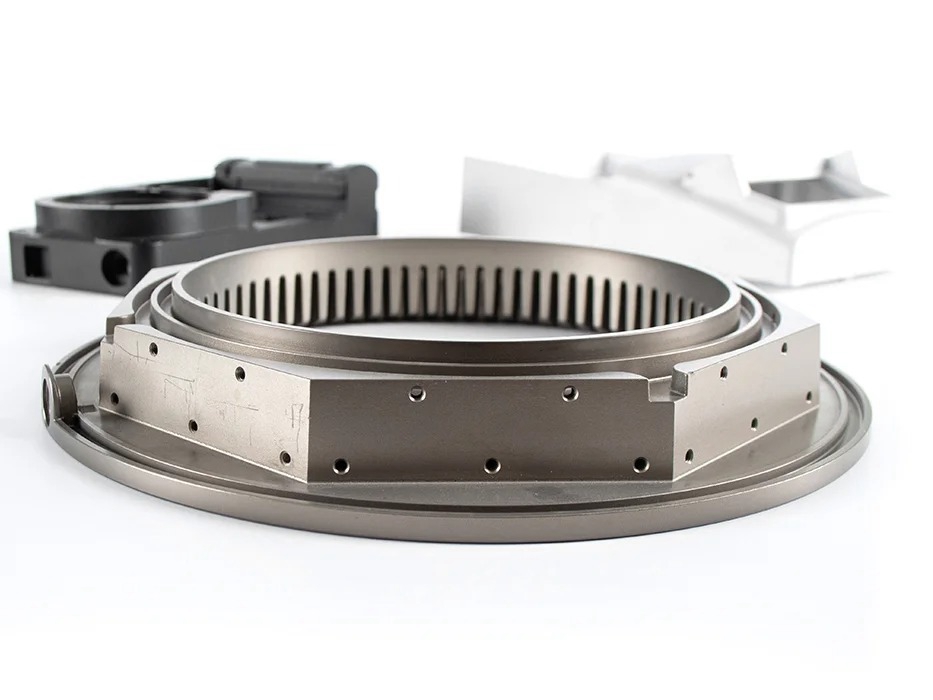
CNC machining is better when the prototype must use production-intent metal or engineering plastic and when machined datums, threaded holes, bearing seats, sealing faces, or tight assembly interfaces must be tested. CNC prototypes are common for aluminum housings, stainless steel brackets, copper components, brass fittings, and engineering plastic parts.
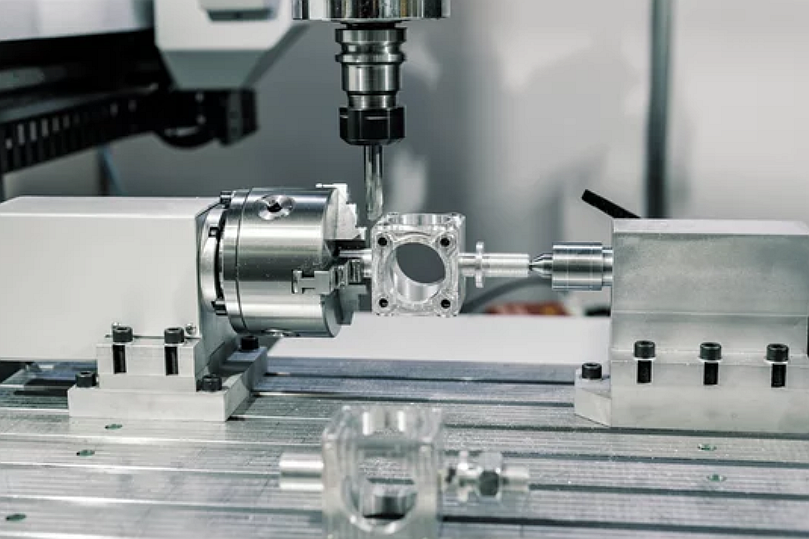
The RFQ should define material grade, surface finish, critical dimensions, threads, inspection requirements, and whether the machined prototype represents production geometry. CNC machining may cost more than a printed concept model, but it can reduce risk when the prototype must prove mechanical performance.
When do rapid molding and urethane casting fit prototype development?
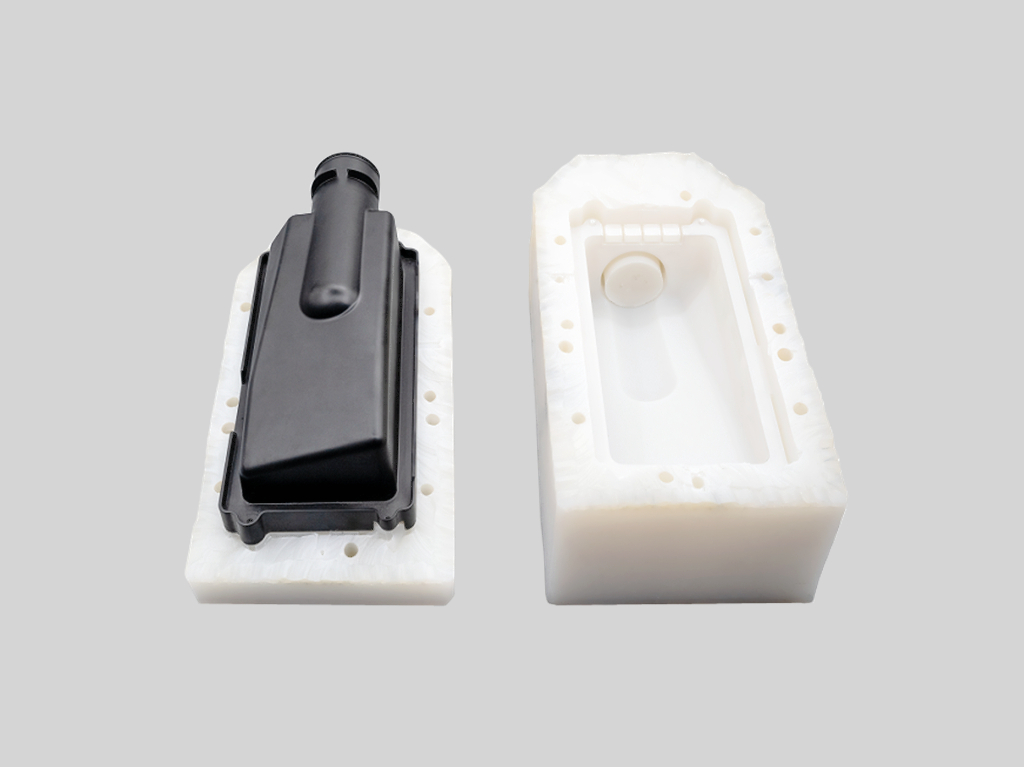
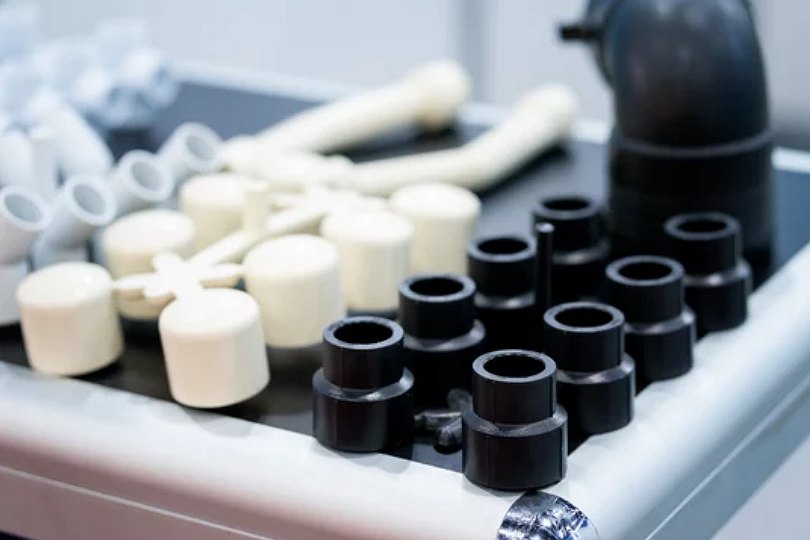
Rapid molding is useful when buyers need molded plastic geometry, resin behavior, or a small batch of parts closer to the injection molding route. It can help test snap fits, ribs, bosses, wall thickness, undercuts, texture, and assembly details before full production tooling.
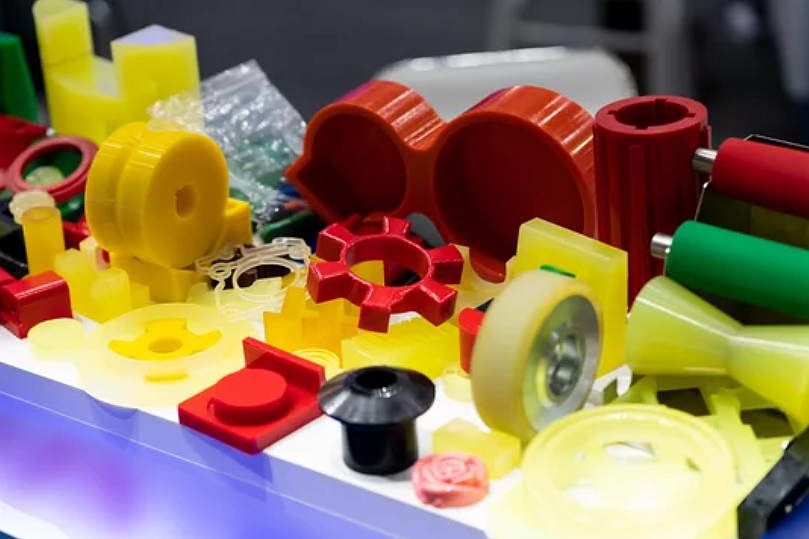
Urethane casting is useful when the buyer needs multiple plastic-like samples for appearance, handling, fit, or customer evaluation. The process usually starts from a master pattern and a silicone mold, so it is different from production injection molding. Buyers should confirm material simulation, surface finish, color, quantity, and dimensional expectations.
When is sheet metal fabrication used for rapid prototypes?
Sheet metal fabrication is used when the prototype is a bracket, enclosure, cover, panel, guard, duct, chassis, or mounting component made from flat sheet metal. Laser cutting, plasma cutting, metal bending, welding, riveting, tapping, and finishing can be combined to create a prototype that tests fit and assembly.
Buyers should define material grade, thickness, bend radius, hole locations, surface finish, and assembly hardware. A sheet metal prototype can reveal problems with bend sequence, hole-to-bend distance, fastener access, flatness, and coating clearance before production drawings are frozen.
When should buyers use rapid tooling?
Rapid tooling is useful when the prototype program is moving from one-off samples toward repeated molded or formed parts. The tool may support low-volume injection molding, thermoforming, casting, or other short-run processes, depending on material and geometry.
The RFQ should state whether the rapid tool is for design validation, functional testing, pilot production, or bridge production. Tool life, material compatibility, surface finish, part tolerance, and design-change risk should be reviewed before the buyer approves tooling cost.
How should buyers compare rapid prototyping services?
Buyers should compare services by test purpose, material, geometry, tolerance, surface finish, quantity, and production transition. The lowest-cost prototype may not answer the right engineering question. A printed model may show shape, while a machined prototype may be needed for load testing, and a molded prototype may be needed to test plastic snap fits.
Buyer Requirement | Strong Process Candidate | Reason |
|---|---|---|
Fast concept geometry review | 3D printing | Supports complex shapes and quick design iteration. |
Functional metal testing | CNC machining | Uses metal grades closer to production-intent material. |
Plastic part behavior review | Rapid molding | Supports molded features such as ribs, bosses, and snap fits. |
Multiple appearance samples | Urethane casting | Useful for low-volume plastic-like samples from a master pattern. |
Sheet metal assembly testing | Sheet metal fabrication | Checks cutting, bending, fastening, and enclosure fit. |
Bridge to pilot production | Rapid tooling | Helps validate repeated parts before full production tooling. |
What should buyers send for a rapid prototyping RFQ?
Buyers should send CAD files, drawings, material intent, prototype quantity, test purpose, critical dimensions, surface finish, assembly context, tolerance notes, finishing needs, and expected production process. If the prototype must pass functional testing, the RFQ should state the load, temperature, sealing, electrical, cosmetic, or assembly requirement.
A clear rapid prototyping RFQ lets the supplier choose the process that answers the buyer's actual engineering question. The best process is not always the fastest process; it is the process that gives reliable information before design freeze, tooling approval, or production launch.
Related FAQs
What materials can Neway work with for rapid prototyping service?
What is functional prototype in rapid prototyping manufacturing?
What is the best process for metal parts prototype manufacturing?
What files and specifications are needed for custom 3D prototyping services?
What information should buyers provide for an accurate prototype quote?