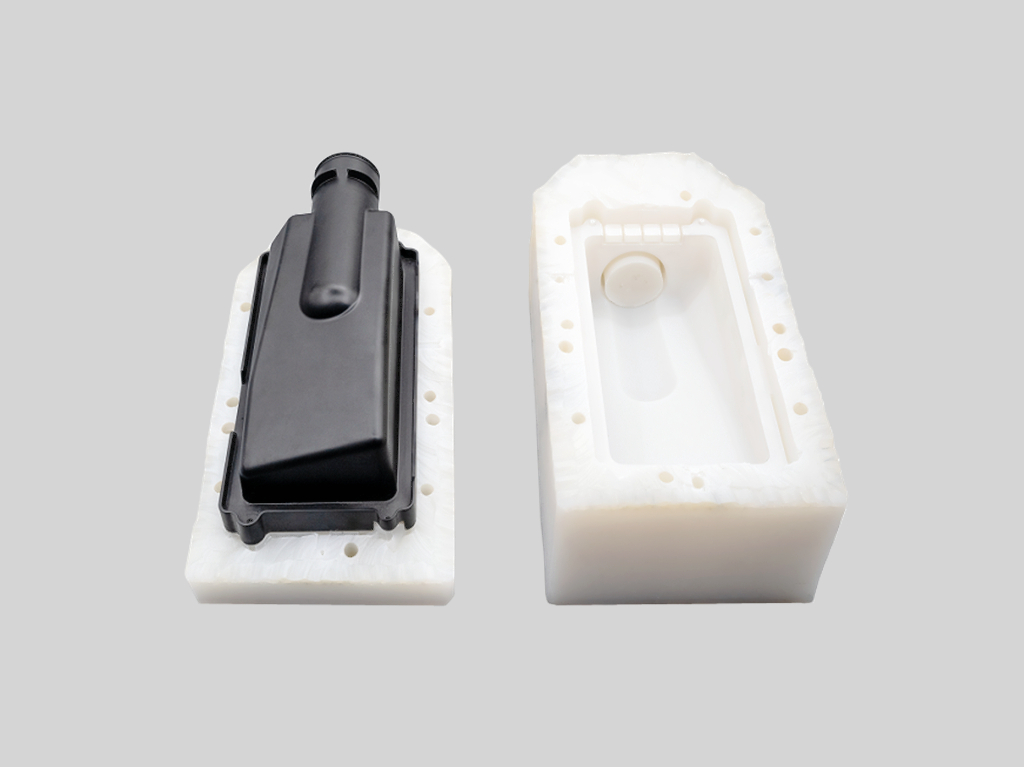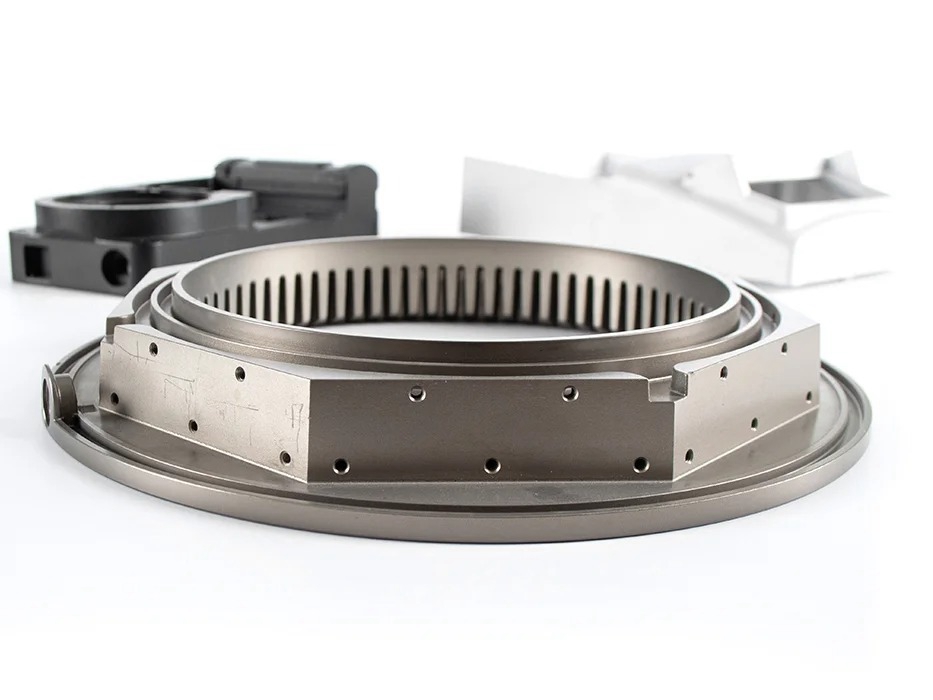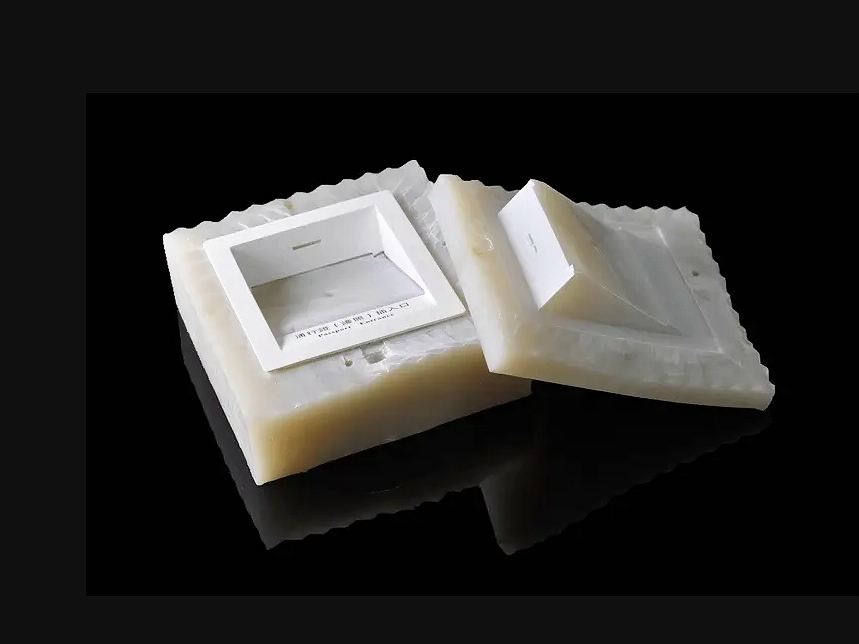
How quickly can rapid injection molded parts be produced?
Rapid injection molded parts can be produced faster than conventional production tooling when the CAD model, material, quantity, prototype purpose, mold structure, inspection requirements, and approval process are ready at the start. For a rapid injection molding RFQ, the practical problem is estimating how design complexity, resin availability, rapid tool machining, sampling, corrections, surface finishing, and inspection will affect the delivery schedule.
What controls the speed of rapid injection molded parts?
The speed of rapid injection molded parts is controlled by design readiness, mold complexity, material availability, tooling method, sample approval, and inspection scope. A simple open-shut mold can move faster than a mold with sliders, lifters, threaded inserts, deep ribs, undercuts, or tight cosmetic surfaces.
The buyer should separate urgent schedule needs from engineering requirements. If a part must support functional testing, the material, surface finish, and inspection plan may be more important than the shortest possible turnaround. If the part is only for appearance review, a simpler resin or surface finish may be acceptable.
Rapid injection molding is usually fastest when the RFQ includes a clean 3D model, controlled 2D drawing, target resin, quantity, surface finish, cosmetic zones, and a clear decision about what the samples must prove.
Which production stages affect rapid injection molding lead time?
Rapid injection molding lead time is built from several stages, not from molding time alone. Buyers should review the full route from DFM to sample approval because delays often occur before or after the actual molding cycle.
Rapid molding stage | What happens in this stage | Schedule risk | Buyer action that helps |
|---|---|---|---|
RFQ and DFM review | Review CAD, drawing, resin, quantity, draft, wall thickness, undercuts, and test purpose | Missing drawings, unclear resin, or unresolved design risks | Provide CAD, drawing, material grade, quantity, and critical dimensions together |
Rapid tool design | Define cavity layout, gate location, ejection, cooling, inserts, slides, and parting line | Undercuts, cosmetic surface conflicts, or late design changes | Approve parting line, gate vestige, and cosmetic zones early |
Tool machining and fitting | Machine mold components, fit inserts, check shutoff surfaces, and prepare the tool for sampling | Complex electrodes, small details, thin ribs, or tight shutoff features | Allow manufacturable radii, draft, and realistic tolerances where function allows |
Material preparation and molding trial | Dry resin, set process conditions, sample parts, and adjust molding parameters | Special resin procurement, moisture-sensitive material, warpage, sink, or short shot | Confirm resin grade, color, filler content, and acceptable alternatives before tooling |
Inspection and sample approval | Check critical dimensions, surface finish, assembly fit, and functional requirements | Undefined acceptance criteria or extra testing added after samples are made | Define CMM, visual, functional, or assembly inspection requirements in the RFQ |
Corrections and pilot quantity | Modify tool, adjust process, produce additional samples, or mold pilot parts | Design changes after sampling or new requirements after test failure | State which sample result will trigger redesign, approval, or pilot production |
How do part design and mold complexity affect speed?
Part design affects speed because the rapid mold must be machined, assembled, tested, and corrected around the geometry. Straight-pull parts with uniform wall thickness, reasonable draft, accessible ribs, and simple ejection are usually easier to tool than parts with undercuts, deep pockets, threaded side features, or complex cosmetic requirements.
Sliders, lifters, collapsible cores, fine texture, metal inserts, overmolded features, and very thin ribs can add design review and tool fitting work. These features may be necessary, but the buyer should know that they affect schedule as well as cost.
The fastest practical approach is not always removing complexity. The fastest practical approach is identifying which complex features are required for the test and which features can be simplified for the prototype stage.
How do materials and surface finishes change rapid molding schedule?
Materials affect schedule through resin availability, drying requirements, processing temperature, shrinkage behavior, color matching, filler content, and inspection needs. Standard ABS, PC, PP, POM, nylon, TPU, and PBT-type materials may be easier to plan than special grades that require procurement, documentation, or special processing conditions.
Surface finishes also affect schedule. A molded as-is surface can move faster than a part that needs texture matching, painting, pad printing, plating, assembly, insert installation, or special packaging. Cosmetic parts may need sample review before the buyer approves the final surface condition.
For rapid projects, the buyer should state whether the first samples must use the final color and surface finish. Sometimes early functional samples can be molded first, while cosmetic or fully finished samples follow after the engineering fit is confirmed.
What can buyers do to avoid delays in rapid injection molding?
Buyers can avoid delays by providing complete RFQ data, approving DFM questions quickly, freezing the prototype design before tool machining, defining inspection criteria, and separating mandatory requirements from preferences. Late design changes are one of the most common causes of rapid molding schedule changes.
The RFQ should include the 3D CAD model, 2D drawing, material grade, color, quantity, surface finish, texture, cosmetic zones, critical tolerances, inserts, assembly conditions, and test purpose. The buyer should also explain whether the samples are for appearance review, assembly fit, functional testing, pilot customer evaluation, or production transition.
When the schedule is urgent, buyers should identify the first decision that needs molded parts. If the first decision is fit, the project may not need final color. If the first decision is customer appearance, surface finish and texture may be essential. If the first decision is durability, material grade and inspection may be essential.
What should a buyer ask before requesting the fastest rapid molding schedule?
Before requesting the fastest schedule, the buyer should ask which project variable is flexible: part geometry, material grade, surface finish, inspection depth, quantity, or approval sequence. A supplier can usually plan more effectively when the buyer explains what cannot change and what can be adjusted.
Useful questions include whether the part can accept a simpler mold structure, whether prototype resin alternatives are acceptable, whether cosmetic finishing can follow functional samples, whether noncritical tolerances can be relaxed, and whether the buyer can review DFM feedback quickly.
Neway can review the rapid molding route, material plan, tool strategy, sample inspection, and production transition. The final schedule should be confirmed after the project files and RFQ requirements are reviewed.
Related FAQs
How quickly can parts be produced using rapid molding techniques?
What are the typical tolerances achievable in rapid injection molding?
What design features should be avoided in rapid injection molding?
What Is Rapid Molding, And How Does It Differ From Traditional Molding Processes?
Is rapid injection molding suitable for high-volume production?