How quickly can parts be produced using rapid molding techniques?
Rapid molding can produce parts faster than conventional production tooling when the design is ready for DFM review, the material is available, and the tool geometry is suitable for rapid tooling. This FAQ helps buyers estimate lead-time risk for rapid injection molded prototypes, low-volume plastic parts, housings, covers, clips, brackets, and functional samples when an RFQ must account for mold design, material selection, first article approval, finishing, and inspection.
How quickly can parts be produced using rapid molding techniques?
Rapid molding prototyping can shorten the path from approved design to molded parts by using simplified tooling, focused DFM review, and a process route suited to prototypes or low-volume production. The actual timeline depends on part complexity, tooling type, resin availability, surface requirements, tolerance, inspection, and buyer approval speed.
Buyers should avoid treating any single lead time as universal. A simple ABS cover and a glass-filled, tight-tolerance, textured housing do not carry the same tooling, molding, and inspection risk.
Rapid molding stage | What happens | What can delay the stage | RFQ detail that helps speed review |
|---|---|---|---|
DFM review | Part geometry, draft, wall thickness, gates, parting line, and ejection are reviewed | Missing 3D model, unclear material, no draft, undercuts, or unresolved cosmetic zones | 3D model, 2D drawing, target resin, surface finish, and critical dimensions |
Tool design | Rapid mold layout, inserts, cooling approach, gate location, and ejection plan are defined | Complex sliders, thin ribs, deep bosses, tight tolerances, or high cosmetic requirements | Expected quantity, design maturity, allowed tool simplifications, and approval contact |
Tool fabrication | Tooling is machined, assembled, checked, and prepared for molding trials | Hard material, fine texture, complex inserts, polishing, or engineering changes | Final geometry, mold material expectations, texture needs, and revision status |
Material preparation | Resin is selected, sourced, dried if needed, and prepared for molding | Special resin, color match, filled grades, flame-retardant grades, or unavailable material | Approved resin list, color requirement, material certificate need, and substitute policy |
Trial and first article | Initial molded parts are checked for filling, sink, warpage, flash, dimensions, and appearance | Short shots, warpage, sink marks, gate marks, tolerance mismatch, or design changes | Inspection method, functional surfaces, cosmetic areas, and acceptance criteria |
Production and delivery | Approved parts are molded, finished, inspected, packed, and released | Secondary operations, inserts, assembly, painting, plating, packaging, or extra inspection | Quantity, post-processing, packaging, and shipment requirements |
What makes rapid molding faster than traditional tooling?
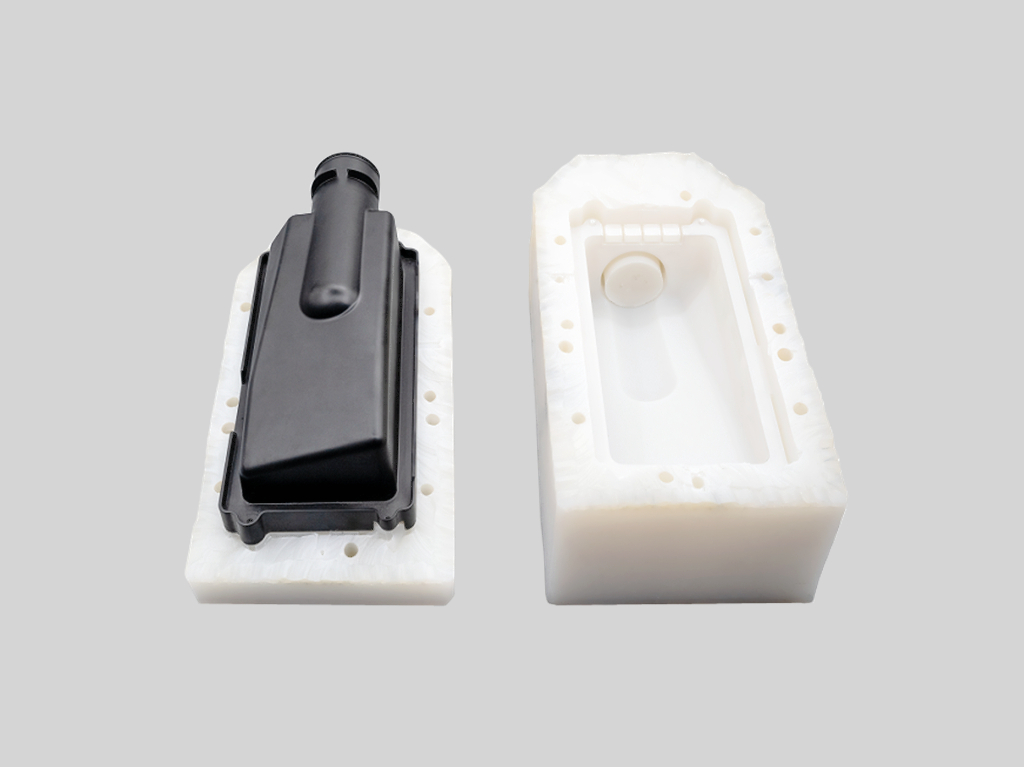
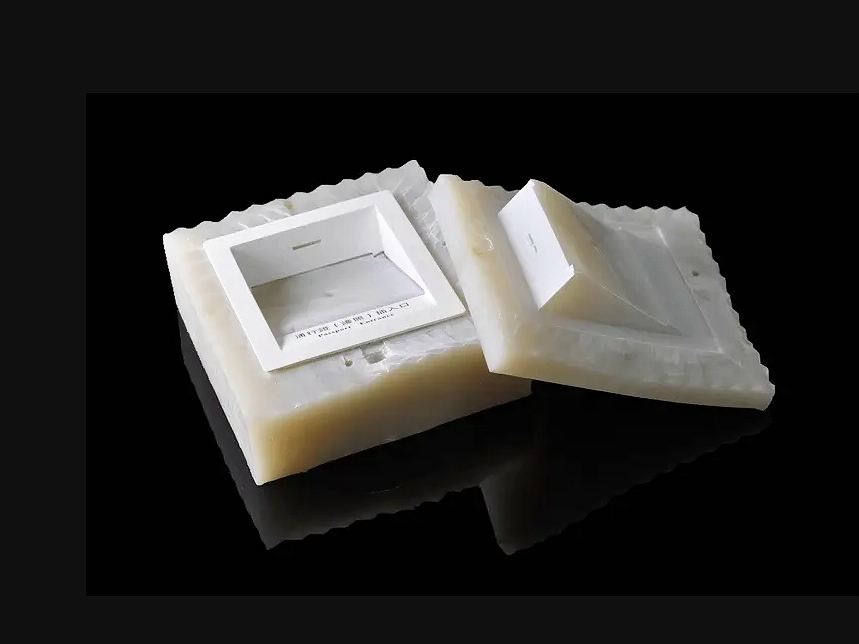
Rapid molding is faster when the tool can be simplified for prototype or low-volume use. The process may use rapid tooling strategies, simplified mold construction, modular inserts, focused DFM decisions, and a shorter approval loop than full production tooling.
The speed advantage is strongest when the buyer has a stable design and accepts a tooling route matched to validation or short-run needs. If the part still changes frequently, the timeline may be driven more by engineering revision than by mold fabrication.
Which part features can slow rapid molding production?
Features that can slow rapid molding include undercuts, side actions, deep ribs, thin walls, thick sections, long flow paths, tight texture requirements, high-gloss surfaces, close tolerances, threaded inserts, overmolding, and complex ejection. These features require extra tool design, machining, testing, or adjustment.
Buyers can reduce delay by reviewing draft, wall thickness, ribs, bosses, snap fits, and parting line early. A manufacturable design usually moves faster than a design that needs tool changes after trial molding.
How do materials and surface finish affect rapid molding speed?
Material selection affects speed because common resins are easier to source and process than specialty grades. ABS, PC, PP, POM, TPU, glass-filled materials, flame-retardant grades, and color-matched resins each have different drying, flow, shrinkage, and tool-wear considerations.
Surface finish also affects speed. Polishing, texture, painting, pad printing, plating, insert installation, or assembly can extend the route beyond molding. The RFQ should separate as-molded part needs from post-processing needs.
How do first article approval and inspection change the timeline?
First article approval can add time because initial parts must be reviewed for dimensions, appearance, fit, function, sink, flash, warpage, gate marks, and material behavior. If the buyer requests CMM inspection, functional testing, or assembly checks, the schedule should include that review.
Approval speed also depends on communication. When the buyer defines acceptance criteria and responds quickly to trial samples or inspection reports, the project can move to part production with fewer delays.
When is rapid molding not the fastest route?
Rapid molding may not be the fastest route when the design is still changing, the part quantity is very small, the geometry is difficult to mold, or the buyer mainly needs visual or fit-check prototypes. In those cases, 3D printing, CNC machining, or sheet fabrication may be faster for early validation.
Rapid molding becomes more attractive when the buyer needs molded material behavior, production-like surfaces, snap fits, functional plastic parts, or low-volume parts that should represent injection molded performance.
What RFQ information helps estimate rapid molding lead time?
A useful RFQ includes 3D model, 2D drawing, target material, color, texture, quantity, tolerance, wall thickness, critical features, cosmetic surfaces, inserts, secondary operations, inspection requirements, and whether the design is frozen or still changing.
With those details, the supplier can estimate a realistic route for DFM review, rapid tool design, tool fabrication, trial molding, first article approval, production, and finishing. The most reliable timeline comes from complete RFQ inputs and fast design decisions.
Related FAQs
What is rapid molding and how does it differ from traditional molding processes?
What materials are commonly used in rapid molding processes?
What design features should be avoided in rapid injection molding?
What are the typical tolerances achievable in rapid injection molding?
What are the cost benefits of rapid molding compared to traditional methods?