If a test fails, can Neway support quick redesign and re-prototyping?
This FAQ explains how Neway can support redesign and re-prototyping after a prototype test fails. The affected part types may include EV drivetrain housings, battery covers, brackets, MIM mechanisms, cast frames, plastic enclosures, sheet metal supports, and high-voltage safety components made through prototyping, CNC machining, 3D printing, injection molding, casting, MIM, or sheet metal fabrication. The practical RFQ problem is to convert failed test data, failure mode, root-cause hypothesis, design revision, material change, process change, re-test plan, and documentation requirement into the next prototype build.
Can Neway support quick redesign and re-prototyping after a failed test?
Yes, Neway can support a structured redesign and re-prototyping loop when the failure data and next test objective are clear. The speed depends on the failure mode, part complexity, material availability, process route, secondary operations, and whether the buyer has frozen the surrounding interfaces.
A failed prototype test should not be treated as only a manufacturing problem. The failure may come from geometry, material selection, wall thickness, rib layout, fastening strategy, surface finishing, heat treatment, assembly torque, or test fixture conditions. Neway can help review manufacturability and rebuild options, while the buyer should confirm the final design decision and acceptance criteria.
The RFQ implication is that the next quotation should focus on the failed function. A redesign for leakage, stiffness, thermal distortion, insert pull-out, cracking, torque failure, or coating damage may need different prototype evidence and a different manufacturing route.
What failure data should buyers provide before re-prototyping?
Buyers should provide the failed part revision, test method, load case, acceptance criteria, photos, measurement data, inspection report, material condition, assembly torque, fixture setup, and failure location. If available, strain data, temperature data, vibration data, leak test data, torque curve, runout data, or electrical isolation results should also be shared.
The most useful failure report identifies where the prototype failed and what the test was intended to prove. For example, a cracked plastic boss may require insert redesign and rib changes. A leaking cast housing may require sealing face machining, wall thickness review, porosity control, or gasket design review. A failed MIM latch may require material review, heat treatment review, dimensional change, or secondary machining of a functional surface.
The RFQ implication is that a fast redesign depends on specific evidence. Without failure data, the next prototype may repeat the same risk with a slightly different shape.
Which re-prototyping route fits each failure mode?
The re-prototyping route should match the failure mode. A geometry failure may be corrected with a fast model update, while a material or process failure may need a more representative sample.
Failed test result | Likely redesign focus | Possible re-prototyping route | Evidence to request for the next build |
|---|---|---|---|
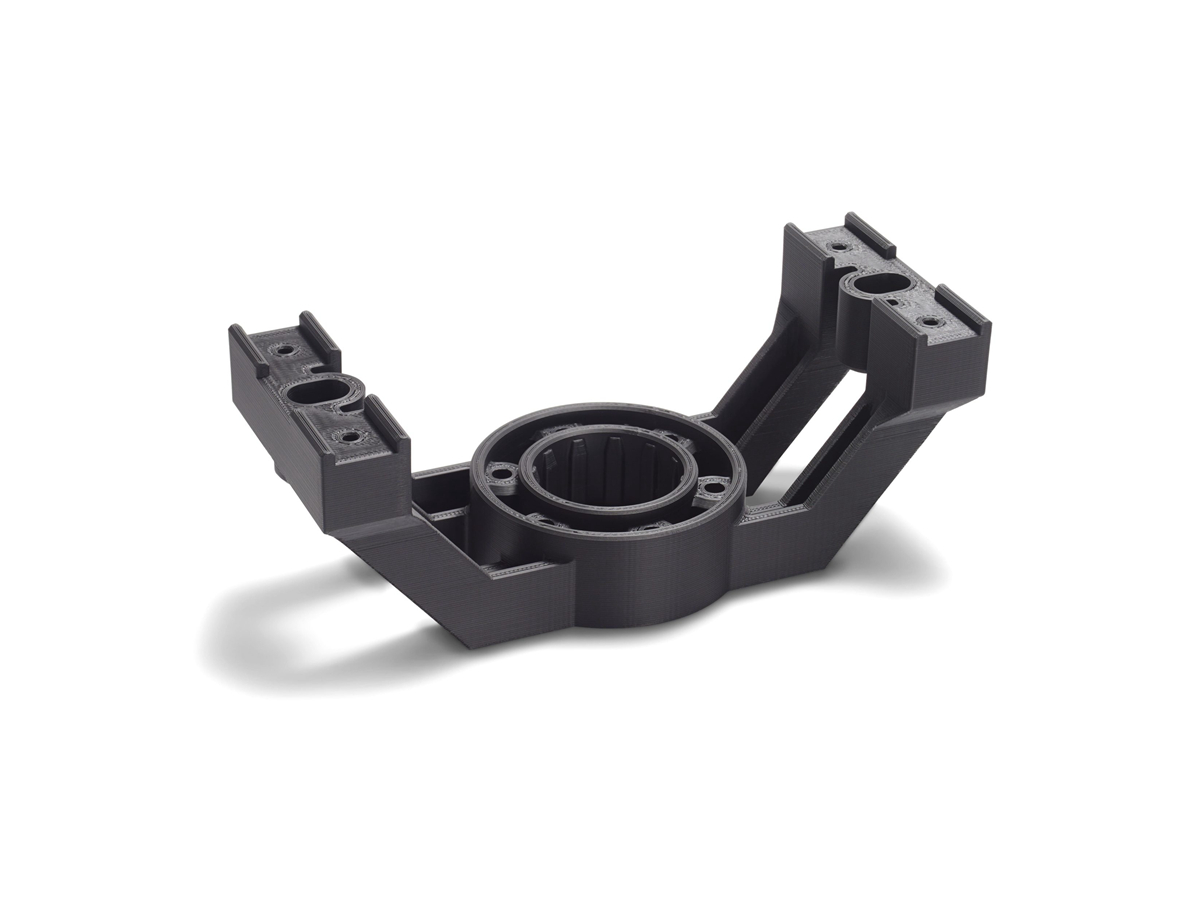
Assembly interference or poor service access | Feature position, clearance, connector access, fastener access | 3D printing prototyping or CNC machining for updated fit samples | Updated CAD, fit report, assembly photos, critical dimensions |
Leakage at housing or cover interface | Sealing face, gasket compression, flatness, porosity, fastener layout | CNC machining prototyping, aluminum casting sample, or machined sealing insert | Leak test result, flatness report, sealing surface inspection, torque sequence |
Cracking, low stiffness, or vibration issue | Rib layout, wall thickness, material grade, load path, fastener location | CNC machining, 3D printing for geometry review, aluminum die casting or precision casting for process-representative samples | Load case, vibration profile, dimensional report, material evidence, re-test plan |
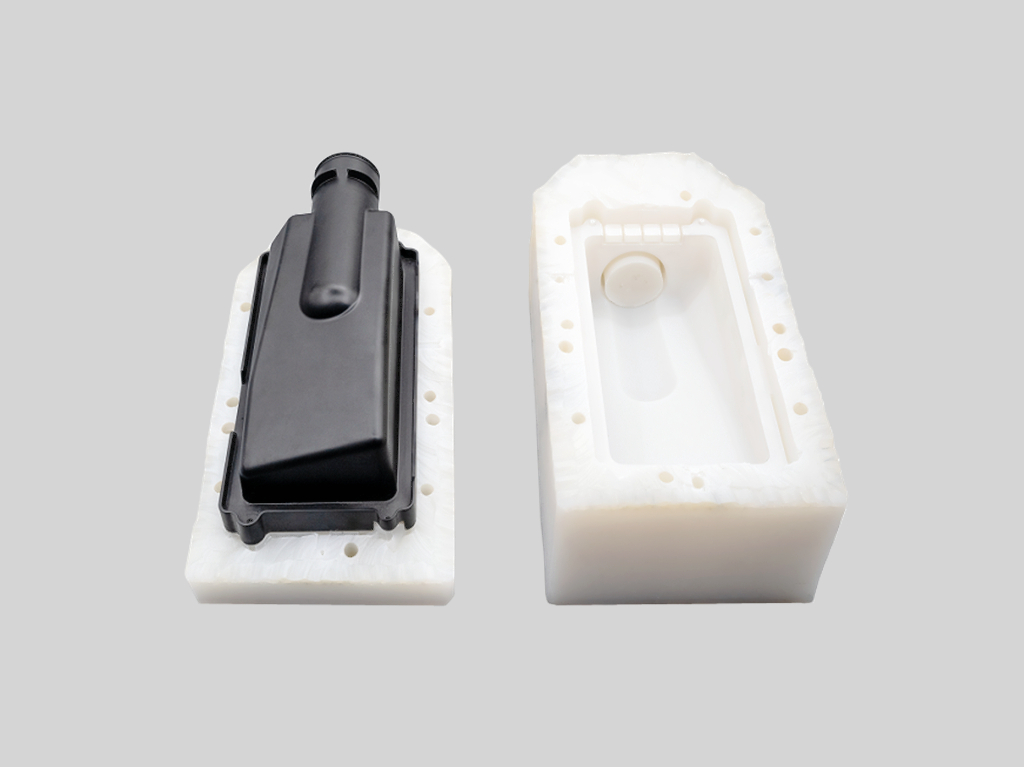
Insert pull-out or plastic boss failure | Insert design, boss geometry, resin grade, fiber orientation, assembly torque | Injection molding, insert molding, or overmolding review | Pull-out test, torque requirement, resin data, insert drawing, section review |
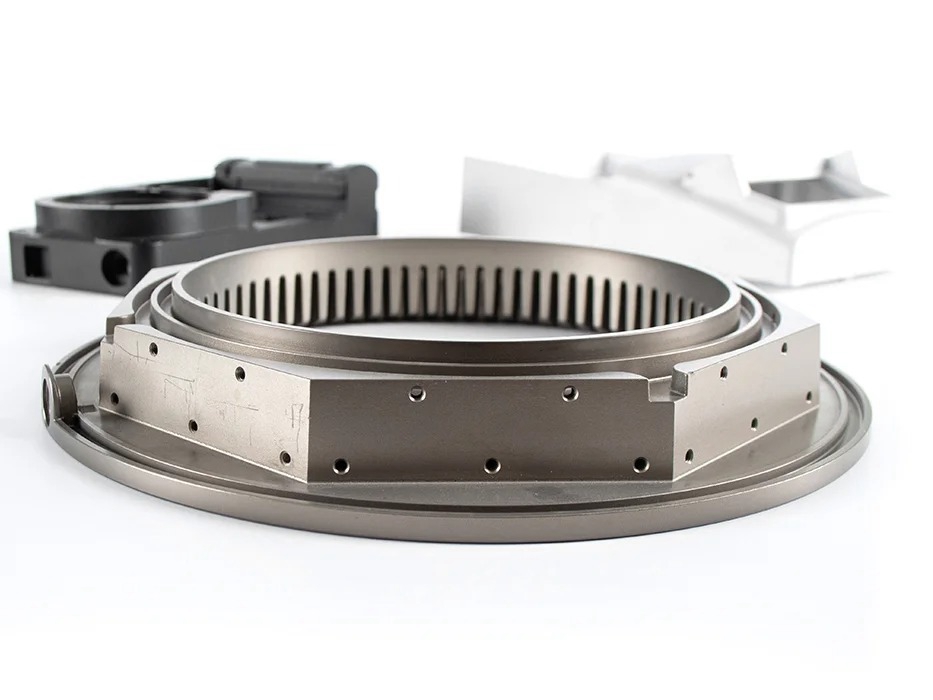
Small metal mechanism wear or strength failure | Material, heat treatment, density, surface finish, clearance, secondary machining | Metal injection molding or CNC machining for revised mechanism samples | Functional cycle result, hardness check, dimensional report, mating part data |
Coating, corrosion, or contact surface problem | Surface finishing, masking, coating thickness, contact area, material pairing | Reworked metal sample, new coating sample, machining plus finishing review | Coating thickness, masked area drawing, corrosion exposure result, contact resistance method if relevant |
How can material, process, and secondary operation changes be handled?
A failed test may require more than a geometry change. Neway can review whether the next prototype should use a different material, a different process, or different secondary operations. A machined prototype may be suitable for a fit issue, but a casting-related porosity issue needs a casting process review. A printed plastic sample may be useful for geometry, but an injection molded sample may be needed for insert strength, weld line behavior, or resin aging.
Secondary operations should be reviewed with the failure mode. Heat treatment may affect hardness, strength, and distortion. Surface finishing may affect corrosion resistance, contact surfaces, coating thickness, and masking. Machining may be needed for datums, threads, sealing faces, or bearing seats.
The RFQ implication is that every redesign should state which variable is being changed. Changing geometry, material, coating, and test method at the same time may make it difficult to understand which change solved the failure.
How should the redesigned prototype be validated?
The redesigned prototype should be tested against the failure that triggered the redesign. If the earlier sample failed a leak test, the next sample should include sealing inspection and leak testing. If the earlier sample failed vibration, the next sample should include fastener checks, crack inspection, and functional review after vibration. If the earlier sample failed electrical isolation, the next sample should include the buyer-defined insulation and creepage or clearance checks.
The test report should identify part revision, material condition, process route, secondary operations, inspection status, test setup, result, and any remaining limitation. For regulated, high-voltage, safety-related, or structural parts, the buyer should decide whether the redesign evidence is enough for the next development gate.
The RFQ implication is that quick re-prototyping should not skip documentation. Revision control, test data, and nonconformance notes help the buyer compare the failed sample with the redesigned sample and decide the next action.
What RFQ details help Neway quote the next prototype iteration?
Provide the original 3D model and drawing, failed sample revision, test report, photos, failure location, proposed design change, target material, prototype quantity, required process route, secondary operations, inspection requirements, and re-test plan. Also state whether the next prototype is for quick geometry confirmation, functional retest, production-process comparison, or customer review.
Neway can then review the best route through CNC machining prototyping, 3D printing prototyping, precision casting, aluminum die casting, sheet metal fabrication, molding, MIM, machining, finishing, and inspection support.
The practical answer is that Neway can support quick redesign and re-prototyping when the failed test is converted into a clear engineering question. The fastest useful iteration is the one that changes the right variable and produces evidence for the buyer's next decision.
Related FAQs
How do Neway standards align with ISO and regulatory requirements?
What validation needs apply to high-voltage safety components?
How to simulate real EV operating conditions during prototype validation?
What is the shortest lead time to a fully tested drivetrain prototype?
What tests should be performed on functional prototype parts?
What information should buyers provide for an accurate prototype quote?