What is the shortest lead time to a fully tested drivetrain prototype?
This FAQ explains the shortest realistic lead-time discussion for a fully tested drivetrain prototype used in automotive and e-mobility development. The manufacturing route may include prototyping, CNC machining prototyping, 3D printing prototyping, metal injection molding, plastic injection molding, aluminum casting, or precision casting depending on the drivetrain part type. The practical RFQ problem is to define the prototype scope, drivetrain part list, material route, inspection method, functional test plan, and buyer approval requirement before asking for the fastest possible schedule.
Is there one universal shortest lead time for a fully tested drivetrain prototype?
No. There is no universal shortest lead time that applies to every drivetrain prototype. The fastest credible schedule depends on the number of parts, material availability, drawing maturity, machining complexity, heat treatment, surface finishing, assembly work, and the buyer-defined test plan.
A simple fit-check housing and a torque-tested drivetrain assembly are very different projects. A machined shaft, gear carrier, motor housing, plastic cover, bearing support, cooling plate, and MIM locking component can each have a different critical path. The schedule also changes when the buyer needs NVH review, torque cycling, thermal testing, leak testing, backlash measurement, runout inspection, or endurance testing.
The RFQ implication is that buyers should avoid asking only for the "shortest lead time." A useful RFQ asks for the shortest schedule for a defined prototype scope: parts, materials, processes, required inspections, and required tests.
What does "fully tested" mean for a drivetrain prototype?
For an RFQ, "fully tested" should mean tested against the buyer's prototype validation plan. It should not be confused with final production approval, vehicle-level certification, or complete lifetime validation unless those requirements are explicitly included.
Prototype testing may include dimensional inspection, material verification, hardness checks, surface finish checks, assembly fit, runout measurement, torque transfer, backlash review, bearing alignment, vibration review, thermal cycling, leak testing, coating checks, and functional operation under a defined load. For e-mobility drivetrain parts, the test plan may also include motor housing alignment, cooling channel checks, insulation-related assembly checks, or simulated EV operating conditions.
The RFQ implication is direct: list each required test, acceptance criterion, sample quantity, and reporting format. If the buyer only says "fully tested," the supplier must ask follow-up questions before committing to a schedule.
Which manufacturing routes can shorten early drivetrain prototype work?
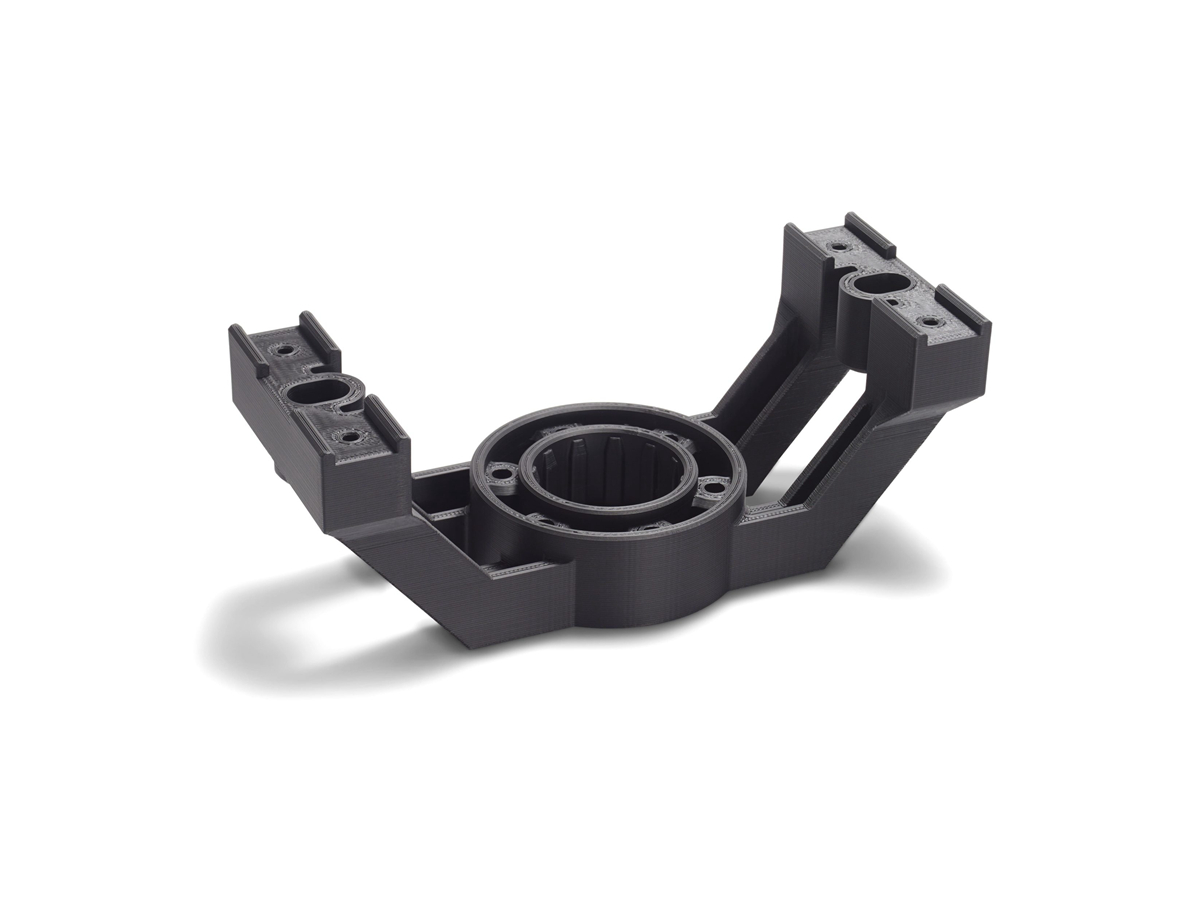
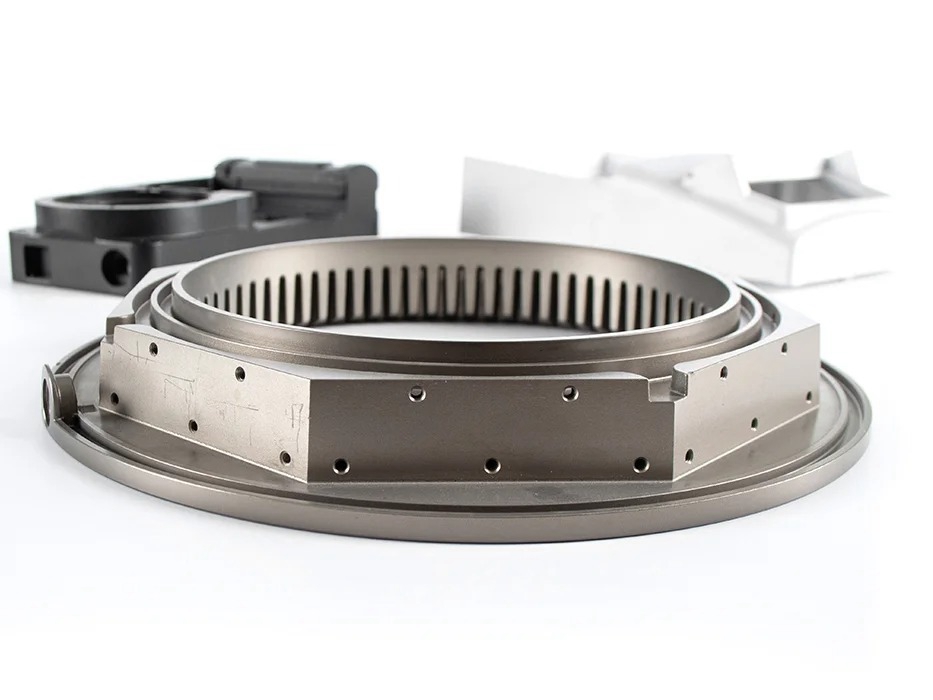
Manufacturing route selection can shorten early learning when the route matches the prototype question. CNC machining is often useful for shafts, covers, bearing seats, mounting faces, gear carriers, and metal housings that need accurate datums or functional assembly checks. 3D printing is often useful for package space, cable routing, airflow, assembly access, and early shape evaluation before metal or molded parts are produced.
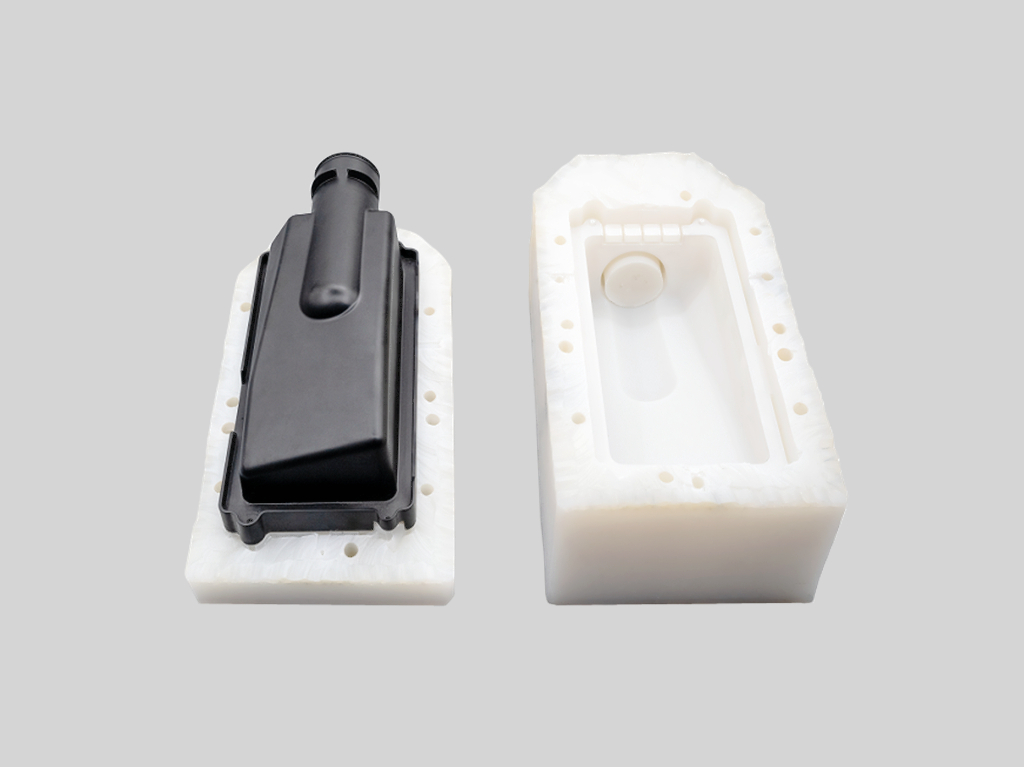
Plastic injection molding may be relevant when the prototype includes covers, clips, electronics housings, or low-load drivetrain enclosure features. MIM may be relevant for small metal lock parts, compact brackets, sensor supports, or mechanisms when the project needs a route closer to repeat production geometry. Aluminum die casting or precision casting may be relevant when the prototype must evaluate cast geometry, cooling features, rib layout, or production-intent material behavior.
The RFQ implication is that a single prototype route may not answer every question. A drivetrain program may use 3D printed models for packaging, CNC machined parts for functional assembly, and casting or molding trials for production-process risk. The buyer should define which question each sample must answer.
Which steps usually control the drivetrain prototype schedule?
The critical path is usually controlled by the slowest required combination of material, machining, secondary operation, inspection, and testing. The table below shows how buyers can structure the RFQ to reduce avoidable delay.
Prototype stage | Buyer decision | Possible manufacturing route | Evidence needed before moving forward | Schedule risk to clarify |
|---|---|---|---|---|
Design and RFQ review | Confirm part list, drivetrain function, drawings, materials, and test scope | DFM review for CNC machining, 3D printing, casting, molding, or MIM | 3D model, 2D drawing, load case, assembly interface, sample quantity | Missing drawings, unclear test criteria, changing material selection |
Geometry and fit samples | Check package space, mounting access, cable routing, and assembly clearance | 3D printing prototyping or CNC machining prototyping | Fit report, assembly photos, dimension checks, design-change list | Late interface changes or unavailable mating parts |
Functional metal parts | Review torque transfer, bearing alignment, runout, backlash, or housing stiffness | CNC machining, selected casting route, or MIM for small metal components | Dimensional report, material evidence, hardness checks, functional test data | Heat treatment, tight tolerances, complex datum setup, inspection bottleneck |
Housings and covers | Review sealing, thermal management, impact, cable routing, and assembly features | Plastic injection molding, machined plastic, printed polymer, aluminum casting, or CNC machining | Leak check, fit check, coating check, thermal review, assembly test | Tooling scope, resin choice, coating lead time, sealing design changes |
Prototype validation | Run buyer-defined functional, NVH, torque, thermal, or endurance tests | Assembled prototype with inspection and test support | Test report, inspection report, nonconformance list, revision recommendation | Test fixture readiness, acceptance criteria, failed sample rework, retest scope |
What testing and reporting should be defined before quotation?
Testing should be defined before quotation because test scope can control schedule more than machining time. A drivetrain prototype may need material checks, dimensional reports, torque testing, leak testing, thermal cycling, NVH review, runout measurement, backlash measurement, coating inspection, or assembly verification. The buyer should state which tests are required for quotation and which tests are only planned for later development.
Neway can support prototype manufacturing, inspection, and selected functional testing discussions, but final drivetrain approval should follow the buyer's system-level validation process. If a buyer needs a test standard, fixture design, custom load cycle, or endurance program, those requirements should be shared before quotation because they can affect sample design and schedule.
The RFQ implication is that the fastest path is not always the fewest operations. It is often the path with the clearest test purpose, stable drawings, available materials, realistic sample quantity, and defined reporting format.
What RFQ details help Neway estimate the fastest credible schedule?
Provide a complete part list, 3D models, 2D drawings, target materials, current design maturity, sample quantity, required prototype route, required secondary operations, test plan, acceptance criteria, reporting requirements, and the date when mating parts or test fixtures will be available. If the drivetrain prototype includes gears, shafts, bearings, housings, cooling channels, plastic covers, or MIM mechanisms, identify each component's function and risk level.
Also state whether the prototype is for fit check, functional operation, thermal review, NVH screening, torque testing, sealing review, design freeze, or production-process comparison. A prototype built for one purpose may not provide evidence for another purpose. For example, a 3D printed housing can answer package questions, while a machined or cast housing may be needed for functional load or thermal review.
The practical answer is that the shortest credible lead time comes from a narrow, well-defined prototype scope. Buyers can reduce avoidable delay by separating geometry samples from functional samples, agreeing on test evidence early, and freezing critical interfaces before manufacturing begins.
Related FAQs
What tests should be performed on functional prototype parts?
What information should buyers provide for an accurate prototype quote?
How to simulate real EV operating conditions during prototype validation?
What are the main differences between 3D printing and CNC machining for automotive prototypes?
What is the development cycle for motor components from prototype to production?