Precision Internal Structural Solutions for Electronics
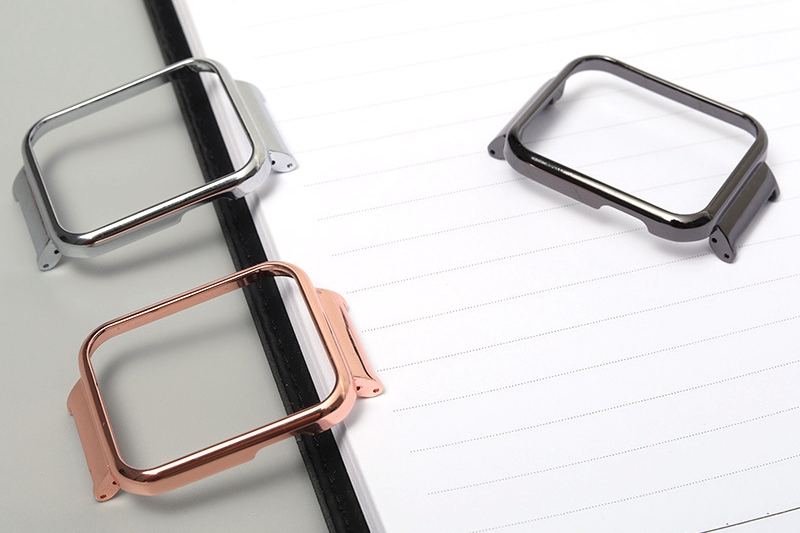
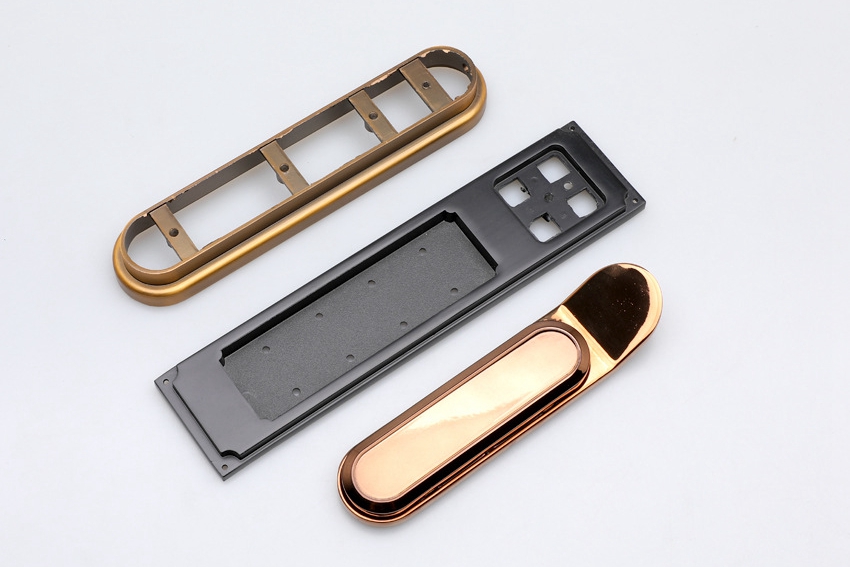
Electronics Internal Structural Component RFQ Decision: This article explains how buyers can specify precision internal structural components for electronics made by metal injection molding, precision casting, sheet metal fabrication, and CNC machining prototyping. The practical RFQ problem is choosing a manufacturing route for miniature brackets, internal frames, shielding supports, hinge parts, connector carriers, board supports, sensor mounts, and device skeleton features while defining material, datum control, tolerance drivers, secondary operations, and inspection evidence.
Which Internal Structural Part Is Being Quoted?
Buyers should define the internal structural part type before choosing the process. A board support, hinge bracket, shielding frame, connector carrier, sensor mount, internal latch, and compact device skeleton may all sit inside an electronic product, but each component controls a different assembly function.
The engineering reason is that internal structural components usually control hidden but important interfaces. A board support may need stable hole position and standoff height. A shielding support may need flatness and contact surfaces. A miniature hinge part may need wear resistance and pin alignment. A connector carrier may need burr control, datum control, and repeatable assembly fit.
For quotation, the buyer should provide the 3D model, 2D drawing, part function, mating parts, datum scheme, critical dimensions, material preference, surface finish, production stage, and required inspection evidence. This prevents a structural RFQ from being treated as a simple small part with unclear manufacturing risk.
Which Process Fits Miniature Electronic Frameworks?
Process selection should follow geometry, part size, material requirement, assembly load, feature complexity, production volume, and prototype stage. MIM can support small complex metal structures. Precision casting may fit certain metal frame geometries. Sheet metal fabrication can support brackets, shields, formed covers, and internal supports. CNC machining prototyping is useful when buyers need machined datums, threads, low-volume samples, or process comparison parts.
Manufacturing Process | Best-Fit Internal Electronics Part | RFQ Decision Buyers Should State |
|---|---|---|
Metal injection molding | Miniature brackets, internal latches, hinge parts, connector carriers, complex mounts, and compact metal mechanisms | Define material grade, sintering-sensitive dimensions, datum surfaces, secondary machining, threads, and inspection method. |
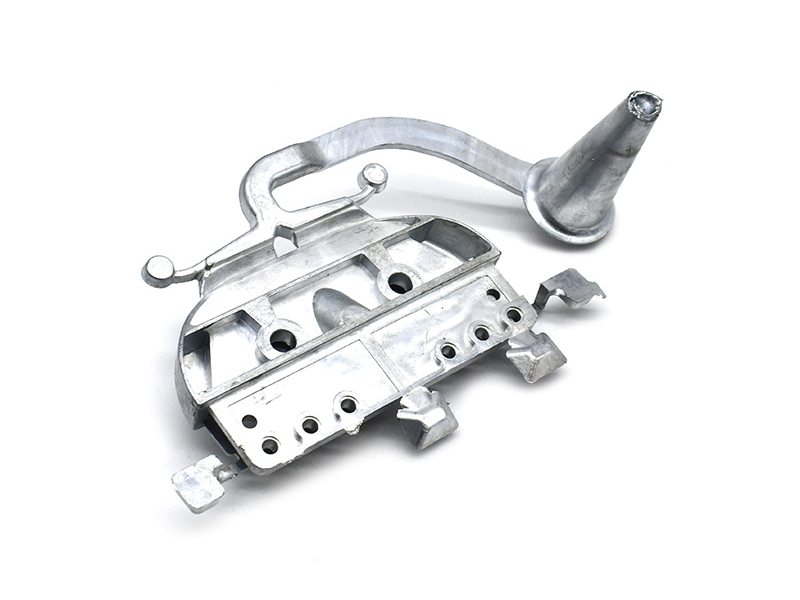
Precision casting | Small metal frames, support bodies, compact housings, and structural parts where cast geometry may reduce machining | Define alloy, casting route, surface finish, machining allowance, functional surfaces, and dimensional reporting needs. |
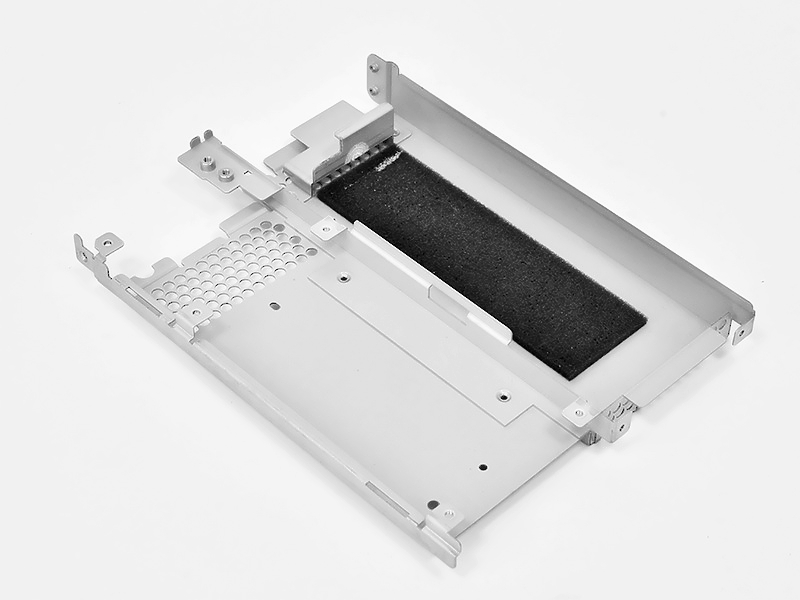
Sheet metal fabrication | EMI shields, brackets, covers, folded supports, board retainers, internal frames, and stamped or bent features | Define sheet material, thickness, bend lines, burr side, formed features, flatness, and cosmetic or contact surfaces. |
CNC machining prototyping | Prototype frames, datum-critical samples, threaded parts, machined brackets, fixtures, and low-volume validation parts | Define material, critical dimensions, tool-access limits, threads, surface finish, sample quantity, and report requirements. |
The buyer should connect the part function to the process. A thin shield may be a sheet metal fabrication part, while a miniature three-dimensional latch may be a MIM part. A machined prototype may be useful before the buyer commits to MIM tooling, casting tooling, or sheet metal tooling.
Which Materials Should Buyers Specify For Internal Structures?
Material selection should reflect strength, stiffness, wear, corrosion exposure, electrical contact, shielding function, and assembly load. The RFQ should name the preferred material grade if the buyer has already defined the device architecture.
Material Entity | Relevant Process | Buyer Requirement To Clarify |
|---|---|---|
MIM stainless steel or low-alloy steel | Metal injection molding | Strength, corrosion exposure, sintering shrinkage concern, machined datum surfaces, threads, and passivation if required. |
Cast stainless steel, carbon steel, aluminum, or other cast alloy | Precision casting | Functional load, surface finish, machining allowance, heat treatment if needed, and inspection evidence. |
Stainless steel, aluminum, copper alloy, or coated steel sheet | Sheet metal fabrication | Sheet thickness, forming direction, burr direction, grounding surface, corrosion exposure, and flatness requirement. |
Aluminum, stainless steel, brass, or engineering plastic prototype material | CNC machining prototyping | Prototype purpose, datum surfaces, thread callouts, surface finish, and whether substitute material is acceptable. |
If the material is still open, the buyer should state the functional problem. The RFQ can describe whether the part must hold a circuit board, align a connector, shield EMI, support a hinge, carry a threaded load, or survive repeated assembly. The supplier can then discuss suitable MIM, casting, sheet metal, or CNC prototype options.
How Should Datum Control And Assembly Interfaces Be Defined?
Datum control should start with the assembly function. Buyers should mark board mounting holes, pin bores, connector seats, latch hooks, shield contact pads, standoff heights, threaded holes, mating edges, and surfaces that locate another component.
The engineering reason is that internal structures often fail by stack-up error rather than by visible appearance. MIM parts must consider debinding, sintering shrinkage, and possible secondary machining. Precision cast parts must consider casting tolerance, machining allowance, and surface condition. Sheet metal fabrication must consider bend variation, burr direction, flatness, and springback. CNC machined prototypes must consider workholding, tool access, and burr control.
Important buyer decisions should be stated directly. If a connector seat controls final assembly alignment, the RFQ should identify that feature as critical. If a MIM bracket needs a machined datum, the RFQ should mark the surface. If a sheet metal shield needs electrical contact, the RFQ should identify the contact area and any coating restriction.
What Secondary Operations May Be Needed?
Secondary operations should be defined before quotation because internal structural parts often need more than the primary process. MIM parts may need sizing, machining, tapping, heat treatment, tumbling, passivation, or coating. Precision cast parts may need machining, grinding, heat treatment, or surface finishing. Sheet metal parts may need deburring, tapping, spot welding, riveting, plating, painting, or conductive finishing. CNC prototypes may need anodizing, passivation, inserts, or thread checks.
The RFQ should identify secondary operations by feature, not only by process name. For example, a threaded hole should include thread specification and inspection need. A shielding surface should identify the required contact area. A board support should identify standoff height and mating screw condition. A sliding or hinge feature should identify wear surfaces and the buyer-side functional check.
What Inspection Evidence Should Support Internal Structure RFQs?
Inspection evidence should match the functional risk of the internal structure. Buyers may need dimensional reports, material confirmation, surface finish review, thread checks, flatness checks, burr review, contact surface review, and assembly fit evidence.
Inspection Method | Internal Structural Feature Controlled | RFQ Information Needed |
|---|---|---|
Dimensional inspection | Datums, holes, connector seats, standoffs, pin bores, threaded features, and mating edges | Critical dimensions, drawing revision, datum scheme, sample quantity, and report format. |
Flatness and burr review | Sheet metal shields, folded brackets, laser-cut edges, stamped supports, and contact surfaces | Burr side, flatness requirement, edge condition, forming direction, and surfaces touching electronics. |
Material and secondary operation review | MIM parts, cast frames, machined prototypes, heat-treated parts, tapped holes, coated parts, and passivated parts | Material grade, secondary operation, certificate need if applicable, and buyer acceptance method. |
Assembly fit check | Board supports, hinges, connectors, clips, shields, sensor mounts, and internal frames | Mating part data, assembly orientation, functional contact surfaces, and buyer-side validation plan. |
Final device qualification remains a buyer-side decision. The supplier can provide component-level manufacturing evidence, while the buyer defines electronic assembly tests, device-level reliability checks, and final acceptance rules for the complete product.
Related FAQs