Durable Protective Covers & Functional Power Tool Casings
Power Tool Protective Casing RFQ Decision: This article explains how buyers can specify plastic injection molding, overmolding, laser cutting, metal bending, and sheet metal stamping for durable protective covers and functional power tool casings. The part types include molded housings, grip shells, battery covers, switch surrounds, stamped shields, bent brackets, and metal reinforcement plates. The practical RFQ problem is deciding which material, wall structure, grip surface, impact requirement, sealing target, and inspection evidence should be quoted before the buyer validates drop resistance, assembly fit, user handling, and environmental exposure.
Power tool casings are functional components, not only exterior covers. A casing can protect the motor, align the transmission, support the battery pack, guide switches, absorb drops, and shape the user's grip. Buyers should define the casing function before selecting a process, because a cosmetic shell, impact cover, sealed enclosure, and load-bearing frame insert require different materials and manufacturing controls.
Which Power Tool Casing Function Should Buyers Define First?
The RFQ should identify the casing function before the buyer compares suppliers. A battery cover may need latch durability, sealing surfaces, and dimensional repeatability. A motor housing may need heat resistance, screw boss strength, and rib design. A handle shell may need ergonomics, texture, and overmolded grip zones. A metal shield may need cut edges, bends, stamping features, and corrosion-resistant surface finishing.
This function-first approach prevents a protective cover from being quoted as a generic plastic part. A casing that controls assembly alignment should include datums, mounting hole positions, and mating features. A casing that protects against drops should include material impact behavior, rib layout, wall transitions, and test expectations. A casing that must support outdoor use should include sealing strategy, surface treatment, and environmental exposure requirements.
Power Tool Casing Feature | Process Route To Review | RFQ Risk To Clarify | Inspection Or Validation Evidence |
|---|---|---|---|
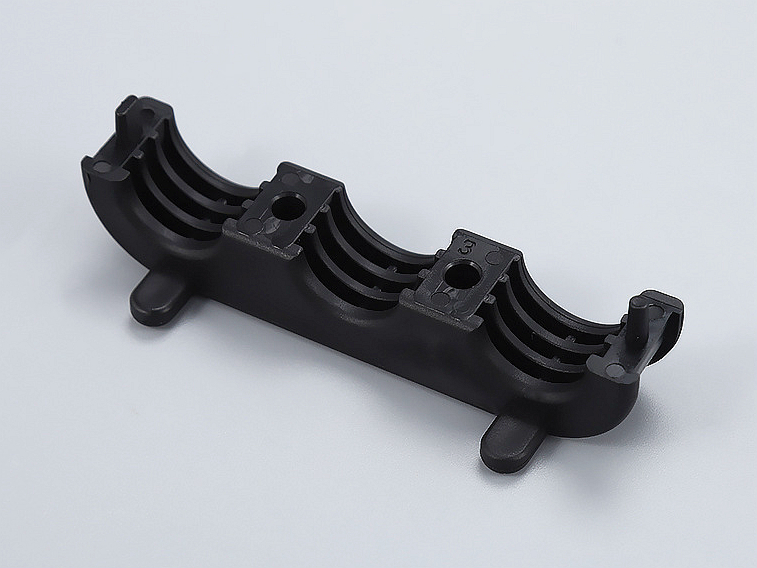
Molded outer housing | Plastic injection molding | Wall thickness, ribs, screw bosses, gate location, warpage | Dimensional report and assembly fit check |
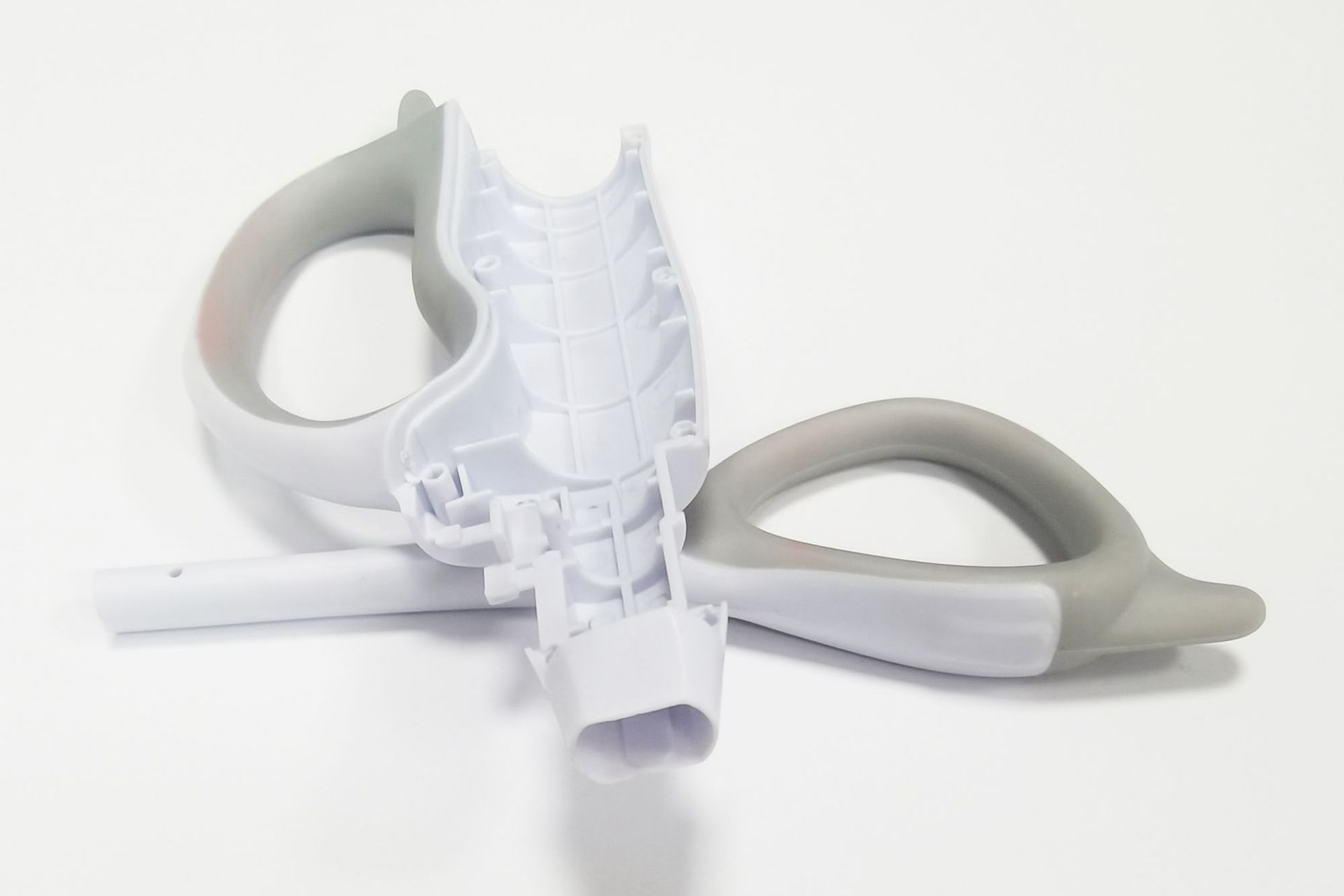
Grip or handle surface | Overmolding on rigid plastic substrate | Material bonding, tactile surface, parting line, wear area | Adhesion review and surface appearance inspection |
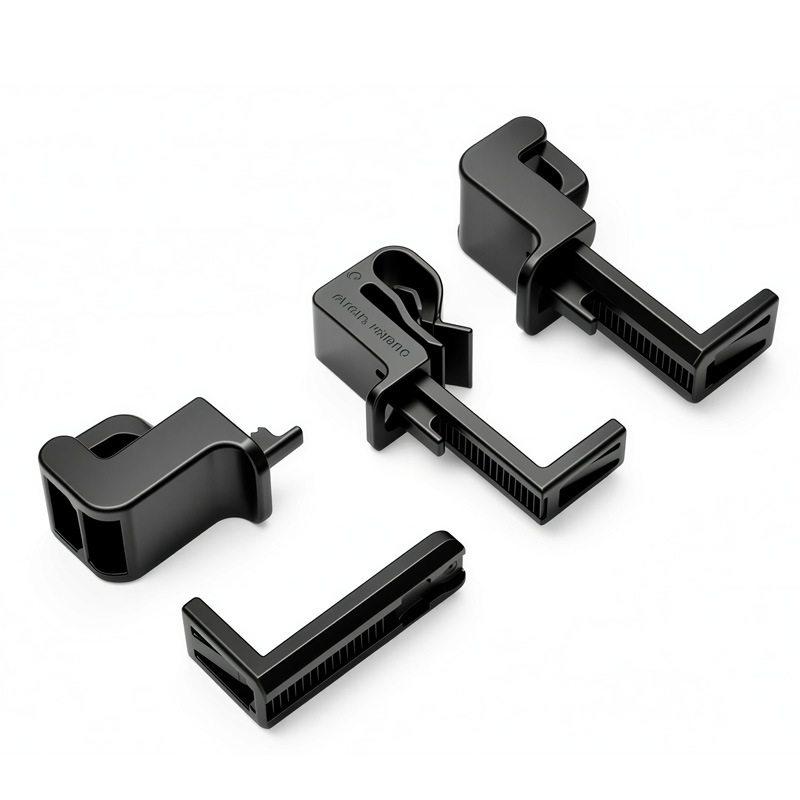
Metal guard or reinforcement plate | Laser cutting, metal bending, or sheet metal stamping | Edge condition, bend radius, hole position, coating | Flatness, hole position, and finish inspection |
Battery cover or sealed access panel | Injection molding plus gasket or sealing design | Latch fit, sealing rib, assembly gap, material creep | Fit review and sealing-related test plan |
When Should Plastic Injection Molding Be Used For Casings?
Plastic injection molding should be reviewed when the casing requires repeatable geometry, molded ribs, screw bosses, battery interfaces, textured surfaces, and integrated assembly features. Injection molding can support ABS, PC, ABS-PC, nylon, TPU, TPE, and other engineering plastics when the material is matched to impact, heat, stiffness, grip, and appearance requirements.
Material selection should be tied to the casing role. ABS may be reviewed for general housings, polycarbonate PC for impact-related covers, ABS-PC for balanced housing requirements, and nylon PA for mechanical features where toughness and wear behavior matter. Buyers can use plastic injection molding service basics and engineering plastic material guidance to frame the quotation.
When Does Overmolding Improve Tool Grip And Casing Durability?
Overmolding should be considered when the tool casing needs a soft grip, vibration-damping surface, anti-slip handling area, switch surround, bumper zone, or ergonomic contact surface. The buyer should define the rigid substrate material, soft overmold material, bonding area, grip texture, parting line, and areas exposed to oil, dust, or repeated hand contact.
Overmolding creates a multi-material part, so the RFQ should include both materials and the interface requirement. TPE or TPV and TPU may be reviewed for flexible grip zones depending on the buyer's handling and wear requirements. Buyers can compare two-shot molding, multi-shot molding, and overmolding when deciding whether the tool casing needs a bonded grip or a separately assembled cover.
When Should Metal Guards Or Reinforcements Be Added?
Metal guards and reinforcement plates should be quoted when plastic alone does not address edge protection, thermal exposure, mounting stiffness, or localized wear. Laser cutting can support flat guards, slots, and precise profiles. Metal bending can support brackets, shields, and angled reinforcement features. Sheet metal stamping can support high-volume covers, tabs, pierced features, and formed structures when tooling investment is justified by production demand.
The RFQ should define sheet thickness, material grade, bend radius, hole location, edge condition, burr control, and surface finish. Buyers can compare sheet metal stamping basics, sheet metal fabrication process integration, and high-precision metal bending when a plastic casing needs metal protection or assembly reinforcement.
Which Surface And Appearance Requirements Affect Casing RFQs?
Surface requirements should be stated by zone. A hand-contact grip, exposed cover, screw boss, battery latch, metal shield, and brand-facing surface can have different texture, scratch, wear, and coating requirements. Injection molded surfaces may require texture, in-mold decoration, paint, or material color control. Metal guards may require powder coating, passivation, plating, or deburring depending on the material and exposure.
The RFQ should identify cosmetic surfaces and functional surfaces separately. Cosmetic surfaces affect appearance review, color matching, texture, and visible parting lines. Functional surfaces affect sealing, switch movement, latch engagement, and wear. Useful references include in-mold decoration for plastic parts, powder coating for metal parts, and sandblasting for surface preparation.
What Inspection Evidence Should Support Tool Casings?
Inspection should focus on the features that affect assembly and user handling. Dimensional inspection can support mounting holes, battery interfaces, latch pockets, switch openings, screw bosses, and mating seams. Surface inspection can support texture, color, scratches, flash, weld lines, and coating condition. Fit checks can support mating covers, gaskets, metal inserts, and overmolded grip areas.
The RFQ should state whether the buyer needs prototype inspection, first article inspection, production sampling, material records, color review, or surface treatment records. If the cover must support drop testing, waterproof testing, grip testing, or assembly testing, the buyer should state which reports are supplier manufacturing records and which tests remain part of the buyer's final product validation.
RFQ Requirement | Manufacturing Entity To Define | Buyer Decision Supported |
|---|---|---|
Impact-resistant casing | PC, ABS-PC, rib structure, wall transitions, screw boss design | Material choice and mold design review |
Ergonomic grip area | TPE, TPV, TPU, overmold bond line, texture area | Overmolding route and handling validation |
Metal protection feature | Laser-cut guard, bent shield, stamped plate, coating | Plastic-only casing versus hybrid casing decision |
Sealed battery or access cover | Latch geometry, gasket channel, sealing rib, assembly gap | Prototype test plan and production inspection scope |
What Should Buyers Include In A Power Tool Casing RFQ?
A complete casing RFQ should include CAD files, 2D drawings, casing function, mating parts, target process, material candidates, wall thickness, rib design, screw boss details, latch geometry, sealing features, grip zones, cosmetic zones, surface treatment, color or texture requirements, production stage, and inspection reports. For injection molded casings, buyers should identify gate-sensitive surfaces, draft constraints, parting line limits, and assembly datums. For overmolded handles, buyers should identify substrate material, soft material, bonding area, texture, and wear zone. For sheet metal guards, buyers should identify metal grade, thickness, bend radius, hole positions, and coating requirements.
The buyer decision should be direct. If the casing must reduce weight, state the material and wall-structure target. If the casing must resist drops, state the drop or impact validation plan. If the casing must support outdoor use, state sealing and surface requirements. If the casing is a prototype, state whether the sample is for ergonomic review, assembly fit, impact testing, or production tooling review.
Related FAQs
What materials and processes suit high-impact environments with frequent drops?
How can plastic housings achieve IP67-level dustproof and waterproof protection?
What advantages does overmolding offer over traditional assembly methods?
How should buyers choose plastic material for tool casings under budget limits?
What should a casing project include from prototype to mass production?
Which surface treatments resist daily scratches and wear best?