Flawless Finishes: Enhancing Aesthetics and Functionality with Aluminum Die Casting
Aluminum Die Casting Surface Finish RFQ Decision explains how surface finish choices affect aluminum die-cast housings, brackets, covers, heat sinks, enclosures, and visible structural parts. The buyer decision is whether the die-cast part needs as-cast texture, tumbling, shot blasting, machining, powder coating, painting, plating, or anodizing-related review after casting. The practical RFQ problem is that finish quality depends on alloy, casting porosity, surface class, parting line, trimming marks, machining allowance, coating thickness, masking, and inspection criteria.
How Do Surface Finishes Affect Aluminum Die Cast Parts?
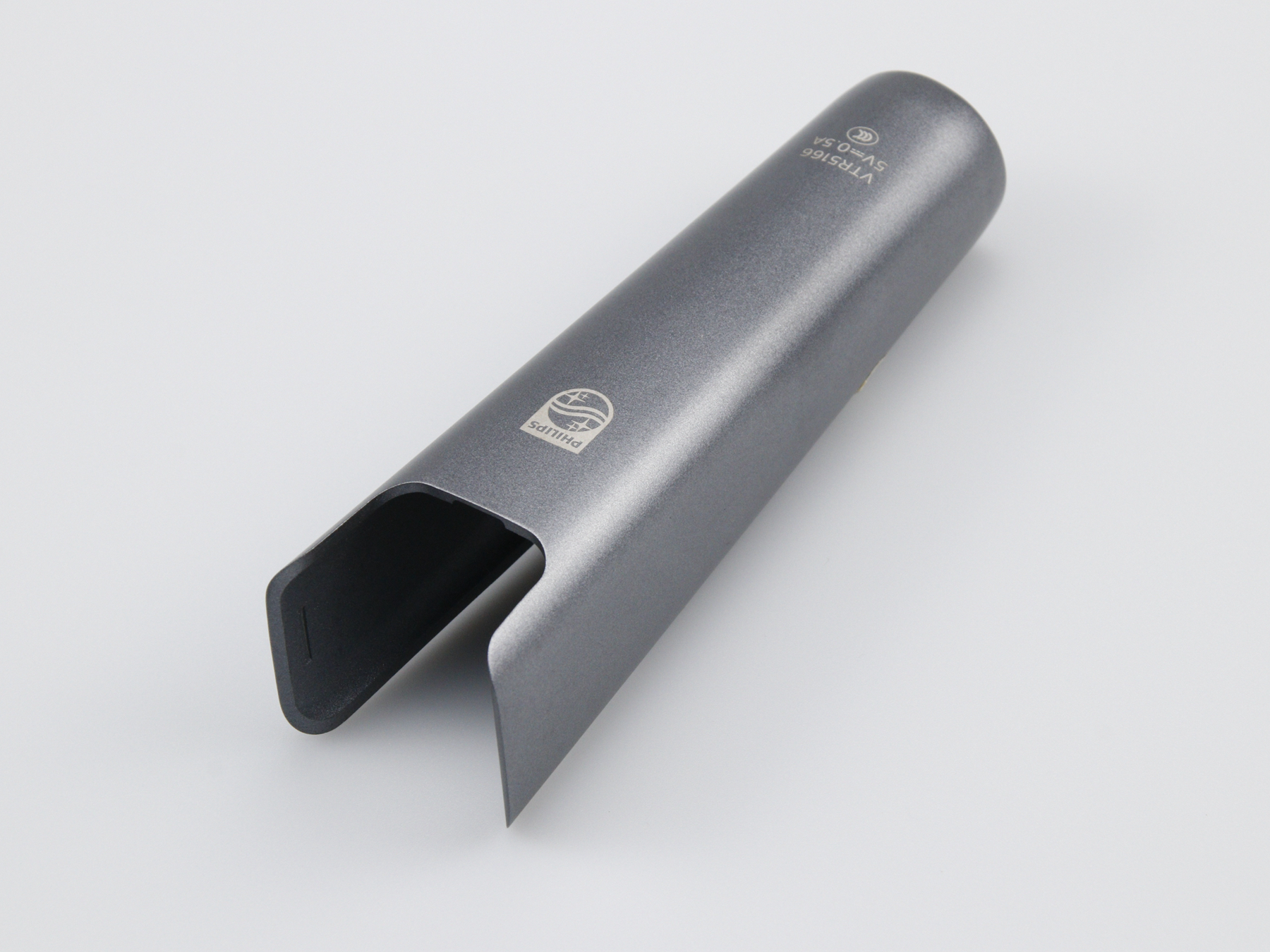
Surface finishes affect both appearance and function. A finish can improve visual consistency, corrosion resistance, wear behavior, electrical insulation, thermal management, or assembly handling depending on the coating and the part application.
For aluminum die casting, finish planning should start before tooling. The casting surface may include parting lines, ejector marks, gate trim areas, flow marks, porosity, and machining transitions. These features affect how powder coating, painting, plating, blasting, or anodizing-related processes appear on the finished part.
The RFQ should separate cosmetic surfaces from functional surfaces. A visible enclosure face, a gasket surface, a heat-transfer surface, and a threaded hole may require different finish and inspection decisions.
Which Surface Finish Options Should Buyers Compare?
Buyers should compare finishes according to the part function, appearance requirement, environment, and post-casting operations. A finish that works for a hidden bracket may not be suitable for a visible electronics housing.
Aluminum Die Casting Finish Option | Main Purpose | RFQ Detail Needed |
|---|---|---|
As-cast surface with trimming and deburring | Basic functional casting surface with minimal secondary finish | Acceptable trim marks, visible surfaces, and burr limits |
Shot blasting, tumbling, or polishing preparation | Surface texture control before coating or assembly | Texture target, appearance zone, and edges that need protection |
Powder coating or painting | Color, corrosion protection, and visual consistency | Color reference, coating area, masking requirement, and appearance criteria |
Anodizing cast aluminum review | Surface treatment assessment where alloy and casting quality allow it | Alloy, cosmetic expectation, surface preparation, and acceptance criteria |
Machined surface finish | Controls sealing, datum, thread, bearing, or mating surfaces | Machined features, surface roughness requirement, and inspection method |
How Do Alloy and Casting Quality Affect Finish Results?
Alloy and casting quality affect finish results because die-cast aluminum surfaces can contain flow marks, porosity, silicon-rich areas, trim marks, and local texture variation. These conditions influence coating adhesion, visual uniformity, and machined surface appearance.
A380 and ADC12 are common die casting alloys, but finish behavior still depends on the specific process and surface requirement. A buyer should not assume that every finish used on wrought aluminum will behave the same way on die-cast aluminum.
If the final part has cosmetic requirements, the RFQ should state color, gloss, texture, visible zones, acceptable surface discontinuities, and any coating thickness or masking requirements. If the final part has functional requirements, the RFQ should identify sealing surfaces, conductive surfaces, heat-transfer surfaces, and machined interfaces.
Which Design Features Create Surface Finish Risk?
Design features create finish risk when they make casting, trimming, coating, or inspection difficult. Sharp corners, deep pockets, heavy wall transitions, thin fins, recessed text, and hidden surfaces can all affect finish consistency.
Parting line and gate trim locations matter because they may remain visible after coating or blasting. Ejector marks may be acceptable on hidden surfaces but not on appearance surfaces. Threaded holes, sealing faces, and machined datums may require masking or post-finish machining depending on the final specification.
Design or Tooling Feature | Surface Finish Risk | Buyer Decision Before RFQ |
|---|---|---|
Parting line on visible surface | Visible mismatch, flash removal mark, or coating edge variation | Define acceptable parting line location and appearance class |
Gate and overflow trim area | Local marks after trimming, blasting, or coating | Define hidden zones and surfaces that cannot carry trim marks |
Machined sealing or datum surface | Coating thickness or masking may affect assembly fit | Define whether machining occurs before or after coating |
Deep ribs or recessed pockets | Uneven coating coverage or difficult cleaning | Define coating coverage requirement and inspection method |
When Does Surface Finish Improve Functionality?
Surface finish improves functionality when the coating or treatment supports corrosion resistance, wear resistance, electrical insulation, thermal behavior, sealing, cleaning, or handling. The finish should be selected for the part's working environment, not only for appearance.
For telecommunication housings, finishes may support corrosion resistance and outdoor exposure requirements. For e-mobility and automotive parts, finishes may support corrosion, heat, and assembly requirements. For visible consumer electronics parts, finishes may need both appearance control and handling durability.
The RFQ should define the operating environment, exposure conditions, cleaning method, mating parts, and visible surfaces. Neway can review whether the requested finish is compatible with the casting route and alloy.
What Inspection Criteria Should Be Used for Finished Die Castings?
Inspection criteria should separate appearance checks from functional checks. Appearance checks may include color, gloss, texture, coverage, surface defects, trim marks, and coating uniformity. Functional checks may include coating thickness, masking location, thread fit, sealing surface condition, and corrosion or adhesion testing when required by the buyer.
Buyers should define Class A visible areas, hidden areas, machined areas, and no-coating areas on the drawing. If the buyer has a sample standard, color chip, surface roughness requirement, or coating specification, those inputs should be included in the RFQ.
Ambiguous finish terms can create disputes during sampling. Clear acceptance criteria help the supplier quote the correct process route and inspection scope.
What RFQ Data Helps Neway Review Surface Finish Feasibility?
A complete RFQ should define the casting, finish, and inspection requirements together. Surface finish feasibility depends on part design and casting quality as much as on the coating process.
RFQ Data for Die Casting Finish | Why It Matters | Review Outcome |
|---|---|---|
3D model and 2D drawing | Shows visible surfaces, parting lines, datums, and machined features | Tooling, trim, machining, and finish sequence review |
Alloy and surface finish requirement | Controls casting surface behavior and coating compatibility | Alloy and finish feasibility review |
Appearance zones and color reference | Defines where cosmetic consistency matters | Surface preparation and inspection plan |
Masking, threads, sealing, and mating surfaces | Prevents coating from interfering with assembly or function | Secondary operation and quality control planning |
What Neway Precision Reviews for Aluminum Die Casting Finishes?
Neway Precision reviews aluminum die casting finishes by connecting alloy, casting design, visible surfaces, machining sequence, secondary operations, coating requirements, and inspection criteria. The review focuses on whether the requested finish can be produced consistently for the buyer's functional and appearance requirements.
Surface finish decisions should be made early because finish requirements can affect parting line location, gate trimming, machining sequence, masking, packaging, and final inspection. A clear RFQ helps compare as-cast surfaces, prepared surfaces, powder coating, painting, anodizing-related review, or other finishing routes.
The best finish plan is specific: define the surface, purpose, environment, color or texture reference, inspection method, and surfaces that must remain uncoated or machined.
Related FAQs
What types of surface finishes are commonly applied to aluminum die castings?
How can finishes improve the functionality of aluminum die cast components?
Why is anodizing a popular finish for aluminum die cast products?
How can manufacturers ensure consistent surface quality in aluminum die casting?
What surface finishes are available for aluminum die casting services?
What surface finishes are suitable for aluminum die casting parts?
What challenges are associated with applying surface finishes to aluminum die casting?