Why is aluminum die-casting cost-effective?
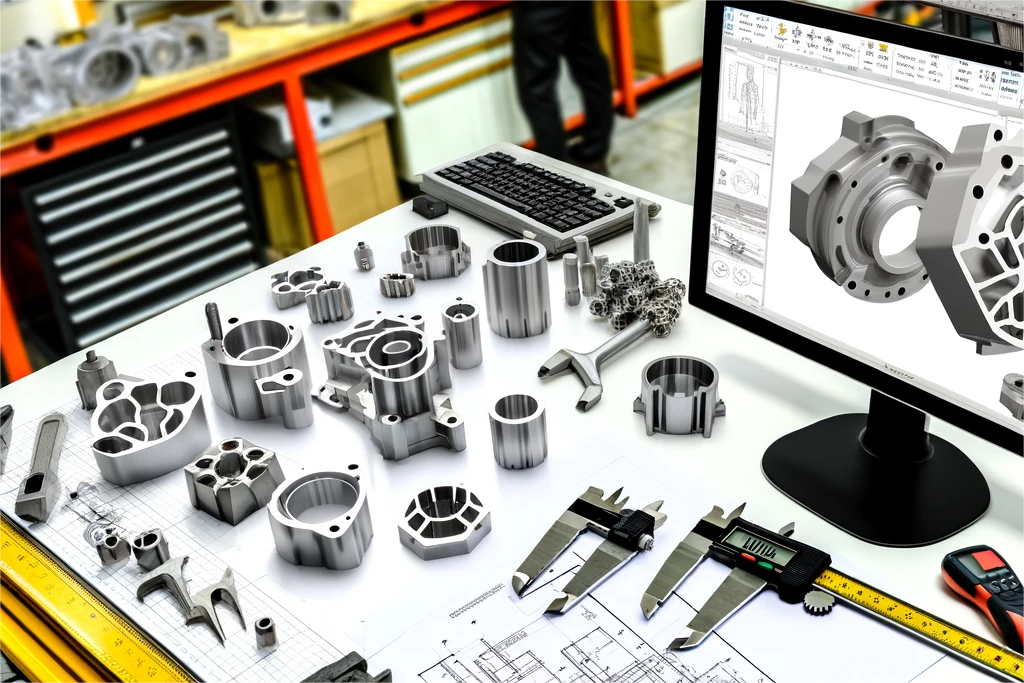
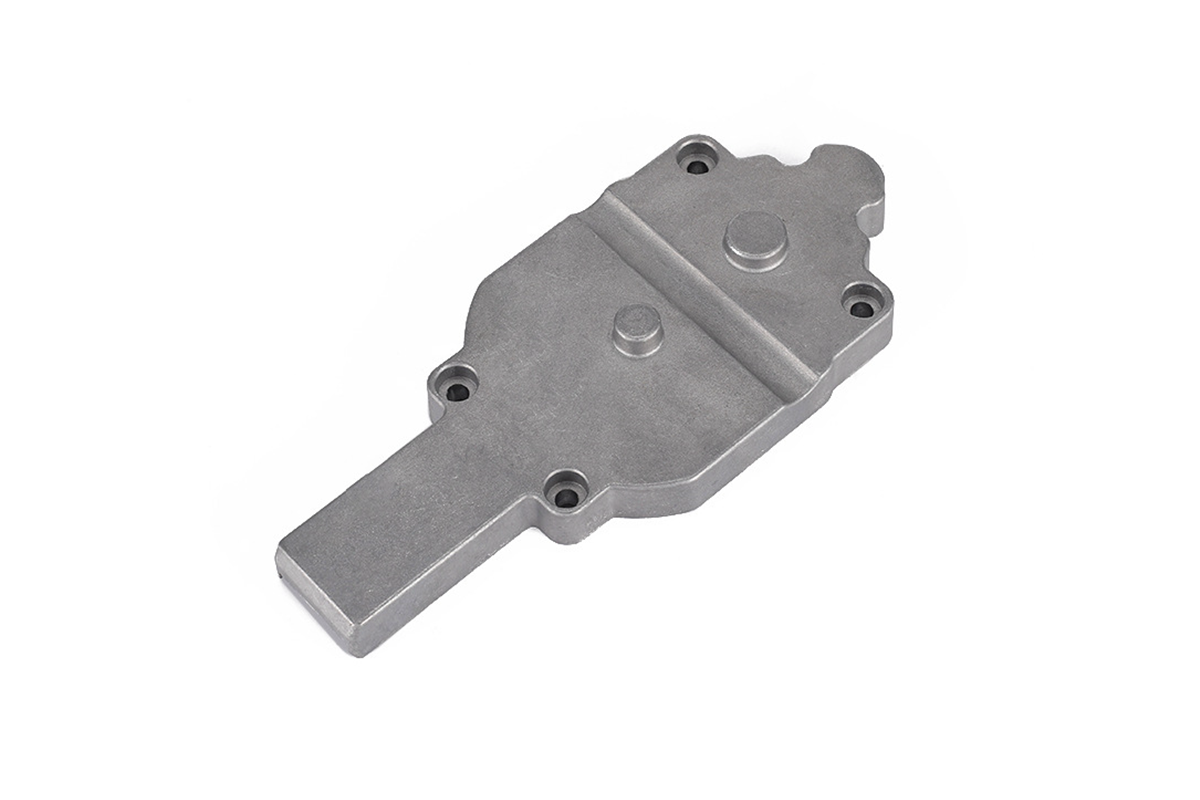
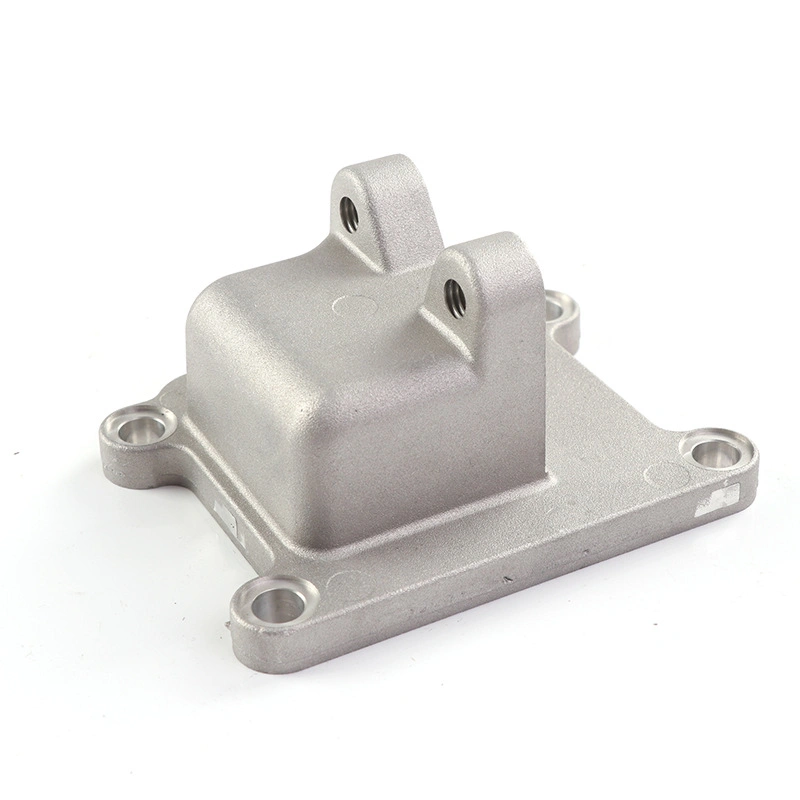
Aluminum die casting is cost-effective when the production volume, part geometry, alloy selection, tooling plan, secondary machining, surface finishing, and inspection requirements support repeatable near-net-shape manufacturing. This FAQ helps buyers evaluate cost for aluminum die casting housings, covers, brackets, heat sinks, motor components, connector bodies, and lightweight structural parts. The practical RFQ problem is comparing total delivered part cost, not assuming aluminum die casting is always the lowest-cost route.
Why is aluminum die-casting cost-effective?
Aluminum die casting can be cost-effective because one production die can repeatedly form complex aluminum parts with consistent geometry. The process can reduce machining, reduce assembly, and support high-volume production when the design is stable and the expected demand can justify tooling.
The cost advantage depends on the full manufacturing route. Buyers should include die cost, alloy cost, casting cycle, trimming, machining, tapping, deburring, surface finishing, scrap, inspection, packaging, and annual volume in the comparison.
How does near-net-shape casting reduce total cost?
Near-net-shape casting can reduce total cost when ribs, bosses, heat fins, mounting features, and enclosure geometry are formed directly in the die. This can reduce material removal and simplify later assembly compared with machining the entire part from solid stock or using multiple fabricated components.
Near-net shape does not mean no secondary work. Buyers should identify machined datums, threaded holes, sealing faces, flatness requirements, and surface finish needs. The quote should separate as-cast features from post-machined features.
How do production volume and tooling affect cost-effectiveness?
Production volume is one of the strongest cost factors. Aluminum die casting requires tooling investment, so the process becomes more attractive when volume is stable enough to spread die cost across many parts. Low-volume or frequently changing designs may be better suited to prototype tooling, machining, sand casting, or another process.
Buyers should provide launch quantity, annual volume, expected product life, and design-freeze status. Without this information, it is difficult to judge whether tooling cost is justified.
How do alloys affect aluminum die casting cost?
Alloy choice affects castability, machining behavior, surface finish, mechanical performance, corrosion exposure, thermal needs, and scrap risk. Common alloys such as A380 aluminum and 383 / ADC12 aluminum may be selected based on fluidity, part geometry, strength requirements, machining, and application environment.
An alloy that fills thin features well may reduce defect risk, while an alloy that machines cleanly may reduce post-processing cost. Buyers should state application conditions, mechanical needs, thermal needs, corrosion exposure, and finishing requirements before alloy selection.
How do machining, finishing, and inspection affect final cost?
Machining, finishing, and inspection can strongly affect final cost. Aluminum die cast parts may require trimming, deburring, drilling, tapping, CNC machining, leak testing, dimensional inspection, coating, painting, polishing, or anodizing cast aluminum depending on the application.
Buyers should identify which surfaces are functional, which surfaces are cosmetic, and which features need secondary machining. A low casting price can become misleading if the quote does not include required post-casting operations.
Which cost drivers should buyers compare before choosing die casting?
Cost driver | How aluminum die casting affects cost | RFQ information needed |
|---|---|---|
Tooling | Higher upfront die investment can be spread across stable volume | Annual volume, product life, design-freeze status |
Material use | Near-net-shape casting can reduce material removal | Part weight target, geometry, alloy requirement |
Machining | Only critical features may need machining if the casting design is suitable | Machined datums, threads, sealing faces, tolerance requirements |
Defects and scrap | Poor gating, venting, cooling, or wall design can increase scrap cost | Porosity limits, leak tests, cosmetic zones, critical surfaces |
Finishing and inspection | Surface treatment and quality checks can add meaningful cost | Finish type, visual standard, dimensional plan, test requirements |
When is aluminum die casting not the most cost-effective option?
Aluminum die casting may not be the most cost-effective option when volume is low, the design is changing, the part needs very simple geometry, or the required material properties are better served by another manufacturing process. Sand casting, gravity casting, investment casting, extrusion, sheet metal fabrication, or CNC machining may be more practical depending on the part.
The buyer should ask for a route comparison when the manufacturing decision is unclear. The best cost-effective route is the one that meets dimensional, mechanical, surface, and volume requirements with controlled risk.
What RFQ information helps confirm cost-effectiveness?
A useful RFQ should include CAD files, 2D drawings, alloy target, annual volume, launch volume, part weight target, critical dimensions, machined surfaces, threaded holes, sealing requirements, surface finish requirements, cosmetic standards, inspection plan, and application environment. Buyers should also state whether the goal is lower cost, weight reduction, heat dissipation, enclosure durability, or assembly simplification.
This information helps the manufacturer quote the full manufacturing route instead of only the casting step. Cost effectiveness in aluminum die casting comes from matching design, volume, tooling, alloy, secondary operations, and quality requirements.
Related FAQs
Are aluminum die castings cost-effective for mass production?
How does aluminum die casting contribute to manufacturing cost efficiency?
What design factors affect the cost of aluminum die casting parts?
What makes aluminum die casting suitable for mass production?
What are common defects in aluminum die casting and how can they be prevented?
Which aluminum alloys are commonly used for die casting parts?
What information is needed for an aluminum die casting service quote?